Attractions and Places To See around Bécon-Les-Granits - Top 20
Best attractions and places to see around Bécon-Les-Granits include a mix of historical sites, natural spaces, and architectural landmarks. The region features the Loire river, offering views of its bridges and surrounding landscapes. Visitors can explore areas with historical significance, such as former industrial sites, alongside green oases designed for outdoor activities. Bécon-Les-Granits provides opportunities to discover both cultural heritage and natural environments.
Best attractions and places to see around Bécon-Les-Granits
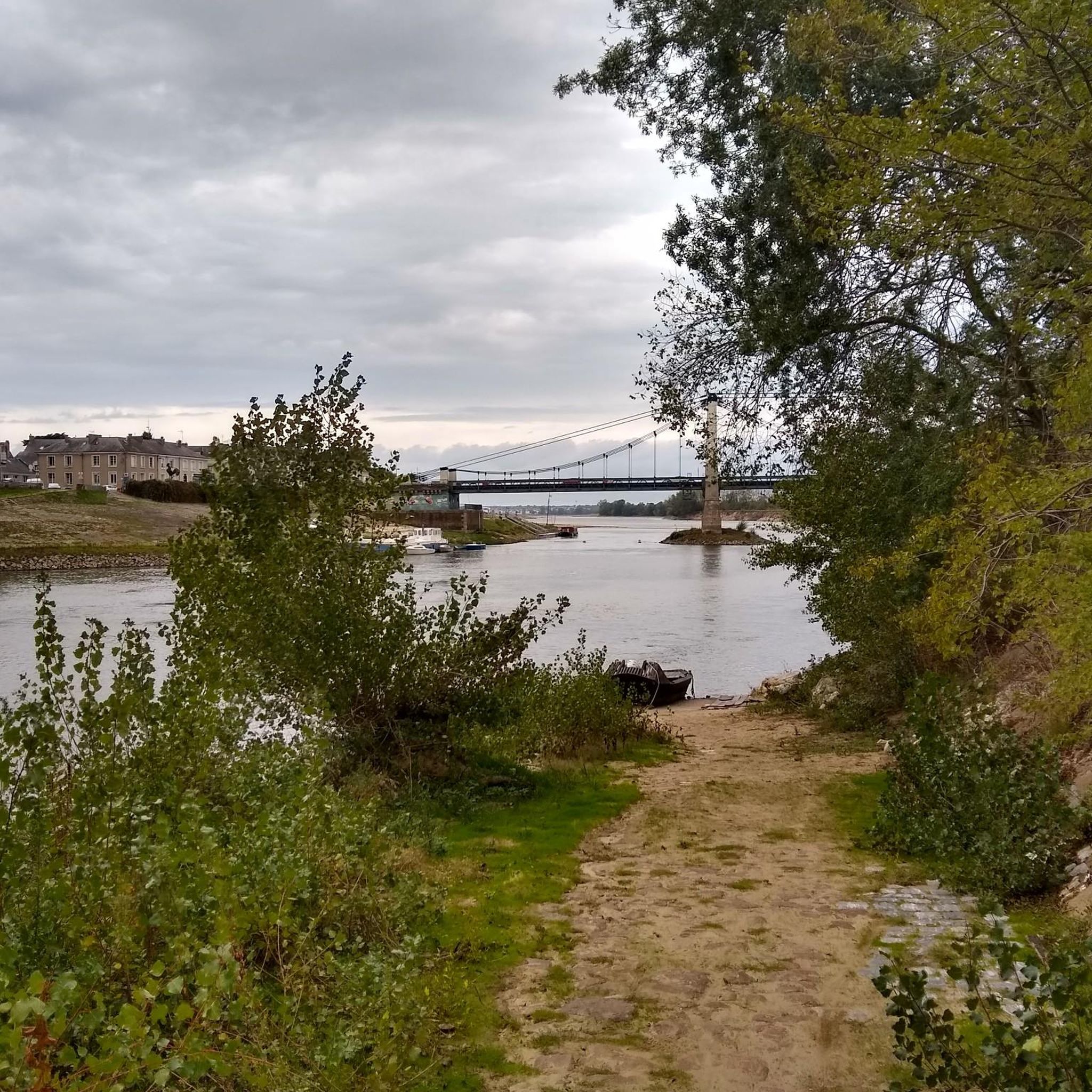
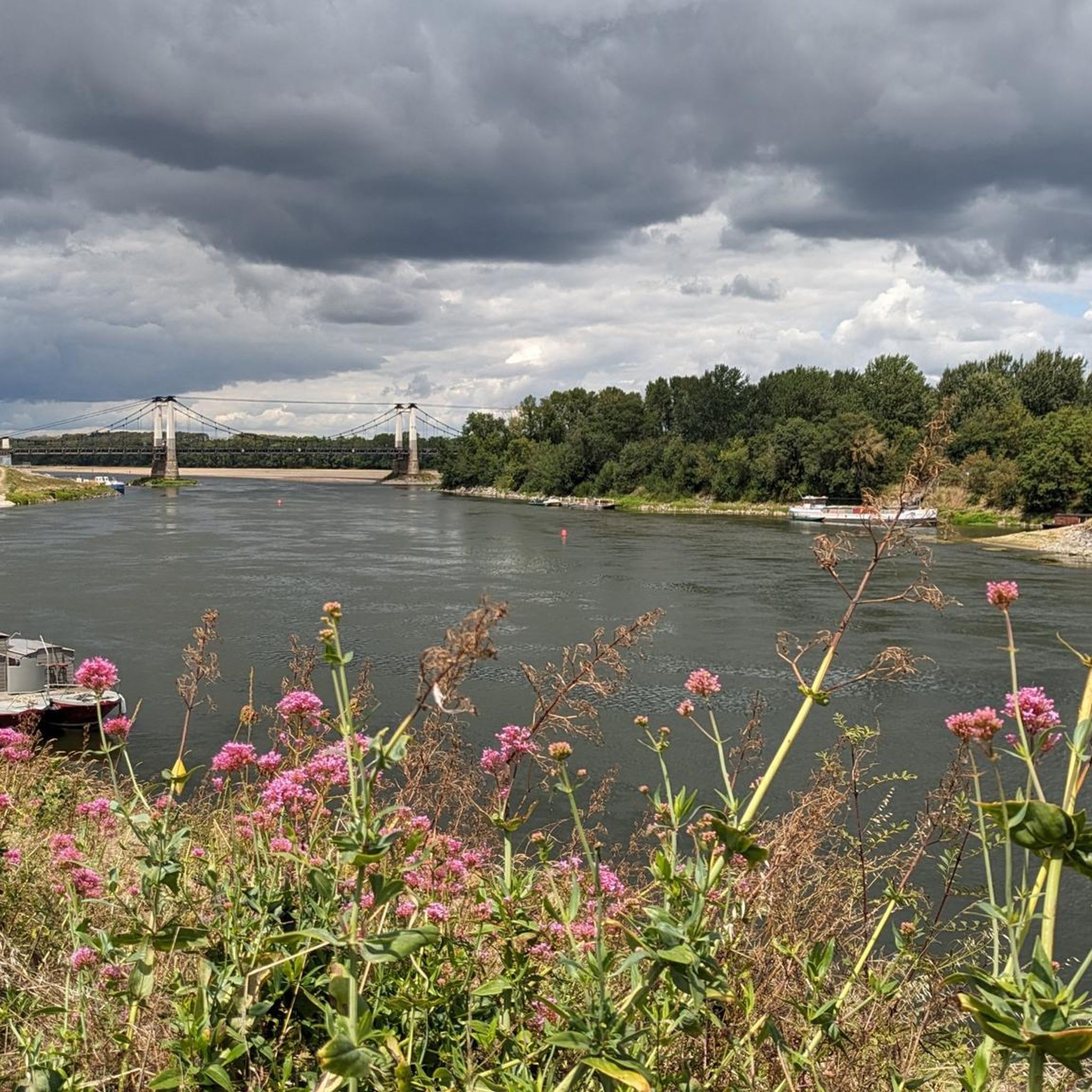
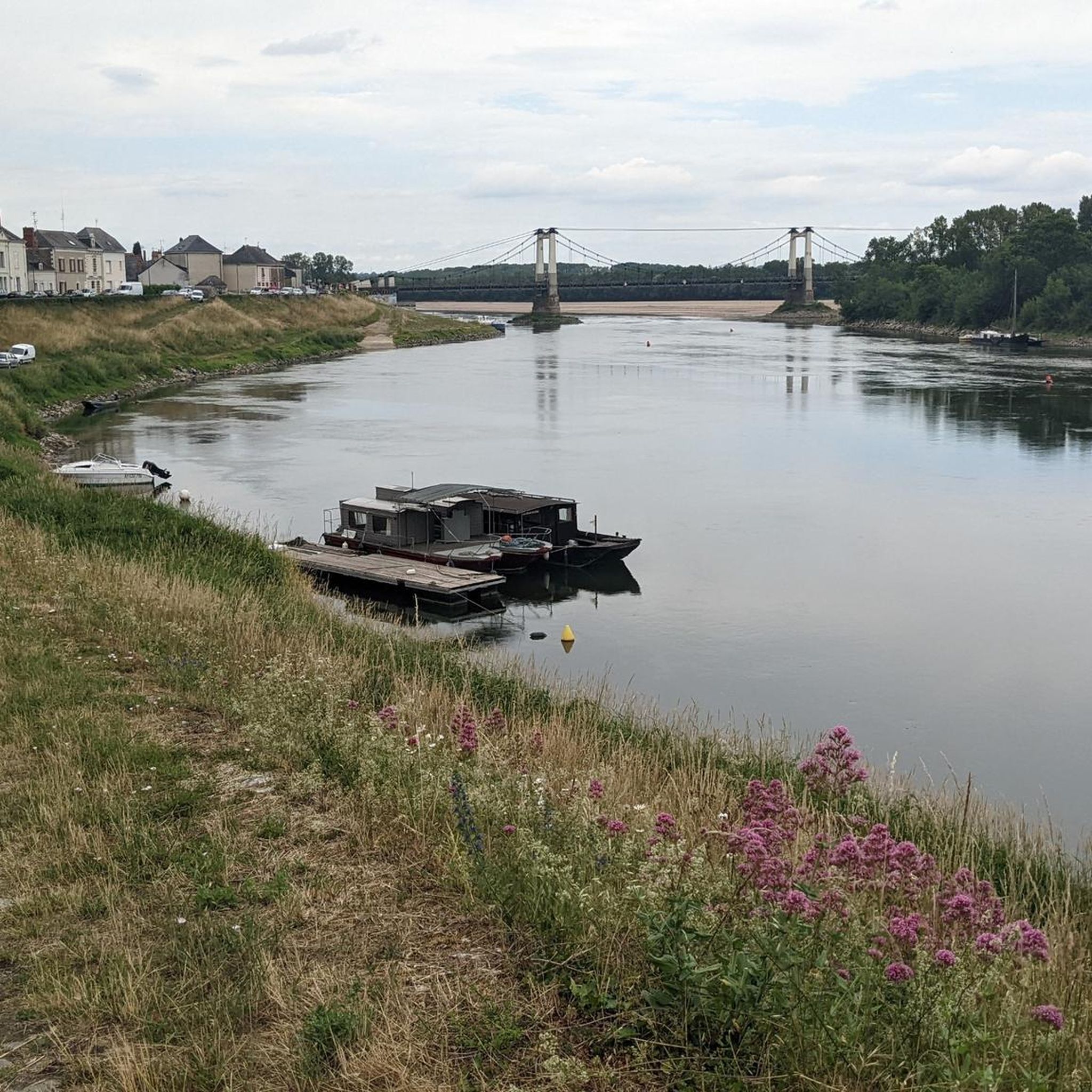
- The most popular attractions is Suspension bridge over the Loire, a bridge that showcases industrial-era steel processing. This structure is one of several bridges spanning the Loire.
- Another must-see spot is Coal mine headframe and lime kiln, a historical site where coal was mined from 1541 to 1892, featuring a headframe and lime kiln. The site was classified as a historical monument in 2004.
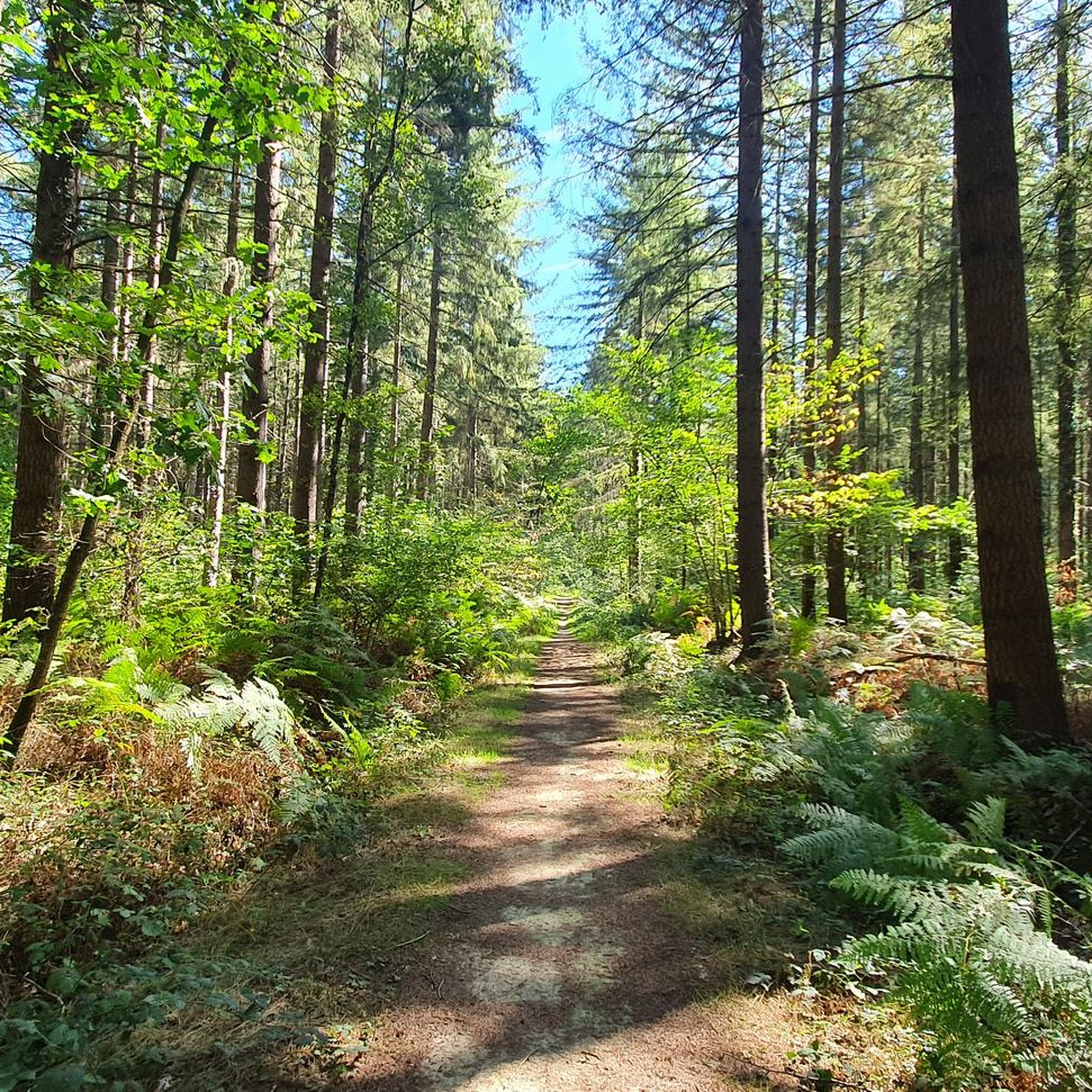
- Visitors also love Parc St Nicolas, a viewpoint and green oasis covering more than 112 hectares. This park offers diverse landscapes and ecosystems, suitable for family friendly activities and easy walks.
- Bécon-Les-Granits is known for its historical sites, bridges, and natural viewpoints. The area offers a variety of attractions to see and explore, from industrial heritage to expansive green spaces.
- The attractions around Bécon-Les-Granits are appreciated by the komoot community, with over 170 upvotes and 28 photos contributed by visitors.
Last updated: July 7, 2026
Suspension bridge over the Loire
Highlight • Bridge
Translated by Google •
Tip by

Coal mine headframe and lime kiln
Highlight • Historical Site
Translated by Google •
Tip by

Sign up now to discover places like this
Get recommendations on the best single tracks, peaks, & plenty of other exciting outdoor places.
Sign up for free
Château de Champtocé s/Loire
Highlight • Other
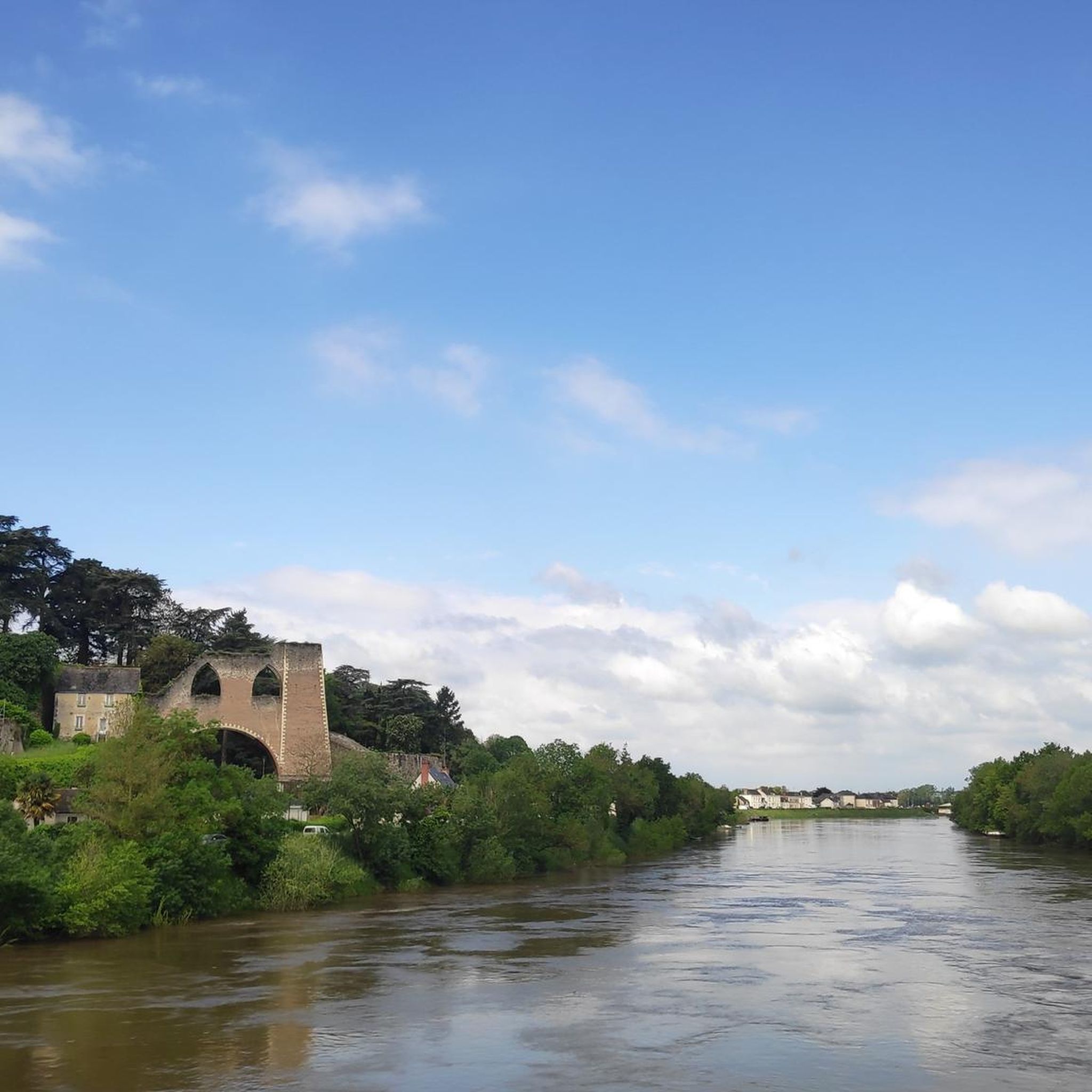
All that remains today are ruins, of which the single tower lets you imagine what this fortress was like with its... eleven towers at the time.
Translated by Google •
Tip by
Parc St Nicolas
Highlight • Viewpoint
Translated by Google •
Tip by

Montjean-sur-Loire
Highlight • Settlement
Translated by Google •
Tip by

Sign up for free to discover even more attractions around Bécon-Les-Granits.
Sign up for free
Already have an account?
Start today with a free account
Your next adventure awaits.
Login or Signup

Tips from the Community

superb ruins of Champtoce Castle
0
0

Beautiful view of the structure from the iron bridge.
0
0

Saint-Nicolas Park is a green setting that extends over more than 112 hectares and offers a variety of landscapes and ecosystems to discover. You can run along the panoramic lake, admire the diversity of fauna and flora, or discover the historical and cultural heritage of the site. The Saint-Nicolas parks are the ideal place to reconnect with nature and get some fresh air.
2
0
Saint-Nicolas Park is a green oasis that covers more than 112 hectares and offers a variety of landscapes and ecosystems to explore. You can walk along the panoramic lake, admire the diversity of flora and fauna, or discover the historical and cultural heritage of the site. The Saint-Nicolas Parks are the ideal place to reconnect with nature and get some fresh air.
3
0

In this castle was born Gilles de Montmorency-Laval, known as Gilles de Rais, having inspired the myth of Barbe Bleue. The House of Rais (or Retz) originally ruled over the region of the Marches of Brittany which marked the border between the Kingdom of France and the Duchy of Brittany and derived its immense wealth from the trade and taxation of goods moving between the two states. This region went from here to the Atlantic coast. As a result, the seigneury had several imposing castles including Tiffauges, Clisson, Machecoul, Pornic, and this one. By successive alliances, Gilles de Rais was lord of Brittany, Anjou, Poitou, Maine and Angoumois, which made him one of the most powerful lords in France. He joined the Hundred Years War against the English and became one of the main companions of Joan of Arc, before being promoted to Marshal of France on July 17, 1429, the day of the royal coronation of Charles VII in Reims. Having retired to his lands after the coronation of Reims, he was arrested in 1440 in his castle of Machecoul, and tried in Nantes for heresy, rape and murders of "one hundred and forty children, or more" ... He was executed by hanging with two of his servants convicted of murder. The story of the hanged man of Nantes is perhaps one of the influences of "La Barbe bleue", a tale by Charles Perrault, but the hypothesis is disputed. He is in any case one of the first serial killers and criminal pedophiles in history. Some historians (but their assumptions are disputed) attribute these crimes to his exercise of alchemy which may have required the use of young children's blood, others (and this is even more disputed) claim that it was all made up. to seize and establish the annexation of its domains to the kingdom of France. The main road, the D723, which passes in front of the castle is not very pleasant with vehicles traveling at full speed, it is better to access it by the small roads which cross it.
0
0

Very nice metal bridge. Unfortunately not very well secured for bikes and hikers.
2
0
Rooster "Chantefer" created in 1997 in Montjean sur Loire by Gérard Garnier, dit Gari.
1
0

Beautiful suspension bridge at Montjean-sur-Loire. Also a good place for a break.
1
0
Frequently Asked Questions
What natural features can I explore around Bécon-Les-Granits?
The region offers diverse natural spaces. You can visit Parc St Nicolas, a green oasis covering over 112 hectares with varied landscapes and ecosystems, perfect for reconnecting with nature. The Loire river itself is a significant natural feature, with areas like Montjean-sur-Loire offering views of its UNESCO World Heritage-classified sections.
Are there family-friendly activities or attractions in Bécon-Les-Granits?
Yes, Parc St Nicolas is an excellent choice for families. It's described as suitable for family-friendly activities and offers diverse landscapes and ecosystems to explore, including a panoramic lake.
What historical sites can I visit near Bécon-Les-Granits?
You can explore the Coal mine headframe and lime kiln, a historical site where coal was mined from 1541 to 1892, classified as a historical monument. Another significant site is the ruins of Château de Champtocé s/Loire, a 13th-century medieval castle with a rich history, including its connection to Gilles de Rais.
What outdoor activities are available around Bécon-Les-Granits?
The area is great for various outdoor activities. You can find numerous running trails, such as the 'Bécon-les-Granits Arboretum – Saint-Pierre Church loop', or explore road cycling routes like the 'Pont des Lombardières – Montjean-sur-Loire Bridge loop'. For hikers, there are options like the 'Granite Trail' or the 'Yvon Quarry loop'. You can find more details on these activities and routes in the dedicated guides for running, road cycling, and hiking around Bécon-Les-Granits.
Are there easy walks or circular routes in the area?
Yes, Parc St Nicolas is known for its easy walks and offers a classic circuit for those who want to run or stroll in nature. Additionally, the 'Granite Trail' is an easy hiking route available in the region, and many other circular routes can be found in the hiking guide.
What architectural landmarks can I see near Bécon-Les-Granits?
The Suspension bridge over the Loire is a notable architectural landmark, showcasing industrial-era steel processing. The Coal mine headframe and lime kiln also represent significant industrial architecture, classified as a historical monument.
What do visitors enjoy most about the attractions in this region?
Visitors appreciate the blend of historical significance and natural beauty. The industrial heritage, such as the bridges spanning the Loire and the former coal mine, offers a glimpse into the past. Green spaces like Parc St Nicolas are loved for their diverse landscapes and opportunities for relaxation and outdoor activities. The komoot community has contributed over 170 upvotes and 28 photos, highlighting the region's appeal.
Are there dog-friendly hiking options around Bécon-Les-Granits?
While specific data on dog-friendly trails isn't always available, many natural parks and outdoor routes in France generally welcome dogs on leash. Parc St Nicolas, as a large green oasis, is often suitable for walks with dogs. Always check local signage for specific rules regarding pets in protected areas.
What is the best time to visit Bécon-Les-Granits for outdoor activities?
The spring (April-June) and autumn (September-October) months generally offer pleasant weather for outdoor activities, with milder temperatures and beautiful scenery. Summer can also be enjoyable, especially for water-based activities on the Loire, but be prepared for warmer temperatures. Winter can be colder and wetter, but still offers opportunities for brisk walks.
Are there any wheelchair accessible attractions around Bécon-Les-Granits?
Specific accessibility information for all attractions is not readily available. However, larger parks and well-maintained paths, such as some sections of Parc St Nicolas, may offer more accessible options. It is recommended to check with individual sites for detailed accessibility information before visiting.
Where can I find parking for trails or attractions near Bécon-Les-Granits?
Parking availability varies by attraction. For popular sites like Parc St Nicolas, designated parking areas are usually provided. For trailheads, parking is often available at the start of routes or in nearby villages. It's advisable to check maps or local information for specific parking locations when planning your visit.
Most popular routes around Bécon-Les-Granits

Get inspired with the komoot mobile app


Explore more
Still not found the Highlight you’re looking for? See guides of the top attractions in other regions:
