Attractions and Places To See around L'Hermitage - Top 20
Best attractions and places to see around L'Hermitage, a commune in Ille-et-Vilaine, France, include historical sites and unique natural features. The area is characterized by its local heritage, including religious buildings and significant historical landmarks. Visitors can explore sites connected to the region's past, as well as features along the artificial canal. The landscape offers a mix of cultural points of interest and accessible routes.
Best attractions and places to see around L'Hermitage
- The most popular attractions is Saint-Georges Palace…
Last updated: August 30, 2026
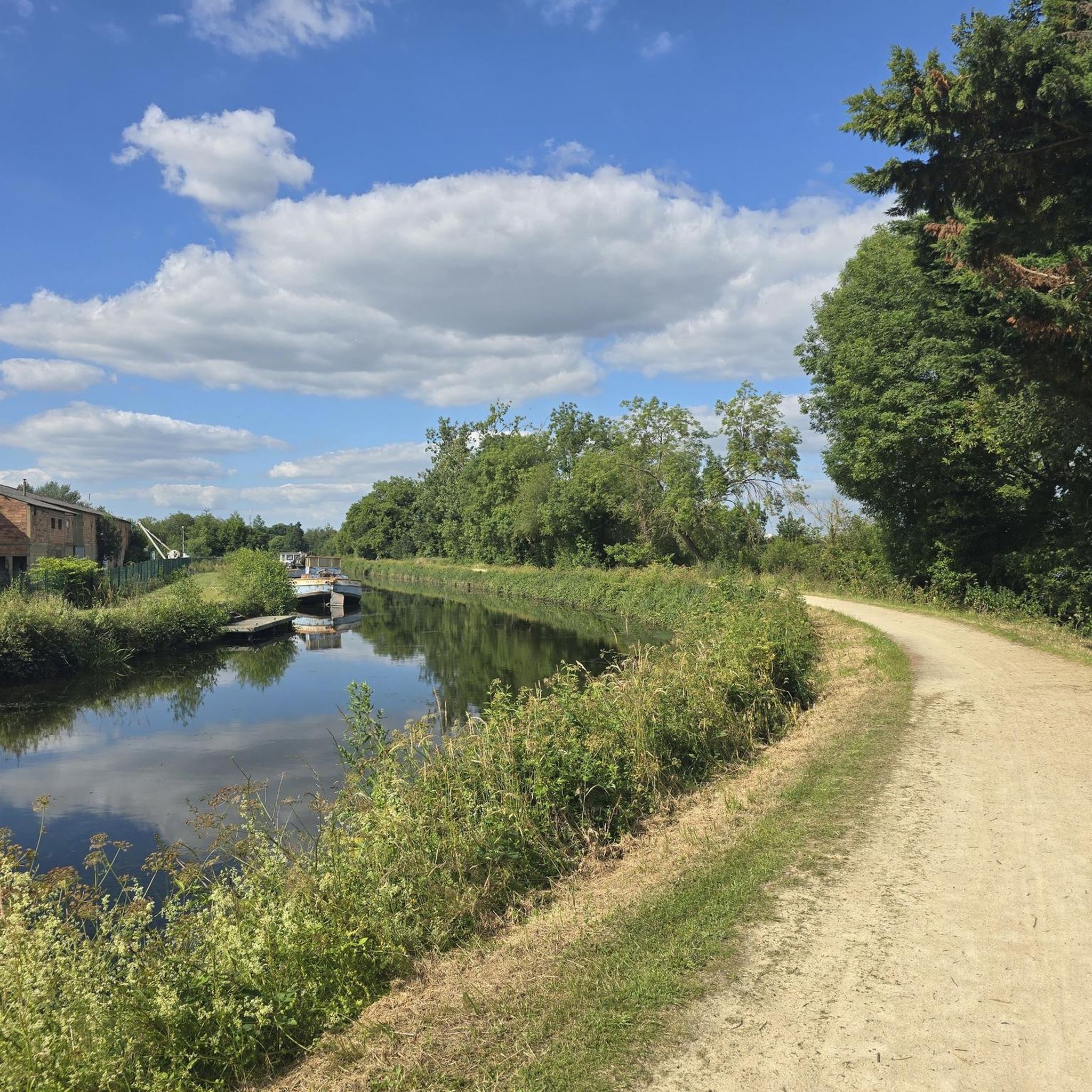
The drawbridge at the Cicé lock
Highlight • Bridge
This allows you to reach Chavagne from the Vilaine towpath (and vice versa).
Note that this part of the Vilaine is …
Translated by Google •
Tip by

The Maltière Execution Hill
Highlight • Other
Translated by Google •
Tip by

Sign up now to discover places like this
Get recommendations on the best single tracks, peaks, & plenty of other exciting outdoor places.
Sign up for free
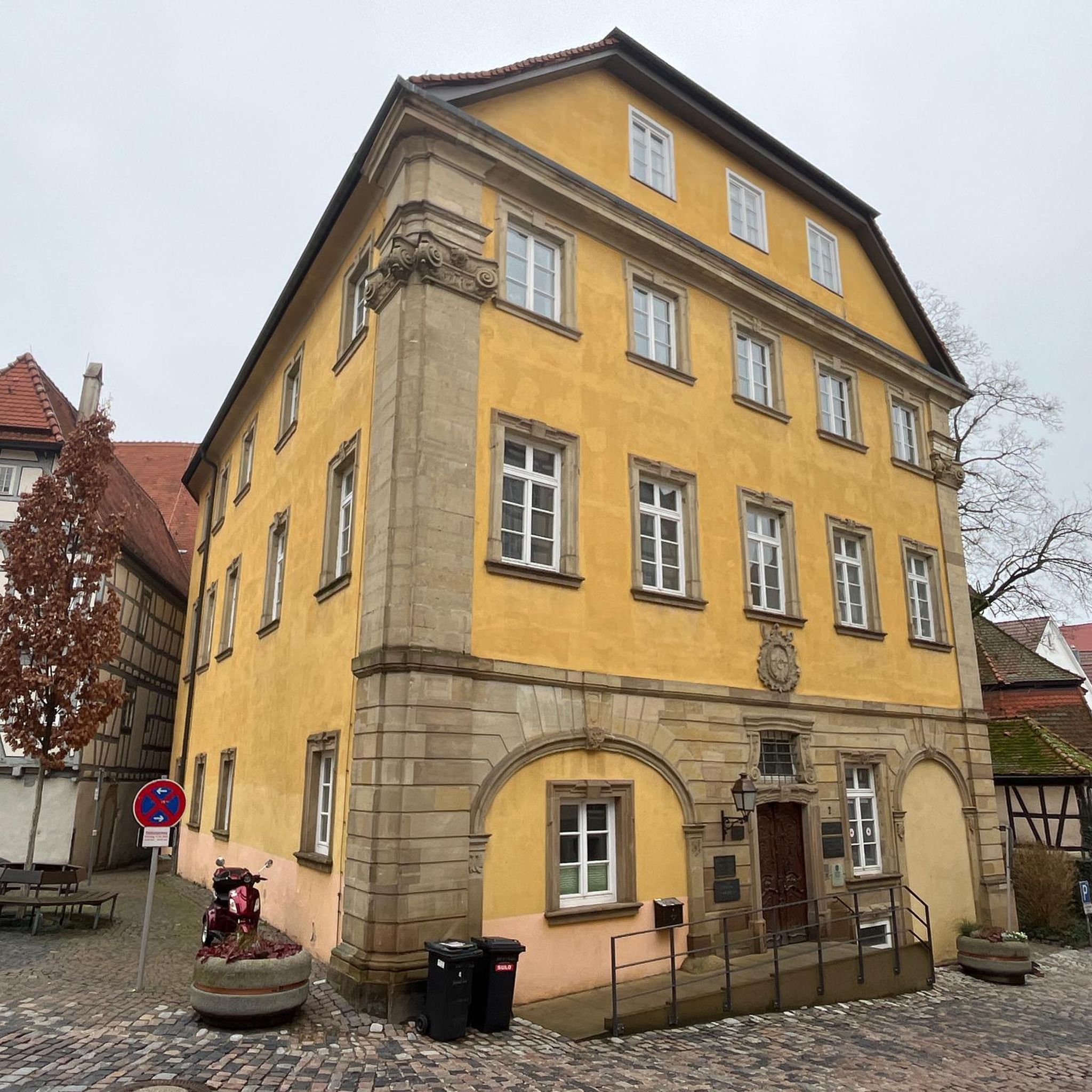
Saint-Georges Palace
Highlight • Other
Translated by Google •
Tip by

Catholic Church - St. Justine of Gévezé
Highlight • Other
Translated by Google •
Tip by

Lime kilns
Highlight • Other
Translated by Google •
Tip by
Sign up for free to discover even more attractions around L'Hermitage.
Sign up for free
Already have an account?
Start today with a free account
Your next adventure awaits.
Login or Signup

Tips from the Community

Hello everyone, The bridge has been dismantled for two years, undergoing repairs in the navigation workshops. I hope to see it again one day.
0
0

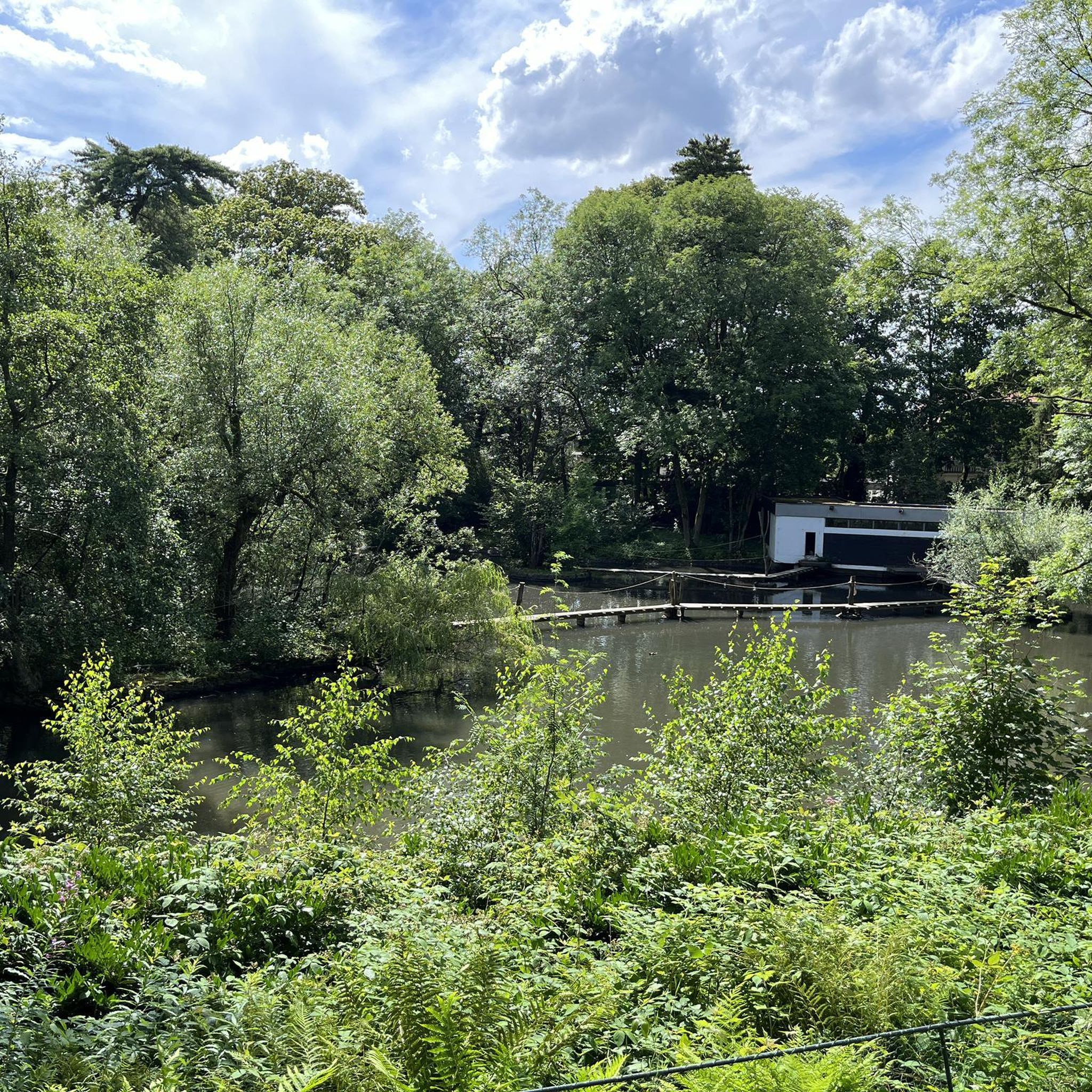
The Palais Saint-Georges has the Jardin Saint Georges at its feet.
1
1

This 17th century palace has had several lives: abbey, barracks and today the headquarters of various municipal services.
0
0

Cicé lock in Bruz. Possibility of crossing the Vilaine on foot or by bike.
0
0
The oldest remains of the parish church of Sainte-Justine de Gévezé date from the 12th century, notably a bay in the south wall of the nave. The Sainte-Justine Church was rebuilt in the 15th and 16th centuries, of which it retains some elements of its framework, or even gargoyles and crossettes with fantastic animal shapes. A tower had been built between 1614 and 1628. This one threatening to fall into ruins was rebuilt in the middle of the 19th century, in a different place: the bottom of the nave. The plans and specifications for this new porch bell tower were drawn up by Jacques Mellet who took delivery of the work in 1858. (wiki-rennes.fr)
0
0

Saint Justine is a 1st century martyr in Padua. Baptized in Padua by a disciple of Saint Peter, she remained firmly faithful to faith in Jesus Christ at the time of the persecutions. For her faith, she was pierced with a sword. The fame of his so lively faith spread throughout the Roman Empire, as far as Gaul, despite the hostile climate towards Christians. In Gévezé, the oldest remains of the church date from the 12th century, notably a bay in the south wall of the nave. The Sainte-Justine Church was rebuilt in the 15th and 16th centuries, of which it retains some elements of its framework, or even gargoyles and crossettes with fantastic animal shapes. A tower had been built between 1614 and 1628. This one threatening to fall into ruins was rebuilt in the middle of the 19th century, in a different place: the bottom of the nave. The Sait-Justine church housed two side altars dedicated to the Virgin and Saint Anne, made of stone and marble by the Rennes sculptor Bernard Dupont in 1637. They were demolished in 1783, by kind rationalist supporters of the Fraternal Republic and democratic.
1
0

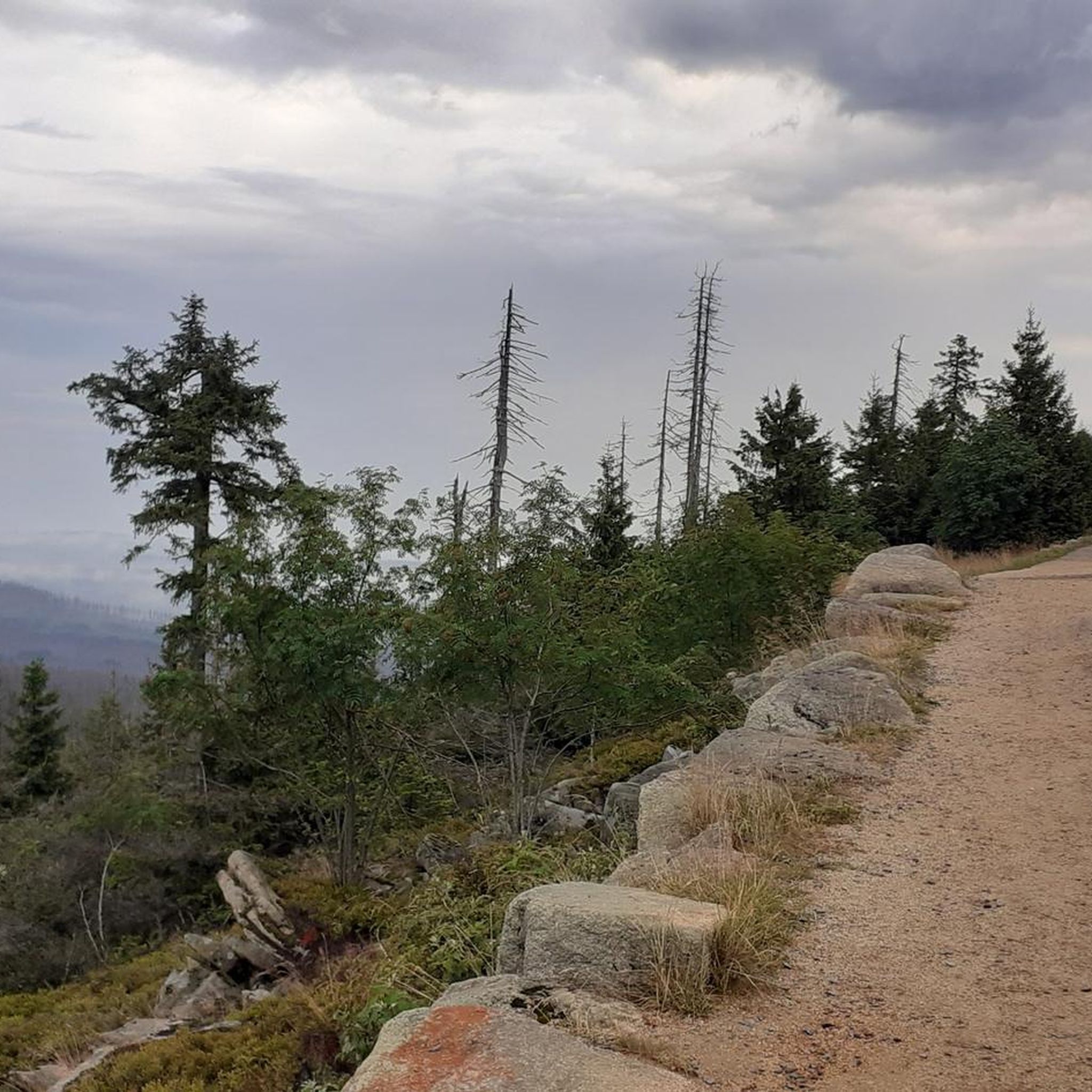
Built in 1937 by the French soldiers to make it a shooting range, the Butte de la Maltière became in 1940 a very important place for the city of Saint-Jacques de la Lande and for its history. Indeed, on June 18, 1940 when the Germans arrived in Rennes - and therefore St-Jacques - they invaded the Butte de la Maltière and remained there until August 4, 1944, the day of the Liberation of Rennes. By taking control of St-Jacques, the Germans got into the habit of coming to shoot the resistance fighters who bothered them there. The first man shot was on July 17, 1940 and was called Marcel Brossier, sentenced to death for having cut a telephone cable. It was the same fate for 75 other resistance fighters, mostly from Ille-et-Vilaine. The shooting that most marked public opinion in Rennes and St-Jacques was that of December 30, 1942. On that day, 25 resistance fighters aged 19 to 43 were killed.
0
1
Built in 1937 by the French soldiers to make it a shooting range, the Butte de la Maltière became in 1940 a very important place for the city of Saint-Jacques-de-la-Lande and for its history. Indeed, on June 18, 1940 when the Germans arrived in Rennes - and therefore St-Jacques - they invaded the Butte de la Maltière and remained there until August 4, 1944, the day of the Liberation of Rennes. By taking control of St-Jacques, the Germans got into the habit of coming to shoot the resistance fighters who bothered them there. The first man shot was on July 17, 1940 and was called Marcel Brossier, sentenced to death for having cut a telephone cable. It was the same fate for 75 other resistance fighters, mostly from Ille-et-Vilaine.
0
0
Frequently Asked Questions
What historical sites can I visit around L'Hermitage?
L'Hermitage, Ille-et-Vilaine, offers several significant historical sites. You can explore the Saint-Georges Palace, a former abbey residence now serving as an administrative building with a public garden. Another important site is The Maltière Execution Hill, which holds a somber history as a shooting range and execution site during World War II. Additionally, the Catholic Church - St. Justine of Gévezé, rebuilt in the 15th and 16th centuries, showcases historical architectural elements like gargoyles and crossettes.
Are there any family-friendly attractions in the L'Hermitage area?
Yes, the area around L'Hermitage has attractions suitable for families. The drawbridge at the Cicé lock is a unique feature that allows passage across an artificial canal and connects to the Vilaine towpath, which is great for walking or cycling with children.
What natural features or unique landscapes can I discover near L'Hermitage?
Near L'Hermitage, you can visit the Lime kilns, a former industrial site that has been rehabilitated and is now integrated into the environment. This site is known for its limestone subsoil, which supports a particular flora, including rare orchids, and is classified as a Natural Zone of Ecological Floristic and Fauna Interest (ZNIEFF). You might also spot various bird species and bats in the old industrial buildings.
What outdoor activities, like running or cycling, can I do near these attractions?
The L'Hermitage area is excellent for outdoor activities. You can find numerous routes for running, gravel biking, and mountain biking. For running, explore options like the 'Le CRAPA loop' or 'Pumptrack de l'Hermitage loop'. Gravel biking enthusiasts can enjoy routes such as 'L'Ille – Ille-et-Rance Canal loop'. If you prefer mountain biking, consider trails like 'Vallon de la Rohuel' or 'Apigné lock – Cicé Ponds loop'. You can find more details and specific routes in the Running Trails around L'Hermitage, Gravel biking around L'Hermitage, and MTB Trails around L'Hermitage guides.
Are there any walking or hiking routes that are easily accessible?
Yes, the area offers accessible routes, particularly along the artificial canal. The drawbridge at the Cicé lock connects to the Vilaine towpath, which is ideal for walking or cycling. This path allows you to reach Chavagne and offers a flat, easy route for various activities.
What do visitors say about the drawbridge at the Cicé lock?
Visitors find the drawbridge at the Cicé lock to be a surprising and convenient feature. It allows easy crossing of the Cicé lock, connecting to the Vilaine towpath for walking or cycling. Locals even offer to help discover these magnificent places, highlighting its appeal for outdoor enthusiasts.
What is the significance of The Maltière Execution Hill?
The Maltière Execution Hill is a site of profound historical importance for Saint-Jacques-de-la-Lande. Originally built as a shooting range by French soldiers in 1937, it was taken over by Germans in 1940 during World War II. It became a place where resistance fighters were executed, with the first recorded execution on July 17, 1940. The site commemorates the 75 resistance fighters who lost their lives there, including a particularly tragic event on December 30, 1942, when 25 resistance fighters were killed.
Can I visit the Saint-Georges Palace, and what can I expect to see there?
The Saint-Georges Palace is a historic building in Rennes, originally an abbey completed in 1670. While it now serves as an administrative building for the municipality, its garden to the south is open to the public. You can admire the impressive architecture and enjoy the beautiful green area in front of the palace.
Are there any religious landmarks in the L'Hermitage area?
Yes, the Catholic Church - St. Justine of Gévezé is a notable religious landmark. Its oldest remains date back to the 12th century, with significant rebuilding in the 15th and 16th centuries. Visitors can observe elements of its original framework, gargoyles, and crossettes, which showcase the historical artistry of the region.
What is the history behind the Lime kilns attraction?
The Lime kilns site was an important industrial center from 1853, exploiting the local limestone subsoil to produce quicklime for agriculture and hydraulic lime for construction. At its peak in the early 20th century, it was the largest lime production company in Brittany, with 14 kilns and 150 workers. It closed in 1938 and has since been rehabilitated, becoming a protected natural area.
What kind of cycling opportunities are available around L'Hermitage?
L'Hermitage offers diverse cycling opportunities. The Vilaine towpath, accessible via the drawbridge at the Cicé lock, provides a pleasant route for casual cycling. For more adventurous riders, there are dedicated guides for Gravel biking around L'Hermitage and MTB Trails around L'Hermitage, featuring routes of varying difficulty, such as the 'L'Ille – Ille-et-Rance Canal loop' for gravel and 'Vallon de la Rohuel' for mountain biking.
Most popular routes around L'Hermitage
Most popular attractions around L'Hermitage

Get inspired with the komoot mobile app


Explore more
Still not found the Highlight you’re looking for? See guides of the top attractions in other regions:
