Attractions and Places To See around Grangues - Top 20
Attractions and places to see around Grangues offer a blend of historical charm and natural beauty in the heart of Calvados, Lower Normandy. This tranquil commune provides opportunities for exploring cultural sites and engaging in outdoor activities. The region features historic landmarks, picturesque villages, and various walking and cycling routes. Visitors can discover a range of attractions, from ancient châteaux to scenic natural features.
Best attractions and places to see around Grangues
- The most popular attractions is Beuvron-en-Auge, a…
Last updated: July 6, 2026
Cabourg Casino Gardens
Highlight • Monument
Translated by Google •
Tip by

Beuvron-en-Auge
Highlight • Settlement
Translated by Google •
Tip by

Sign up now to discover places like this
Get recommendations on the best single tracks, peaks, & plenty of other exciting outdoor places.
Sign up for free
Belle Époque villas in Houlgate
Highlight • Historical Site
Translated by Google •
Tip by
Landry Mill
Highlight • Monument
Translated by Google •
Tip by

Saint Martin's Church
Highlight • Other
Translated by Google •
Tip by

Sign up for free to discover even more attractions around Grangues.
Sign up for free
Already have an account?
Start today with a free account
Your next adventure awaits.
Login or Signup


Tips from the Community

Sometimes the most important thing is to be able to use a platform without having to learn complicated procedures. An organized environment helps you move around more calmly. On [url=https://dragonia-italia.it/]dragonia-italia.it[/url] everything seems designed to be simple and intuitive. The clear structure makes using it smoother and more natural. For many users, this represents a concrete advantage.
0
0

Beuvron-en-Auge is a French municipality with 203 inhabitants (as of January 1, 2023) in the Calvados department in the Normandy region. The village belongs to the most beautiful villages in France.
0
0

Super pretty village listed among "the most beautiful villages in France." Numerous food and art shops.
0
0

Beautiful church with well-kept surroundings.
1
0


Very pretty little village with cafes, restaurants bakers and a few gift shops
0
0

Near Cabourg, in the Calvados, lies Beuvron-en-Auge, an authentic village with many half-timbered houses that have been carefully restored. Very touristy, and a nice start to possibly go cycling or driving the cider route (about 40km).
0
0

Great city with its shopping street Avenue de la Mer. A great bakery: Chez Meunier.
0
0
Frequently Asked Questions
What historical sites can I visit in and around Grangues?
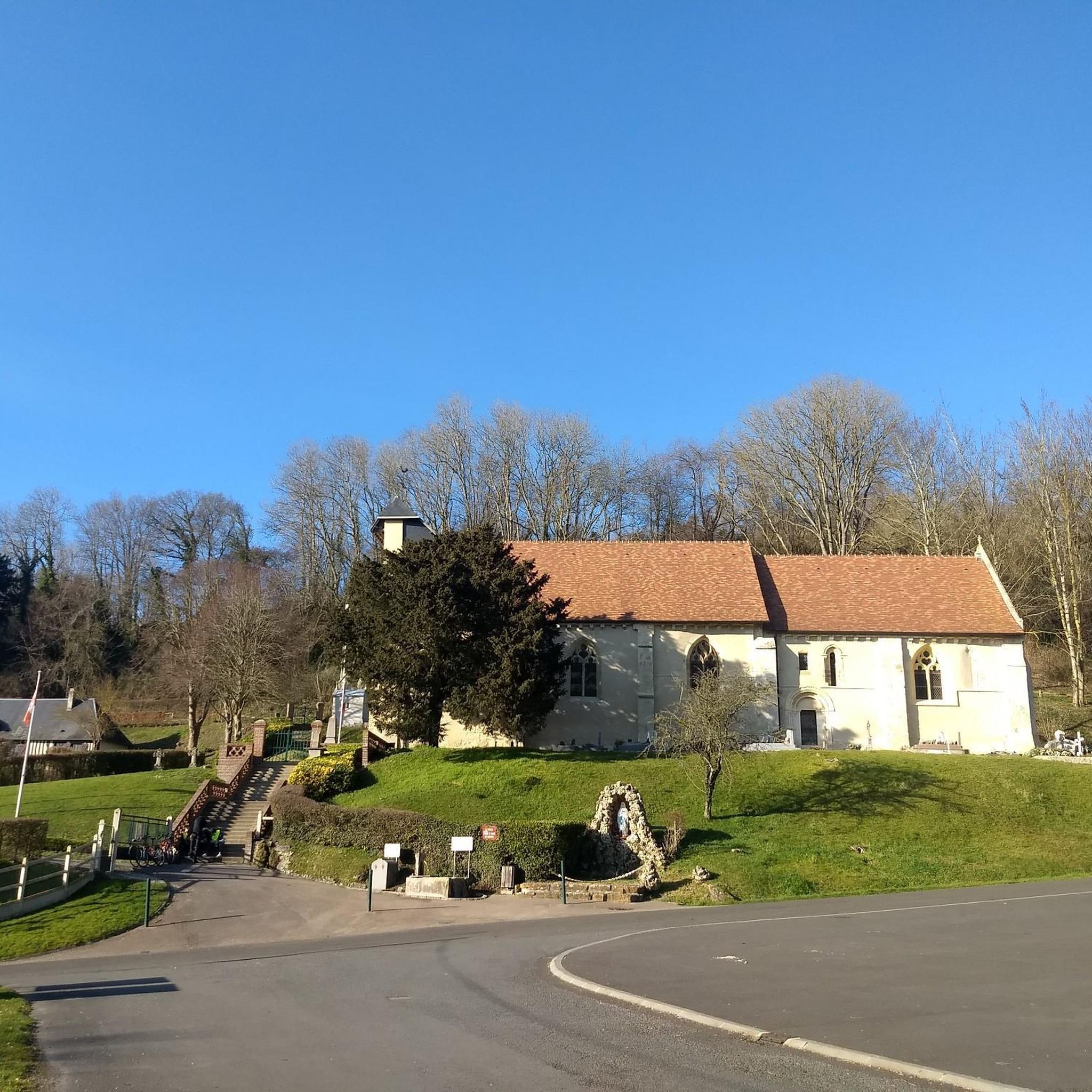
Grangues and its surroundings are rich in history. You can explore the 19th-century neo-Gothic Saint Martin's Church, known for its stained-glass windows and intricate carvings. Nearby, the Landry Mill, a former watermill transformed into a neo-Norman mansion, stands as a beautiful historical landmark. Additionally, the Belle Époque villas in Houlgate offer a glimpse into late 19th-century seaside resort architecture.
Are there any picturesque villages to visit near Grangues?
Yes, just a short distance from Grangues is Beuvron-en-Auge, classified as one of “The Most Beautiful Villages in France.” It's renowned for its typical and well-preserved half-timbered houses, making it perfect for a scenic stopover.
What kind of outdoor activities can I do around Grangues?
The region around Grangues is excellent for outdoor enthusiasts. You can find various routes for gravel biking, mountain biking, and running. For example, there are moderate gravel biking routes like the 'Orne Cycle Path – Orne Bay loop from Houlgate' or mountain biking trails such as the 'Pegasus Bridge – Orne Bay loop from Dives-sur-Mer Port-Guillaume'. Runners can enjoy routes like the 'Houlgate Beach – Landry Mill loop from Houlgate'. You can find more details on these activities in the Gravel biking around Grangues, MTB Trails around Grangues, and Running Trails around Grangues guides.
Are there easy walking paths suitable for beginners or families near Grangues?
Yes, there are several easy walking paths. The 'Le lavoir' route is a 7.3 km easy walk that takes about 2 hours, allowing you to discover sources and wash houses while crossing waterways on small bridges. Another option is the 'Sentier nature des Vaches noires', which explores hedged meadows and their abundant plant life.
Where can I find Belle Époque architecture near Grangues?
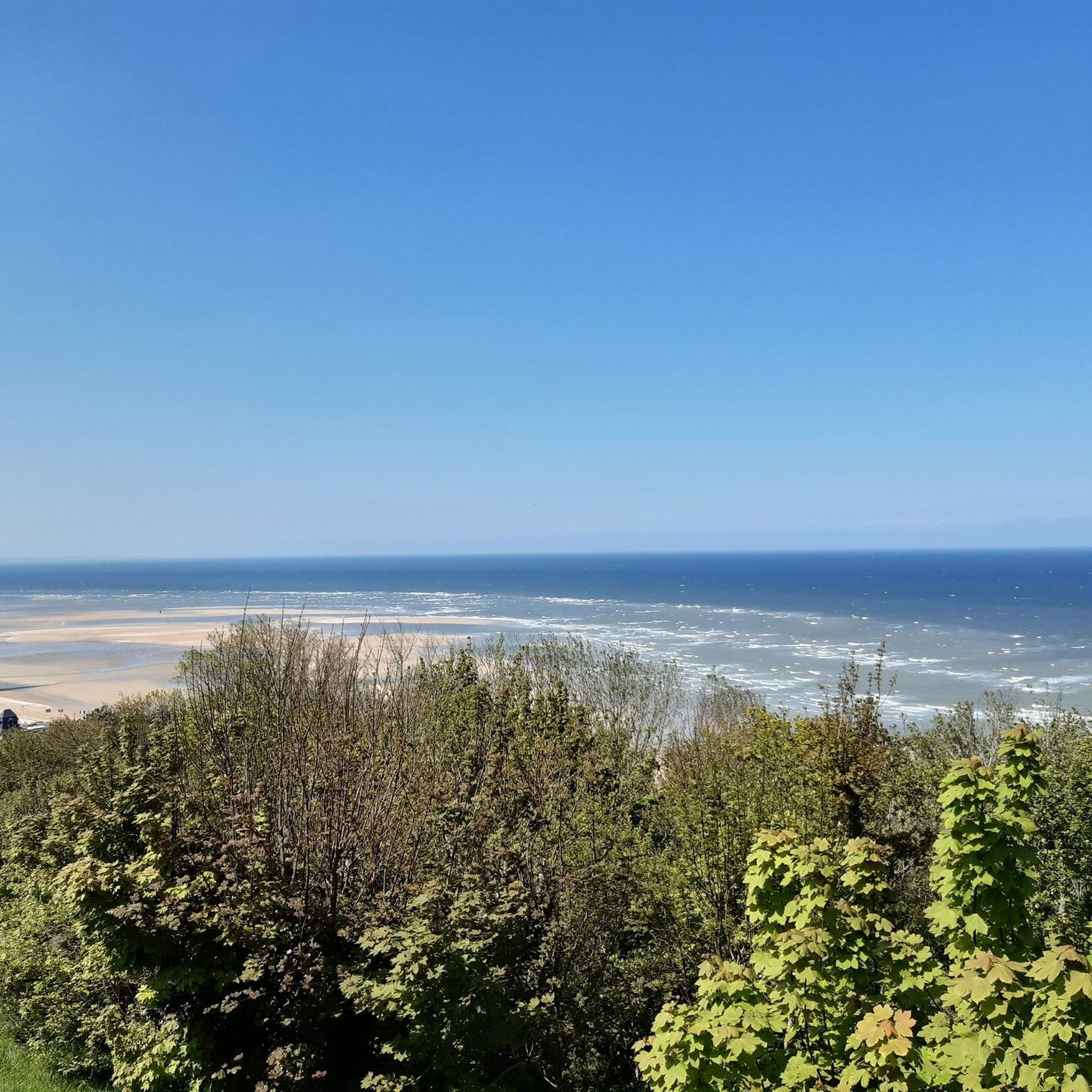
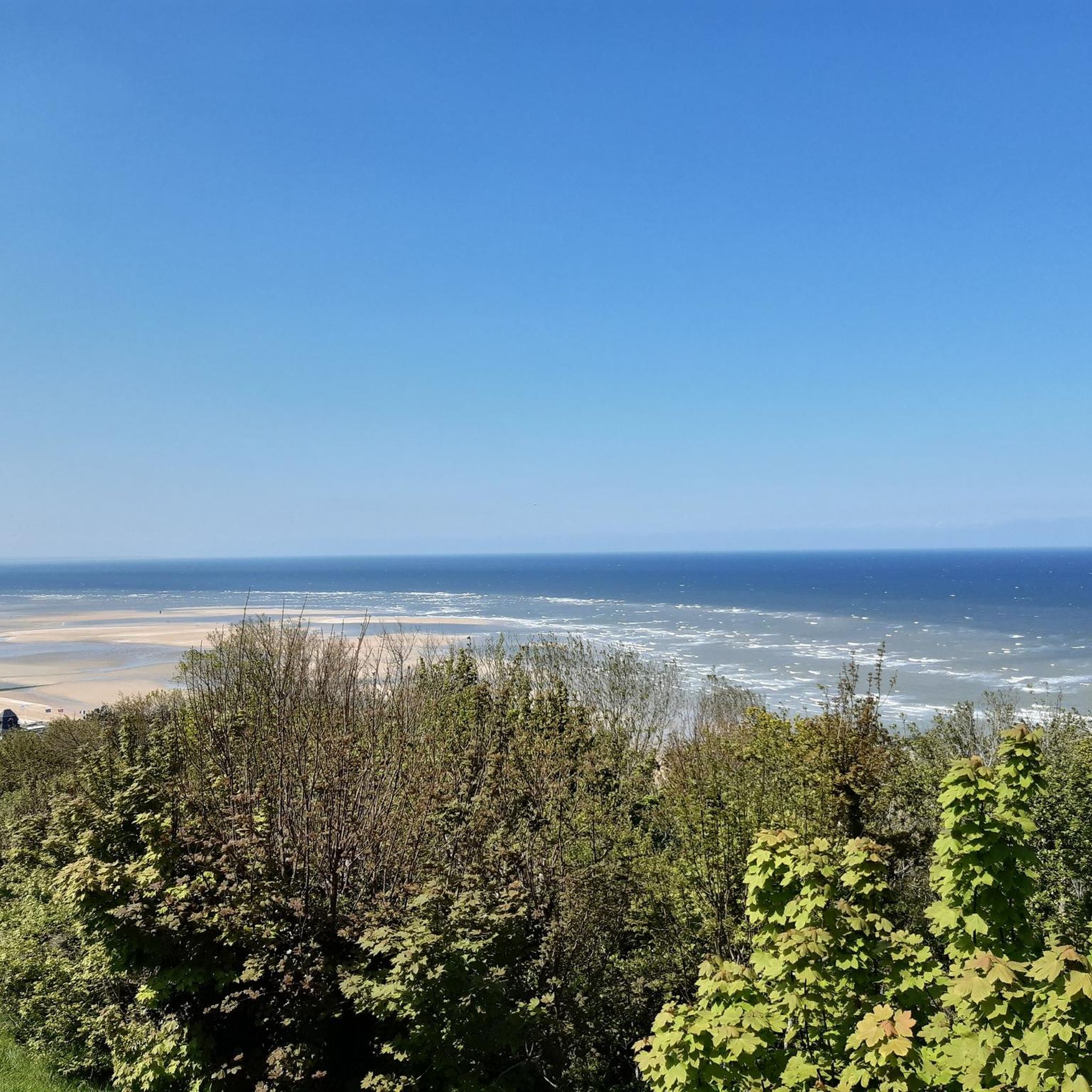
You can find stunning Belle Époque architecture in nearby Houlgate, particularly among the Belle Époque villas in Houlgate. This classic seaside resort retains the atmosphere of that era with its grand hotels, casino, and numerous well-preserved villas built between 1860 and 1914. Additionally, Cabourg Casino Gardens are surrounded by streets lined with buildings from the Second Empire and the Belle Époque.
What is unique about Cabourg's urban design?
Cabourg features a distinctive urban design centered around the Cabourg Casino Gardens. The town was planned with a semicircular layout, and the streets radiating from the gardens are lined with buildings from the Second Empire and the Belle Époque. This unique design has been preserved since its development in the mid-19th century.
Can I find coastal cycling routes near Grangues?
Yes, sections of 'La Vélomaritime', a coastal bike route, are accessible nearby. An easy 3.9 km path connects Dives-sur-Mer to Cabourg, taking about 30 minutes. For a longer ride, a 29 km route from Dives-sur-Mer to Deauville offers magnificent views of the Côte Fleurie.
Are there any significant D-Day related sites in Grangues?
While the Château de Grangues itself was occupied by German forces during D-Day and gliders carrying Allied soldiers crashed nearby, the château is a private property and not open for public visits. However, the historical significance of the area during D-Day is notable.
What do visitors enjoy most about the attractions around Grangues?
Visitors particularly appreciate the blend of historical charm and natural beauty. The picturesque village of Beuvron-en-Auge is often highlighted for its beauty and preserved half-timbered houses. The architectural heritage, such as the Belle Époque villas in Houlgate, also receives high praise for offering a unique glimpse into the past.
Are there any viewpoints or scenic hikes offering panoramic views?
Yes, the 'Le bois de Dozulé' is a medium-difficulty 14 km hiking route that takes approximately 4 hours and offers panoramic views of Dozulé and the surrounding countryside.
What is the best time to visit Grangues and its attractions?
The region is generally pleasant to visit from spring through early autumn (April to October) when the weather is mild and conducive to exploring historical sites and enjoying outdoor activities like walking and cycling. Many attractions, especially the coastal resorts, are vibrant during the summer months.
What is the historical significance of Dives-sur-Mer, near Grangues?
Dives-sur-Mer is historically significant as the harbor from which William the Conqueror's fleet departed for England in 1066. The town also boasts a wealth of listed monuments, including a medieval market, the Bois-Hibout Manor, and the 11th-century Church of Notre-Dame.
Most popular routes around Grangues
Most popular attractions around Grangues

Get inspired with the komoot mobile app


Explore more
Still not found the Highlight you’re looking for? See guides of the top attractions in other regions:
