The best cycling routes around Saint-Jean-Pied-De-Port
4.6
(120)
1,359
riders
64
rides
Touring cycling routes around Saint-Jean-Pied-De-Port are situated in the French Basque Country, at the base of the Pyrenees Mountains. The region features significant elevation changes, with challenging mountain passes such as Col de Gamia and Bagargiak Pass. Green valleys, forests, and the Nive River characterize the lower elevations, offering varied terrain for cyclists.
Best touring cycling routes around Saint-Jean-Pied-De-Port
- The most popular touring cycling route is Col de Gamia Loop from Saint-Jean-Pied-de-Port, a 29.0 miles (46.7 km) trail that takes 3 hours 17 minutes to complete. This difficult route includes significant climbs over mountain passes.
- Another top favourite among local touring cyclists is Porte Notre-Dame – View of the Ibañeta Pass loop from Saint-Jean-Pied-de-Port, a difficult 25.5 miles (41.0 km) path. This route offers views towards the Ibañeta Pass and the surrounding Pyrenean landscape.
- Local touring cyclists also love the Porte Saint-Jacques – Bagargiak Pass loop from Saint-Jean-Pied-de-Port, a 40.8 miles (65.6 km) trail leading through the Pyrenees, often completed in about 4 hours 59 minutes.
- Touring cycling around Saint-Jean-Pied-De-Port is defined by Pyrenees mountain passes, green valleys, and the Nive River. The network offers options for various ability levels, from easier rides to challenging climbs.
- The routes in Saint-Jean-Pied-De-Port are highly rated by the komoot community with an average score of 4.6 stars from over 100 reviews. More than 1300 touring cyclists have used komoot to explore Saint-Jean-Pied-De-Port's varied terrain.
Last updated: July 20, 2026
4.2
(9)
38
riders
46.7km
03:17
840m
830m
Hard bike ride. Very good fitness required. Mostly paved surfaces. Suitable for all skill levels.
4.8
(9)
104
riders
46.2km
03:40
1,270m
1,270m
Hard bike ride. Very good fitness required. Mostly paved surfaces. Suitable for all skill levels.

Sign up for free
4.8
(4)
124
riders
64.8km
05:10
1,770m
1,770m
Hard bike ride. Very good fitness required. Mostly paved surfaces. Suitable for all skill levels.
4.4
(44)
284
riders
41.5km
03:17
1,070m
1,070m
Hard bike ride. Very good fitness required. Mostly paved surfaces. Suitable for all skill levels.
5.0
(2)
101
riders
147km
11:18
3,810m
3,810m
Hard bike ride. Very good fitness required. Mostly paved surfaces. Suitable for all skill levels.
Get access to more routes and recommendations from other explorers.
Sign up for free
Already have an account?
Our route recommendations are based on thousands of hikes, rides, and runs completed by other people on komoot.
Start today with a free account
Your next adventure awaits.
Login or Signup
Popular around Saint-Jean-Pied-De-Port
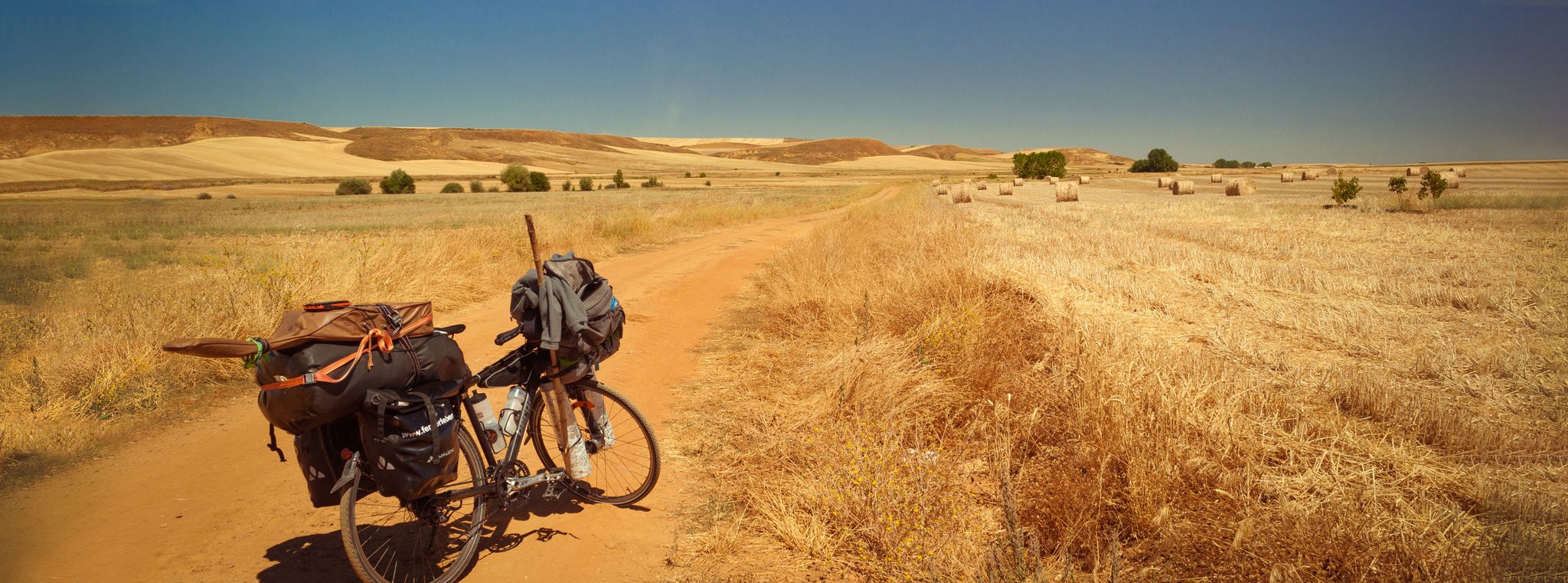
Camino Francés and Camino Finisterre – Cycling pilgrimages in Spain
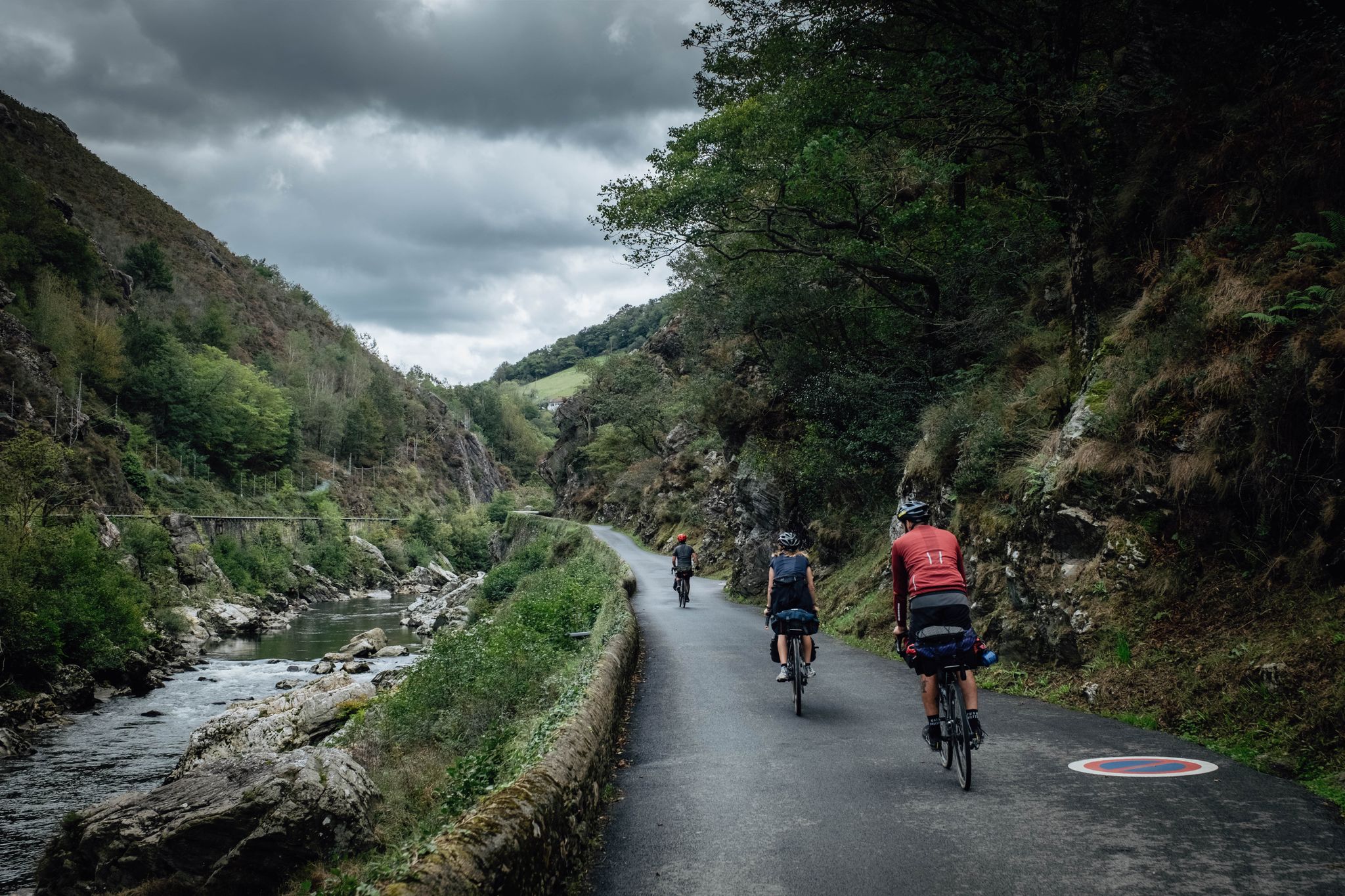
The flavours of France’s southwest – cycling through the delicacies
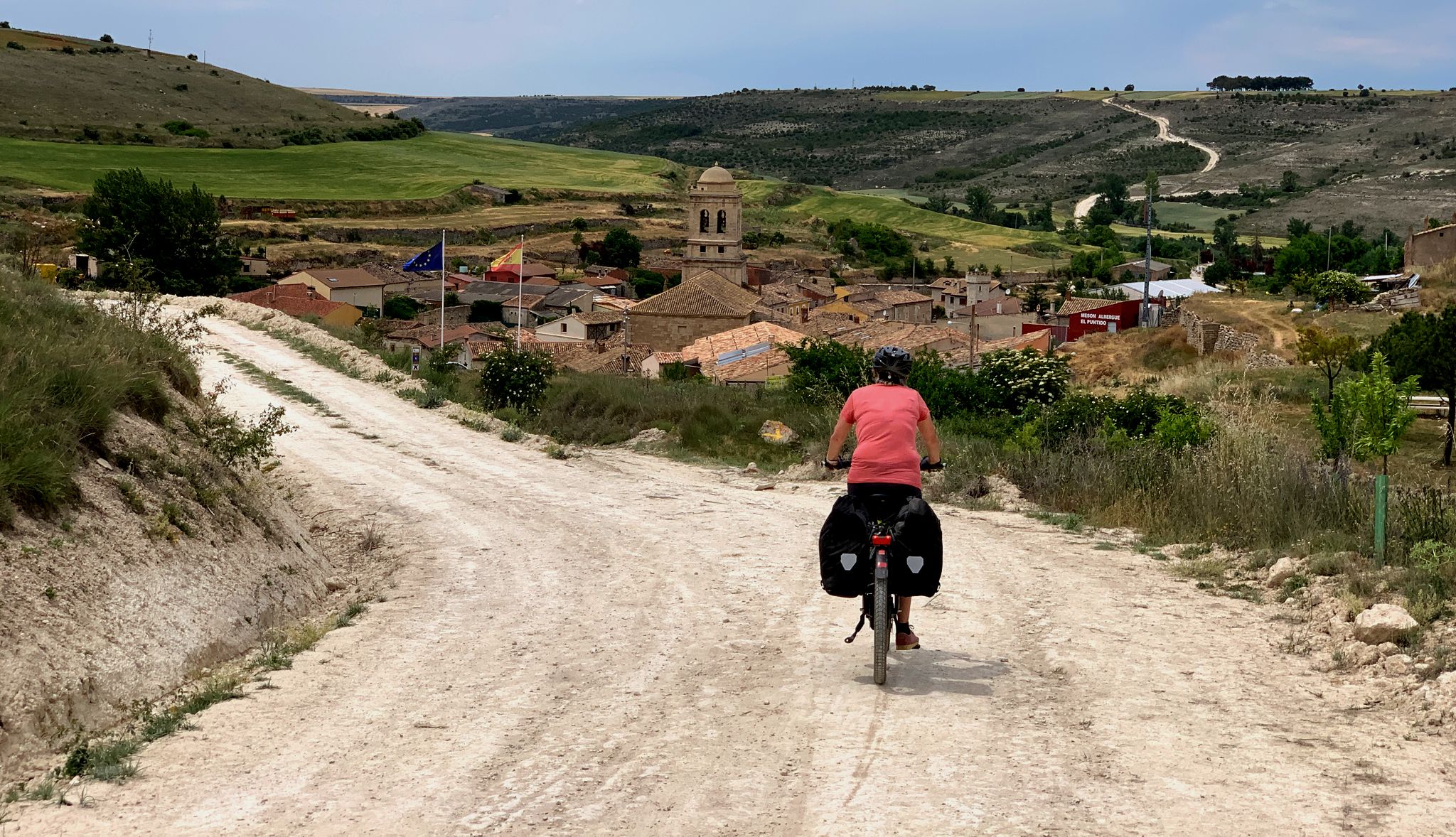
The Pilgrim Route — EuroVelo 3 through Spain
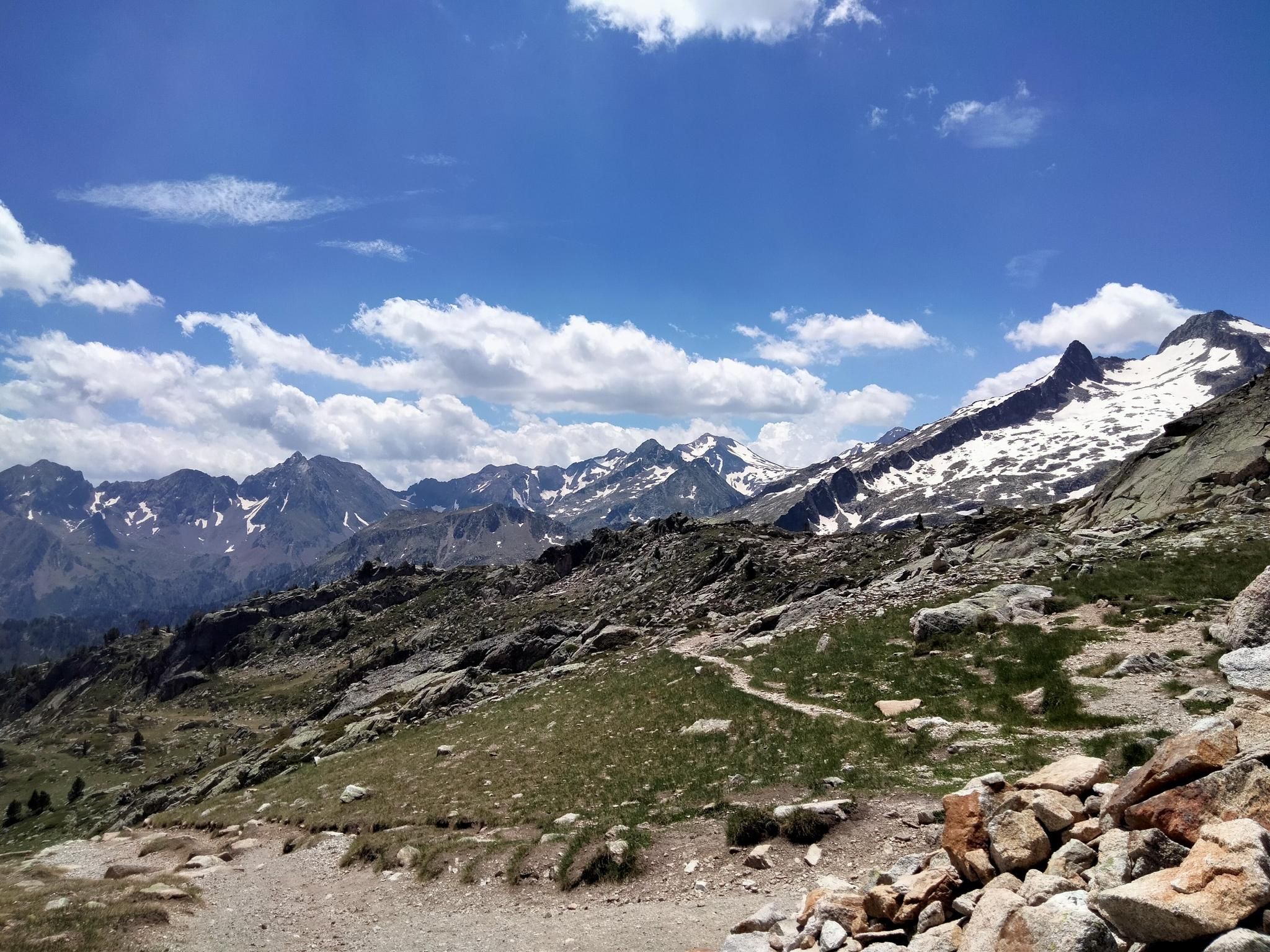
Hexatrek, the western and central Pyrenees – Between mountains and the ocean
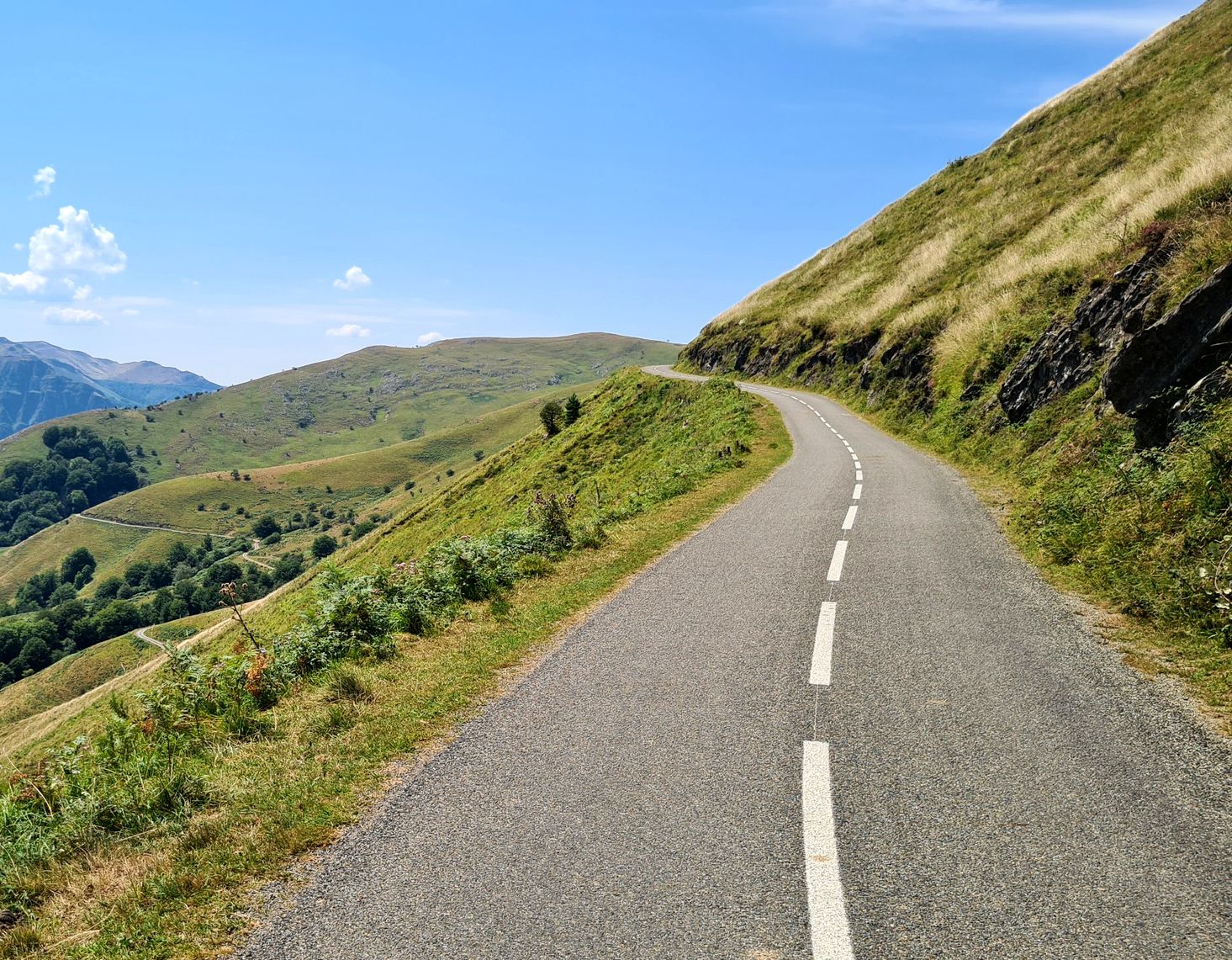
Basque Country mountain passes – Panorama rides
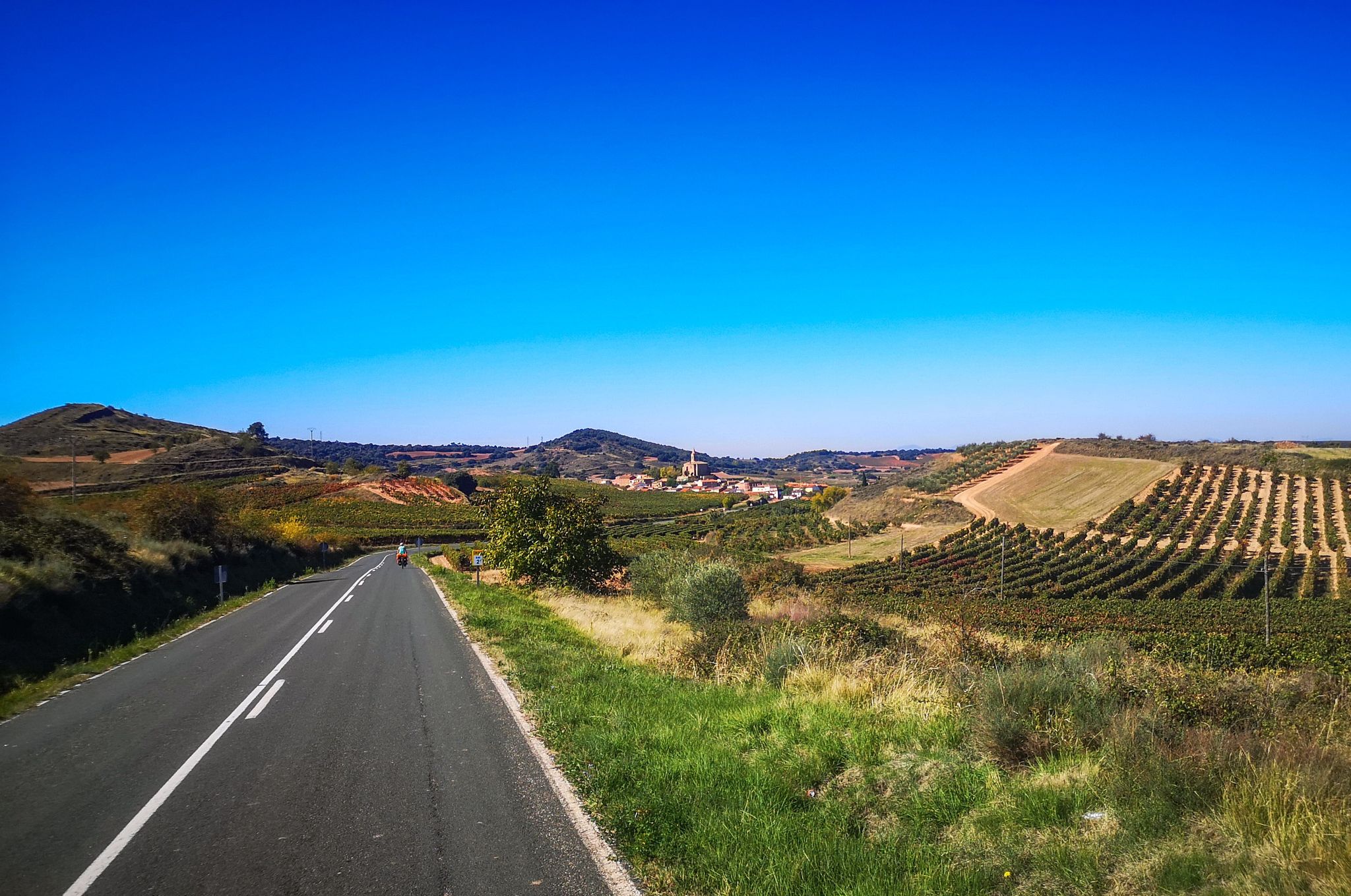
Santiago de Compostela – A journey through northern Spain (10 days)
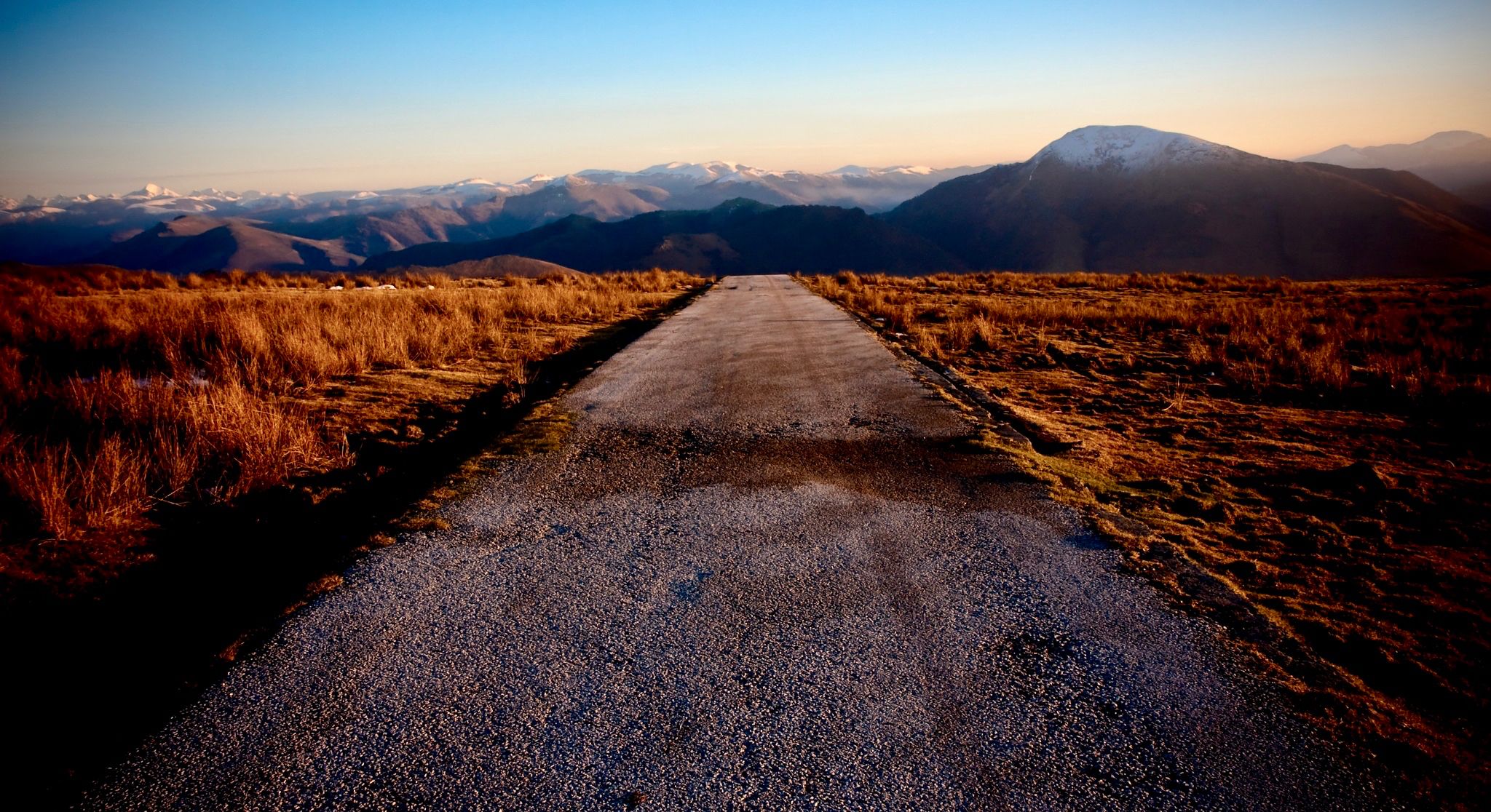
Coast to coast across the Pyrenees on your road bike
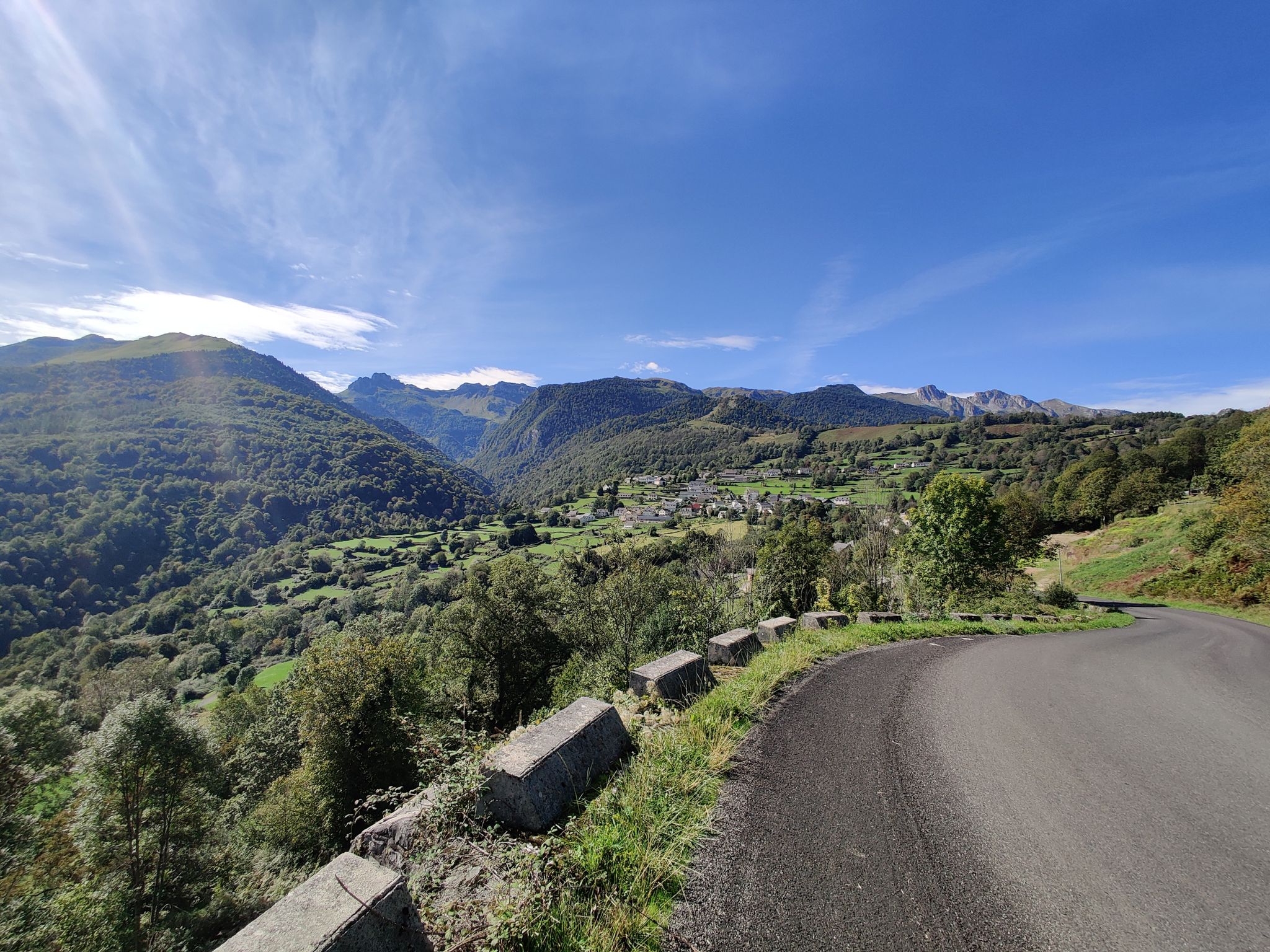
From the Atlantic to the Mediterranean – Route des Cols in the Pyrénées
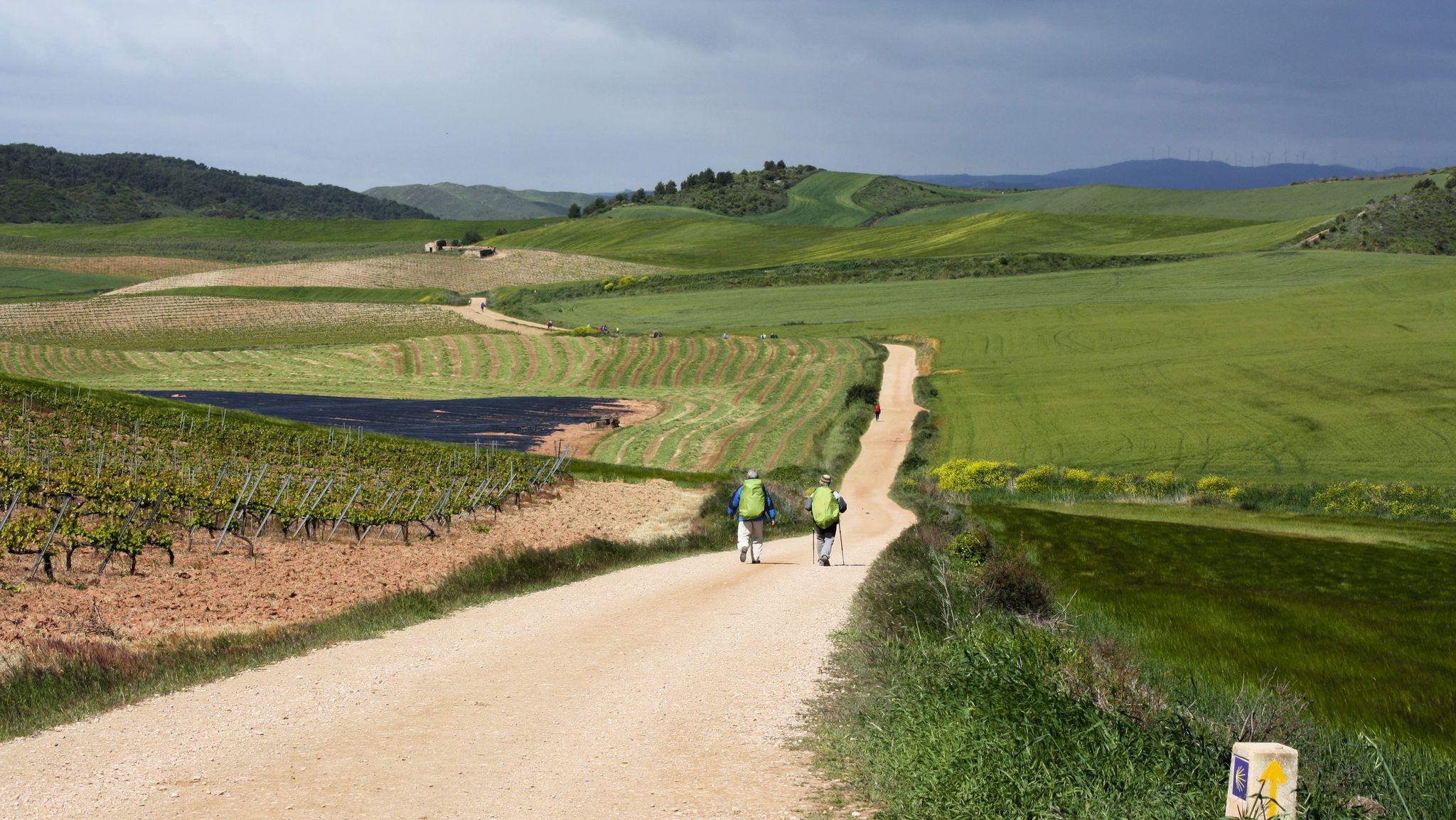
An Iberian pilgrimage – French Way of Saint James
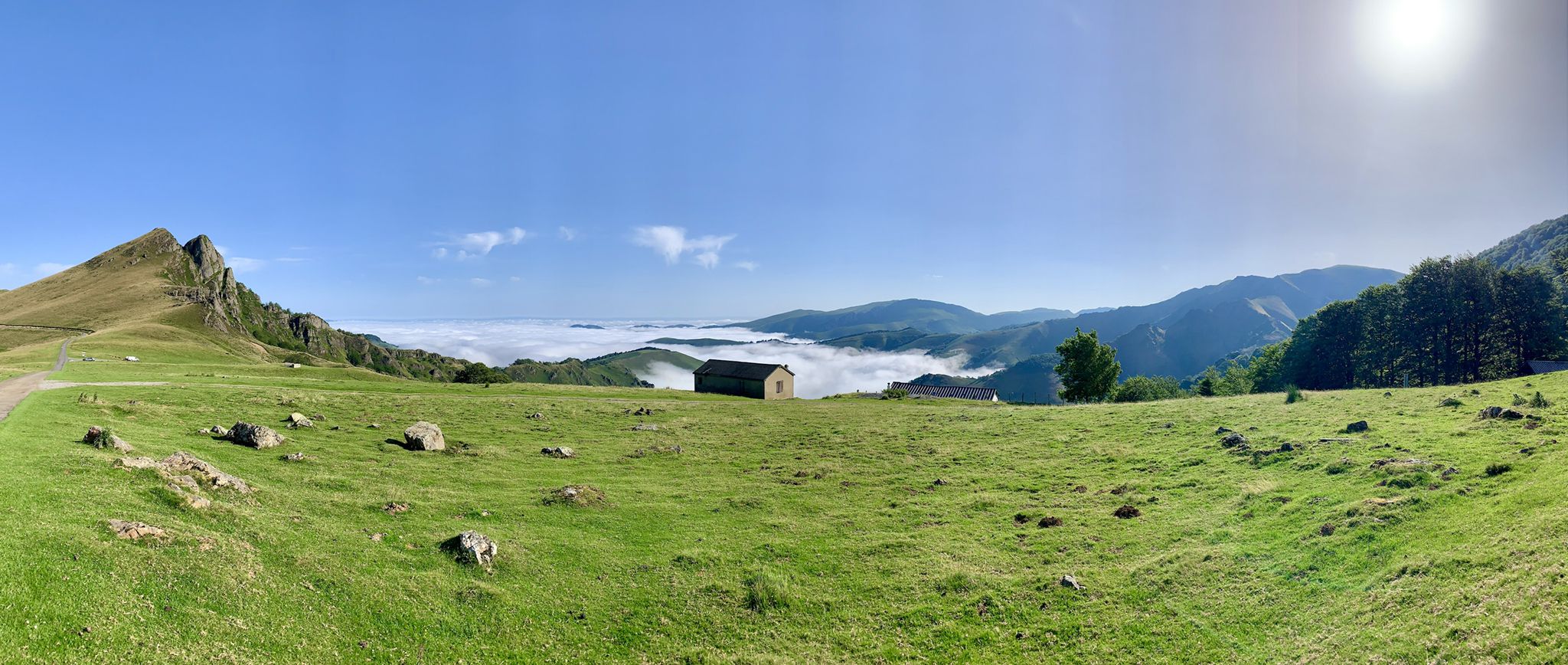
The Western Pyrenees – crossing the Pyrenees on the GR 10
Other adventures around Saint-Jean-Pied-De-Port


Tips from the Community

The route continues uphill to the top of the Ibaneta Pass
1
0

Pretty little lake located in the forest, at the edge of the road.
0
0

As you hike, approach the Saint-Jean-Pied-de-Port gate for a truly historic experience. This iconic entrance, known as the Porte Saint-Jacques, welcomes you with its impressive stone arch. Take time to admire the gate’s old-world charm and the stunning views of the surrounding Basque countryside before exploring the cobbled streets of this picturesque town.
0
0

Roncesvalles, also known as Orreaga in Basque, is a small town in the region of Navarra, northern Spain. It is best known for the legendary Battle of Roncesvalles in 778, where Charlemagne's rearguard was defeated. This historical and spiritual site is also an important starting point for the Camino de Santiago, the famous pilgrimage route to the tomb of Saint James in Galicia. In Roncesvalles you can admire the impressive Gothic collegiate church of Santa María de Roncesvalles, where the image of the Virgin of Orreaga is venerated. Other places of interest include the Church of Santiago, the Chapel of the Holy Spirit and the Museum-Treasury, where you can see relics, paintings and sculptures from different periods.
3
1

The monastery complex is an impressive building and worth a visit. There are also two cafés, a hotel and the pilgrims' hostel.
1
0
After a long climb, you finally make it to the Ibeneta Pass and can enjoy the view as a reward. Up here, there is a small chapel and a memorial stone to the knight Roland, who is said to have fallen here.
2
0
Auritz/Burguete is a charming village in the province of Navarra, northern Spain, known for its beautiful Pyrenean architecture and rich history. The village is located on the Camino de Santiago, just after Roncesvalles, and is known for its characteristic houses with steep roofs designed to prevent snow accumulation. Auritz/Burguete has suffered several fires over the centuries, so many of the current buildings are reconstructions from the 18th and 19th centuries. The famous writer Ernest Hemingway stayed here in the 1920s and described the village in his novel "The Sun Also Rises". The village offers a peaceful setting with beautiful forests and is an ideal place for nature lovers and pilgrims.
2
0

Magical place, one of my favorite French villages
2
0
Frequently Asked Questions
How many touring cycling routes are available around Saint-Jean-Pied-de-Port?
There are over 60 touring cycling routes in the Saint-Jean-Pied-de-Port region. These routes offer a variety of experiences, from challenging mountain climbs to more gentle rides through valleys.
Are there touring cycling routes suitable for beginners or families in Saint-Jean-Pied-de-Port?
Yes, while many routes feature significant elevation changes, there are 3 easy and 16 moderate touring cycling routes available. These often follow the Nive River or wind through green valleys, providing a less strenuous experience suitable for families or those new to touring cycling.
What kind of terrain can I expect on touring cycling routes in the Saint-Jean-Pied-de-Port region?
The terrain around Saint-Jean-Pied-de-Port is highly varied. You can expect significant climbs over Pyrenean mountain passes, picturesque rides along the Nive River, and journeys through green valleys and serene forests. Routes can include both paved roads and unpaved segments.
Are there challenging touring cycling routes for experienced cyclists?
Absolutely. The region is known for its challenging mountain climbs. There are 43 difficult touring cycling routes, many of which cross significant Pyrenean passes. An example of a demanding route is the Bagargui – Port de Larrau loop from Saint-Jean-Pied-de-Port, which features substantial elevation gains.
What are some notable natural features or viewpoints along the cycling routes?
The region offers breathtaking scenery. Cyclists can experience dramatic mountain backdrops of the Pyrenees, ride through green valleys, and enjoy views of the Nive River. Specific viewpoints include Superb view of the Pyrenees and the expansive vistas from Munhoa Summit.
Can I find circular touring cycling routes around Saint-Jean-Pied-de-Port?
Yes, many of the touring cycling routes in the area are designed as loops, allowing you to start and end in Saint-Jean-Pied-de-Port. For instance, the Col de Gamia Loop from Saint-Jean-Pied-de-Port is a popular circular option.
What cultural attractions can I explore while touring cycling in the region?
Saint-Jean-Pied-de-Port itself is a medieval town with cobbled streets, ancient ramparts, and historic gates like the Porte St-Jacques and Porte Notre-Dame. The town is also the traditional starting point of the Camino de Santiago's French Way. Cycling routes often pass through quaint traditional Basque villages, offering a glimpse into local culture.
What is the best time of year for touring cycling in Saint-Jean-Pied-de-Port?
The region is generally pleasant for cycling from spring through autumn. Summer offers warm weather, but spring and early autumn provide cooler temperatures and vibrant landscapes. Always check local weather forecasts, especially when planning to cross mountain passes.
Are there services like bike rentals or bag transport available for multi-day tours?
Yes, for those embarking on multi-day tours, services such as bike rentals (including e-bikes) and bag transport are available in Saint-Jean-Pied-de-Port, enhancing the touring experience and making longer journeys more manageable.
What do other touring cyclists enjoy most about cycling in Saint-Jean-Pied-de-Port?
The area is highly rated by the komoot community, with an average score of 4.6 stars. Reviewers often praise the stunning Pyrenean landscapes, the variety of challenging mountain passes, and the charm of the traditional Basque villages encountered along the routes. The historical significance of the Camino de Santiago also adds a unique dimension to the cycling experience.
Are there any specific mountain passes I might encounter on the routes?
Yes, the region is characterized by several significant mountain passes. You might encounter passes such as Col de Gamia, Ibañeta Pass, and Bagargiak Pass. For example, the Bagargiak Pass – Porte Notre-Dame loop from Saint-Jean-Pied-de-Port includes a notable climb over Bagargiak Pass.
Can I combine cycling with exploring the historic town of Saint-Jean-Pied-de-Port?
Absolutely. Saint-Jean-Pied-de-Port is a charming medieval town perfect for exploration. Many routes start and end directly in town, allowing you to easily visit the Citadel, walk the cobbled streets, and see historic gates like the Porte Notre-Dame, which is featured in the route Porte Notre-Dame – View of the Ibañeta Pass loop from Saint-Jean-Pied-de-Port.
Most popular routes around Saint-Jean-Pied-De-Port
Most popular attractions around Saint-Jean-Pied-De-Port

Get inspired with the komoot mobile app


Explore more
Browse the best Cycling routes in other regions.
