The best running trails around Saint-Étienne-De-Baïgorry
4.4
(20)
1,942
runners
64
runs
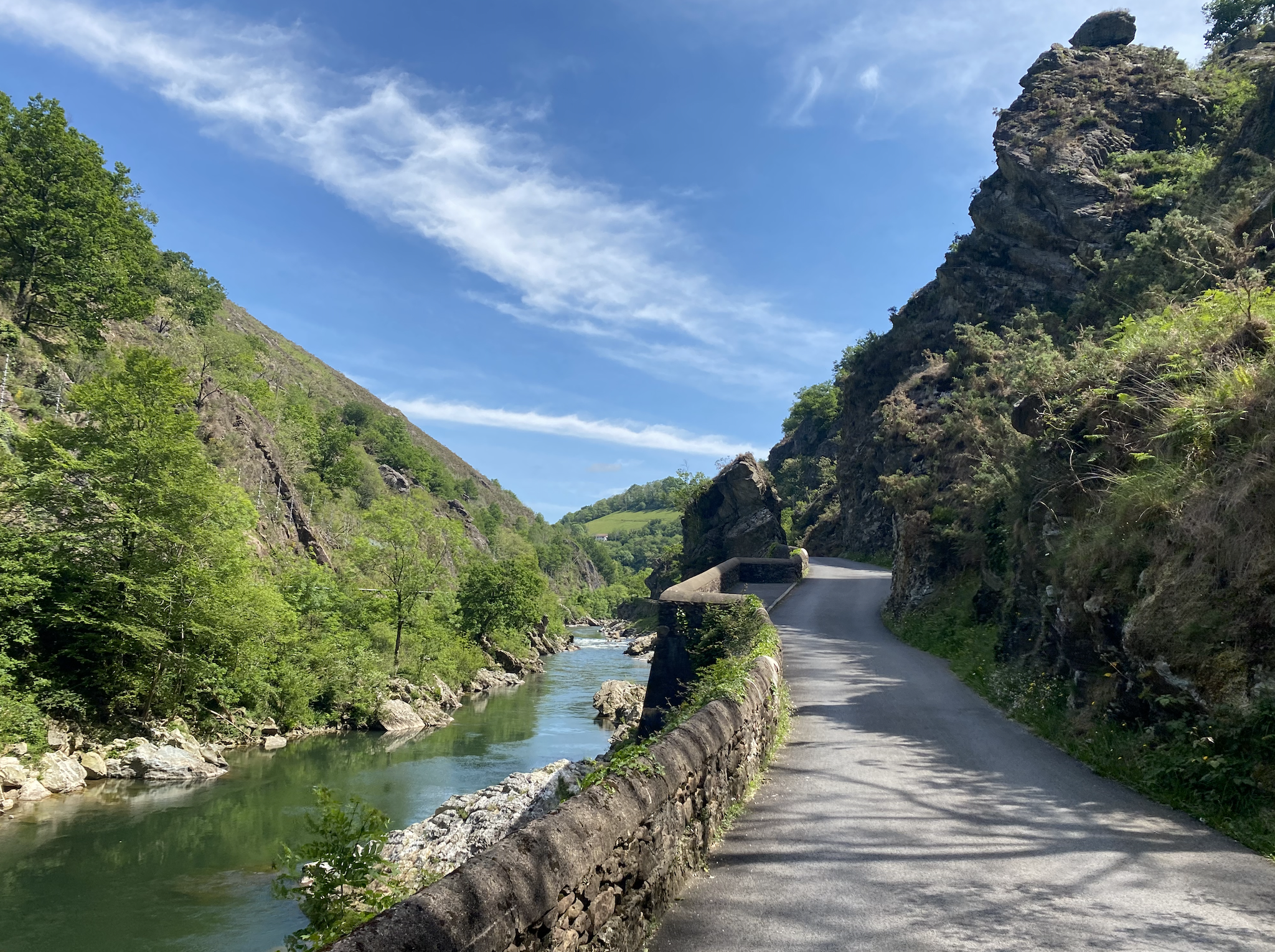
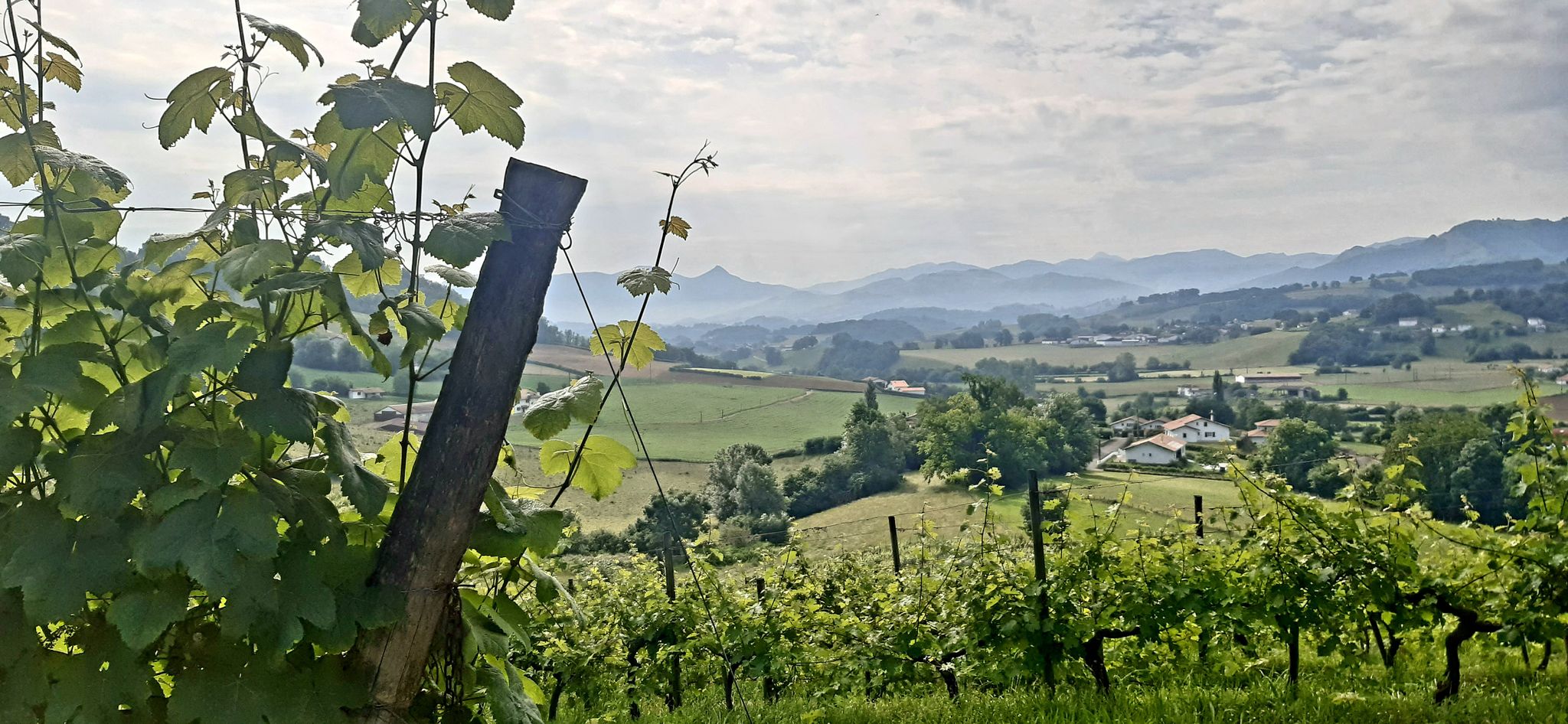
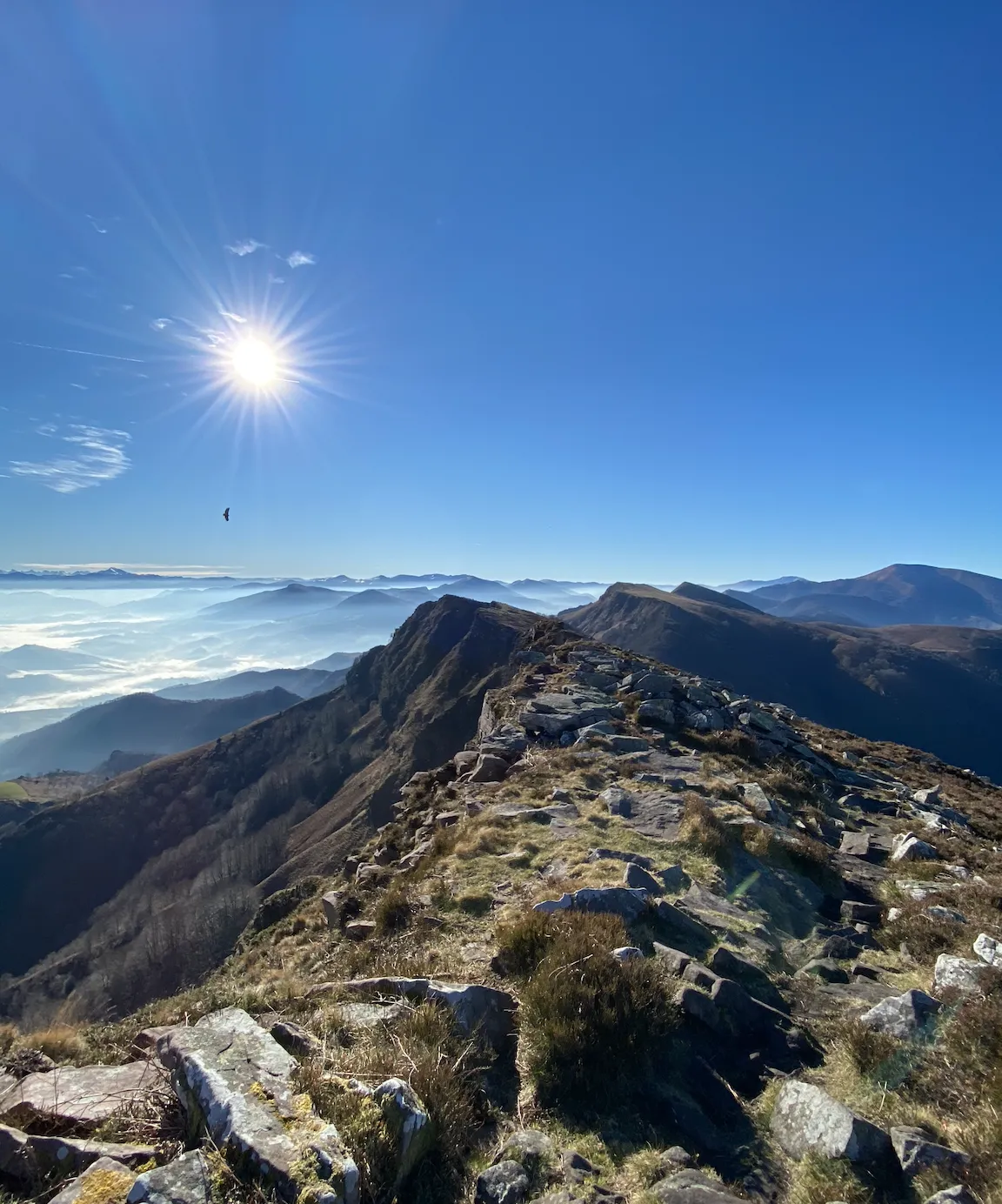
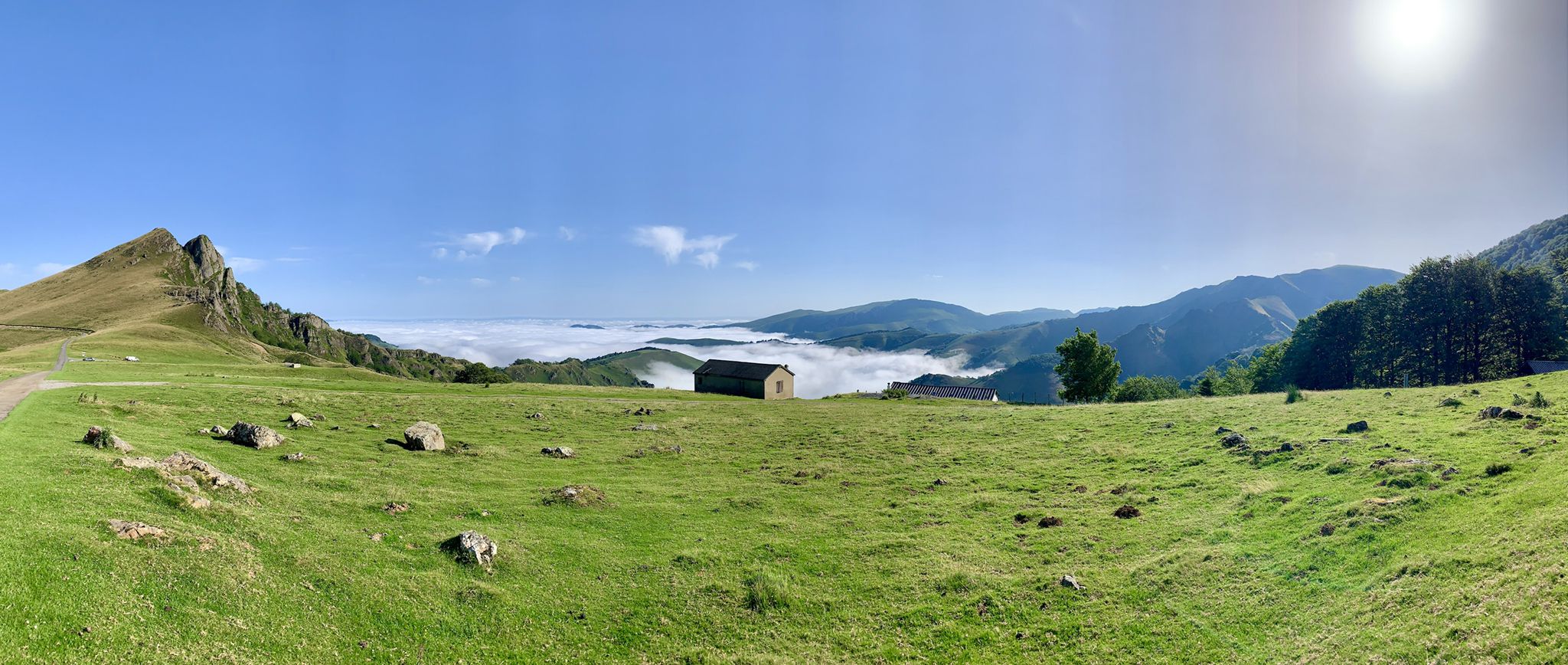
Jogging routes around Saint-Étienne-De-Baïgorry traverse a diverse landscape in the Pyrenean foothills, characterized by lush valleys, prominent peaks, and the Nive River. The region offers varied terrain, from river-level paths to challenging mountain ridges. Saint-Étienne-De-Baïgorry is recognized as a "Trail Station," providing an extensive network of running routes. These trails often pass through the Irouléguy vineyards and offer views of significant summits like the Iparla ridges.
Best jogging routes around Saint-Étienne-De-Baïgorry
- The most popular jogging route is Course des bergers (the shepherds' race), a 13.7 miles (22.1 km) trail that takes 3 hours 29 minutes to complete. This difficult route features significant elevation gain through the mountainous terrain.
- Another top favourite among local runners is Ispeguy pass, a difficult 11.5 miles (18.5 km) path. This route offers panoramic mountain views as it ascends towards the Col d'Ispéguy.
- Local runners also love the Iparla ridges, a 17.7 miles (28.5 km) trail leading through high Pyrenean ridges, often completed in about 4 hours 48 minutes.
- Jogging around Saint-Étienne-De-Baïgorry is defined by Pyrenean foothills, the Nive River valley, and Irouléguy vineyards. The network offers options for different ability levels, from easier trails to more challenging runs on mountain terrain.
- The routes in Saint-Étienne-De-Baïgorry are highly rated by the komoot community with an average score of 4.2 stars from more than 10 reviews. More than 1,700 runners have used komoot to explore Saint-Étienne-De-Baïgorry's varied terrain.
Last updated: July 11, 2026
5.0
(1)
218
runners
22.1km
03:29
1,310m
1,310m
Hard run. Very good fitness required. Sure-footedness, sturdy shoes and alpine experience required.
3.0
(1)
91
runners
18.5km
02:50
910m
920m
Hard run. Very good fitness required. Sure-footedness, sturdy shoes and alpine experience required.

Sign up for free
45
runners
18.5km
02:40
910m
900m
Hard run. Very good fitness required. Sure-footedness, sturdy shoes and alpine experience required.
5.0
(1)
16
runners
28.5km
04:49
1,350m
1,340m
Hard run. Very good fitness required. Sure-footedness, sturdy shoes and alpine experience required.
26
runners
10.3km
02:08
790m
790m
Hard run. Very good fitness required. Sure-footedness, sturdy shoes and alpine experience required.
Get access to more routes and recommendations from other explorers.
Sign up for free
Already have an account?
Our route recommendations are based on thousands of hikes, rides, and runs completed by other people on komoot.
Start today with a free account
Your next adventure awaits.
Login or Signup
Popular around Saint-Étienne-De-Baïgorry
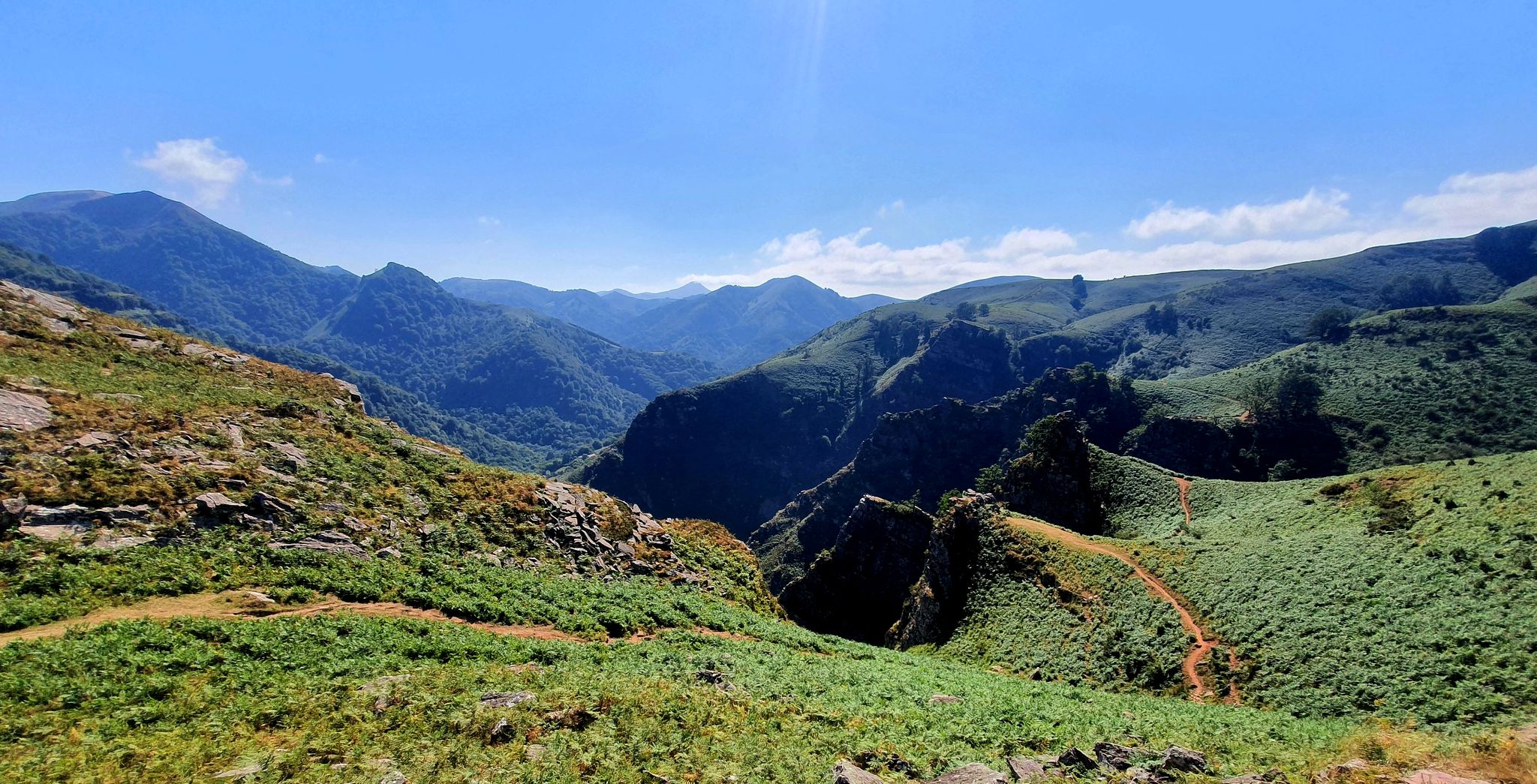
A land rich in character – running in the Basque Country
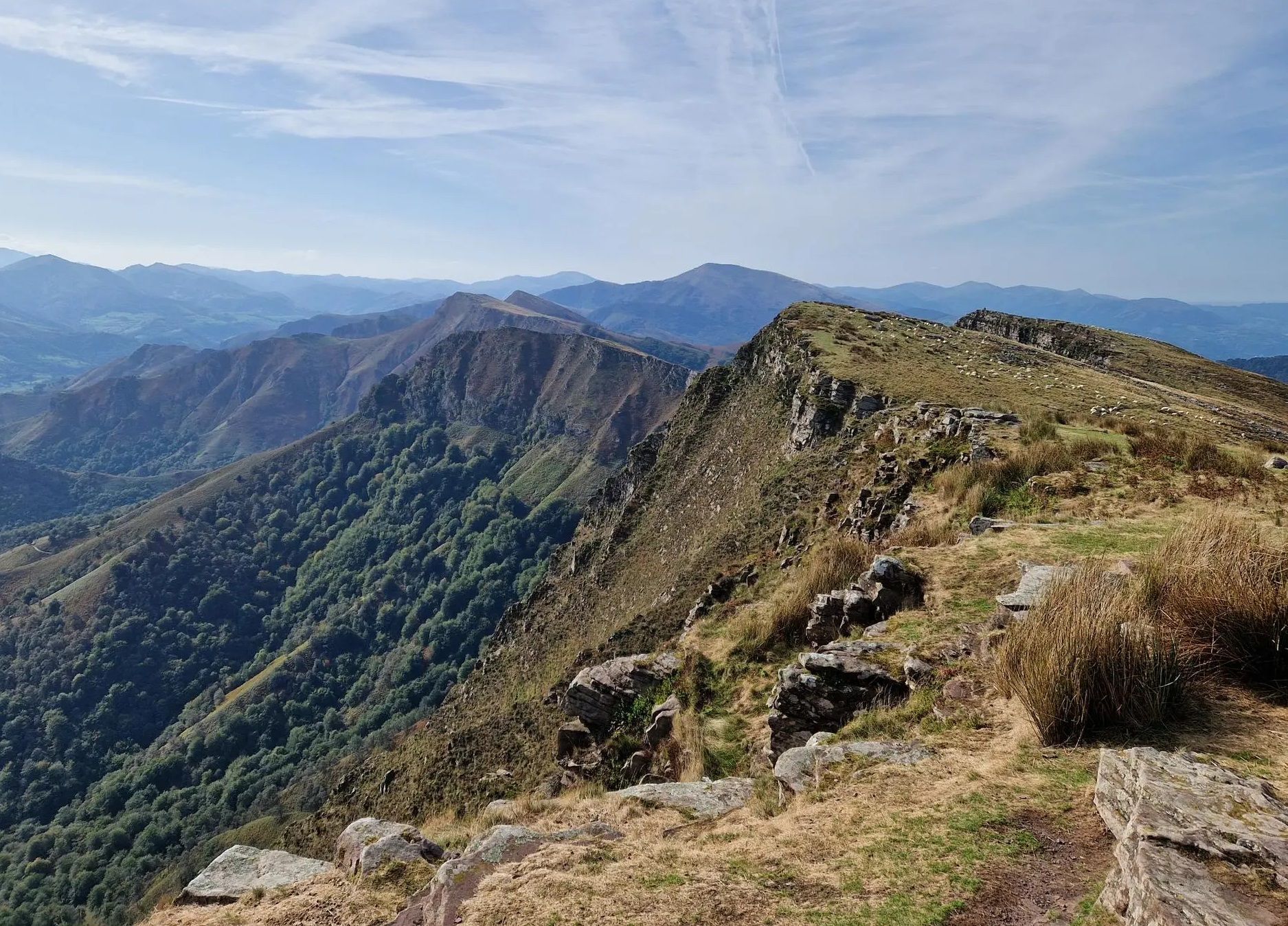
Peace and authenticity – trail running in the Baigorri and Aldudes valley
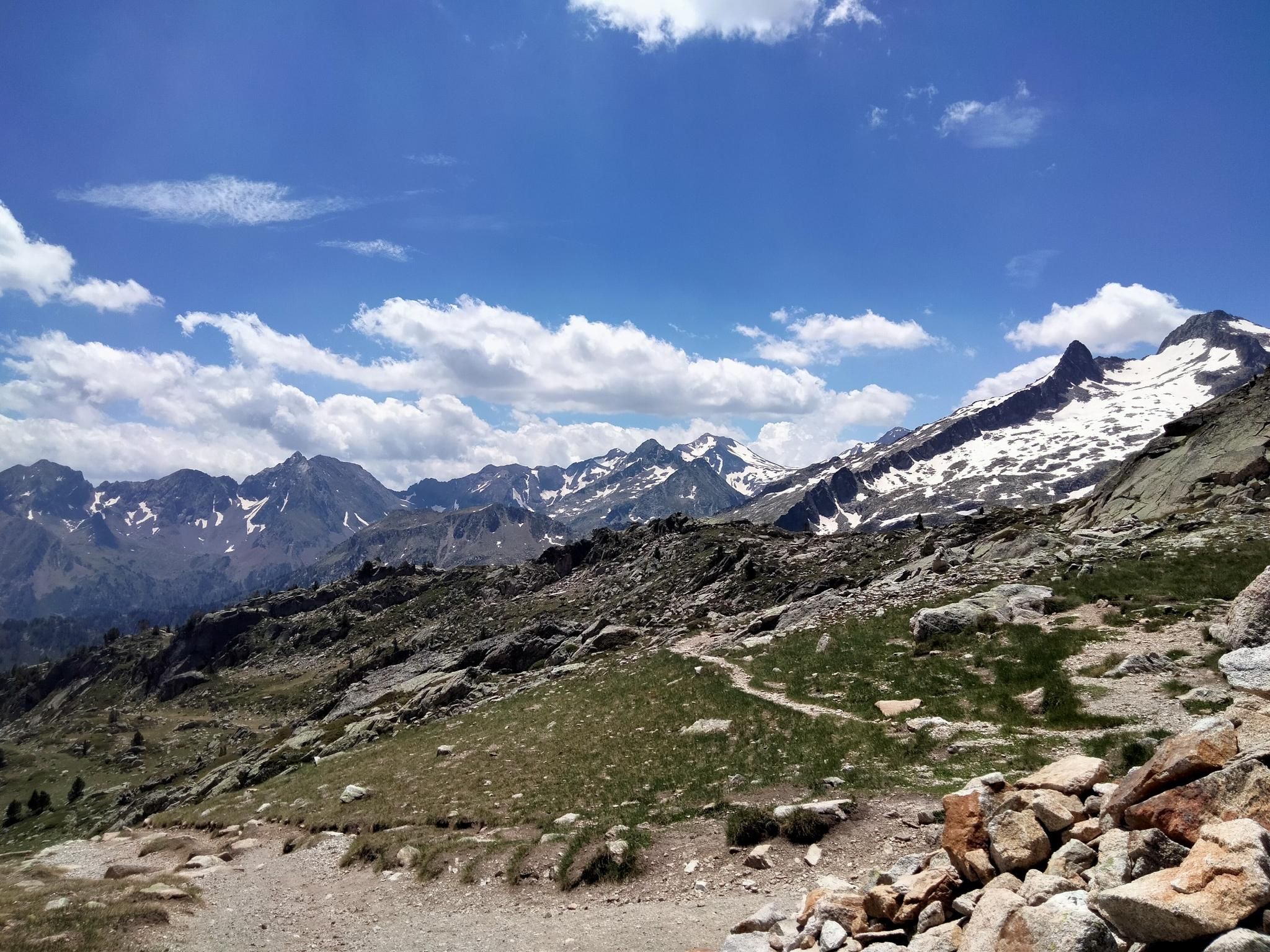
Hexatrek, the western and central Pyrenees – Between mountains and the ocean
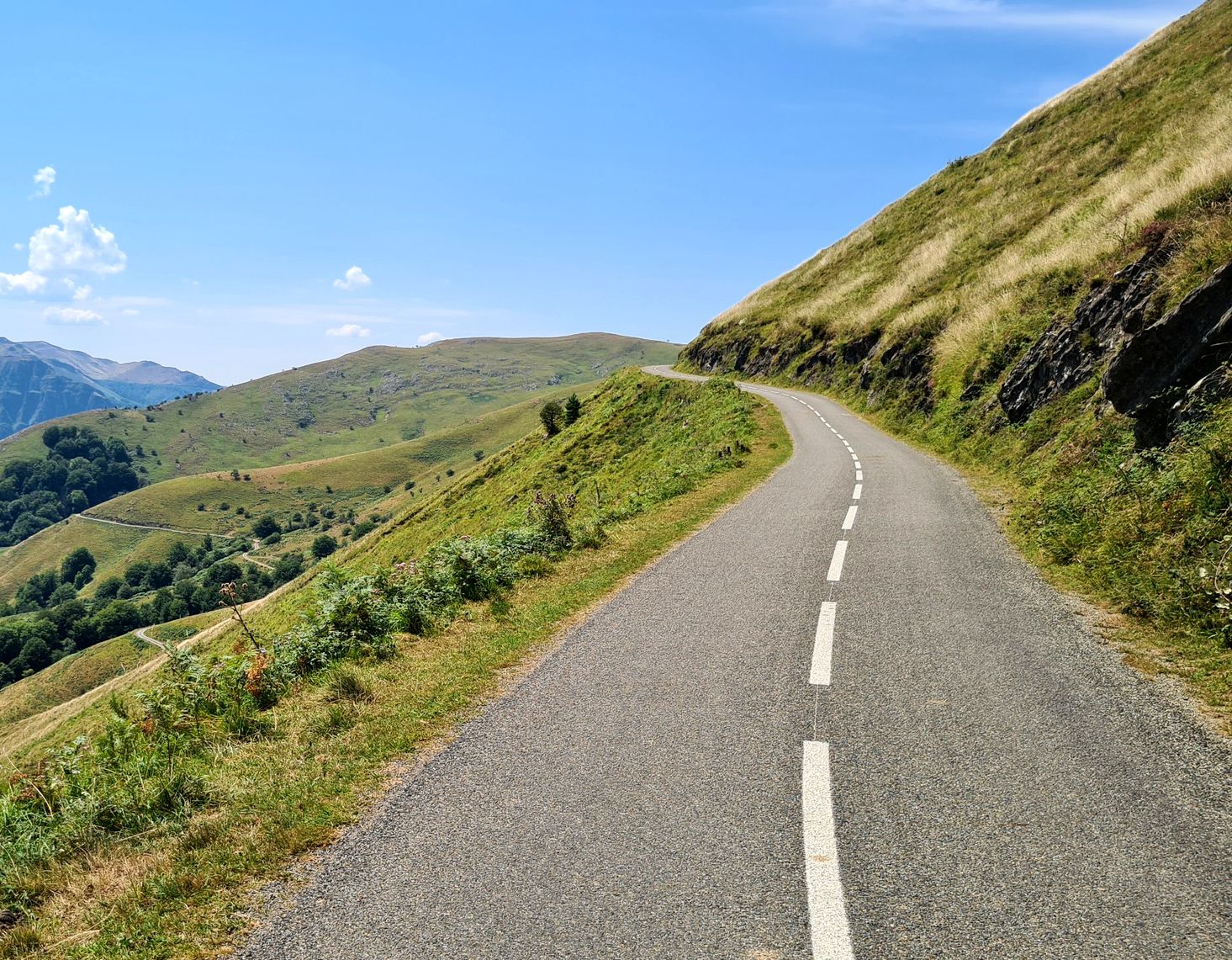
Basque Country mountain passes – Panorama rides
The Grand Tour du Pays basque
Basse Navarre, from villages to vineyards
The coast to the mountains – the best hikes in Spain’s Basque Country
The Western Pyrenees – crossing the Pyrenees on the GR 10
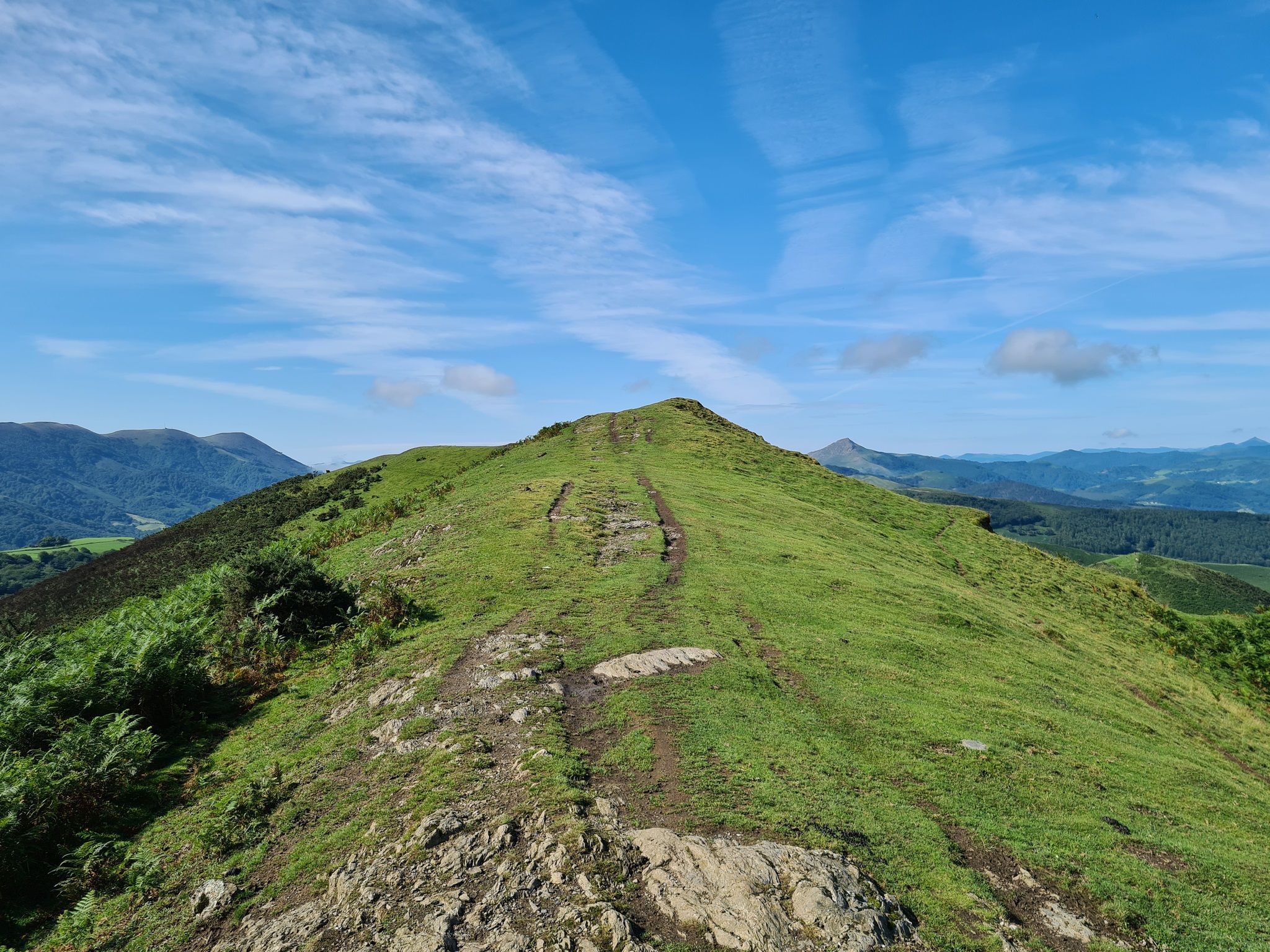
The Pyrenees to Biscay — La Grande Traversée MTB du Pays Basque
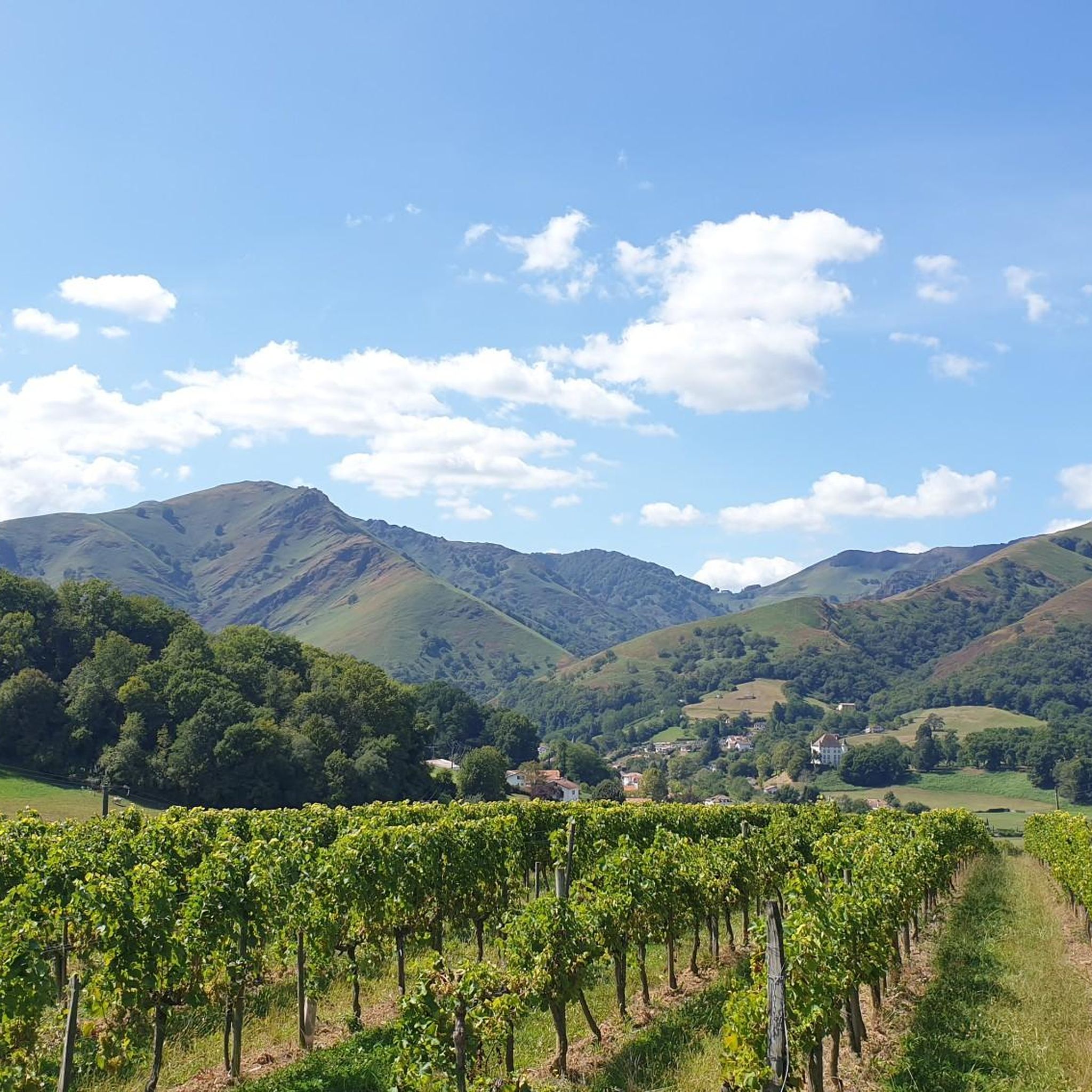
Hiking around Saint-Étienne-De-Baïgorry
Other adventures around Saint-Étienne-De-Baïgorry


Tips from the Community

Walk from the Ispeguy pass, narrow path, best worn in hiking shoes, some scree slopes, magnificent view!
2
0

Munhoa is a peak in the French Basque Country which rises to 1,023 meters above sea level. Its toponymy finds its origin in the Basque word “muino” which means hill. From this mountain you can admire the valleys of Luzaide and Baïgorry separated by the Adartza massif.
1
0

Located at 987 meters above sea level, Elhorriko Kaskoa is a peak that is easily reached from the Ispeguy Pass. Dominating the village of Baigorri, it forms a great viewpoint over all the peaks of Iparla.
3
0
The Munhoa is a peak in the French Basque Country which culminates at 1,023 meters above sea level. Its toponymy finds its origin in the Basque word muino which means hill. From this mountain you can admire the valleys of Luzaide and Baïgorry separated by the Adartza massif.
2
1

The city is located at the base of the Pyrenees, hence the name “at the foot of the pass”. Starting point of the suggestive French Way of St. James of Compostela, This city is the capital of the historic Basque province of Navarra, Lower Navarra, is located on the River Nive, just 8 kilometers from the Spanish border. The medieval city is located at the crossroads of the roads that serve the Basque Country.
5
0

The French feeder route Via Podiensis ends in Saint-Jean-Pied-de-Port. The most famous Way of St. James, the Camino Francés, starts here. The suffix explains what the pilgrims can expect: Pied de Port means “at the foot of the pass”. From here, the Camino Francés leads 25 kilometers over the ridge of the Pyrenees to Roncesvalles in Spain. The pilgrims also follow in the footsteps of Charlemagne, who in 778 reached Spain over the Ibañeta Pass (Puerto de Ibañeta or Col de Roncevaux) at an altitude of 1,057 meters during his campaign. It doesn't get colder than up there at the top of the pass on the entire Way of St. James.
2
0

For its environment and its landscapes.
1
1
Saint-Jean-Pied-de-Port is an essential village in the Basque Country. Nestled at the confluence of the Nives, the medieval city is at the crossroads of the roads serving the Basque Country. The city has a relatively rich historical and architectural heritage. There is notably a medieval enclosure made up of an imposing wall pierced by four large gates. At its heart you will find several artisans who offer many local products. The medieval city also owes its fame to the Camino de Santiago which crosses it. An emblematic stop on this trail, the village welcomes many of its pilgrims throughout the year. At the foot of the Basque mountains, in Saint-Jean-Pied-de-Port, life is good, take the time to stroll through its alleys, to eat on its various terraces or to relax in the numerous gîtes which are located found there.
2
0
Frequently Asked Questions
How many running routes are available in Saint-Étienne-De-Baïgorry?
Saint-Étienne-De-Baïgorry offers a wide selection of running paths, with over 60 routes available on komoot. These routes cater to various levels, from easier trails to challenging mountain runs.
What kind of terrain can I expect on the running trails around Saint-Étienne-De-Baïgorry?
The terrain is highly diverse, ranging from river-level paths along the Nive River to challenging ascents in the Pyrenean foothills. You'll encounter lush valleys, rolling hills, and prominent peaks like the Iparla ridges, with some routes passing through the unique Irouléguy vineyards.
Are there options for less experienced runners or those looking for an easier jog?
Yes, while the region is known for its challenging trail running, there are options for all ability levels. Among the over 60 routes, you can find easier trails suitable for beginners or those preferring a more relaxed pace. Look for routes categorized as 'easy' on komoot.
What scenic views or natural features can I expect to see while running in the area?
You can enjoy breathtaking views of the Pyrenean landscape, including the majestic Iparla Peak and the lush Aldudes Valley. Many routes follow the picturesque Nive River, and some even lead to the Pas de Roland gorge. The Ispéguy Pass also offers panoramic mountain vistas.
Are there any historical landmarks or points of interest along the running paths?
Yes, jogging in Saint-Étienne-De-Baïgorry allows you to experience its rich history. You might pass by the 11th-century Château d'Etxauz, the distinctive Roman arch bridge over the Nive, or the historic Saint-Étienne Church. The nearby Saint-Jean-Pied-de-Port Old Town is also a significant historical site accessible via some routes.
Are there any challenging long-distance running routes for experienced trail runners?
Absolutely. Saint-Étienne-De-Baïgorry is a designated 'Trail Station' and offers several demanding routes. For instance, the Course des bergers (the shepherds' race) is a difficult 22.1 km trail with significant elevation gain. Another challenging option is the Iparla ridges, a 28.5 km route through high Pyrenean terrain.
What do other runners enjoy the most about jogging in Saint-Étienne-De-Baïgorry?
The running routes in Saint-Étienne-De-Baïgorry are highly rated by the komoot community, with an average score of 4.2 stars. Runners frequently praise the stunning Pyrenean scenery, the diverse terrain, and the extensive, well-maintained network of trails that cater to various fitness levels.
Are there circular running routes available in Saint-Étienne-De-Baïgorry?
Yes, many of the running paths in the region are designed as circular routes or loops, allowing you to start and finish in the same location. This makes planning your run convenient, especially if you're driving to a trailhead.
Can I find running routes that lead to panoramic mountain views?
Definitely. The region is rich with routes offering spectacular mountain vistas. The Ispeguy pass route, for example, provides panoramic views as it ascends towards the Col d'Ispéguy. Other peaks like Oilandoi and Elhorriko Kaskoa also offer breathtaking perspectives of the Iparla peaks and surrounding valleys.
Is Saint-Étienne-De-Baïgorry suitable for trail running with dogs?
The natural environment of Saint-Étienne-De-Baïgorry, with its extensive trail network and varied landscapes, can be very enjoyable for running with dogs. However, it's always advisable to check local regulations regarding dogs on trails, especially in protected areas or near livestock, and to keep your dog on a leash where required.
Are there any running routes that connect Saint-Étienne-De-Baïgorry to other towns?
Yes, some routes offer longer journeys connecting to nearby towns. For instance, the Saint-Étienne-de-Baïgorry to Saint-Jean-Pied-de-Port route is a challenging 18.5 km path that links these two significant Basque Country locations.
What is the best time of year for jogging in Saint-Étienne-De-Baïgorry?
The Pyrenean foothills offer excellent conditions for jogging for much of the year. Spring and autumn generally provide pleasant temperatures and vibrant scenery. Summer can be warm, so early morning or late afternoon runs are often preferred. Winter running is possible, but higher elevation trails may be affected by snow and ice, requiring appropriate gear and caution.
Most popular routes around Saint-Étienne-De-Baïgorry
Most popular attractions around Saint-Étienne-De-Baïgorry

Get inspired with the komoot mobile app


Explore more
Browse the best Running Trails & Routes in other regions.
