Top 7 Castles around Yèvre-La-Ville
Best castles around Yèvre-La-Ville are found in a commune recognized for its historical significance and picturesque setting in the Loiret department. The area is home to the medieval fortress of Château d'Yèvre-le-Châtel, a prominent historical monument. The village itself is classified as "one of the Most Beautiful Villages of France," offering views of the Beauce and Gâtinais regions. This region provides a blend of architectural heritage and natural landscapes.
Best castles around Yèvre-La-Ville
- The most popular castles is Yèvre-le-Châtel,…
Last updated: July 13, 2026
Manoir de La Taille (Château de Bondaroy)
Highlight • Castle
Translated by Google •
Tip by

Yèvre-le-Châtel
Highlight • Castle
Translated by Google •
Tip by

Sign up now to discover places like this
Get recommendations on the best single tracks, peaks, & plenty of other exciting outdoor places.
Sign up for free
Château de Courcelles-le-Roi
Highlight • Castle
Translated by Google •
Tip by

Bouville Castle
Highlight • Castle
Translated by Google •
Tip by

Pithiviers
Highlight • Settlement
Translated by Google •
Tip by
Sign up for free to discover even more castles around Yèvre-La-Ville.
Sign up for free
Already have an account?
Start today with a free account
Your next adventure awaits.
Login or Signup

Tips from the Community

A huge magnifying glass on a plane tree
0
0

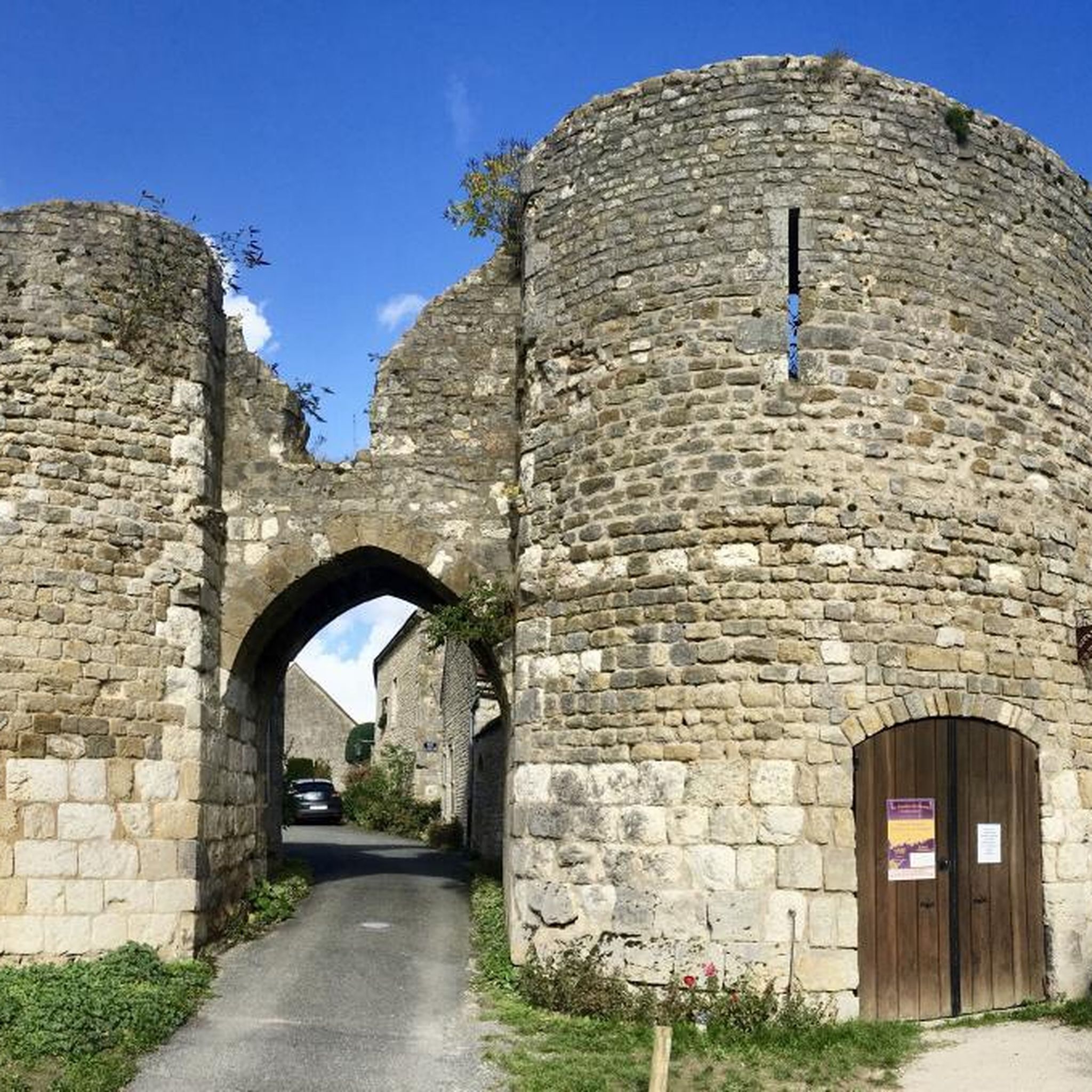
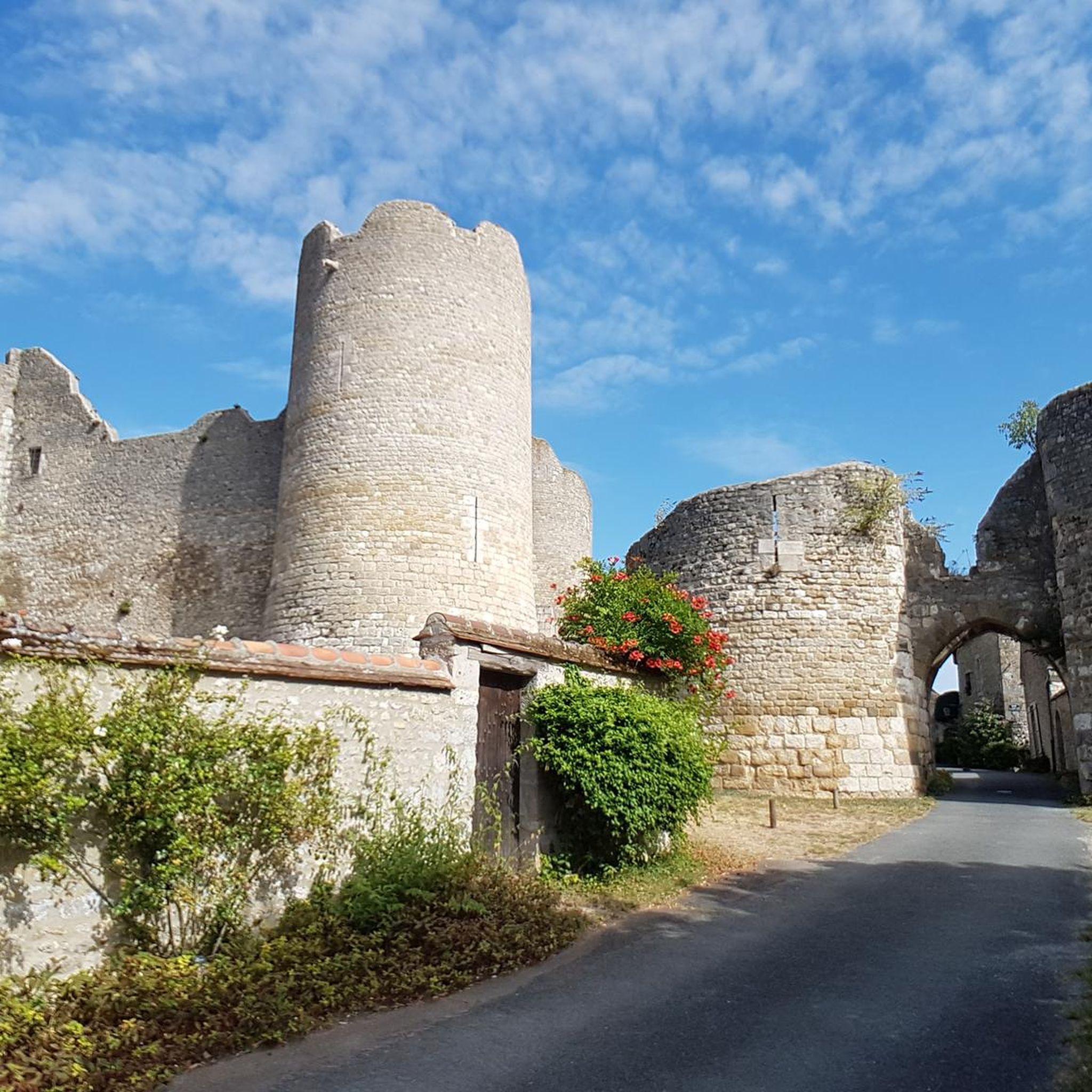
Very beautiful village which is definitely worth the detour. You can notably discover its castle, built in the 13th century under Philippe Auguste. Don't hesitate to dismount and take a walk in the pedestrian part of the village.
0
0
The Château de Courcelles-le-Roi is discreet behind its high walls and hedges, and yet it has left its mark on the history of France, welcoming within its walls some of the most illustrious kings. A former fortified castle whose construction dates back to the 11th century, it was destroyed and rebuilt three times, including twice during the Hundred Years' War. Located on the lands of the Orléans forest where the kings came to hunt, Saint-Louis and Charles VIII stayed there. Anne of Brittany, Queen of France and wife of Charles VIII, gave birth there to a baby, François, who unfortunately only lived a few hours. Guided tours are organized there.
0
0

The Manoir de la Taille, also known as the Château de Bondaroy, is a fortified manor house which dates from the 14th century and was the birthplace of two Renaissance poets, Jean and Jacques de La Taille. You can admire the impressive facade, towers and gatehouse, as well as the surrounding countryside. You can also explore the neighboring town of Pithiviers, which has a rich heritage and a famous pastry, the pithivier.
2
0
A private Louis XIII-style castle, it has a magnificent park crossed by the Egg, a river taking its source in the forest of Orléans and flowing into the Essonne. There is also an 18th century dovecote.
0
0

The Manor of La Taille, also called Château de Bondaroy, is a fortified manor whose construction dates back to the 14th century. Opulent construction, it does not leave indifferent the walkers who follow its thick walls. Listed in the register of historical monuments in 1974, the manor is now a private property. Banquets and seminars are sometimes organized there and it is possible to visit the place during the summer.
0
0
Pithiviers is a commune located in the heart of Beauce, in the hollow of the Egg. In a very rural Beauce, Pithiviers is a historical and cultural lung. The Château de Bellecour, the Saint-Georges collegiate church, the town hall or the Place du Martroi are just a few examples of the many curiosities that swarm the city. With 9,000 inhabitants, the city has all types of shops, from accommodation to restaurants. Wander the alleys of its old center to find a pretty table or a comfortable mattress. The Pithiviers train station is now closed to the public, but buses from the Ulys network serve daily Orléans (line 20) and Montargis (line 11) where a train station allows travel to Paris.
0
0
Along the GR 32 and the Egg, the plain fortress is an architectural curiosity that walkers cannot miss.
0
0
Frequently Asked Questions
What is the most historically significant castle in the Yèvre-La-Ville area?
The most historically significant castle is the Château d'Yèvre-le-Châtel. Dating back to the early 13th century, it played a strategic role during the Hundred Years' War and is a testament to medieval military architecture. The village itself is classified as "one of the Most Beautiful Villages of France".
Are there any family-friendly castles to visit near Yèvre-La-Ville?
Yes, the Château de Courcelles-le-Roi is noted as family-friendly. While the main Château d'Yèvre-le-Châtel is a ruined fortress, its ramparts and the charming village offer an engaging experience for families. The nearby town of Pithiviers also offers family-friendly attractions.
What kind of architectural styles can I expect to see among the castles?
The castles around Yèvre-La-Ville showcase a variety of architectural styles. You can explore medieval fortresses like the 13th-century Château d'Yèvre-le-Châtel with its distinctive rhomboid shape, fortified manor houses such as the 14th-century Manoir de La Taille (Château de Bondaroy), and private estates like the Louis XIII-style Bouville Castle.
What outdoor activities can I do near these castles?
The region around Yèvre-La-Ville offers various outdoor activities. You can find numerous hiking trails, including routes around Yèvre-le-Châtel. There are also road cycling routes and running trails that allow you to explore the scenic countryside and visit the castles.
What is the best time of year to visit the castles in the Yèvre-La-Ville area?
The Château d'Yèvre-le-Châtel is open for visits daily from April 1st to October 31st. This period generally offers pleasant weather for exploring the outdoor ruins, walking the ramparts, and enjoying the botanical gardens within the castle courtyard. Autumn can also be a beautiful time with changing foliage.
Are there any castles with notable natural features or viewpoints?
Yes, the Château d'Yèvre-le-Châtel offers extensive panoramic views from its ramparts, overlooking the Beauce and Gâtinais regions and the fringes of the Orléans forest. Bouville Castle features a magnificent park crossed by the Egg river, which originates in the Orléans forest.
What can I expect to see at the Manoir de La Taille (Château de Bondaroy)?
The Manoir de La Taille (Château de Bondaroy) is a fortified manor house from the 14th century. Visitors can admire its impressive facade, towers, and gatehouse. It is listed as a historical monument and is a private property, though it sometimes hosts banquets and seminars, and may be open for visits during the summer.
Are there cafes or restaurants near the castles in Yèvre-La-Ville?
The village of Yèvre-le-Châtel, where the main Château d'Yèvre-le-Châtel is located, is known for its charming streets and offers a delightful visitor experience, likely including local establishments. The nearby town of Pithiviers, a short distance away, has a variety of shops, accommodation, and restaurants.
How long does a typical visit to Château d'Yèvre-le-Châtel take?
While the exact duration can vary based on your interest, a visit to the Château d'Yèvre-le-Châtel and its surrounding village, classified as "one of the Most Beautiful Villages of France," could easily take a few hours. This allows time to explore the ramparts, the botanical gardens, and the charming streets of Yèvre-le-Châtel.
Can I find guided tours for any of the castles?
Yes, guided tours are organized at the Château de Courcelles-le-Roi. For other castles, especially private properties like Manoir de La Taille or Bouville Castle, it's advisable to check their specific websites or contact local tourism offices for current tour availability.
What makes the village of Yèvre-le-Châtel special, beyond its castle?
The village of Yèvre-le-Châtel itself is classified as "one of the Most Beautiful Villages of France." It has received accolades like "4 flowers" and "Remarkable Garden" labels. Beyond the Château d'Yèvre-le-Châtel, visitors can enjoy charming, often flowered streets, an old well, the Souville bridge over the Rimarde river, and the Saint-Gault church.
Are there any less crowded or 'hidden gem' castles in the Loiret near Yèvre-La-Ville?
While Yèvre-le-Châtel is popular, the region offers other significant but potentially less crowded sites. The Manoir de La Taille (Château de Bondaroy) and Bouville Castle offer unique experiences. The Château de Courcelles-le-Roi, discreet behind its walls, also holds rich history and may provide a quieter visit.
Most popular attractions around Yèvre-La-Ville

Get inspired with the komoot mobile app


Explore more
Looking for the best castles somewhere else? Discover other guides around Yèvre-La-Ville:
