Attractions and Places To See around Saint-Père-Sur-Loire - Top 20
Best attractions and places to see around Saint-Père-Sur-Loire include a blend of historical significance and natural beauty along the Loire River. This commune, part of the UNESCO World Heritage-listed Loire Valley, offers diverse landscapes and heritage. Visitors can explore notable landmarks and preserved natural sites. The area is ideal for those seeking to experience the cultural richness and outdoor activities of the region.
Best attractions and places to see around Saint-Père-Sur-Loire
- The most popular attractions is Sully-sur-Loire Castle, a…
Last updated: May 5, 2026
Sully-sur-Loire Castle
Highlight • Castle
Translated by Google •
Tip by

Basilica of Saint Benedict at Fleury
Highlight • Other
Translated by Google •
Tip by
Sign up now to discover places like this
Get recommendations on the best single tracks, peaks, & plenty of other exciting outdoor places.
Sign up for free
Dampierre-en-Burly Castle
Highlight • Castle
Translated by Google •
Tip by

Saint-Père-sur-Loire viaduct - former railway bridge
Highlight • Other
Translated by Google •
Tip by
Loire 14 Sully sur Loire - Gien
Highlight (Segment) • Other
B Gien train station and from there the train leaves for Paris
Translated by Google •
Tip by

Sign up for free to discover even more attractions around Saint-Père-Sur-Loire.
Sign up for free
Already have an account?
Start today with a free account
Your next adventure awaits.
Login or Signup

Tips from the Community

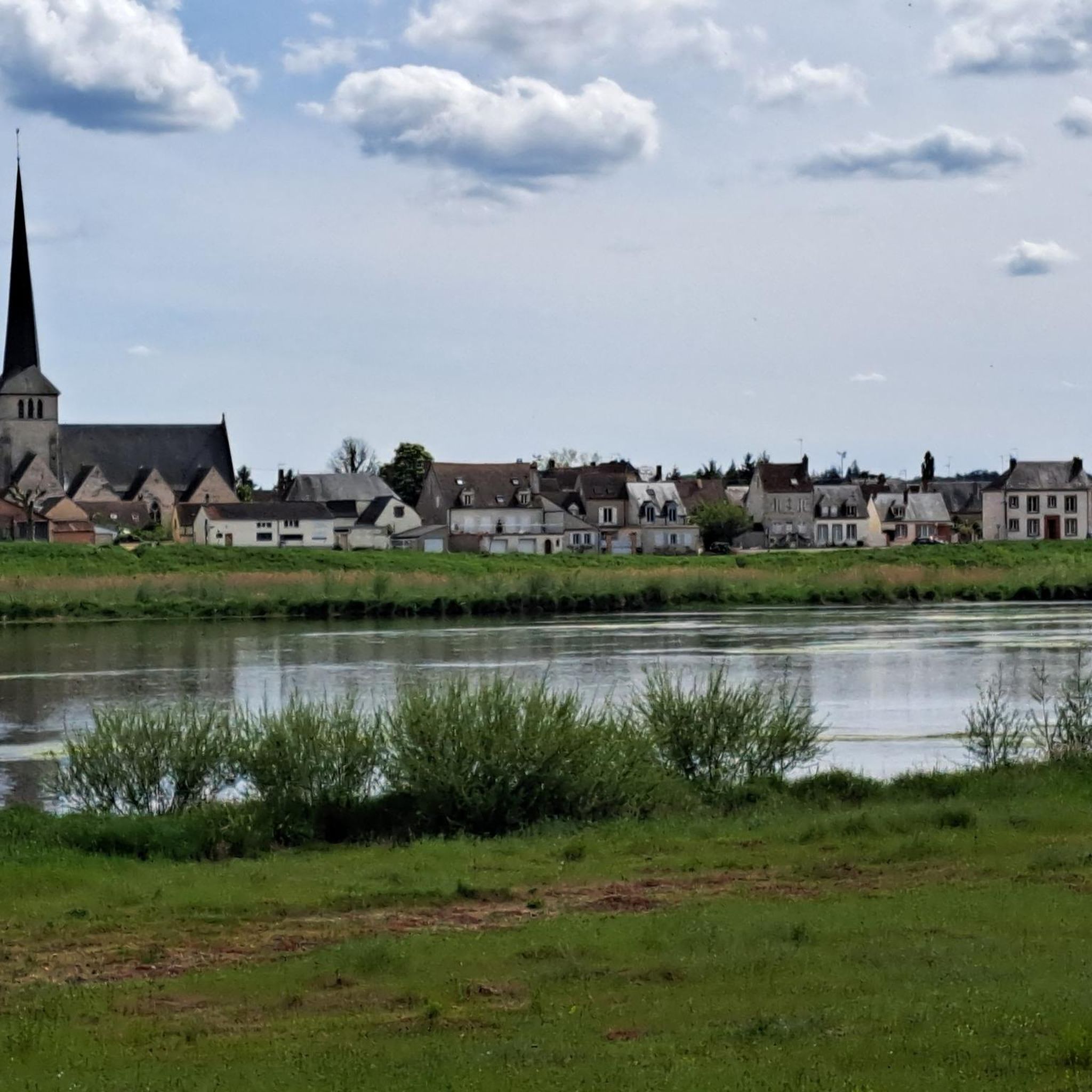
Nestled in a meander of the Loire, the town of Saint-Benoît-sur-Loire is home to one of the most beautiful jewels of Romanesque architecture: an 11th and 12th century basilica including the porch tower, decorated with twelve historic capitals. , the monumental portal and the nave constitute the most remarkable elements. Founded around 650 on the grounds of an ancient Gallo-Roman villa, Fleury Abbey has housed the relics of Saint Benedict, founder of Western monasticism and patron saint of Europe, since 672. During the 8th century, the patronage of the Prince of the Apostles was abandoned for that of Saint Benedict. This event is at the origin of the rapid expansion, prosperity and influence of the abbey which became Saint-Benoît de Fleury, while the village later became that of Saint-Benoît-sur-Loire. In the 9th century, after the ordeal of the Norman invasions which pillaged and destroyed the monastery, Fleury Abbey flourished again. The 10th and 11th centuries were the great era of Fleury's spiritual, intellectual and artistic influence. The construction of Fleury was probably completed in 1218. A few centuries later, the Hundred Years' War and the Wars of Religion ruined the monastery and disrupted regular life, the community's numbers collapsed. The French Revolution will end up dispersing the community of Fleury Abbey. But in 1944, a community of around forty monks resettled in the area and undertook the reconstruction of the monastery. A community of thirty-three monks lives there today under the direction of Father Abbot Etienne Ricaud. In 1947, the fourteenth centenary of the death of Saint Benedict led the abbey to be elevated to the status of a basilica. The visitor is invited to admire the fabulous historic capitals present in the porch tower, the nave and the choir; the magnificent paving which extends around the altar as well as the crypt where the relics of the patron saint rest. Not to be missed is the north portal and its monumental lintel carved in high relief.
1
0

We already find traces of a monastery in Fleury in the year 620. In 660, relics of Saint-Benoît were brought there and the abbey became Saint-Benoît de Fleury. Around the year 1000, the abbey experienced a golden age and the construction of the current basilica was launched. It will be consecrated in 1218. From the 16th to the 18th century, wars and the Revolution damaged the monastery. However, a community of 24 monks still lives there today.
0
0

This railway viaduct was built between 1877 and 1880. Since 2011, no rail traffic has used the bridge. Transformation work began in 2019 and, since May 2020, the bridge has been dedicated to bicycles and pedestrians. Thanks to the work, everyone can cross the Loire between Saint-Père-sur-Loire and Sully-sur-Loire in complete safety. Take your time to appreciate the magnificent views of the Château de Sully and the Loire!
0
0

The castle of Dampierre-en-Burly dates from the 15th and 16th centuries, when it belonged to the Cugnac family. Decorated by the painter Michel Dorigny, it was destroyed during the French Revolution. Only the clock tower, which serves as the entrance, remains of the original building. The current castle was rebuilt in the 19th century by Amédée de Béhague, an agronomist who created an estate of 2,000 hectares. The castle is not open to the public, but you can admire its architecture and gardens from the outside. You can also discover the neighboring village of Dampierre-en-Burly, which has remains of fortifications from the Middle Ages.
2
0
Built in the 17th century on the base of an old fortification, the castle of Dampierre-en-Burly was completely renovated in the 19th century. Listed as historical monuments since 1928, it retains all its brilliance. However, it is not open to the public.
1
0
Fleury Abbey, whose foundation dates back to the seventh century, still hosts 25 monks today. Its basilica (Saint-Benoît) can be visited outside the services. The monastery also welcomes pilgrims in search of silence, seeking to return to the presence of God.
2
0

The fortified castle of Sully-sur-Loire is located on the banks of the Loire, along the Eurovélo 6 cycle path. The construction of the current castle began in 1396 but traces of castles at this location date back to 1102. Nowadays, the castle, its moats and its park are perfectly maintained and it is possible to visit the castle alone or on a guided tour.
0
0

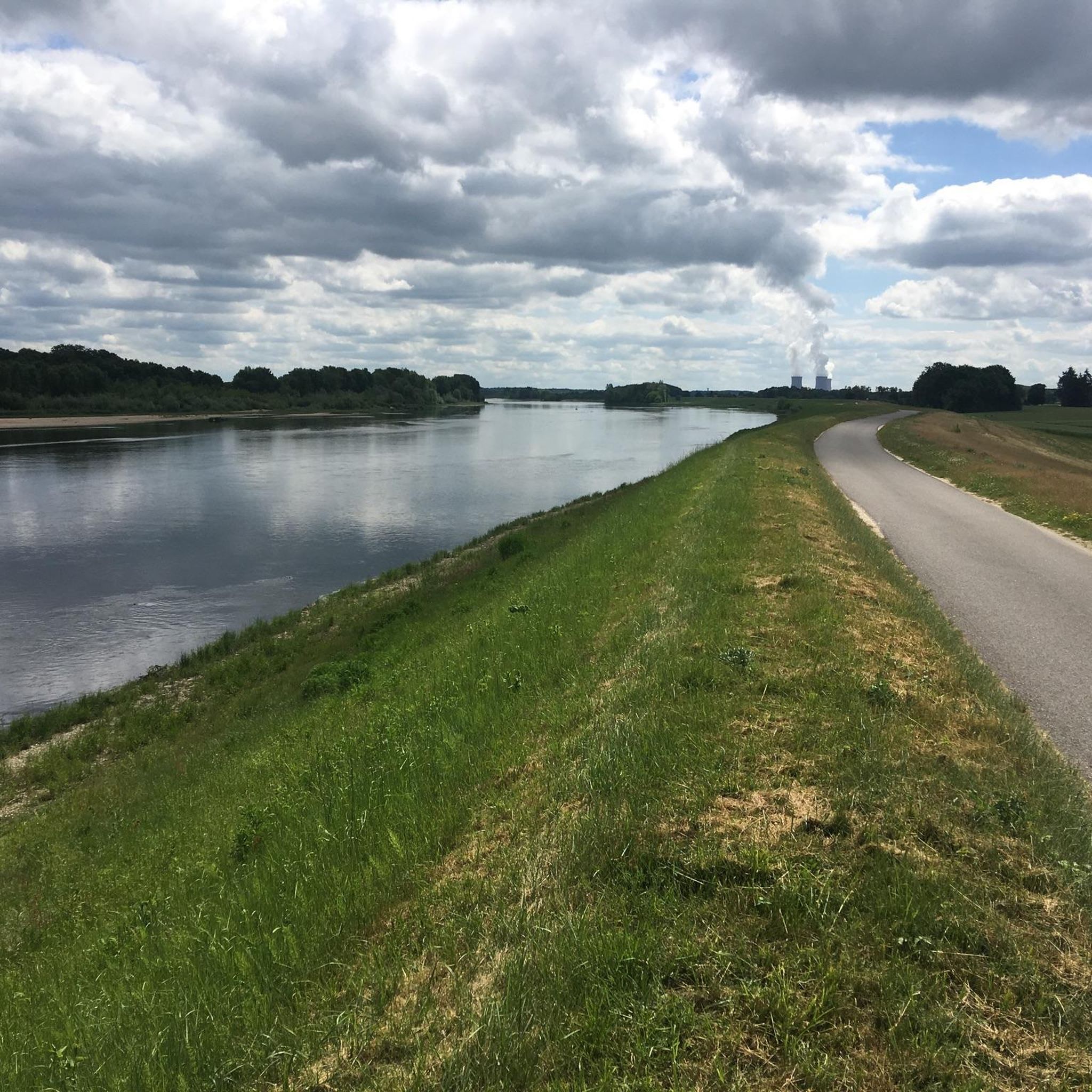
A Hôtel Hostellerie du Grande Sully in Sully-sur-Loire B Gien train station and from there the train leaves for Paris Unfortunately we have to say goodbye today; Farewell to wonderful days in France. Today it should be the last small stage; a farewell is imminent ; there is a little melancholy; it was a great tour ; it was a cycled dream. Another means of transportation brings us home. Nice, friendly and helpful people here and there, and last but not least, good and well-signposted cycle paths along the Loire and its side valleys and tributaries. We give it 5 stars; we definitely recommend this tour. Thank you dear French people for your warm hospitality. Merci beaucoup pour your chaleureuse hospitalité. Goodbye - Au revoir
1
1
Frequently Asked Questions
What historical landmarks can I explore in Saint-Père-sur-Loire?
Saint-Père-sur-Loire and its immediate surroundings are rich in history. You can visit the impressive Sully-sur-Loire Castle, a medieval fortress with moats and a park, which offers individual or guided tours. The village also features the modern Church of Saint-Père-sur-Loire, rebuilt after WWII, and the historic Croix de Saint-Nicolas, erected in 1835 to protect boatmen.
Are there any religious sites worth visiting near Saint-Père-sur-Loire?
Yes, the Basilica of Saint Benedict at Fleury is a significant religious site nearby. This abbey, founded in the 7th century, still houses a community of monks, and its basilica can be visited outside of services.
What natural features define the Saint-Père-sur-Loire area?
The majestic Loire River, a UNESCO World Heritage site and Europe's last wild river, is the defining natural feature. The area is also part of the Natura 2000 network and includes ZNIEFFs (Zones Naturelles d'Intérêt Écologique, Floristique et Faunistique), highlighting its rich biodiversity. The Preserved Natural Site of Entre-les-Levées offers protected areas for walks.
What cycling opportunities are available along the Loire River?
The Loire River is perfect for cycling, notably via the 'Loire à Vélo' route, which offers a flat and enjoyable way to discover the region's charming villages and cities. You can also cross the Loire safely on the Saint-Père-sur-Loire viaduct - former railway bridge, which is now dedicated to cyclists and pedestrians, offering magnificent views of the Château de Sully and the Loire. For more cycling routes, explore the Cycling around Saint-Père-Sur-Loire guide.
Are there hiking trails around Saint-Père-sur-Loire?
Absolutely. The commune is a starting point for hiking enthusiasts, offering access to the Sentier Historique de la Vallée des Rois and the GR3 long-distance footpath. You can find various routes, including easy loops like 'The Bataclan walk' in Saint-Père-sur-Loire. Discover more options in the Hiking around Saint-Père-Sur-Loire guide.
What is the Saint-Père-sur-Loire viaduct and what does it offer?
The Saint-Père-sur-Loire viaduct - former railway bridge was rehabilitated in 2020 and is now exclusively for bicycles and pedestrians. It provides excellent views of the Château de Sully-sur-Loire and the Loire River, allowing for safe passage between Saint-Père-sur-Loire and Sully-sur-Loire.
Are there family-friendly attractions in the area?
Yes, several attractions are suitable for families. The Sully-sur-Loire Castle is a great option for all ages, offering tours of its historic grounds. The Basilica of Saint Benedict at Fleury also welcomes families. Exploring the Loire River banks by bike or on foot, or crossing the pedestrian-friendly viaduct, are also enjoyable family activities.
Can I learn about traditional boatmanship in Saint-Père-sur-Loire?
Yes, the Port of Saint-Père-sur-Loire aims to preserve the memory of traditional boatmanship. During the summer, guided tours are offered, and a local association is involved in building traditional Loire boats (fûtreaux) as an intergenerational educational project.
What is the best time to visit Saint-Père-sur-Loire for outdoor activities?
The Loire Valley generally offers pleasant weather for outdoor activities from spring through early autumn (April to October). This period provides ideal conditions for cycling, hiking, and exploring the natural beauty along the Loire River.
What other cultural sites are within easy reach of Saint-Père-sur-Loire?
While not directly in Saint-Père-sur-Loire, you can easily visit the Belvédère at Saint-Benoit-sur-Loire for scenic views, or the Musée du Cirque et de l'Illusion at Dampierre-en-Burly. The historical and architectural sites of La Belle de Grignon and Oratoire carolingien at Germigny-des-Prés are also nearby.
What kind of views can I expect in Saint-Père-sur-Loire?
The area offers picturesque views, particularly along the Loire River. From the Saint-Père-sur-Loire viaduct - former railway bridge, you can enjoy impressive vistas of the Château de Sully-sur-Loire and the river itself. The banks of the Loire also provide stunning landscapes, especially at sunset.
Most popular routes around Saint-Père-Sur-Loire

Get inspired with the komoot mobile app


Explore more
Still not found the Highlight you’re looking for? See guides of the top attractions in other regions:
