Top 5 Castles around Saint-Gondon
Best castles around Saint-Gondon offer a journey through centuries of history, from medieval ruins to pre-Renaissance architecture. The region, situated near the Loire River, features a mix of historical sites and fortified structures. Visitors can explore the architectural evolution and cultural significance of these landmarks. The area provides opportunities to discover historical buildings within a landscape known for its natural features.
Best castles around Saint-Gondon
- The most popular castles is Gien, a castle that overlooks the Loire River and…
Last updated: July 14, 2026
Gien
Highlight • Castle
Translated by Google •
Tip by

Saint-Brisson Castle
Highlight • Castle
Translated by Google •
Tip by

Sign up now to discover places like this
Get recommendations on the best single tracks, peaks, & plenty of other exciting outdoor places.
Sign up for free
Dampierre-en-Burly Castle
Highlight • Castle
Translated by Google •
Tip by
Gien Castle
Highlight • Castle
Translated by Google •
Tip by

Little Castle
Highlight • Historical Site
Translated by Google •
Tip by

Sign up for free to discover even more castles around Saint-Gondon.
Sign up for free
Already have an account?
Start today with a free account
Your next adventure awaits.
Login or Signup

Tips from the Community


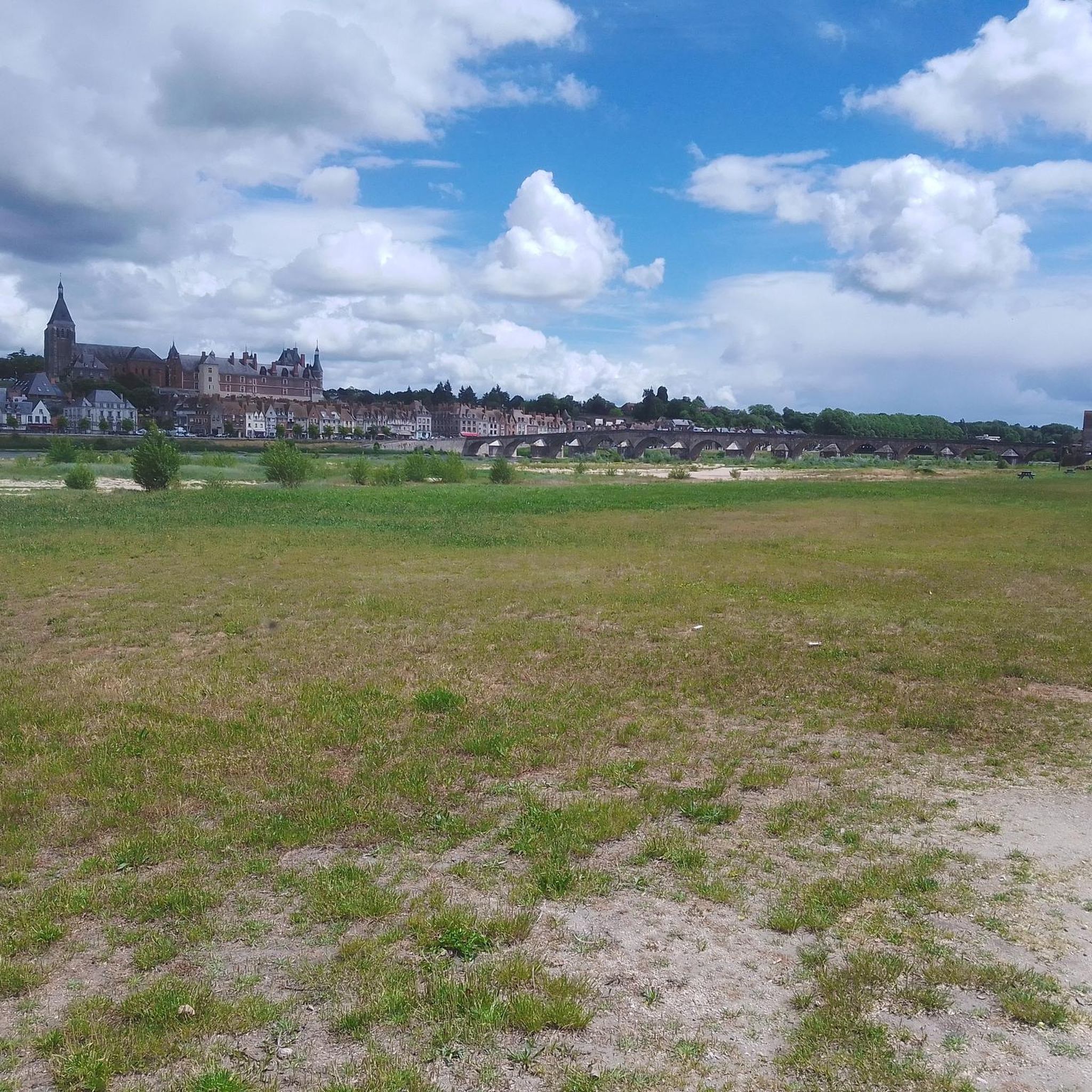
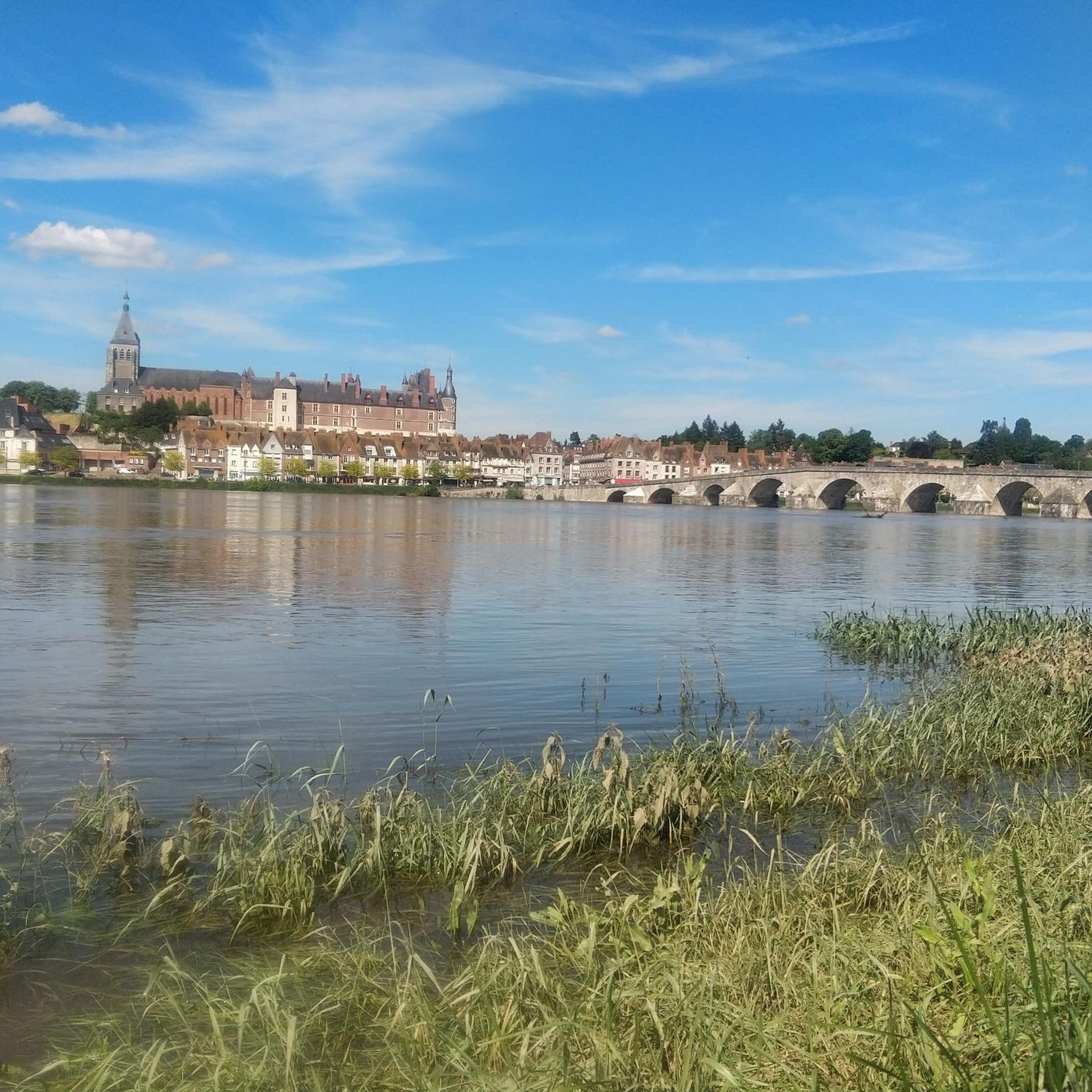
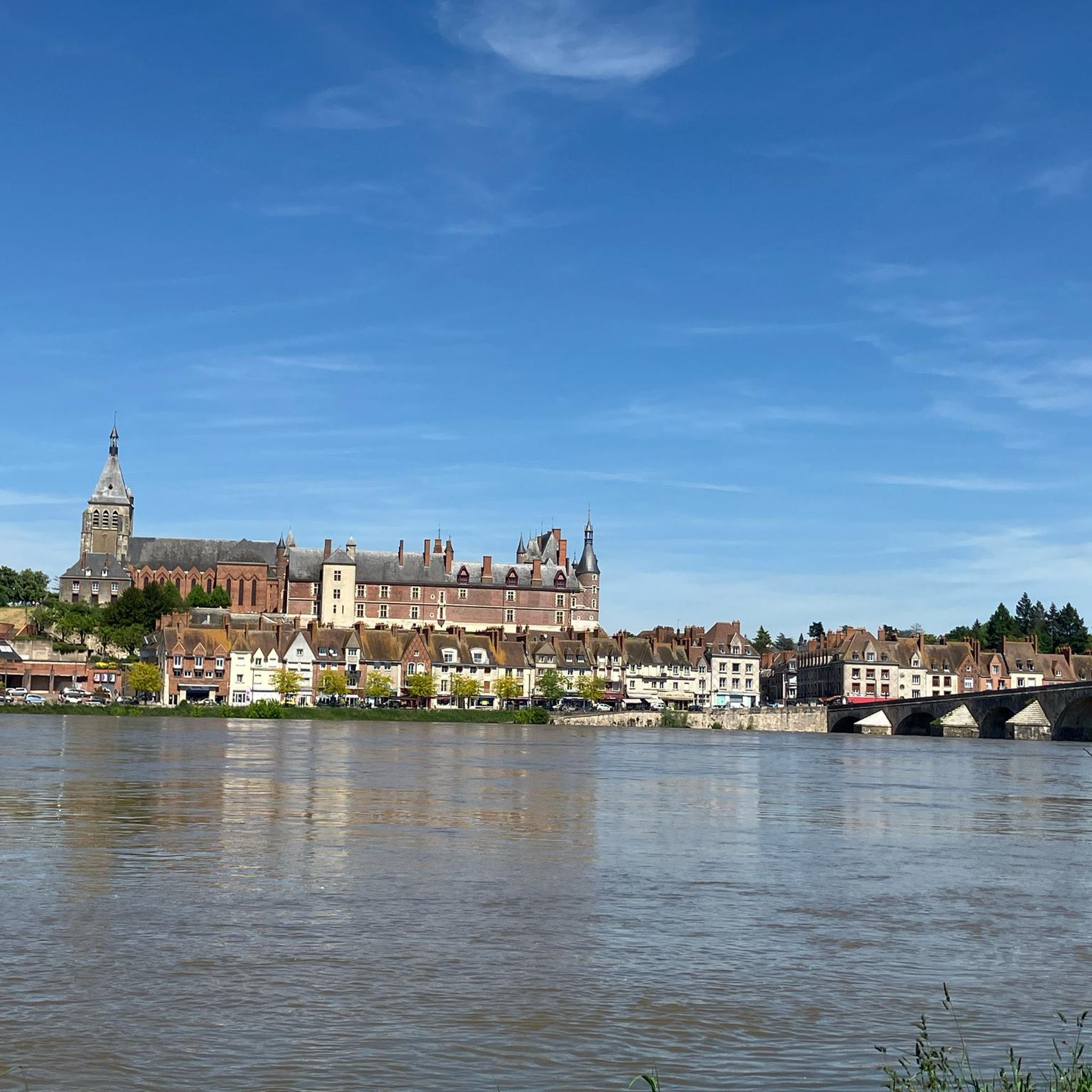
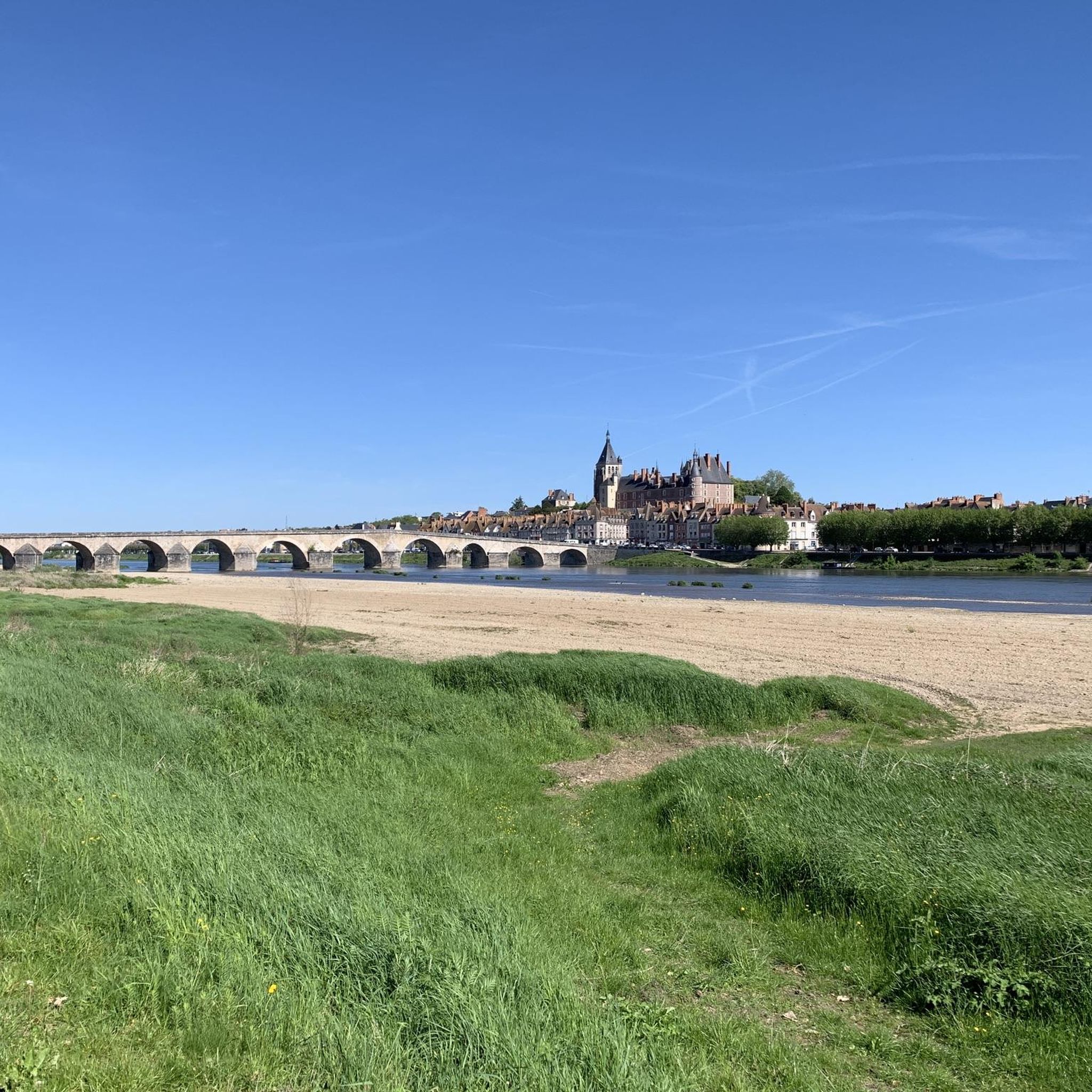
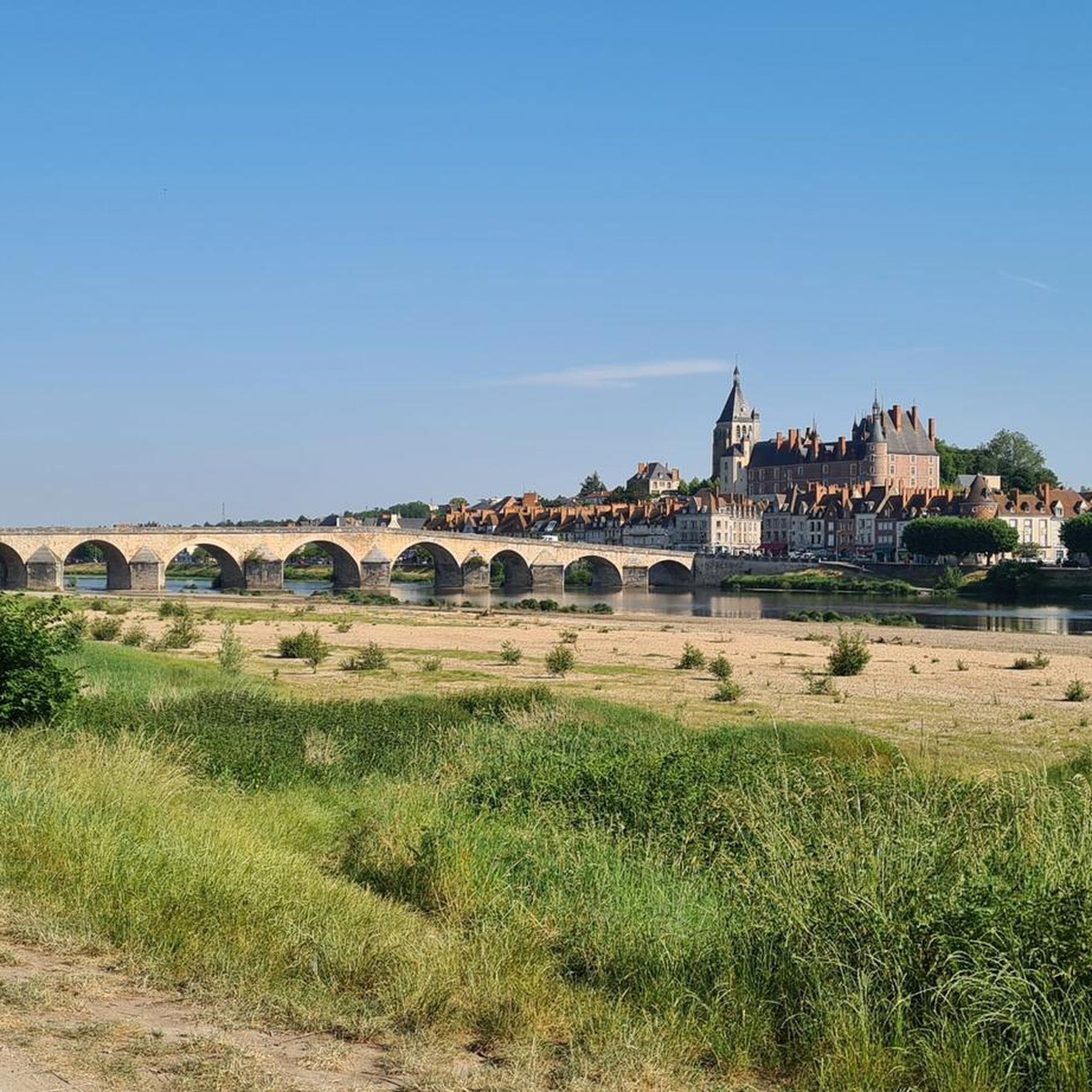
This beautiful Loire town is located at the gateway to Sologne, the Orléans forest and Burgundy. Gien is known throughout the world for its earthenware, a symbol of French know-how for 200 years. This is also where we find the first castle of the Loire on the course of the royal river. Built at the end of the 15th century, it dominates the city with its high brick walls.
0
0

The castle of Dampierre-en-Burly dates from the 15th and 16th centuries, when it belonged to the Cugnac family. Decorated by the painter Michel Dorigny, it was destroyed during the French Revolution. Only the clock tower, which serves as the entrance, remains of the original building. The current castle was rebuilt in the 19th century by Amédée de Béhague, an agronomist who created an estate of 2,000 hectares. The castle is not open to the public, but you can admire its architecture and gardens from the outside. You can also discover the neighboring village of Dampierre-en-Burly, which has remains of fortifications from the Middle Ages.
2
0
Le Petit Château in Autry-Le-Châtel is a 15th century castle where Madame de Sévigné stayed. It is surrounded by a magnificent park with trees and flowers. You will be able to admire the architecture of the castle, typical of the Renaissance period, with this plan of bricks and stones and its three different towers. You can also discover the neighboring village of Autry-le-Châtel, which has a rich heritage and a charming atmosphere. The castle is open to external visits in summer, by reservation only. During heritage days, certain interior rooms are also accessible to the public.
2
0

Between Gien and Briare, the Château de Saint-Brisson is a building that proudly watches over the waves of the Loire. Since its first stones in the 13th century, the castle has undergone various modifications, linked to the wars and to its owners. It has been listed as a historical monument since 1993. From now on, the castle of Saint-Brisson and its four floors which total more than 25 furnished rooms can be visited every summer.
2
0
Built in the 17th century on the base of an old fortification, the castle of Dampierre-en-Burly was completely renovated in the 19th century. Listed as historical monuments since 1928, it retains all its brilliance. However, it is not open to the public.
1
0
Nestled between Sologne, the national forest of Orléans and Burgundy, Gien is a must for hikers who walk along the Loire. Full of surprises, this small town is renowned for its earthenware, its castle and its excellent wines. Its dynamic city center invites you to relax. Do not hesitate to extend your stay in this city to discover all its secrets. To the north of the conurbation, the railway station is served daily by trains from Paris or Nevers.
1
0

The castle was built around the year 1500. It has changed hands several times over the centuries. At the end of the 19th century it was bought by the Loiret department. The castle then becomes the home of the "sous-préfecture", the court and the prison. The castle is a protected historical monument since 1840. In 1952 its destination changed and became the "Musée de la chasse" (the museum of the hunt).
1
0
Frequently Asked Questions
What are the most notable castles to visit around Saint-Gondon?
The most prominent castles in the area include the historic Château de Gien, known for its unique pre-Renaissance architecture and the International Hunting Museum. Another must-see is Château de Saint-Brisson-sur-Loire, which evolved from a fortress into a residence with many furnished rooms. Within Saint-Gondon, you can explore the ancient Ruines du Donjon de la Motte, an 11th-century keep.
Are there any medieval ruins to explore in Saint-Gondon itself?
Yes, in the heart of Saint-Gondon, you can visit the Ruines du Donjon de la Motte. These 11th-century keep ruins are a testament to the village's early medieval past and are listed as a Historic Monument. While only ruins, they offer a glimpse into defensive architecture. Guided visits of the historical core, including the motte, can be arranged by appointment through the local historical association.
Which castles offer a glimpse into different historical periods?
The region offers a fascinating journey through time. The Ruines du Donjon de la Motte in Saint-Gondon represent early medieval fortifications. The Château de Gien showcases pre-Renaissance and 15th-century transformations, while Château de Saint-Brisson-sur-Loire illustrates the evolution from a 13th-century fortress to a later residence. The Little Castle in Autry-Le-Châtel is a 15th-century Renaissance example.
Are there family-friendly castles with activities for children?
Both Château de Gien and Château de Saint-Brisson-sur-Loire are considered family-friendly. The International Hunting Museum at Gien offers interactive displays that can engage younger visitors. Saint-Brisson's many furnished rooms provide an immersive experience into historical daily life. The Little Castle also has a magnificent park that families can enjoy.
What is the best time of year to visit the castles around Saint-Gondon?
The summer months are generally ideal for visiting the castles. Château de Saint-Brisson-sur-Loire, for example, is open to visitors all summer. The Little Castle is also open for external visits in summer by reservation, with some interior access during heritage days. Visiting during warmer months allows for better enjoyment of the castle grounds and surrounding areas.
Are there any castles that are not open to the public?
Yes, the Château de Dampierre-en-Burly, a 17th-century castle, is not open to the public, though its architecture can be admired from the outside. Similarly, the Château de Dominuze in Saint-Gondon is a private residence and not accessible to visitors.
Can I find walking trails or outdoor activities near these castles?
Yes, the region offers various outdoor activities. You can find several walking trails, such as the 'Old Bridge of Gien – Gien Castle loop from Les Grands Boulards' or the 'Pont de Gien – Loire Riverside Walking Path loop from Gien'. For more options, explore the Hiking around Saint-Gondon guide. The areas around Château de Gien and Château de Saint-Brisson-sur-Loire, overlooking the Loire River, also provide scenic routes.
Are there opportunities for cycling near the castles?
Absolutely. The area around Saint-Gondon is well-suited for cycling. You can find numerous routes, including the 'Saint-Brisson Castle loop from Poilly-lez-Gien' for road cycling or various MTB trails like the 'Pont de Gien – Briare Aqueduct loop from Gien'. For detailed routes and more options, check out the Road Cycling Routes around Saint-Gondon and MTB Trails around Saint-Gondon guides.
What kind of views can I expect from the castles?
The castles offer diverse and picturesque views. From Château de Gien, you can enjoy highly praised panoramic views over the Loire River. The Château de Saint-Brisson-sur-Loire also proudly watches over the Loire, offering scenic river vistas. Even the ruins of the Donjon de la Motte provide a historical viewpoint within the village of Saint-Gondon.
Are there any castles that are particularly good for history enthusiasts?
History enthusiasts will appreciate the deep historical roots of the Château de Gien, which was originally a fortress built by Charlemagne and later transformed by Anne de Beaujeu. Its International Hunting Museum also provides rich historical context. The Château de Saint-Brisson-sur-Loire, with its evolution from a 13th-century fortress to a residence, offers a comprehensive look at changing architectural styles and daily life through centuries.
What makes the Château de Gien unique?
The Château de Gien is unique for several reasons. It is one of the oldest Loire châteaux and a significant example of pre-Renaissance architecture, particularly noted for its distinctive geometric patterns made of polychrome brickwork. It also houses the International Hunting Museum, displaying art, equipment, and historical context of hunting, making it a culturally rich visit.
Can I find cafes or restaurants near the castles?
The town of Gien, where the Château de Gien is located, has a dynamic city center with plenty of restaurants and cafes. For other castles, it's advisable to check local amenities in nearby villages. For example, the village of Autry-le-Châtel, near the Little Castle, has a charming atmosphere that may include local eateries.
Most popular routes around Saint-Gondon
Most popular attractions around Saint-Gondon

Get inspired with the komoot mobile app


Explore more
Looking for the best castles somewhere else? Discover other guides around Saint-Gondon:
