Attractions and Places To See around Les Bordes - Top 20
Attractions and places to see around Les Bordes, a commune in the Loiret department of north-central France, are primarily centered around the Les Bordes Estate within the Sologne Forest. This region is part of the UNESCO World Heritage Site of the Loire Valley. The area features historical sites, natural landscapes, and waterways.
Best attractions and places to see around Les Bordes
- The most popular attractions is Sully-sur-Loire Castle, a castle located on the banks of the Loire. Construction of this fortified castle began in 1396, with earlier traces dating back to 1102.
- Another must-see spot is Basilica of Saint Benedict at Fleury, a religious site. This abbey was built in the 11th century and continues to house a community of monks; its basilica can be visited outside of services.
- Visitors also love Grignon Locks and the Lockkeeper's House, a man-made monument. This site showcases three old locks and their lock house, dating from the 18th and 19th centuries, characteristic of the Orléans Canal.
- Les Bordes is known for its historical castles, religious sites, and canal infrastructure. The area offers a variety of attractions to see and explore, from ancient fortifications to significant religious buildings and historic waterways.
- The attractions around Les Bordes are appreciated by the komoot community, with more than 600 upvotes and 300 photos shared by visitors.
Last updated: July 2, 2026
Sully-sur-Loire Castle
Highlight • Castle
Translated by Google •
Tip by

Old railway bridge
Highlight • Bridge
Thanks to the work, cyclists can cross the Loire between Saint-Père-sur-Loire and Sully-sur-Loire in complete safety. Take your time to appreciate the magnificent views of the Château de Sully and the Loire!
Translated by Google •
Tip by

Sign up now to discover places like this
Get recommendations on the best single tracks, peaks, & plenty of other exciting outdoor places.
Sign up for free
Basilica of Saint Benedict at Fleury
Highlight • Other
Translated by Google •
Tip by
Grignon Locks and the Lockkeeper's House
Highlight • Monument
Translated by Google •
Tip by

Dampierre-en-Burly Castle
Highlight • Castle
Translated by Google •
Tip by

Sign up for free to discover even more attractions around Les Bordes.
Sign up for free
Already have an account?
Start today with a free account
Your next adventure awaits.
Login or Signup

Tips from the Community

Nestled in a meander of the Loire, the town of Saint-Benoît-sur-Loire is home to one of the most beautiful jewels of Romanesque architecture: an 11th and 12th century basilica including the porch tower, decorated with twelve historic capitals. , the monumental portal and the nave constitute the most remarkable elements. Founded around 650 on the grounds of an ancient Gallo-Roman villa, Fleury Abbey has housed the relics of Saint Benedict, founder of Western monasticism and patron saint of Europe, since 672. During the 8th century, the patronage of the Prince of the Apostles was abandoned for that of Saint Benedict. This event is at the origin of the rapid expansion, prosperity and influence of the abbey which became Saint-Benoît de Fleury, while the village later became that of Saint-Benoît-sur-Loire. In the 9th century, after the ordeal of the Norman invasions which pillaged and destroyed the monastery, Fleury Abbey flourished again. The 10th and 11th centuries were the great era of Fleury's spiritual, intellectual and artistic influence. The construction of Fleury was probably completed in 1218. A few centuries later, the Hundred Years' War and the Wars of Religion ruined the monastery and disrupted regular life, the community's numbers collapsed. The French Revolution will end up dispersing the community of Fleury Abbey. But in 1944, a community of around forty monks resettled in the area and undertook the reconstruction of the monastery. A community of thirty-three monks lives there today under the direction of Father Abbot Etienne Ricaud. In 1947, the fourteenth centenary of the death of Saint Benedict led the abbey to be elevated to the status of a basilica. The visitor is invited to admire the fabulous historic capitals present in the porch tower, the nave and the choir; the magnificent paving which extends around the altar as well as the crypt where the relics of the patron saint rest. Not to be missed is the north portal and its monumental lintel carved in high relief.
1
0

We already find traces of a monastery in Fleury in the year 620. In 660, relics of Saint-Benoît were brought there and the abbey became Saint-Benoît de Fleury. Around the year 1000, the abbey experienced a golden age and the construction of the current basilica was launched. It will be consecrated in 1218. From the 16th to the 18th century, wars and the Revolution damaged the monastery. However, a community of 24 monks still lives there today.
0
0

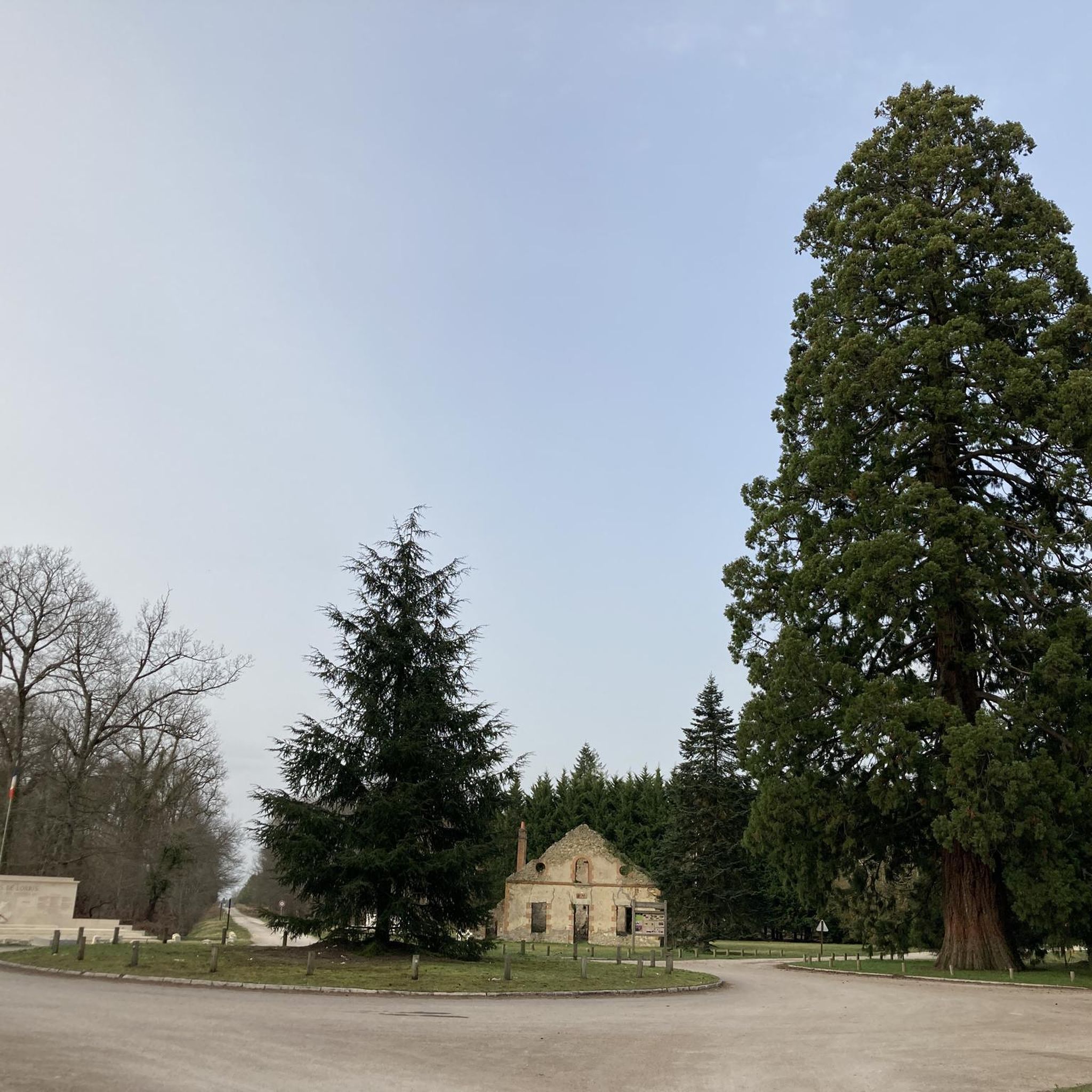
The castle of Dampierre-en-Burly dates from the 15th and 16th centuries, when it belonged to the Cugnac family. Decorated by the painter Michel Dorigny, it was destroyed during the French Revolution. Only the clock tower, which serves as the entrance, remains of the original building. The current castle was rebuilt in the 19th century by Amédée de Béhague, an agronomist who created an estate of 2,000 hectares. The castle is not open to the public, but you can admire its architecture and gardens from the outside. You can also discover the neighboring village of Dampierre-en-Burly, which has remains of fortifications from the Middle Ages.
2
0
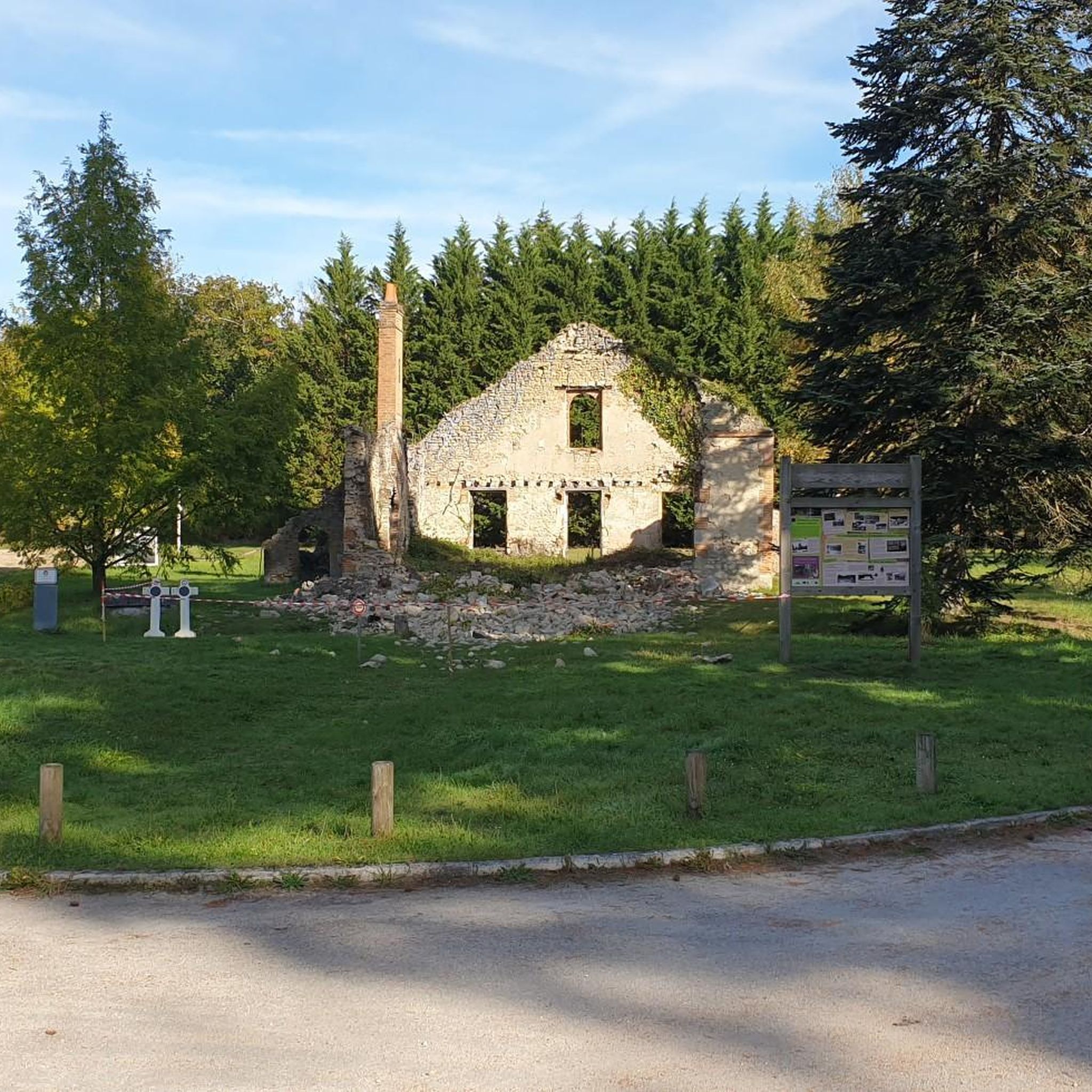
This site is most characteristic of the Orléans Canal, which was once a vital waterway for transporting timber and other materials from the Orléans Forest to Paris. You can admire the three old locks and their lock house, which date from the 18th and 19th centuries. You can also see the small forge, built in 1821, which has a charming facade with a circular window. The site also includes a garden with remains of the original ponds. You can enjoy peaceful water and forest views, and perhaps spot the Belle de Grignon, a replica of a 19th century barge that was built by local enthusiasts. The Grignon site is an ideal place to discover the heritage and natural riches of the Loiret.
2
0

Built in the 17th century on the base of an old fortification, the castle of Dampierre-en-Burly was completely renovated in the 19th century. Listed as historical monuments since 1928, it retains all its brilliance. However, it is not open to the public.
1
0
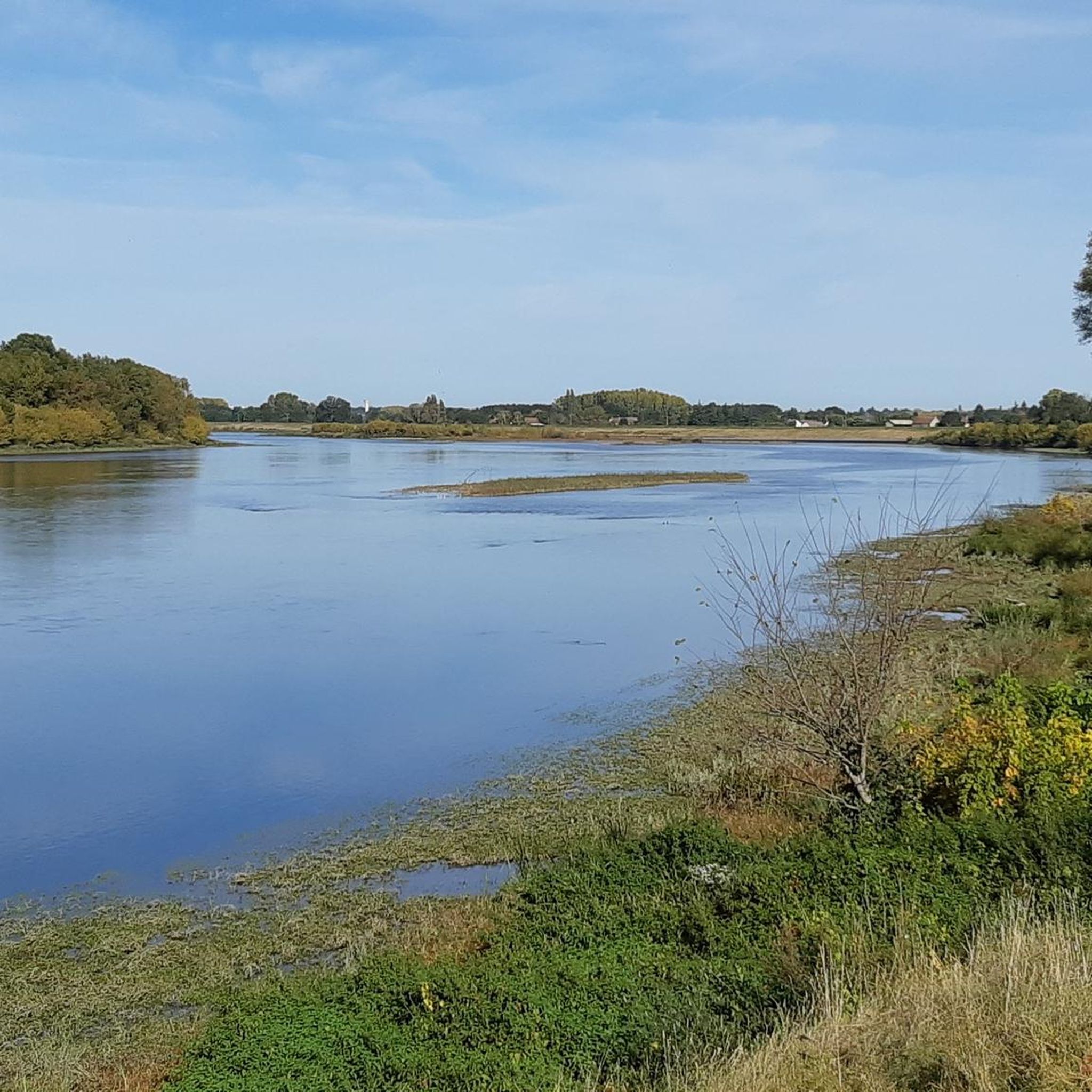
This railway viaduct was built between 1877 and 1880. Since 2011, no more railway traffic uses the bridge. Transformation works started in 2019 and, since May 2020, the bridge has been dedicated to bicycles and pedestrians. Thanks to the works, everyone can cross the Loire between Saint-Père-sur-Loire and Sully-sur-Loire in complete safety. Take your time to enjoy the magnificent views of the Château de Sully and the Loire!
1
0
Fleury Abbey, whose foundation dates back to the seventh century, still hosts 25 monks today. Its basilica (Saint-Benoît) can be visited outside the services. The monastery also welcomes pilgrims in search of silence, seeking to return to the presence of God.
2
0

The fortified castle of Sully-sur-Loire is located on the banks of the Loire, along the Eurovélo 6 cycle path. The construction of the current castle began in 1396 but traces of castles at this location date back to 1102. Nowadays, the castle, its moats and its park are perfectly maintained and it is possible to visit the castle alone or on a guided tour.
0
0
Frequently Asked Questions
What historical sites can I visit near Les Bordes?
The area around Les Bordes is rich in history. You can explore the impressive Sully-sur-Loire Castle, a fortified castle on the banks of the Loire with origins dating back to 1102. Another significant religious site is the Basilica of Saint Benedict at Fleury, an 11th-century abbey that still houses a community of monks. Additionally, the Grignon Locks and the Lockkeeper's House offer a glimpse into 18th and 19th-century canal infrastructure, characteristic of the Orléans Canal.
Are there family-friendly activities around Les Bordes?
Yes, several attractions near Les Bordes are suitable for families. The Sully-sur-Loire Castle, the Basilica of Saint Benedict at Fleury, and the Grignon Locks and the Lockkeeper's House are all categorized as family-friendly. Within the private Les Bordes Estate, there are also family amenities like a Kids' Club, a petting zoo, a go-cart track, and pony riding. The wider Loire Valley offers activities like cycling and exploring châteaux.
What natural features can I explore near Les Bordes?
Les Bordes is situated within the Sologne Forest and the UNESCO World Heritage Site of the Loire Valley, offering diverse natural landscapes. The private Les Bordes Estate features over 76 protected wetland areas and various lakes. You can explore 1,400 acres of natural woodland via nature trails. The Loire River itself, known as the 'Garden of France,' provides opportunities for paddleboarding, kayaking, and boat tours. The Grignon Locks site also offers peaceful water and forest views.
What outdoor activities can I do near these attractions?
The region around Les Bordes is excellent for outdoor activities. You can find numerous cycling routes, including easy to difficult options for touring bicycles and gravel biking. For example, there are routes like the 'Sully-sur-Loire Castle loop from Les Bordes' for cycling. Running enthusiasts can explore trails such as the 'Trail of the Maquisards' or shorter loops from Maison forestière d'Ouzouer sur Loire. You can find more details on these activities in the Cycling around Les Bordes, Gravel biking around Les Bordes, and Running Trails around Les Bordes guides.
Are there any notable religious sites in the area?
Yes, the Basilica of Saint Benedict at Fleury is a significant religious site near Les Bordes. This abbey, built in the 11th century, continues to house a community of monks, and its basilica is open to visitors outside of services. Further afield in the Loire Valley, Bourges Cathedral is another prominent 13th-century religious building.
What do visitors enjoy most about the attractions around Les Bordes?
Visitors appreciate the blend of history and natural beauty. They particularly enjoy exploring the well-maintained Sully-sur-Loire Castle, with options for self-guided or guided tours. The peaceful and historic atmosphere of the Basilica of Saint Benedict at Fleury is also highly valued. The Grignon Locks are noted for their historical significance and the charming views of the canal and surrounding forest.
Can I find golf courses near Les Bordes?
Les Bordes is renowned for its world-class golf facilities, primarily within the exclusive Les Bordes Estate. It features two 18-hole championship courses: 'The Old Course' and 'The New Course,' along with a 10-hole par-three course called 'The Wild Piglet.' The estate also boasts a driving range and Europe's largest putting green, known as The Himalayas.
Are there opportunities for cycling near Les Bordes attractions?
Absolutely. The Loire Valley is famous for its cycling routes, including the extensive 'La Loire à Vélo' network. Near Les Bordes, you can find various cycling tours, such as the 'Sully-sur-Loire Railway Bridge – Sully-sur-Loire Castle loop from Les Bordes,' which is a moderate 53 km ride. Many routes connect towns, châteaux, vineyards, and forests. For more options, refer to the Cycling around Les Bordes guide.
What are some lesser-known historical gems in the area?
Beyond the major landmarks, the Grignon Locks and the Lockkeeper's House offer a unique historical insight into the Orléans Canal's past as a vital waterway. You can admire the three old locks, their lock house, and a small forge dating from 1821. Another interesting site is the Choiseau lock, built in 1690 and now listed as a Historic Monument, which recently regained its former appearance with new solid oak doors.
Are there any unique water-based activities or features?
The region offers several water-based attractions. The Grignon Locks and the Lockkeeper's House highlight the historical significance of the Orléans Canal. Within the Les Bordes Estate, there's a heated, filtered natural swimming lake with a white sand beach, and fishing is available in dedicated lakes. The broader Loire Valley also provides opportunities for paddleboarding, kayaking, and boat tours on the Loire River.
What kind of wildlife or nature can I expect to see?
The Sologne Forest and the protected wetland areas within the Les Bordes Estate are home to diverse flora and fauna. While specific wildlife isn't detailed, the 1,400 acres of natural woodland and the 76 protected wetland areas suggest a rich ecosystem. The Loire River itself is a significant natural habitat. The petting zoo on the Les Bordes Estate features animals like chickens, goats, donkeys, and rabbits.
Can I find places to eat or drink near the attractions?
While specific cafes or restaurants directly adjacent to every attraction are not detailed, the wider Loire Valley is known for its gastronomy, with over 20 Michelin-starred restaurants and numerous vineyards offering wine-tasting experiences. Within the Les Bordes Estate, a social hub called Le Village is planned to include a bakery and cafe. Nearby towns like Issoudun, Reuilly, and Bourges also offer local markets and dining options.
Most popular routes around Les Bordes

Get inspired with the komoot mobile app


Explore more
Still not found the Highlight you’re looking for? See guides of the top attractions in other regions:
