Attractions and Places To See around Champoulet - Top 14
Best attractions and places to see around Champoulet include a blend of historical sites and natural features. Located in the Loiret department of north-central France, this commune is characterized by its rural landscape, marked by ponds and woodlands. The area is part of the Puisaye region, known for its bocage landscape and rich biodiversity, including the Trézée River and several streams. Champoulet offers visitors opportunities to explore its natural heritage and historical landmarks.
Best attractions and places to see around…
Last updated: July 7, 2026
Rogny – The Seven Locks
Highlight • Bridge
Translated by Google •
Tip by

Château de Saint-Fargeau
Highlight • Castle
At the beginning of the 13th century, …
Translated by Google •
Tip by

Sign up now to discover places like this
Get recommendations on the best single tracks, peaks, & plenty of other exciting outdoor places.
Sign up for free
Seven Locks of the Briare Canal
Highlight • Monument
Translated by Google •
Tip by

Muguet Castle
Highlight • Castle
Translated by Google •
Tip by
The 7 Locks
Highlight • Monument
Translated by Google •
Tip by
Sign up for free to discover even more attractions around Champoulet.
Sign up for free
Already have an account?
Start today with a free account
Your next adventure awaits.
Login or Signup


Tips from the Community

Spectacular and original. A must-see.
0
0

Tours and events: https://www.chateau-de-st-fargeau.com
1
0

Things to do and have a drink at the hostels!
0
0

Impressive remains from a time when river transport was essential. This gigantic work of art, designed by Henri IV and the Duke of Sully around 1597, in order to connect the Mediterranean to the Ocean and the Channel by bringing together the Loire and Seine rivers using a canal. The work, led by engineer Hugues Cosnier, lasted 38 years and required 6,000 workers to overcome the 24-metre drop in altitude of the hill.
0
0

Vestige of a work which ultimately had very little use (I invite you to read the panels at the bottom, very informative)
0
0

Château du Muguet is a 19th century castle that hosted a crucial meeting between French and British leaders during World War II. You can admire the neo-Louis XIII style architecture of the castle and its stables, which are classified as historic monuments. You can also explore the surrounding forest and lake, where you can enjoy nature and wildlife.
2
0

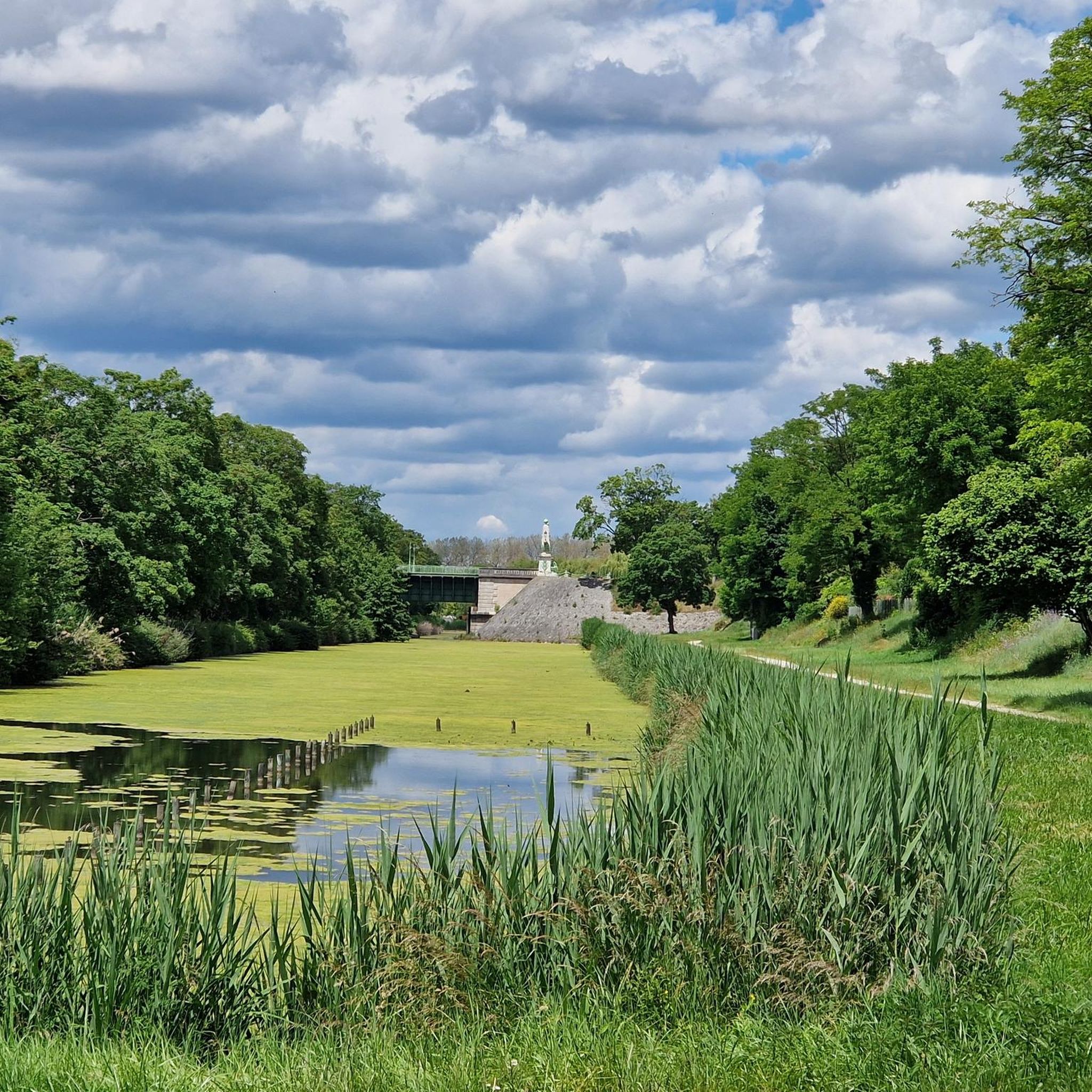
The seven locks located here on the Briare canal gave their name to the village in 1978. Initiated by Henri IV, this spectacular work was built during the 16th century. This allows the canal which connects the Seine and the Loire to overcome 24 meters of difference in height. From now on, the new canal route, established since 1887, goes around the hills.
0
1

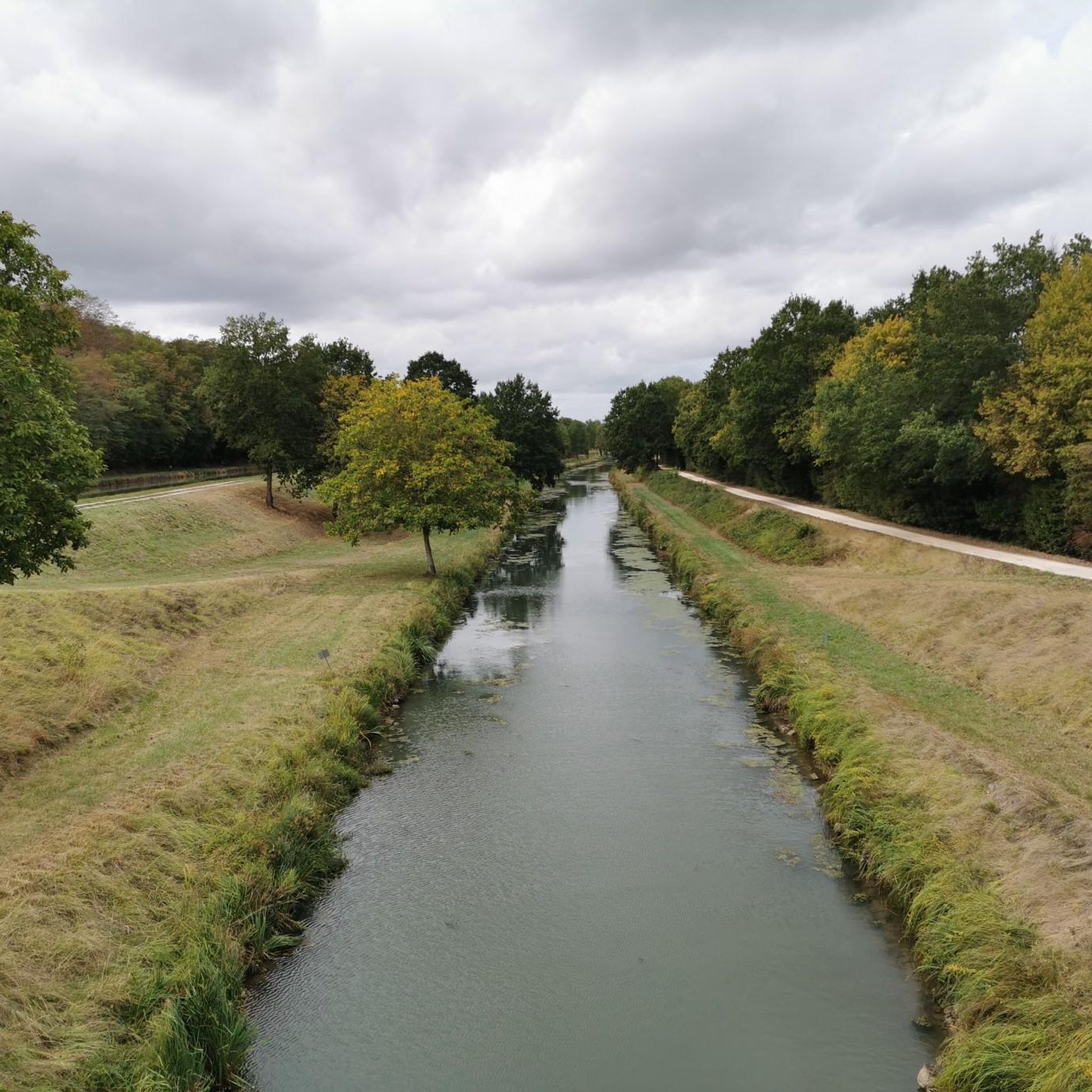
Connecting “de Loire en Seine”, two river basins by a canal with locks fed by a reservoir reach on the watershed line, such was the audacious project conceived at the end of the 16th century. by the engineer Hugues Cosnier, encouraged by Henri IV and his minister Sully. The construction of the canal - the current Briare canal - began in 1604: twelve thousand workers worked there, protected from the threats of the large landowners by six thousand troops. An exceptional work of art, consisting of six, then seven locks adjoining, made it possible to overcome a drop of 24 meters. Commissioned in 1642, they operated without interruption until 1887, when a new route was opened around the hill, with six spaced locks, adapted to the new Freycinet gauge. The Seven Locks of Rogny remain an astonishing work of art.
0
1
Frequently Asked Questions
What historical landmarks can I visit in and around Champoulet?
Champoulet and its surroundings are rich in history. You can see the exterior of the historic Château de Champoulet, also known as Château de la Tuilerie, which dates back to 1444. Nearby, the Église Saint-Roch was originally the castle's chapel. Further afield, the impressive Château de Saint-Fargeau, with origins from the tenth century, is a must-see. Don't miss the Muguet Castle, a 19th-century château with significant WWII history.
Are there any significant natural features to explore in Champoulet?
Yes, Champoulet is known for its natural beauty. The Étang de la Tuilerie, the second largest pond in the Loiret department, is a significant natural feature, recognized for its ecological importance and rich birdlife. The commune also boasts a Natura 2000 site and four 'Zones Naturelles d'Intérêt Écologique, Faunistique et Floristique' (ZNIEFF), highlighting its remarkable natural heritage. The La Trézée River and other small streams also contribute to the area's biodiversity.
What family-friendly attractions are available near Champoulet?
Several attractions around Champoulet are suitable for families. The historical canal structures like the Seven Locks of the Briare Canal and Rogny – The Seven Locks are fascinating for all ages. The Château de Saint-Fargeau often hosts historic sound and light shows, which can be very engaging for children. Exploring the trails around the numerous ponds, such as the Étang de la Tuilerie, also offers a pleasant family outing.
What outdoor activities can I do around Champoulet?
The rural landscape of Champoulet and the wider Puisaye region is ideal for outdoor activities. You can enjoy hiking on trails of varying difficulty, with options like the 'Le Château de Saint-Fargeau' loop or 'Les 7 Écluses' loop. Cycling is also popular, with routes such as the 'Castles and a Historic Canal Loop'. For mountain biking enthusiasts, there are moderate trails around Rogny-les-Sept-Écluses and Ouzouer-sur-Trézée. You can find more details on routes in the Hiking around Champoulet, MTB Trails around Champoulet, and Cycling around Champoulet guides.
Are there hiking trails near the attractions in Champoulet?
Yes, there are several hiking trails that allow you to explore the area's attractions and natural beauty. For example, you can find easy to moderate loops around Saint-Fargeau, such as the 'Le Château de Saint-Fargeau' loop, or trails around Rogny-les-Sept-Écluses like 'Les 7 Écluses' loop. These trails often pass by historical sites or natural features like ponds. For a comprehensive list of routes, refer to the Hiking around Champoulet guide.
What is the significance of the canal structures near Champoulet?
The canal structures near Champoulet, particularly the Seven Locks of the Briare Canal and Rogny – The Seven Locks, are part of Henry IV's monumental project to connect the English Channel to the Mediterranean Sea. These impressive feats of engineering were crucial for connecting the Loire and Seine rivers and are considered significant historical sites. The town of Rogny was even officially named after its seven locks in 1978.
What is the Puisaye region, and how does Champoulet fit into it?
Champoulet is located within the Puisaye region, an area known for its distinctive bocage landscape, characterized by a mosaic of ponds and woodlands. This region boasts a rich historical and rural heritage, featuring typical stone or half-timbered houses, churches with mural paintings, and Gallo-Roman mosaics. Champoulet embodies this regional character with its rural setting, historical landmarks, and significant natural areas like the Étang de la Tuilerie.
Can I visit the Château de Champoulet?
The Château de Champoulet (also known as Château de la Tuilerie) is a private domain. While its interior is not open to the public, you can still admire its exterior. The castle stands on a moated platform, and its chapel later became the Saint-Roch church, which is accessible.
What is the best time of year to visit Champoulet for outdoor activities?
The best time to visit Champoulet for outdoor activities is generally during the spring (April to June) and early autumn (September to October). During these periods, the weather is typically mild and pleasant, ideal for hiking, cycling, and exploring the natural features like the Étang de la Tuilerie and the surrounding woodlands. The birdlife is also particularly active during migration in spring and autumn.
What do visitors enjoy most about the attractions around Champoulet?
Visitors particularly appreciate the blend of historical significance and natural beauty. The engineering marvels of the canal locks, such as the Seven Locks of the Briare Canal, are often highlighted for their impressiveness. The historical depth of castles like Château de Saint-Fargeau and Muguet Castle, combined with the peaceful rural landscapes and opportunities for outdoor exploration, are frequently mentioned as enjoyable aspects.
Is there a major cycling route near Champoulet?
Yes, Champoulet is located near the Scandibérique (EuroVelo 3), which is a major European cycling route. This route traverses France from Belgium to Spain, offering excellent opportunities for cycling enthusiasts to explore the region and beyond.
What is the Battle of Bléneau, and where is it commemorated?
The Battle of Bléneau was a significant event marking the end of the Fronde on April 7, 1652, where Louis XIV's army, led by Vicomte de Turenne, defeated the Prince de Condé's forces. A stele commemorating this battle has been erected near the Étang de la Tuilerie, offering a historical point of interest within the natural landscape.

Get inspired with the komoot mobile app


Explore more
Still not found the Highlight you’re looking for? See guides of the top attractions in other regions:
