The best road cycling routes around Saint-Aubin-Des-Ormeaux
4.3
(86)
1,953
riders
373
rides
Road cycling routes around Saint-Aubin-Des-Ormeaux traverse the Vendée bocage, a landscape characterized by meadows, hedgerows, and green lanes. The region features gentle hillsides and river valleys, particularly along the Sèvre Nantaise, providing varied terrain for cyclists. Riders can expect to encounter open fields and forested areas, offering diverse scenery throughout their journeys. This area is integrated into the Vendée Vélo network, providing extensive cycling infrastructure.
Best road cycling routes around Saint-Aubin-Des-Ormeaux
- The most popular road cycling route is Château and…
Last updated: November 2, 2026
4.3
(3)
20
riders
Moderate road ride. Good fitness required. Some segments of this route may be unpaved and difficult to ride.
5.0
(1)
17
riders
Moderate road ride. Good fitness required. Some segments of this route may be unpaved and difficult to ride.

15
riders
Hard road ride. Very good fitness required. Mostly well-paved surfaces and easy to ride.
6
riders
47.8km
02:00
240m
240m
Easy road ride. Mostly well-paved surfaces and easy to ride.
3.0
(1)
9
riders
Moderate road ride. Good fitness required. Mostly well-paved surfaces and easy to ride.
Get access to more routes and recommendations from other explorers.
Already have an account?
Our route recommendations are based on thousands of hikes, rides, and runs completed by other people on komoot.
Start today with a free account
Your next adventure awaits.


Tips from the Community

Very beautiful 11th-century castle, unfortunately heavily damaged during the War in the Vendée. Rebuilt in the Renaissance style in the 19th century.
0
0
Coated in cement, the mill tower is not the most beautiful in the region, but the 13-meter-long blades are very impressive.
0
0

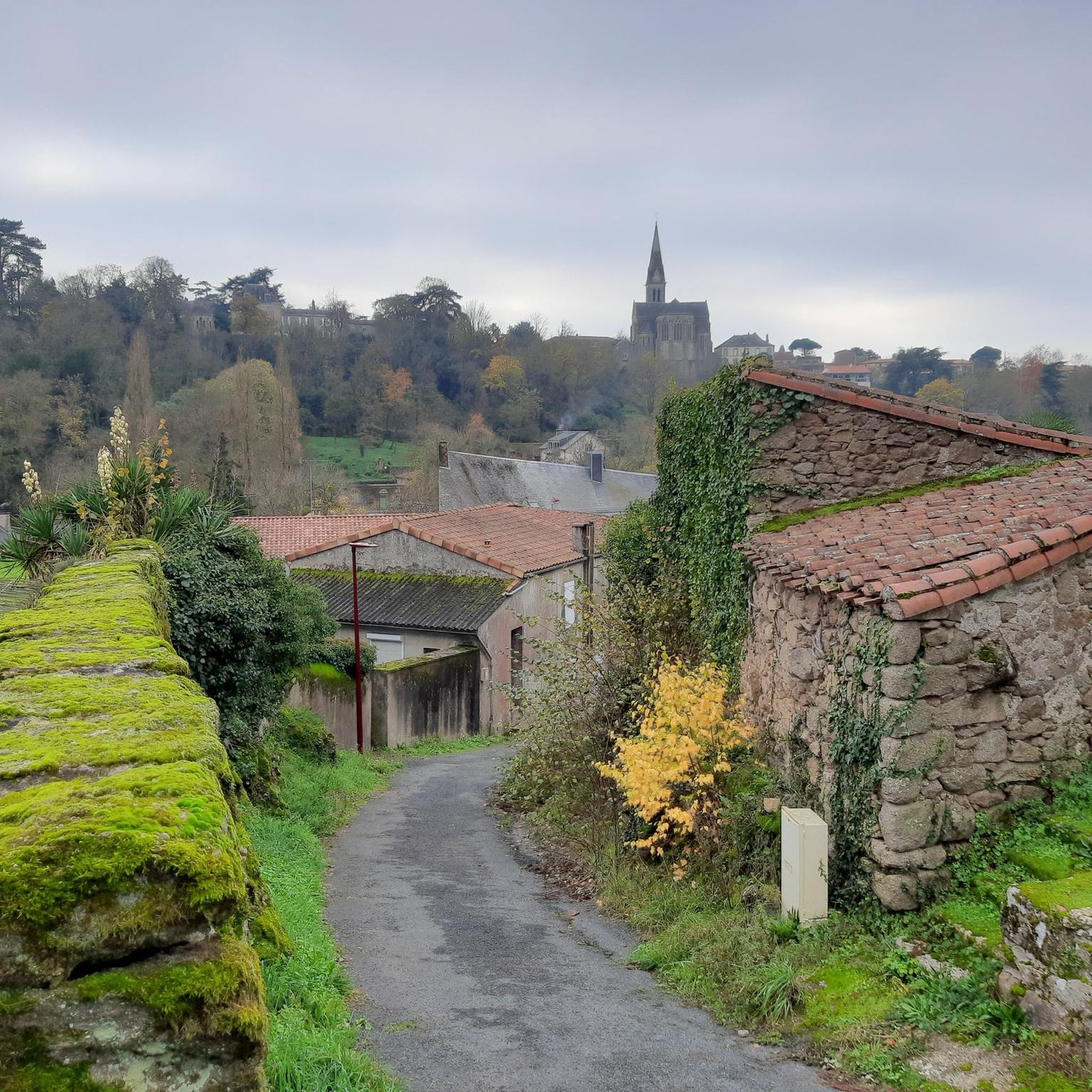
The modest Chapel of Saint Anne is the last vestige of the parish church of Saint Vincent. In the second half of the 11th century, the Chapel of Saint Anne was built. It adjoins the southern flank of a pre-existing castle chapel, probably contemporary with the keep, which dates from the late 10th or early 11th century. At an undetermined date, the two chapels were extended westward and became the chevet of the parish church of Saint Vincent. This extension was completed before 1646, the date at which a drawing by L. Doomer, preserved at the Dobrée Museum in Nantes, shows the complete building. In 1683, Archdeacon Binet described the dilapidated Church of Saint Vincent and the choir on the verge of ruin. No one dared touch it because it belonged to the lord of La Galissonnière and Le Pallet. We can therefore assume that the nave itself belongs to the parish, which is responsible for its upkeep. The choir, a former castle chapel, disappeared during the Revolution. The old church was razed in 1853, and only the Sainte-Anne chapel was spared thanks to the intervention of Prosper Mérimée. A new church was built on a new site in the village, reusing the stones from the old building. In addition to its dilapidated condition, the old church had the disadvantage of being located far from the village. The chapel was listed as a historical monument in 1941 (decree of August 9). It was restored in 1957. NOTE: THE CHURCH HAS BEEN CLOSED SINCE JULY 23, 2018, FOR INDEFINITE WORK.
1
0
A large medieval castle. It features themed shows, including siege engine demonstrations.
1
0
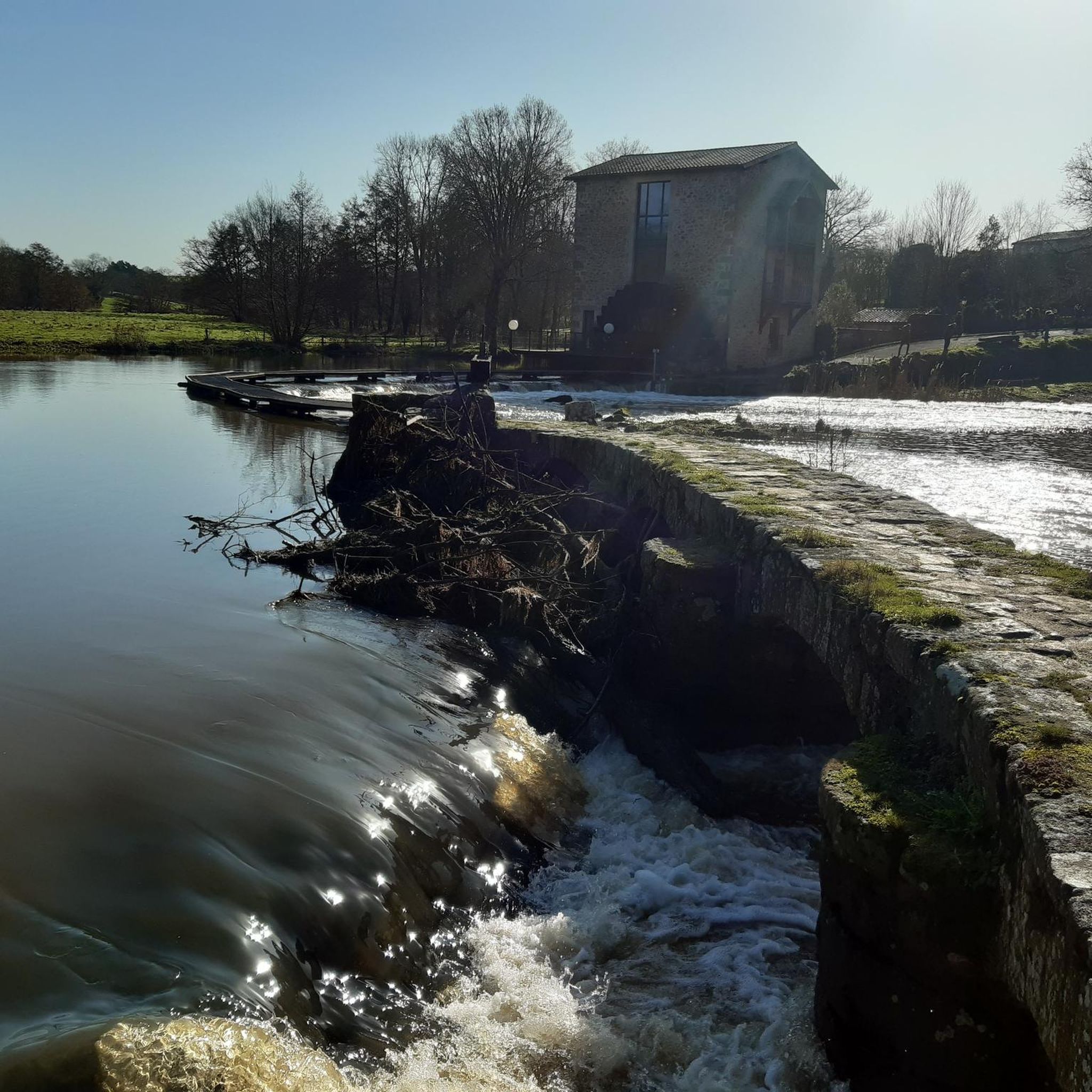
Another beautiful site on the Sèvre Nantaise, with the unusual feature this time: it's not only at the crossroads of three departments (LA, Vendée, and M&L), a rather common occurrence, but also of three former provinces: Brittany, Poitou, and Anjou. The crossroads is formed by the Sèvre on one side and its tributary, the Bon Débit, on the other. The inn of the same name looks very nice; in any case, the setting is splendid.
0
0


In this medieval castle (14th century) with a tower and an interior courtyard, lived in the 18th century, Roland Michel Barrin, Marquis de la Galissonnière. Lieutenant general of the Naval Armies, he distinguished himself in particular at Fort Mahon in 1756, victorious against the English. Passionate about natural history and botany, he brought back from his distant travels and especially from Canada, of which he was governor in 1747, a large number of trees or flowers little known at the time: magnolia, begonia, tulip tree, sassafras , pines and oaks... Some species still survive on the property. During the Revolution the castle was partly demolished. It was also on this property that the first Muscadet vines were planted in 1730. https://www.chateaugalissonniere.fr/decouvert.cfm
0
0
Frequently Asked Questions
What kind of terrain can I expect when road cycling around Saint-Aubin-Des-Ormeaux?
The region around Saint-Aubin-Des-Ormeaux is characterized by the Vendée bocage, featuring meadows, hedgerows, and green lanes. You'll encounter gentle hillsides and river valleys, particularly along the Sèvre Nantaise, offering varied terrain. Routes often traverse open fields and forested areas, providing diverse scenery.
Are there road cycling routes suitable for beginners or those looking for an easy ride?
Yes, Saint-Aubin-Des-Ormeaux offers several easy road cycling routes. An example is the Grenon Hill – Camping des Hautes Herbes loop from Le Longeron, which is 17.2 miles (27.7 km) long and leads through gentle hills and rural settings.
What are some challenging road cycling routes in the area?
For experienced cyclists seeking a challenge, the Valley of the Three Provinces – The Arsenal loop from Torfou - Le Longeron - Tiffauges is a difficult route. It spans 93.6 miles (150.6 km) and features over 3,600 feet of elevation gain through varied landscapes.
What attractions or landmarks can I see along the road cycling routes?
Many routes offer scenic views and pass by notable landmarks. You might encounter the historic Tiffauges Castle, the largest medieval site in Western France, or the Valley of the Three Provinces. Other points of interest include the Mont des Alouettes with its windmills and chapel, and various traditional farms and calvaries.
Is Saint-Aubin-Des-Ormeaux well-equipped for cyclists in terms of infrastructure?
Absolutely. Saint-Aubin-Des-Ormeaux is integrated into the extensive "Vendée Vélo" network, which boasts nearly 1,800 km of cycle paths and 1,160 km of road cycling routes. This infrastructure ensures well-marked, safe, and diverse itineraries for all levels of cyclists.
What is the best time of year for road cycling in Saint-Aubin-Des-Ormeaux?
The region benefits from a pleasant climate, making spring and early autumn ideal for road cycling. During these seasons, the weather is generally mild, and the natural landscapes of the bocage countryside are particularly vibrant and enjoyable for long rides.
Are there family-friendly road cycling options available?
While road cycling routes can vary in difficulty, the extensive Vendée Vélo network includes many paths suitable for families. Routes with gentler gradients and quieter roads, often found in the bocage countryside, are good choices for a family outing. Always check the route details for elevation and traffic levels to ensure it meets your family's needs.
Can I find cafes or restaurants along the cycling routes for a break?
Yes, many villages and towns along the cycling routes in the Vendée region, including those near Saint-Aubin-Des-Ormeaux, offer cafes, restaurants, and local shops where you can stop for refreshments, a meal, or to refill water bottles. Planning your route with potential stops in mind is recommended.
What do other road cyclists think about the routes in Saint-Aubin-Des-Ormeaux?
The road cycling routes in Saint-Aubin-Des-Ormeaux are highly rated by the komoot community, with an average score of 4.2 stars from over 75 reviews. Cyclists often praise the varied landscapes, from wooded countryside to river valleys, and the well-maintained, quiet roads.
Are there any specific permits required for road cycling in this region?
Generally, no specific permits are required for road cycling on public roads and designated cycle paths in the Vendée region. However, always respect local signage and regulations, especially when cycling through private land or protected natural areas.
How many road cycling routes are available around Saint-Aubin-Des-Ormeaux?
There are over 350 road cycling routes available around Saint-Aubin-Des-Ormeaux, catering to various skill levels from easy to difficult. This extensive selection ensures there's a ride for every preference.
Is it possible to combine road cycling with a visit to a historical site?
Absolutely. The region is rich in history. For instance, you can cycle to Tiffauges and visit the impressive Château de Tiffauges, which often hosts medieval-themed events.
What is the elevation profile like on the moderate routes?
Moderate routes typically feature a balanced amount of climbing. For example, the Château and Étang d'Asson – St Martin loop from Chanverrie, a 30.8-mile (49.5 km) path, includes approximately 288 meters (945 feet) of elevation gain, offering a good workout without being overly strenuous.
Most popular routes around Saint-Aubin-Des-Ormeaux
Most popular attractions around Saint-Aubin-Des-Ormeaux

Get inspired with the komoot mobile app


Explore more
Browse the best Road cycling routes in other regions.
