The best walks and hikes around Cugand
4.9
(177)
859
hikers
25
hikes
Hiking around Cugand offers diverse landscapes centered around the Sèvre Nantaise river, which meanders through the commune. The area is characterized by a bocage landscape with hedgerows and sunken lanes, providing varied terrain. Traces of the region's industrial past, such as old mills, are visible along the riverbanks, adding historical context to the natural beauty.
Best hiking trails in Cugand
- The most popular hiking route is Hucheloup Footbridge – The Rousselin mill loop from Cugand, a 12.7 miles (20.5…
Last updated: July 9, 2026
4.5
(23)
94
hikers
20.5km
05:25
190m
190m
Hard hike. Very good fitness required. Easily-accessible paths. Suitable for all skill levels.
4.8
(17)
77
hikers
7.99km
02:06
70m
70m
Moderate hike. Good fitness required. Easily-accessible paths. Suitable for all skill levels.

Sign up for free
4.8
(8)
46
hikers
18.4km
04:52
170m
170m
Moderate hike. Good fitness required. Easily-accessible paths. Suitable for all skill levels.
4.9
(7)
28
hikers
15.0km
03:56
110m
110m
Moderate hike. Good fitness required. Easily-accessible paths. Suitable for all skill levels.
5.0
(3)
16
hikers
7.36km
01:55
50m
50m
Easy hike. Great for any fitness level. Easily-accessible paths. Suitable for all skill levels.
Get access to more routes and recommendations from other explorers.
Sign up for free
Already have an account?
Our route recommendations are based on thousands of hikes, rides, and runs completed by other people on komoot.
Start today with a free account
Your next adventure awaits.
Login or Signup

Tips from the Community

It spans the Sèvre Nantaise at a height of almost 30 metres, ensuring the passage of the Clisson Cholet railway line. The two roadways supported a wheat mill and a fulling mill, replaced by an electric plant in 1915.
1
0
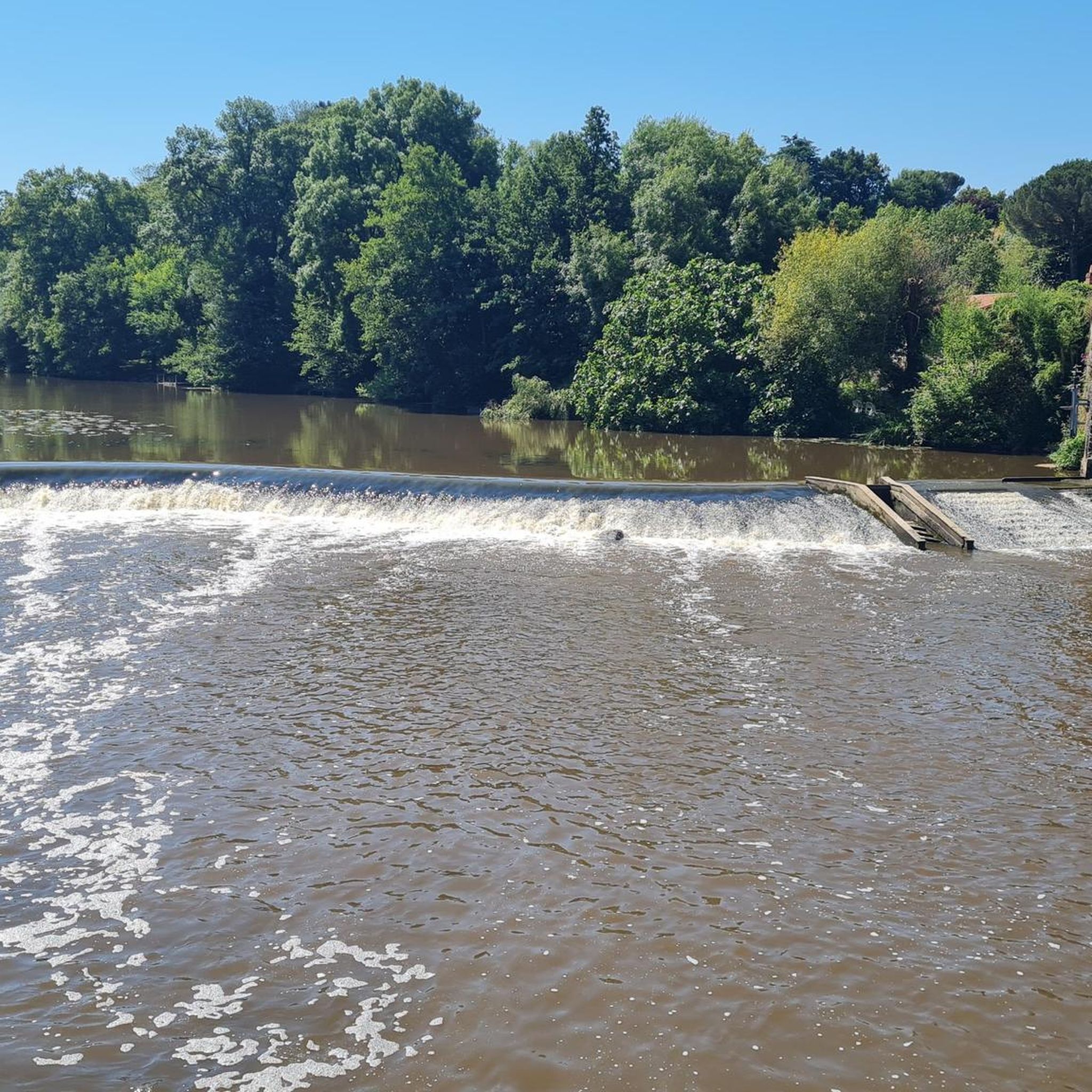
Typical village with its old stone mill and its footbridge. Rousselin takes its name from the fact that flax was retted here.
3
0
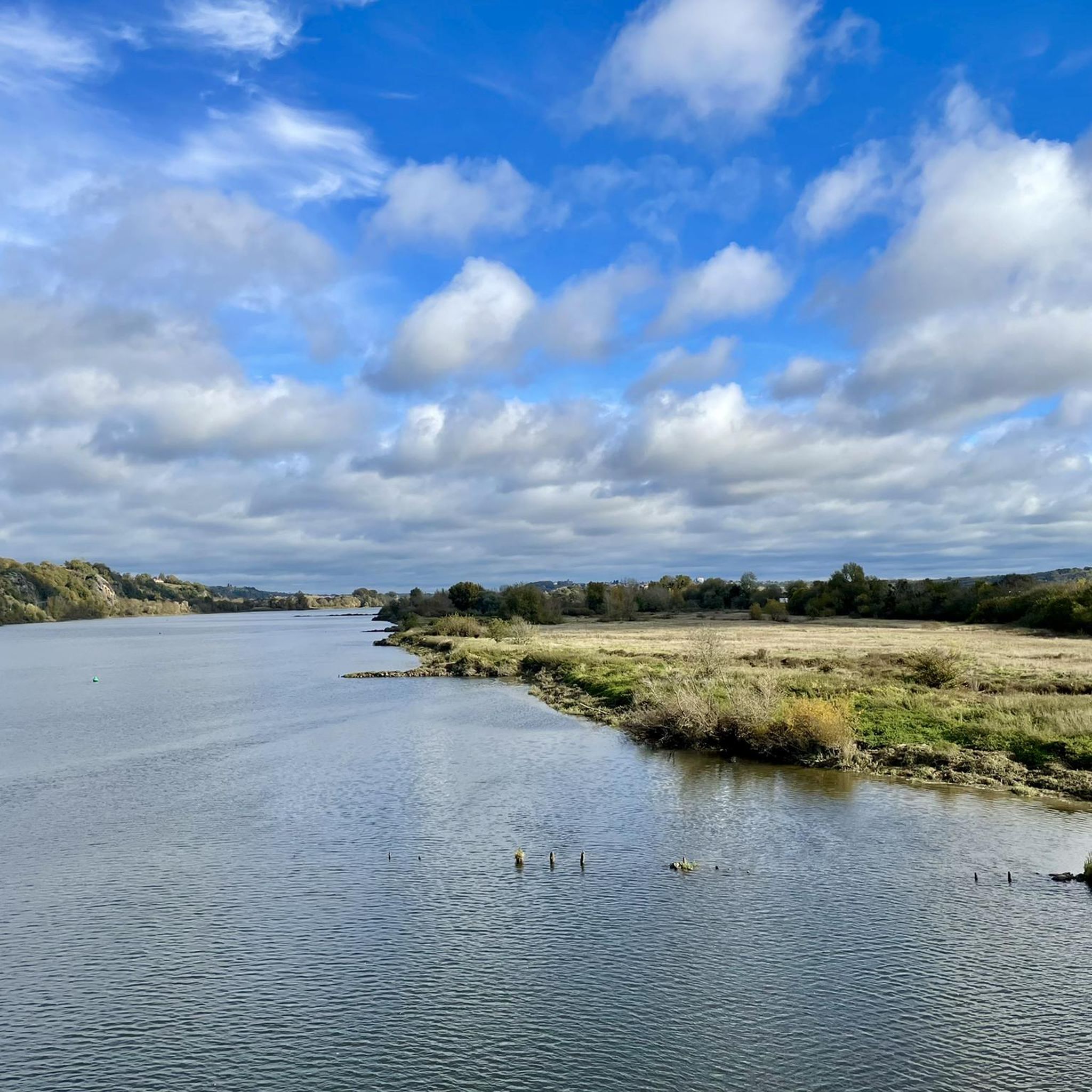
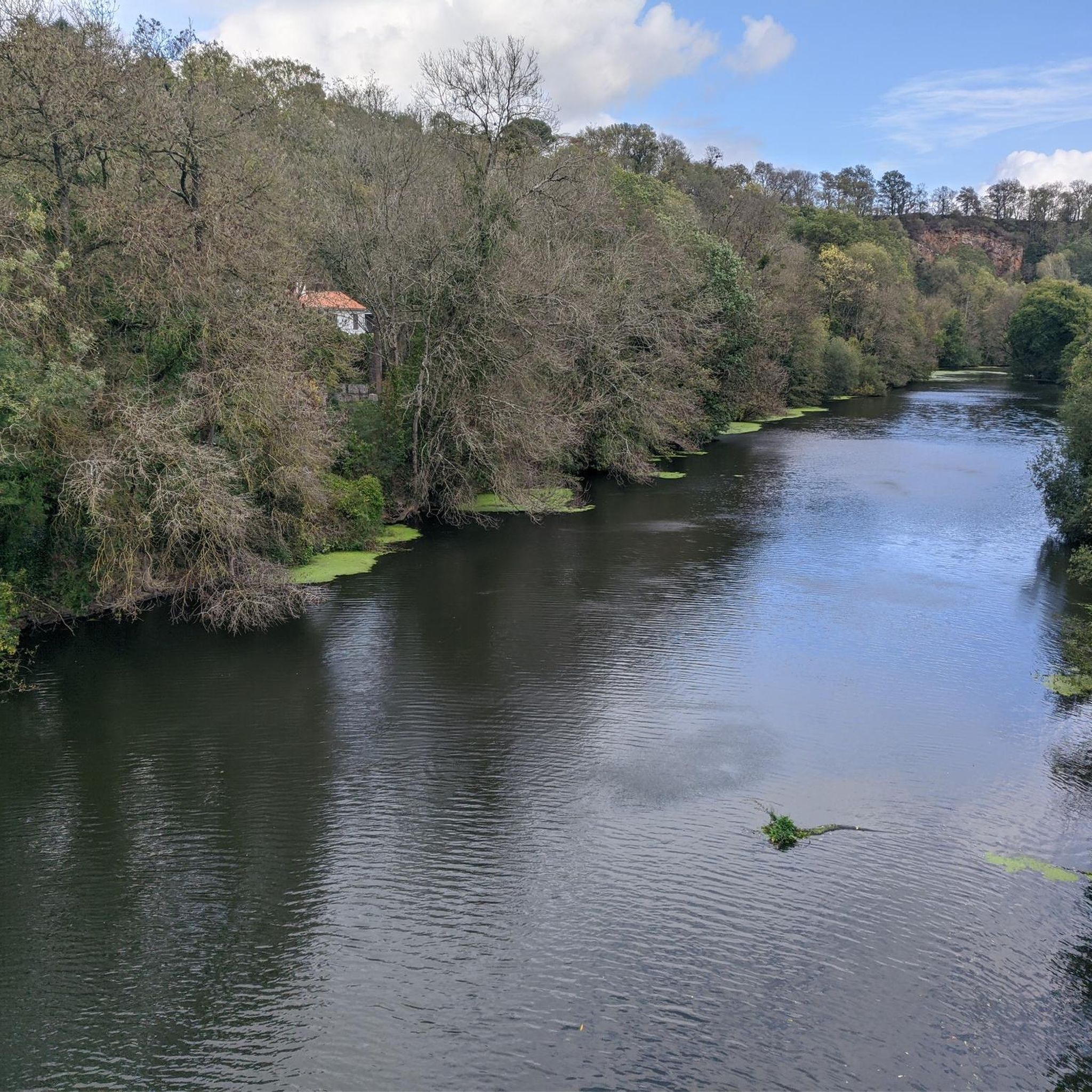
Viewpoint over the Sèvre Nantaise and the village of Chevalier.
1
0
It spans the Sèvre to connect the communes of Gétigné (Loire Atlantique) and Cugand (Vendée) and provides a lovely view of the valley.
0
0

Former Feuillée Spinning Mill
0
0

Charming site with an old mill and a footbridge which allows you to span the Sèvre to join the Chemin de la Guignardière (steep and mostly mountain bike).
1
1

very pretty hamlet with its rocks in the Sèvres and its fulling mill
2
0

This is a particular mill where you can see a mill in full operation. This mill specializes in the production of wool. It is the only active fulling mill in France. Do not miss.
4
0
Frequently Asked Questions
What types of hiking trails can I find in Cugand?
Cugand offers a diverse network of over 20 hiking trails, ranging from easy family walks to more challenging routes. You'll find paths along the Sèvre Nantaise river, through the picturesque bocage landscape, and trails that explore the region's industrial heritage.
Are there any easy or family-friendly hiking options in Cugand?
Yes, Cugand has 7 easy trails suitable for families. The region research mentions routes like Le Chemin des Diligences (7 km, 1h 30m) and Le Tour du bourg (8 km, 1h 45m) as family-friendly options. These trails allow you to explore the bocage and riverbanks at a relaxed pace.
What are the most scenic natural features to see while hiking in Cugand?
The most prominent natural feature is the Sèvre Nantaise river, which meanders through the commune, offering scenic riverside paths. The surrounding area is also characterized by a charming bocage landscape with hedgerows and sunken lanes, providing picturesque views and varied terrain.
Are there any historical landmarks or points of interest along the hiking trails?
Yes, Cugand's trails often highlight its industrial past, with traces of old mills visible along the Sèvre Nantaise riverbanks. For example, the route Hucheloup Footbridge – The Rousselin mill loop from Cugand explores the river and its industrial heritage. You can also find nearby castles like Château de Clisson and Tiffauges Castle, which are accessible from some routes.
What do other hikers say about the trails in Cugand?
The hiking routes in Cugand are highly rated by the komoot community, with an average score of 4.8 stars from over 140 reviews. Hikers often praise the diverse landscapes, the beauty of the Sèvre Nantaise river, and the well-maintained paths that showcase both natural beauty and historical elements.
Are there any long-distance or challenging hikes in the Cugand area?
Yes, Cugand offers 3 difficult trails for more experienced hikers. An example is the Clisson Castle – Valley Bridge loop from Cugand, a 20.1 km route that takes approximately 5 hours and 14 minutes to complete, leading through the Sèvre Nantaise valley and past historical sites.
Can I find circular hiking routes in Cugand?
Many of the trails in Cugand are designed as circular routes, allowing you to start and end at the same point. For instance, the Hucheloup Footbridge loop from Hucheloup is a moderate 8.0 km circular path offering views of the river and bocage landscape.
What is the terrain like for hiking in Cugand?
The terrain in Cugand is varied, characterized by the gentle slopes along the Sèvre Nantaise river and the unique bocage landscape. This includes hedgerows and sunken lanes, providing a mix of open views and sheltered paths. You can expect a combination of riverside trails and paths through rural countryside.
Are there any specific attractions or viewpoints I should look for near Cugand?
Beyond the scenic riverbanks, the convergence of three historical provinces in the 'Valley of the Three Provinces' offers unique natural viewpoints, particularly from bridges over the Sèvre Nantaise. You can also explore nearby natural monuments like the Leaning Stone Pine of Rue de la Collégiale or the The bowl stone.
Are there any moderate difficulty hikes available?
Cugand features 11 moderate trails. A good option is the Hucheloup Footbridge – Chevalier Footbridge loop from Cugand, which is 15.6 km long and typically takes around 4 hours and 5 minutes to complete, offering a balanced challenge and scenic views.
What kind of wildlife might I encounter while hiking in Cugand?
While specific wildlife sightings vary, the diverse habitats of the Sèvre Nantaise river and the bocage landscape support a variety of local flora and fauna. Hikers might observe various bird species, small mammals, and aquatic life along the riverbanks, especially in quieter areas.
Most popular attractions around Cugand

Get inspired with the komoot mobile app


Explore more
Browse the best Hikes in other regions.
