Attractions and Places To See around Gigean - Top 20
Best attractions and places to see around Gigean include historical landmarks, natural features, and cultural experiences in the Hérault department of France. This fortified village is situated along the historic route to Santiago de Compostela. The area is characterized by its limestone mountain ranges, such as the Massif de la Gardiole, and coastal lagoons like the Etang de Thau. Visitors can explore ancient sites and enjoy panoramic views of the surrounding landscapes.
Best attractions and places to see around Gigean
…Last updated: October 23, 2026
Royal Canal of Sète
Highlight • River
Translated by Google •
Tip by

Rhone Kanal
Highlight • Cycleway
Translated by Google •
Tip by

Sign up now to discover places like this
Get recommendations on the best single tracks, peaks, & plenty of other exciting outdoor places.
Bridge over the Rhône - Canal de Sète
Highlight • Bridge
Showing Translation
Tip by

Vic Pond
Highlight • Lake
Showing Translation
Tip by

Abbaye Saint Félix de Montceau
Highlight • Religious Site
Showing Translation
Tip by
Sign up for free to discover even more attractions around Gigean.
Already have an account?
Start today with a free account
Your next adventure awaits.
Tips from the Community

At the turn of the paths of La Gardiole, the ruins of the ancient abbey Saint-Félix-de-Montceau appear. The site, attested as early as 1104, was occupied for several centuries by a community of nuns, first Benedictine and then, for a period, Cistercian. The Gothic abbey church, built at the end of the 13th century, is today the most spectacular remnant of this medieval complex. Abandoned as a monastic site after the transfer of the community to Gigean in 1514, the site was long left to ruin before an association undertook its preservation in 1970. Today, the stones of the abbey church stand in the heart of the garrigue, on the northern slope of the limestone massif with the plain of Gigean in the background.
3
0
From Frontignan to Palavas-les-Flots, the route follows the Canal du Rhône à Sète through one of the major lagoon complexes on the Languedoc coast. After the Étang d'Ingril and Les Aresquiers, the canal successively crosses or runs alongside the Étangs de Vic and Pierre-Blanche, then passes between those of Arnel and Prévost before reaching Palavas. The canal itself is a major historical element of this landscape. Its construction began in 1701 under the name Canal des Étangs, in order to ensure continuity between the Canal Royal du Languedoc – today the Canal du Midi – and the Rhône. The route, completed in 1829, passes through Frontignan, Maguelone, and Palavas before joining Aigues-Mortes and then Beaucaire. In Frontignan, its opening in the 18th century profoundly modified the landscape: the canal notably separated the former Étang de Frontignan into two parts, giving rise to the Étang d'Ingril and that of La Peyrade.
3
0
From Frontignan to Palavas-les-Flots, the route follows the Canal du Rhône à Sète through one of the large lagoon complexes on the Languedoc coast. After the Étang d'Ingril and the Aresquiers, the canal successively crosses or runs alongside the Étangs de Vic and de Pierre-Blanche, then passes between those of l'Arnel and du Prévost before reaching Palavas. The canal itself is a major historical element of this landscape. Its construction began in 1701 under the name Canal des Étangs, in order to ensure continuity between the Royal Canal of Languedoc – today the Canal du Midi – and the Rhône. The route, completed in 1829, passes through Frontignan, Maguelone and Palavas before joining Aigues-Mortes and then Beaucaire. In Frontignan, its opening in the 18th century profoundly modified the landscape: the canal notably separated the former Étang de Frontignan into two complexes, giving rise to the Étang d'Ingril and that of La Peyrade.
3
0
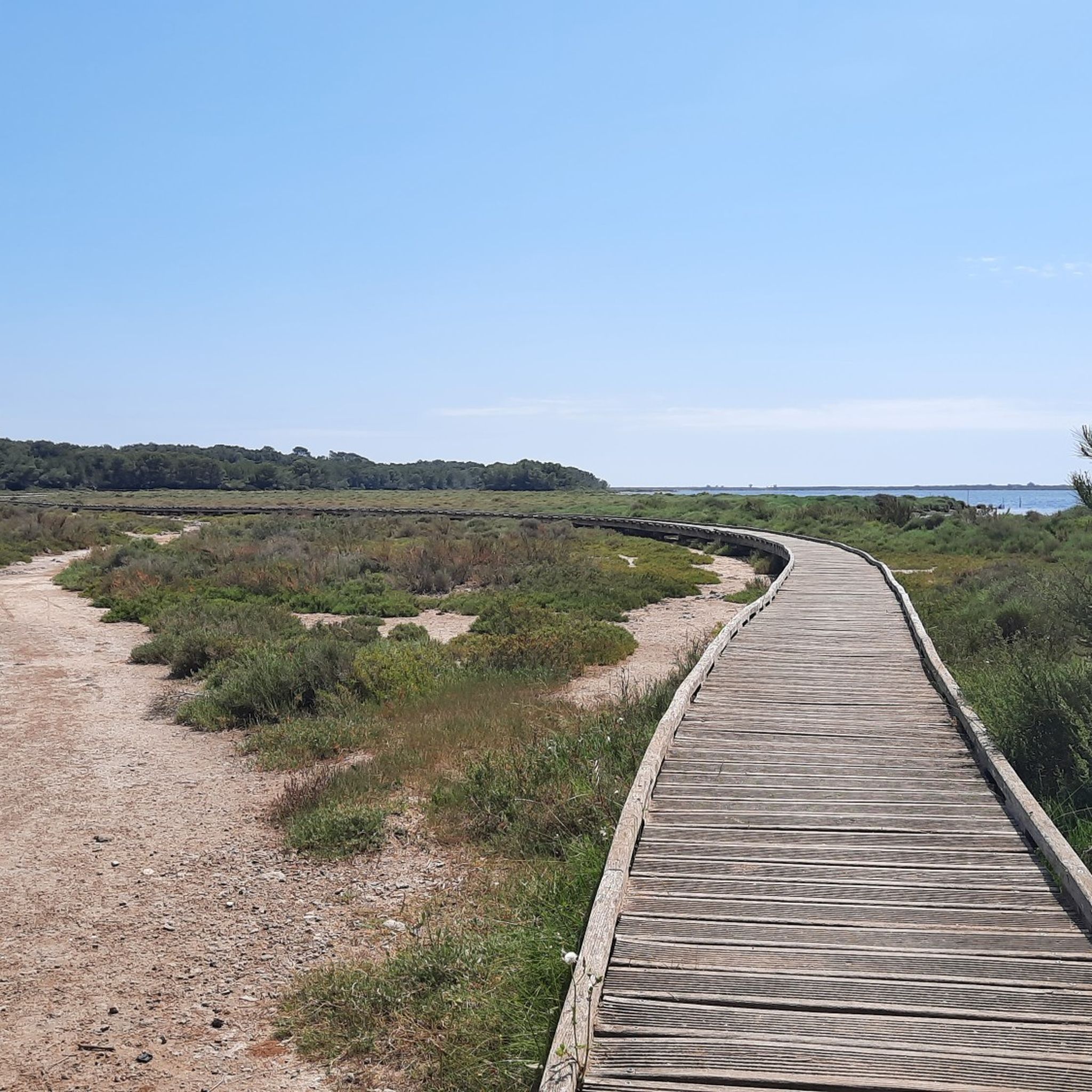
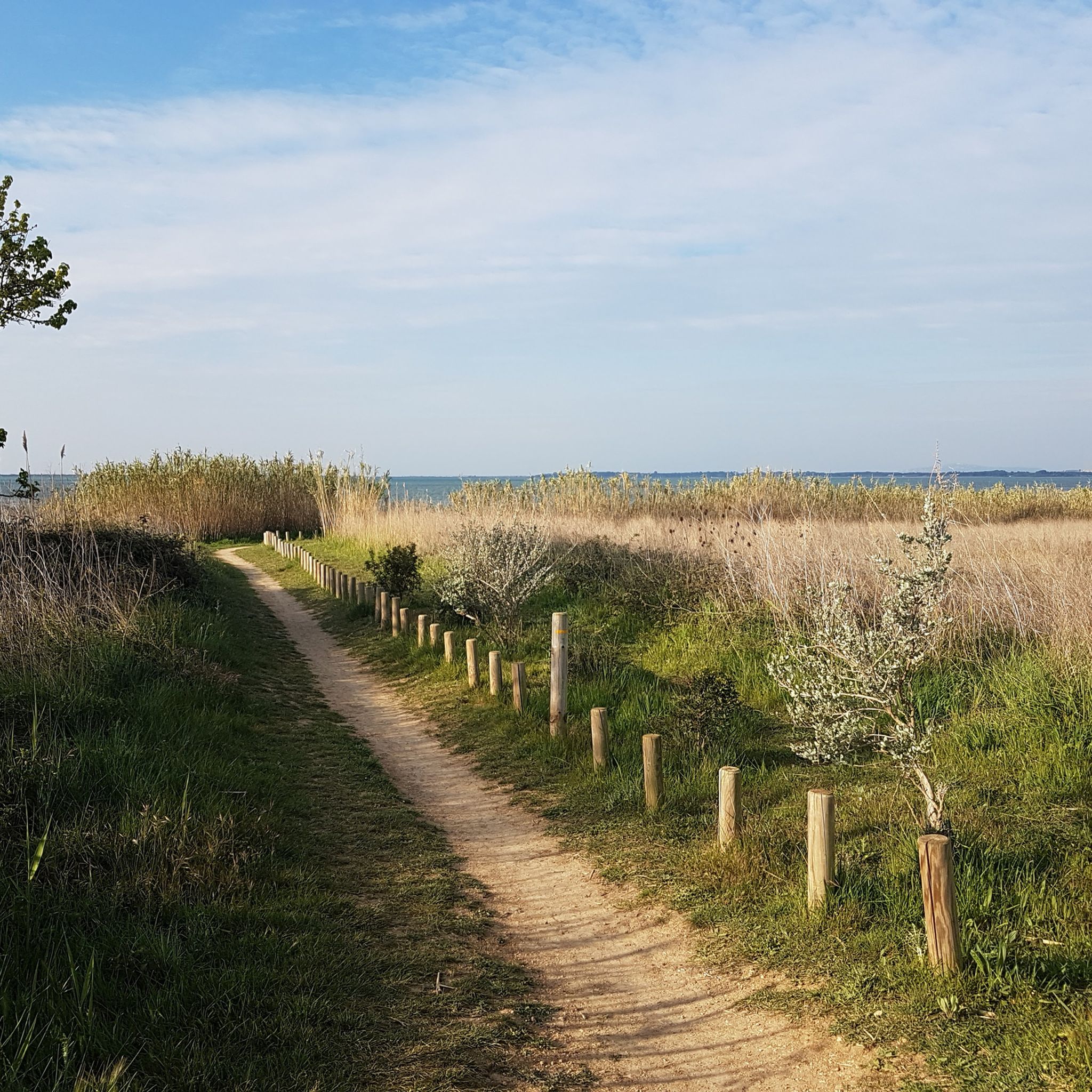
From the greenway, the panorama opens onto the Étang de Vic. This vast coastal lagoon of over 1,000 hectares stretches between the Gardiole massif and the Aresquiers lido. Protected within the Natura 2000 site of the Palavasian ponds and recognized as a wetland of international importance under the Ramsar convention, the pond forms a vast landscape of lagoon, salt marshes, and wetlands here. This opening allows its full extent to be appreciated from the surroundings of Vic-la-Gardiole.
3
0

This is an almost entirely "flat" canal with only one active lock (in Saint-Gilles), which greatly facilitates pleasure boating.
0
0

Yes, a very beautiful climb to get to the abbey, a magnificent, top place 👍👍
0
0

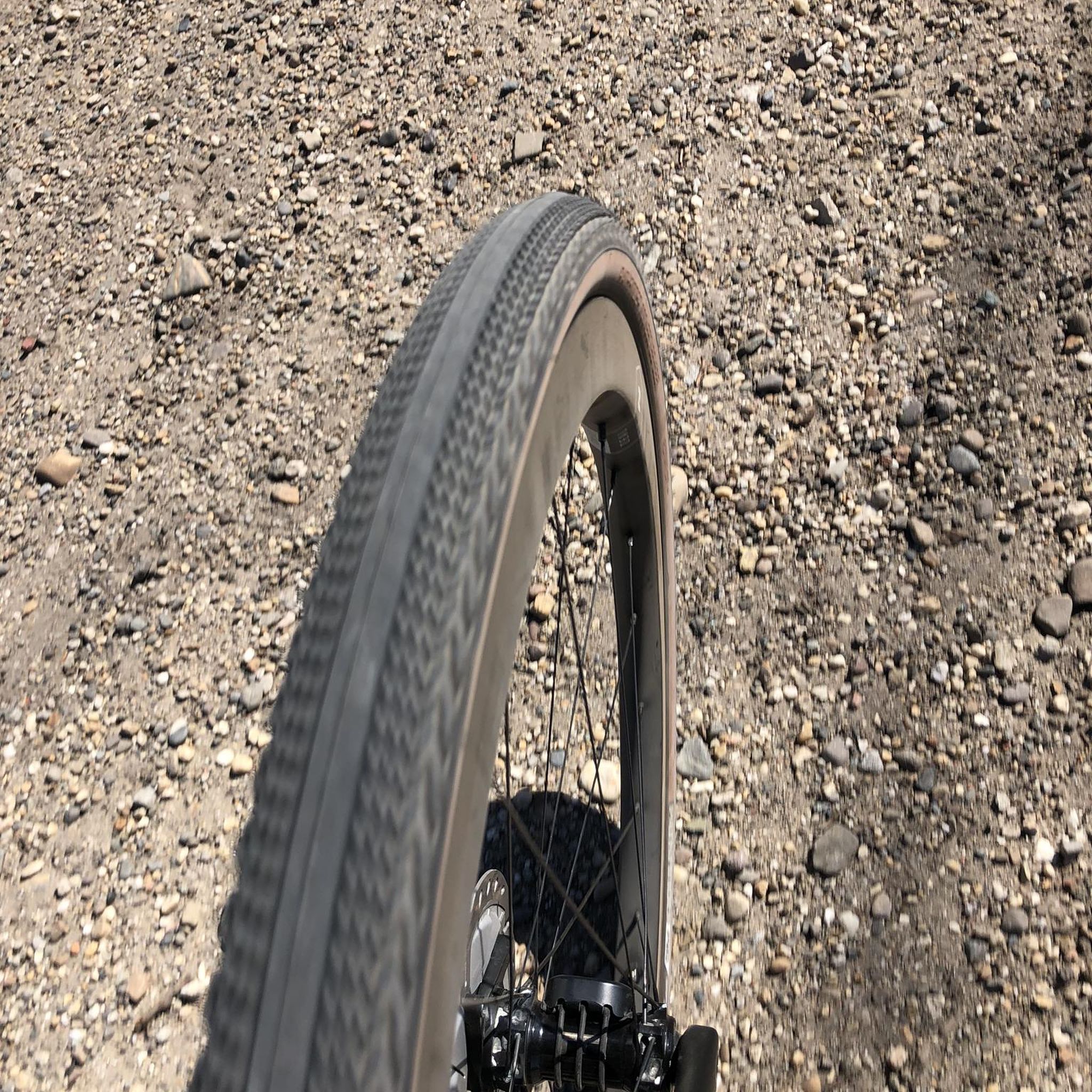
Best practiced in dry weather. Some sections are very, very sticky. It can cause your wheels to lock, so don't be in a hurry!
0
0

Frequently Asked Questions
What historical and cultural sites are there to visit in and around Gigean?
Gigean is rich in history. You can explore the ruins of the original Benedictine Abbaye Saint Félix de Montceau, which also features well-maintained medieval gardens and panoramic views. The historic heart of Gigean itself offers ancient ramparts, medieval gates, and the Saint-Géniès church. Further afield, the medieval village of Saint-Guilhem-le-Désert, a "Grand Site of France," is home to an ancient abbey and the historic Pont du Diable.
Where can I find the best panoramic views of the region?
For breathtaking views, head to the Abbaye Saint Félix de Montceau, which offers sublime vistas of the Etang de Thau and the plain of Montpellier. Another excellent spot is Vue du Mont Saint-Clair sur l'étang de Thau, providing expansive perspectives of Sète, the Canal du Sète, and the Mediterranean Sea. The Roc d'Anduze, the highest point of the Massif de la Gardiole, also provides extensive panoramic views.
Are there opportunities for hiking and outdoor activities near Gigean?
Yes, the region is ideal for outdoor enthusiasts. The Massif de la Gardiole, a majestic limestone mountain range, offers numerous trails for hiking, biking, and even donkey rides. You can find various hiking routes, including easy loops like "Abbaye Saint Félix de Montceau – View of Vic-la-Gardiole loop from Gigean" (6.5 km) and more challenging options like "Saint-Félix en Gardiole Hike" (14.8 km). For more details on routes, visit the Hiking around Gigean guide.
What cycling routes are available around Gigean?
Cyclists can enjoy a variety of routes. The "Rhone Kanal" offers a beautiful gravel track along the Canal du Rhône à Sète. For longer rides, consider the "Mare du Ramassol loop from Poussan" (38.4 km) or the challenging "Montbazin Church – View of the Region loop from Gigean" (51.5 km). Explore more options in the Cycling around Gigean guide.
What natural features can I explore in the Gigean area?
The region boasts significant natural beauty. The Massif de la Gardiole is a classified "site pittoresque" and a "Zone Naturelle d'Intérêt Écologique, Faunistique et Floristique (ZNIEFF)" perfect for exploring. The Etang de Thau, a large coastal lagoon, is known for its oyster and mussel farming and offers picturesque views. You can also visit other natural ponds like the Étangs palavasiens and Étangs du Bagnas.
Are there any family-friendly attractions or activities around Gigean?
Families can enjoy several attractions. The Abbaye Saint Félix de Montceau with its gardens and picnic area is a pleasant outing. The vibrant harbor town of Sète, known as the "Little Venice of Languedoc," offers canals to explore and traditional jousting tournaments in summer. For an immersive marine experience, Planet Ocean Montpellier is about 20 km away and is one of France's most visited recreational sites.
What is the best time of year to visit Gigean and its attractions?
The region generally enjoys a Mediterranean climate. Spring and early autumn are often ideal for visiting, offering pleasant temperatures for outdoor activities like hiking and cycling without the intense heat of summer. During these seasons, the natural landscapes are vibrant, and the crowds are typically smaller than in peak summer months.
What are some notable nearby towns or day trip destinations from Gigean?
Several charming towns and sites are within easy reach. Sète, with its canals and fishing heritage, is a must-visit. Balaruc-le-Vieux and Balaruc-les-Bains are known for their spa facilities. Mèze is a delightful fishing village on the Etang de Thau, and Palavas-les-Flots offers a popular sandy beach. For unique geological formations, consider the Cirque de Mourèze or the red earth landscapes of Valle du Salagou.
What do visitors enjoy most about the attractions around Gigean?
Visitors frequently praise the stunning panoramic views, especially from sites like the Abbaye Saint Félix de Montceau and Vue du Mont Saint-Clair sur l'étang de Thau. The historical depth of the abbey and the charm of Sète's canals are also highly appreciated. Many enjoy the diverse outdoor activity options, from easy walks to challenging cycling routes, and the overall natural beauty of the Massif de la Gardiole and the Etang de Thau.
Are there any unique or 'hidden gem' attractions near Gigean?
Beyond the well-known sites, you might enjoy exploring the village of Loupian, notable for its well-preserved 1st-century mosaics. The Grotte de la Clamouse, an impressive cave system, offers a fascinating underground experience. These spots provide a deeper dive into the region's natural and historical treasures.
Can I find running trails near the attractions in Gigean?
Yes, there are several running trails available. You can find routes like the "Saint-Felix en Gardiole – loop trail starting from the parking lot of the abbey" (14.5 km) or the "View of Vic-la-Gardiole – From abbey to cave loop from Gigean" (10.2 km). These trails offer varying difficulties, allowing you to enjoy the scenic landscapes while running. More details are available in the Running Trails around Gigean guide.
Most popular attractions around Gigean

Get inspired with the komoot mobile app


Explore more
Still not found the Highlight you’re looking for? See guides of the top attractions in other regions:
