The best road cycling routes around Faugères
4.5
(194)
3,962
riders
133
rides
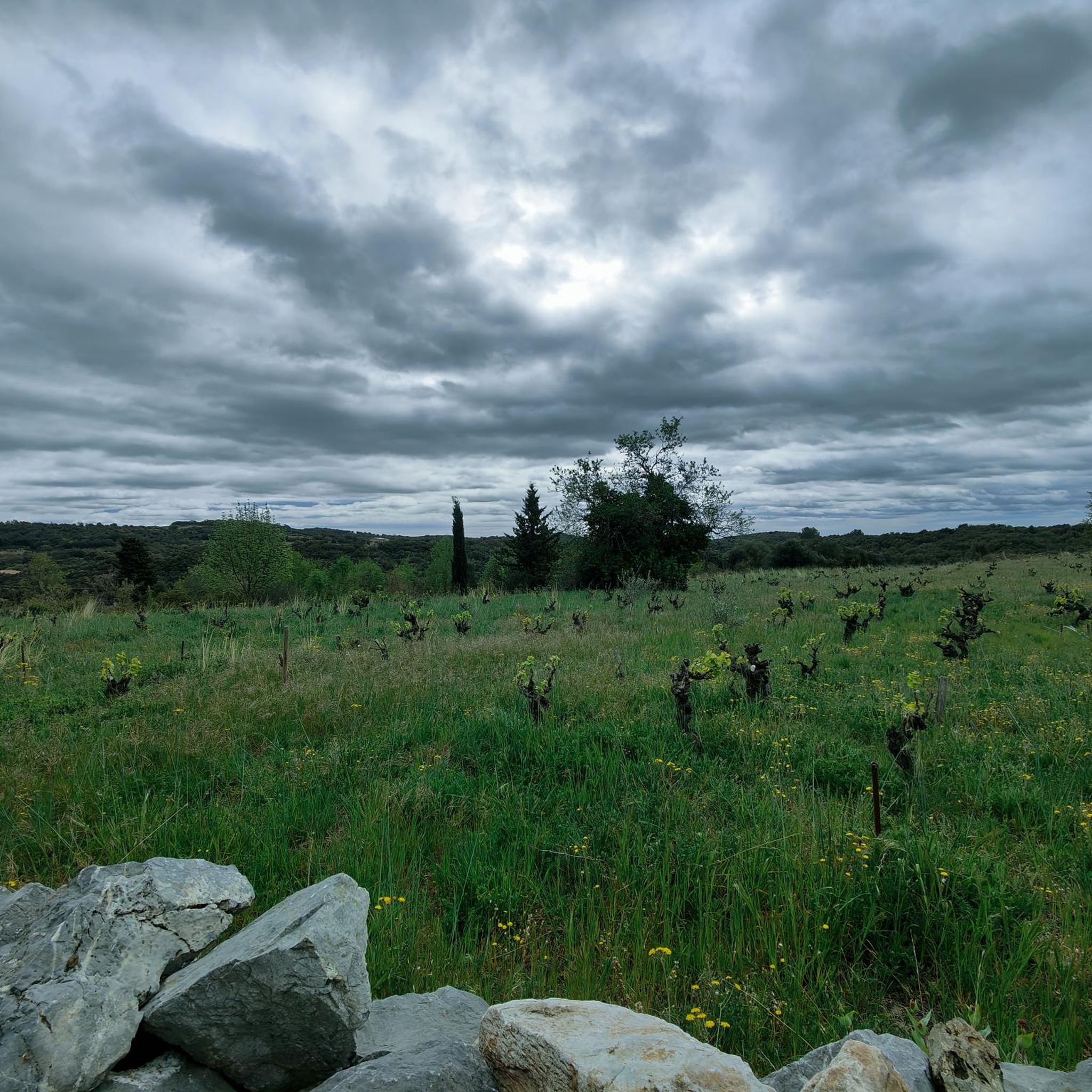
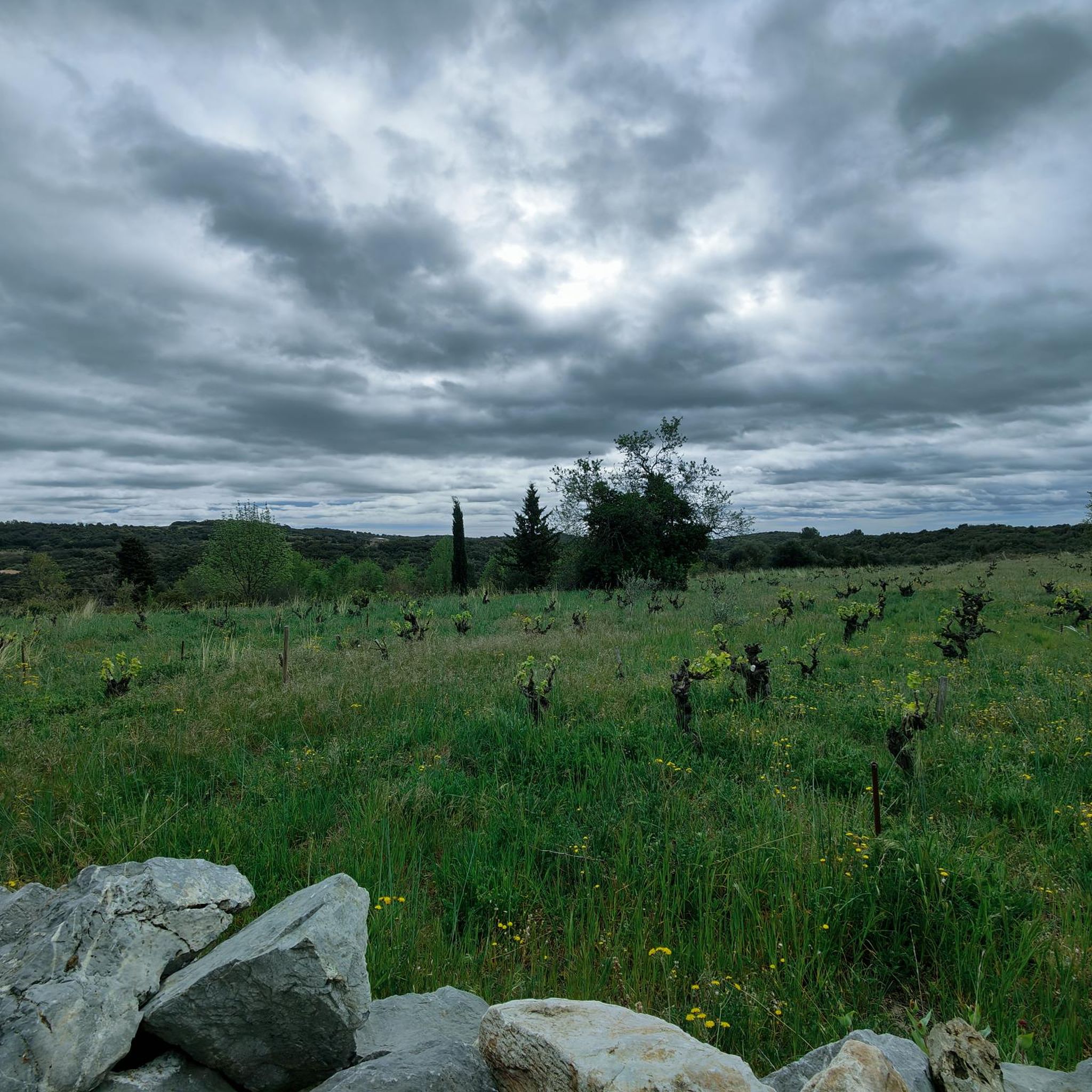
Road cycling around Faugères is characterized by a diverse landscape of vineyards, schist soils, and garrigue-covered hills. The region features rolling terrain with numerous ascents and descents, offering views over the Biterroise plain. To the north, the Caroux mountain range adds to the dramatic scenery, providing challenging climbs. The area's quiet roads wind through olive groves, oak woods, and aromatic scrubland.
Best road cycling routes around Faugères
- The most popular road cycling route is L'Espinouse Pass (1,124 m) – Col…
Last updated: August 23, 2026
4.9
(11)
278
riders
83.3km
04:16
1,380m
1,380m
Hard road ride. Very good fitness required. Some segments of this route may be unpaved and difficult to ride.
5.0
(6)
160
riders
84.8km
04:47
1,900m
1,900m
Hard road ride. Very good fitness required. Mostly well-paved surfaces and easy to ride.

Sign up for free
5.0
(2)
63
riders
82.1km
04:27
1,590m
1,590m
Hard road ride. Very good fitness required. Mostly well-paved surfaces and easy to ride.
4.3
(4)
60
riders
69.2km
03:15
880m
880m
Moderate road ride. Good fitness required. Mostly well-paved surfaces and easy to ride.
43
riders
109km
05:46
1,750m
1,750m
Hard road ride. Very good fitness required. Some segments of this route may be unpaved and difficult to ride.
Get access to more routes and recommendations from other explorers.
Sign up for free
Already have an account?
Our route recommendations are based on thousands of hikes, rides, and runs completed by other people on komoot.
Start today with a free account
Your next adventure awaits.
Login or Signup
Tips from the Community

In the heart of Lamalou-les-Bains, the Saints-Pierre-et-Paul church bears witness to the village's transformation into a major spa resort. Built at the beginning of the 20th century, it accompanies the rise of a town that welcomed numerous spa-goers eager to benefit from the renowned waters of the Orb valley. Before its construction, parish life was organized around the old sanctuaries of Saint-Pierre-de-Rhèdes and then Notre-Dame de Villecelle.
3
0
The Saint-Martial church is unlike any other in Haut-Languedoc. Built in 1858-1859 to replace the village's old church, which had become too cramped, it occupies the north wing of the former castle of the viscounts of Narbonne, built in the 15th century. Even more surprisingly, this castle housed a black glass workshop until 1848, before being transformed into a place of worship. The bell tower, added in 1877, completes this original ensemble where religious heritage, seigneurial architecture, and industrial history blend. Observing the buildings surrounding the church, several elements of the original castle can still be distinguished. A few steps away is the old Saint-Martial church, now private property. Built on probably Romanesque foundations, it preserves parts dating back to the 15th century. Having become too dilapidated and too small to accommodate a growing population, it was replaced in 1859 by the new Saint-Martial church. Deconsecrated and then sold by the municipality in 1867, it remains a discreet but precious witness to the religious history of Hérépian.
2
0
The Saint-Majan church is the former abbey church of a powerful Benedictine monastery founded in the 7th century, whose prosperity was based in particular on the silver-bearing lead mines that gave their name to Villemagne-l'Argentière. During the Hundred Years' War, the building was transformed into a veritable fortress: walled-up windows, a rampart walk, and machicolations allowed the monks to defend their abbey. Despite the looting of the Wars of Religion in 1562, this remarkable Gothic church has survived the centuries and still bears the traces of this turbulent past. A few steps away is the former Saint-Grégoire church, the first place of worship of the abbey. Its elegant Romanesque architecture contrasts with the Gothic style of Saint-Majan. Transformed into an archaeological museum, it presents collections dedicated to the history of the village, from Antiquity to the Middle Ages, as well as to the exploitation of the ancient mines that shaped the wealth of Villemagne-l'Argentière. By visiting these two buildings, one travels through more than a millennium of history in just a few minutes.
2
0
The cliffs of Orque (or Olque, depending on local toponyms) form a real rocky front overlooking the Haut-Languedoc: a limestone wall about 200 meters high, leaning against a plateau perched around 800 meters, north of the Caroux and Espinouse massifs.
2
0
The Col de la Croix de Mounis is one of those passes where you don't just cross a slope, but a true border between two valleys. Perched at an altitude of about 800 meters, in the heart of Haut-Languedoc, it connects the Mare valley to that of the Dourdou. For a long time, this pass was a strategic crossing point between Lacaune and Saint-Gervais-sur-Mare. Before modern roads, it was already part of a local circulation network, used by muleteers and stagecoaches, where villages, markets, and valleys were connected via routes dictated by the terrain. The current road still retains something of this logic: it doesn't cut through the mountain, it goes around it and "negotiates" it.
1
0
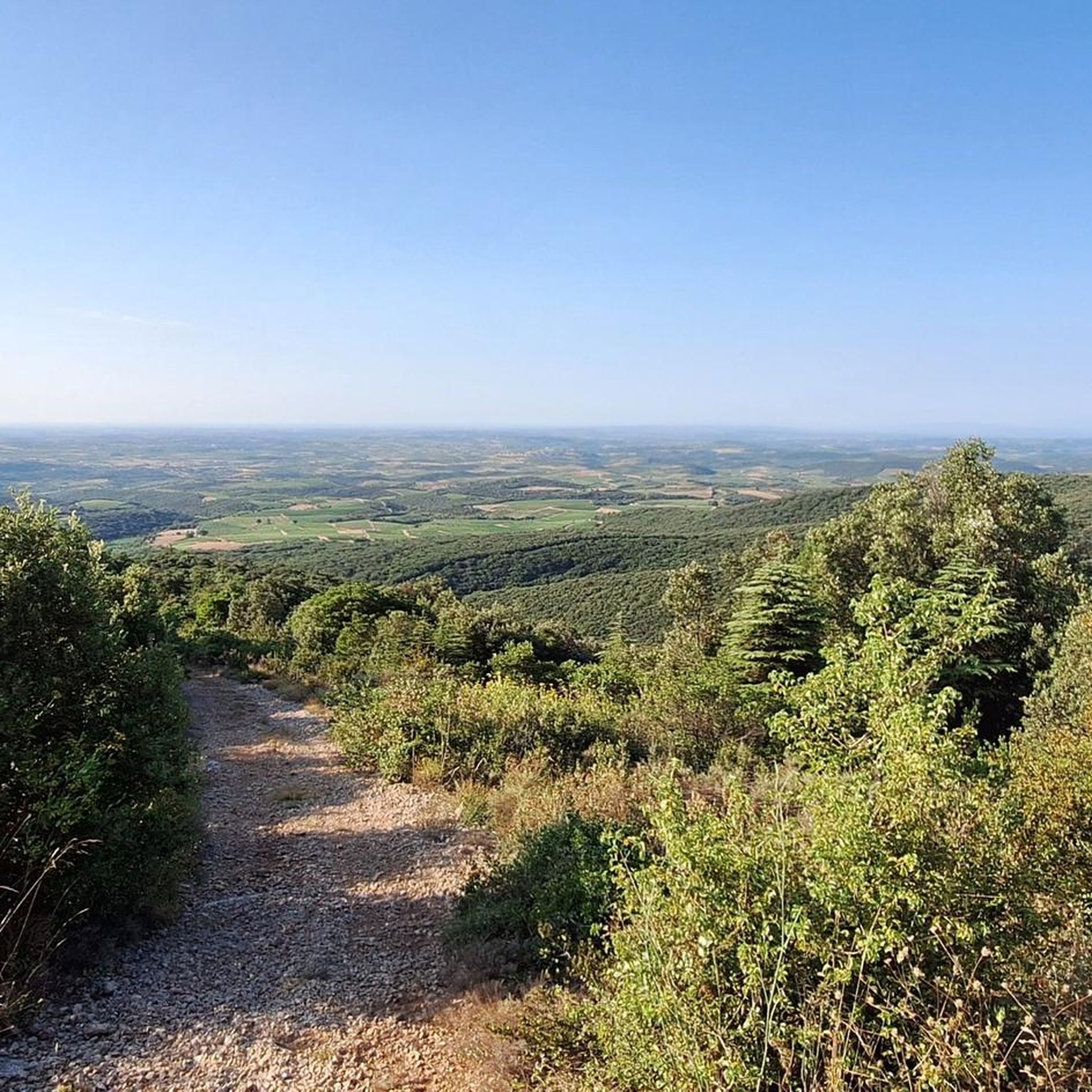
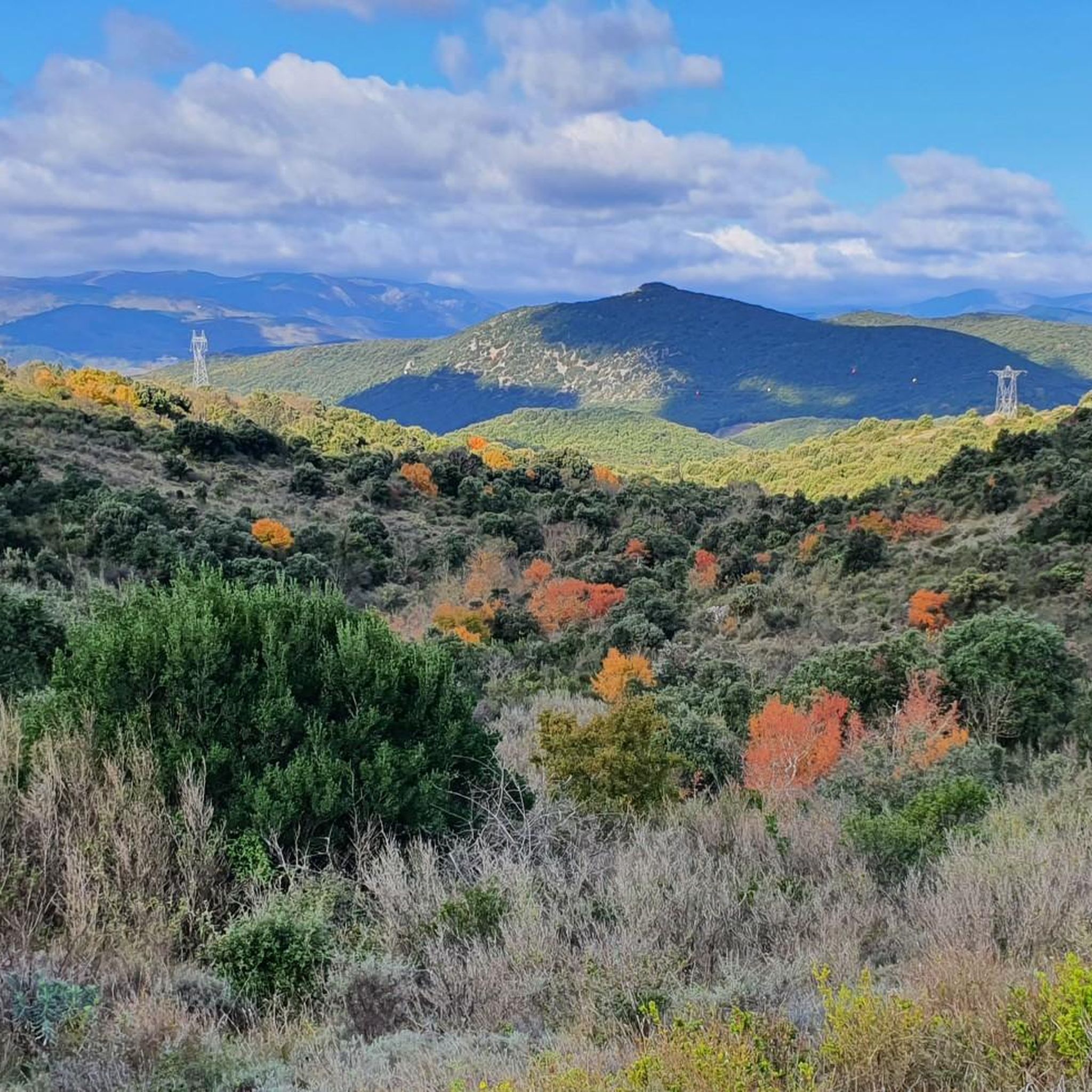
This wide turn reveals a superb panorama of the mountain. In the foreground, the D14 winds up the slope with beautifully drawn switchbacks. Further on, several characteristic reliefs of the Haut-Languedoc stand out, succeeding each other to the horizon. One of the most beautiful panoramas of the ascent!
2
0
Magnificent viewpoint over the reliefs of the Haut-Languedoc. From this bend in the D180, the landscape suddenly opens up to the east, offering a striking view of the valleys and ridges of the Espinouse. An unmissable photo stop on the way to the pass.
2
0

One of the most beautiful lakes in France, clearly!!
0
0
Frequently Asked Questions
How many road cycling routes are available in Faugères?
Faugères offers a wide selection of road cycling routes, with over 130 options available. These routes cater to various skill levels, including 17 easy, 76 moderate, and 46 difficult trails.
What kind of terrain can I expect on road cycling routes in Faugères?
The Faugères region is characterized by a diverse landscape. You'll encounter rolling terrain with vineyards planted on schist soils, garrigue-covered hills, and quiet roads winding through olive groves and oak woods. To the north, the Caroux mountain range provides more dramatic scenery and challenging climbs.
What is the best time of year for road cycling in Faugères?
The region's Mediterranean climate generally makes spring and autumn ideal for road cycling, offering pleasant temperatures and less extreme weather. Summers can be hot, especially in July and August, while winters are mild but can be damp.
Are there routes suitable for beginners or families in Faugères?
While many routes in Faugères feature significant elevation changes, there are options suitable for those seeking easier rides. The Lake Salagou – Lake Salagou loop from Bédarieux is a moderate route that offers varied terrain and lake views, which could be a good option for those looking for a less strenuous experience.
Are there challenging routes for experienced road cyclists?
Absolutely. Faugères is well-suited for experienced road cyclists looking for a challenge. Routes like L'Espinouse Pass (1,124 m) – Col de la Croix de Mounis loop from Bédarieux and Layrac Pass (765 m) – Col de la Croix de Mounis loop from Bédarieux feature significant elevation gain through mountain passes, offering demanding climbs and rewarding views.
What scenic viewpoints or attractions can I see along the routes?
Road cycling in Faugères offers numerous scenic opportunities. You can enjoy remarkable views over the Biterroise plain, especially from the hills of Faugères. Highlights include the Olivettes Dam, the tranquil Lac de Vailhan, and various summits like Coquillade Peak and Mont Peyroux summit, which provide panoramic vistas.
Are there any historical sites or cultural landmarks to explore?
Yes, the region is rich in history and culture. Along your rides, you might encounter dry stone walls, traditional stone huts known as 'capitelles', and the historic windmills of Faugères. The Tiberet Ruins, including a 12th-century mill and chapel, offer a pleasant stop for relaxation.
Are there circular road cycling routes in Faugères?
Many of the road cycling routes around Faugères are designed as loops, allowing you to start and finish at the same point. Examples include the challenging Fontfroide Pass – vision loop from Bédarieux and the scenic Pont de Vieussan – View of the village of Ceps loop from Bédarieux.
What do other road cyclists say about the routes in Faugères?
The road cycling routes in Faugères are highly regarded by the komoot community, with an average rating of 4.4 stars from over 180 reviews. Cyclists often praise the varied terrain, the stunning views over vineyards and garrigue, and the challenging climbs offered by the mountain passes.
Is public transport available to access cycling routes in Faugères?
While Faugères itself is a smaller village, the wider Hérault region has some public transport options. However, for direct access to specific cycling routes, especially those starting in more rural areas, personal transport or a dedicated cycling shuttle might be more convenient. It's advisable to check local bus schedules for connections to larger towns like Bédarieux, which serves as a starting point for several routes.
Are there places to eat or drink along the road cycling routes?
Yes, many routes pass through or near picturesque villages where you can find local cafes and restaurants. The Faugères region is also renowned for its vineyards, so you might find opportunities to stop at wineries for tastings. Planning your route in advance can help identify suitable refreshment stops.
Can I rent a bike in Faugères?
While Faugères itself might have limited options, larger towns in the vicinity, such as Bédarieux or Béziers, are more likely to offer bike rental services, including road bikes. It's recommended to check with local tourism offices or search online for rental shops in these nearby hubs before your visit.
Most popular attractions around Faugères

Get inspired with the komoot mobile app


Explore more
Browse the best Road cycling routes in other regions.
