Attractions and Places To See around Cruzy - Top 20
Best attractions and places to see around Cruzy include historical landmarks, natural beauty, and cultural experiences. The village is set amidst rolling hills, vineyards, and olive groves, offering a picturesque landscape. Key features include Romanesque structures, feudal castles, and the nearby UNESCO World Heritage site, the Canal du Midi. Cruzy provides a blend of historical exploration and outdoor activities within the Minervois wine region.
Best attractions and places to see around Cruzy
- The most popular attractions is The Port of Somail, a settlement that served as a stop for the post boat from Toulouse. It is one of the most emblematic places on the Canal du Midi, known for its historical buildings, chapel, and humpback bridge.
- Another must-see spot is Junction of the Canal du Midi and the Canal de la Robine, a canal junction where the Canal de Jonction branches off. This junction provides a direct connection from the Canal du Midi to the Mediterranean Sea.
- Visitors also love Gailhousty Lock and Spillway, a man-made monument at the downstream outlet of the Jonction canal on the Aude river. The site includes a lock, a spillway, a bridge, and a dry dock, designed to manage water levels and connect the Canal du Midi to the Canal de la Robine.
- Cruzy is known for its historical sites, natural landscapes, and canal-side features. Visitors can explore ancient structures, vineyards, and the UNESCO-listed Canal du Midi.
- The attractions around Cruzy are appreciated by the komoot community, with more than 320 upvotes and over 100 photos shared across various highlights.
Last updated: July 7, 2026
The Port of Somail
Highlight • Settlement
Translated by Google •
Tip by

Junction of the Canal du Midi and the Canal de la Robine
Highlight • Other
From here there is already a direct connection from the Canal du Midi to the Mediterranean Sea.
There is a small bar directly at the junction, which unfortunately was closed at the time I came by.
Translated by Google •
Tip by

Sign up now to discover places like this
Get recommendations on the best single tracks, peaks, & plenty of other exciting outdoor places.
Sign up for free
Gailhousty Lock and Spillway
Highlight • Monument
Translated by Google •
Tip by

Canal de Jonction
Highlight • River
Translated by Google •
Tip by
Marie Close fashion show
Highlight • Gorge
Translated by Google •
Tip by

Sign up for free to discover even more attractions around Cruzy.
Sign up for free
Already have an account?
Start today with a free account
Your next adventure awaits.
Login or Signup

Tips from the Community

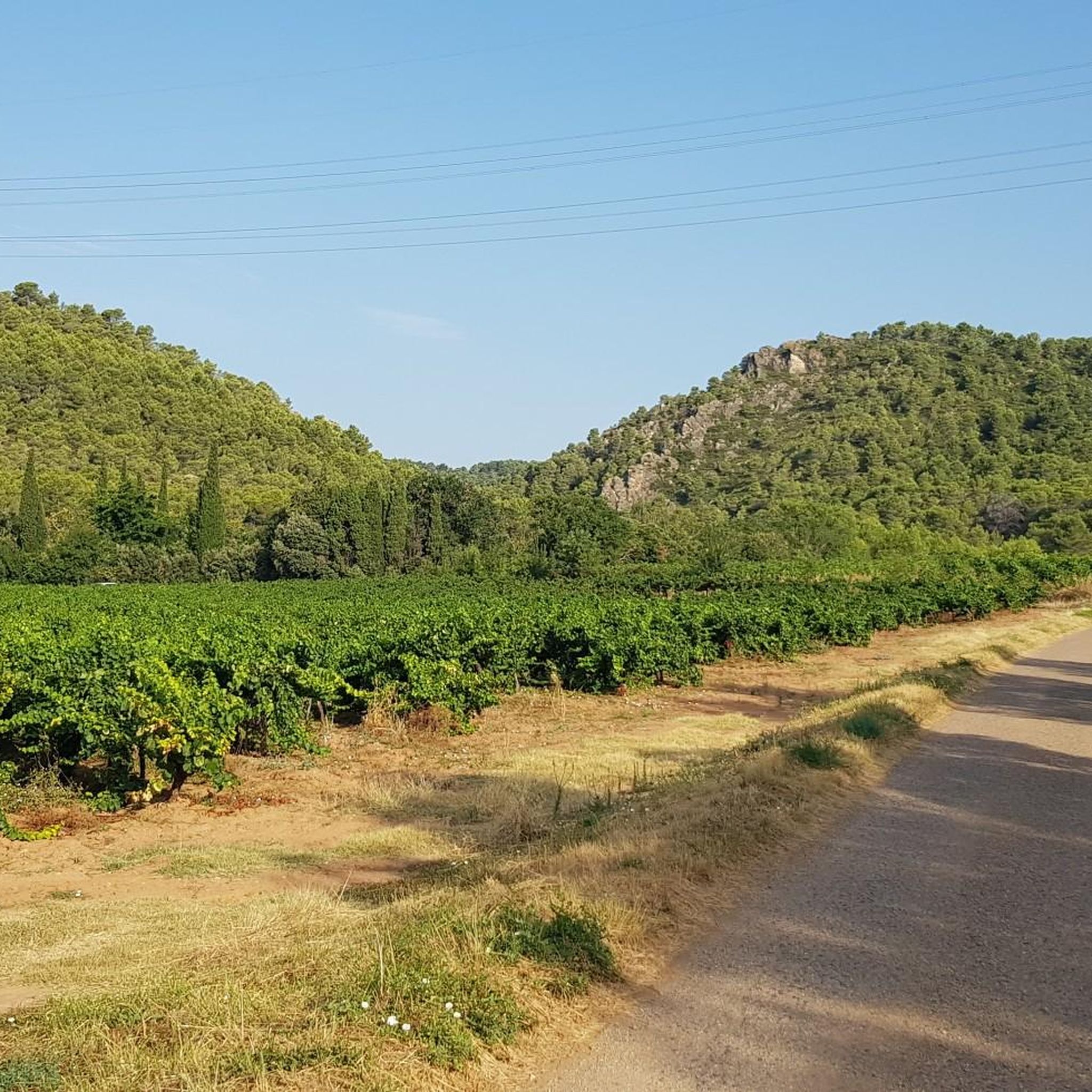
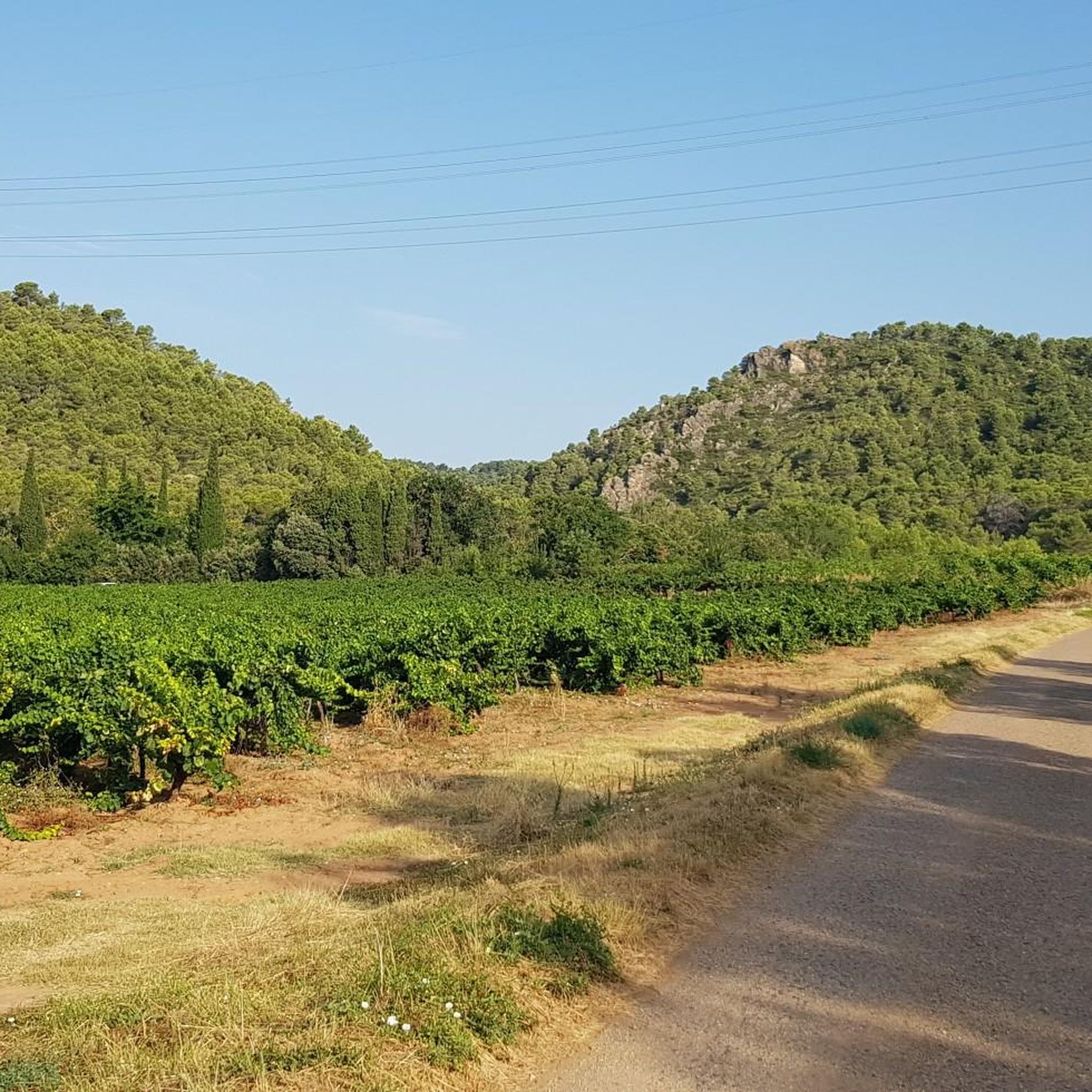
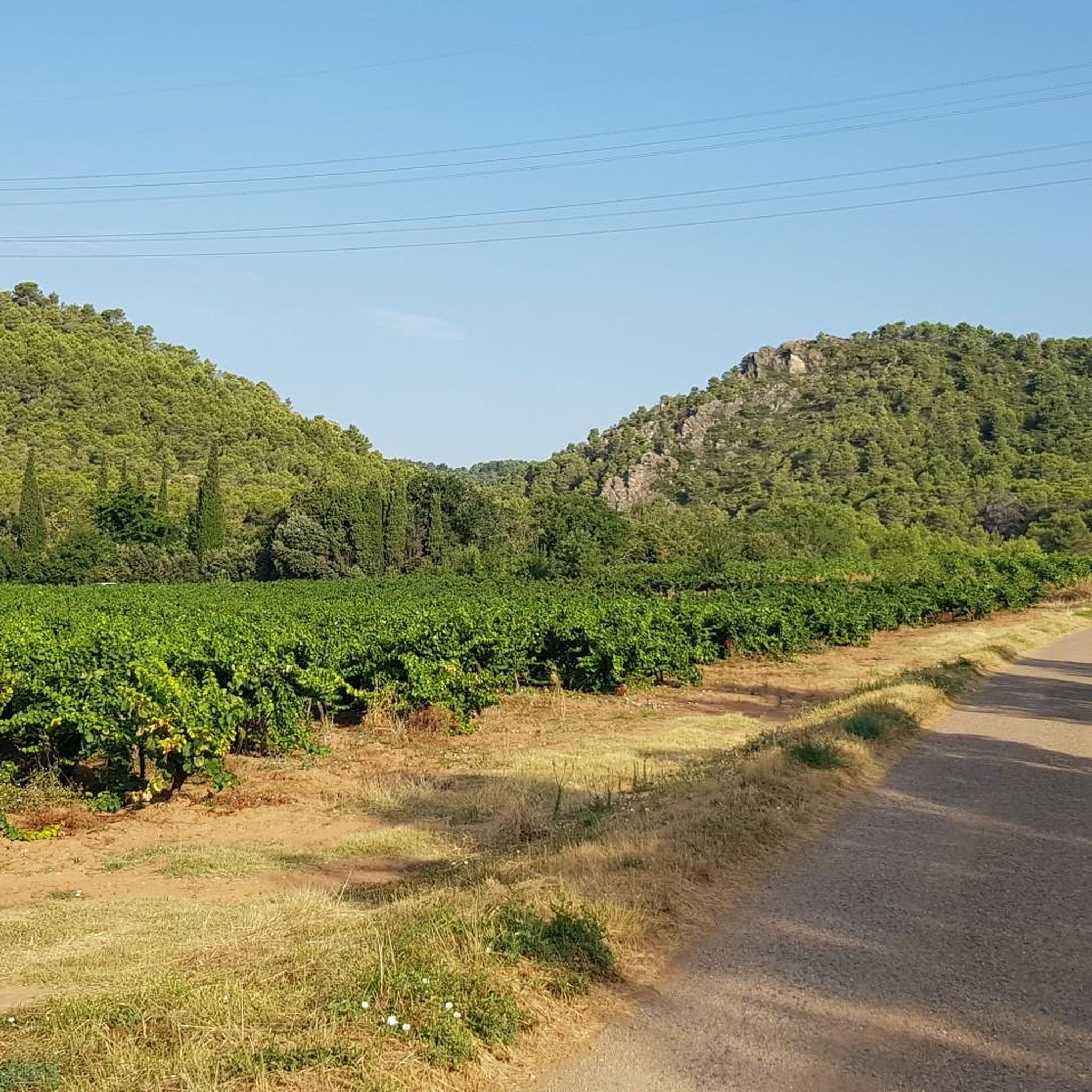
Several walking options are available. Either an out-and-back on the paved road starting from Cruzy (7.4km, 130m elevation gain), or a loop that turns towards Villespassans without actually reaching it, skirting around L'Estagnol and descending to the right to the Chapel of Sainte Foi (10km, 210m elevation gain). A small correction regarding the incorrect names: The first gorge at Roquefourcade (the village spring) is called Marie-Coquette, the ruined building after the small Chapel of Sainte Foi is called the Sainte Foi Sheepfold, and the second gorge that climbs towards Les Gyssières (Platières) is called Marie-Close. This walk is especially recommended after the spring rains when there is water in the Nazoure River and waterfalls at Marie-Close.
0
0

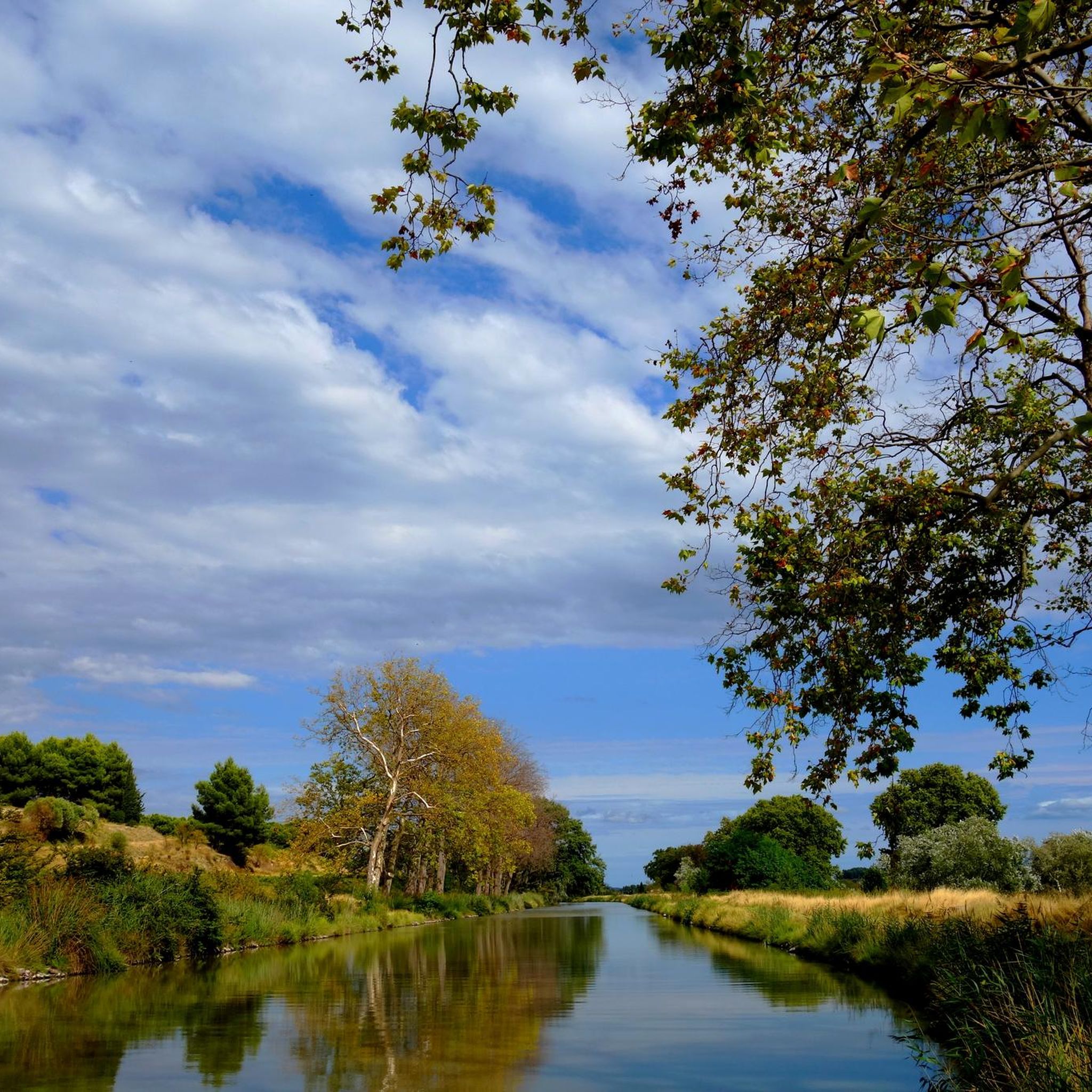
The section posted for this Highlight is in the town of Sallèles-d'Aude so you have a lot of people walking in this section. Dog walkers with dogs not on leads, families taking the whole path etc., so whilst it is pretty in can be annoying when biking, This was in the last days of Oct. '25 so I think in summer it would be almost impassable at times. The other way towards the Gailhousty Lock and eventually Narbonne is much quieter if you want to ride unhindered by walkers & dogs, especially if you take the wide gravel track on the other side of the canal from the Vioe Verte.
0
0


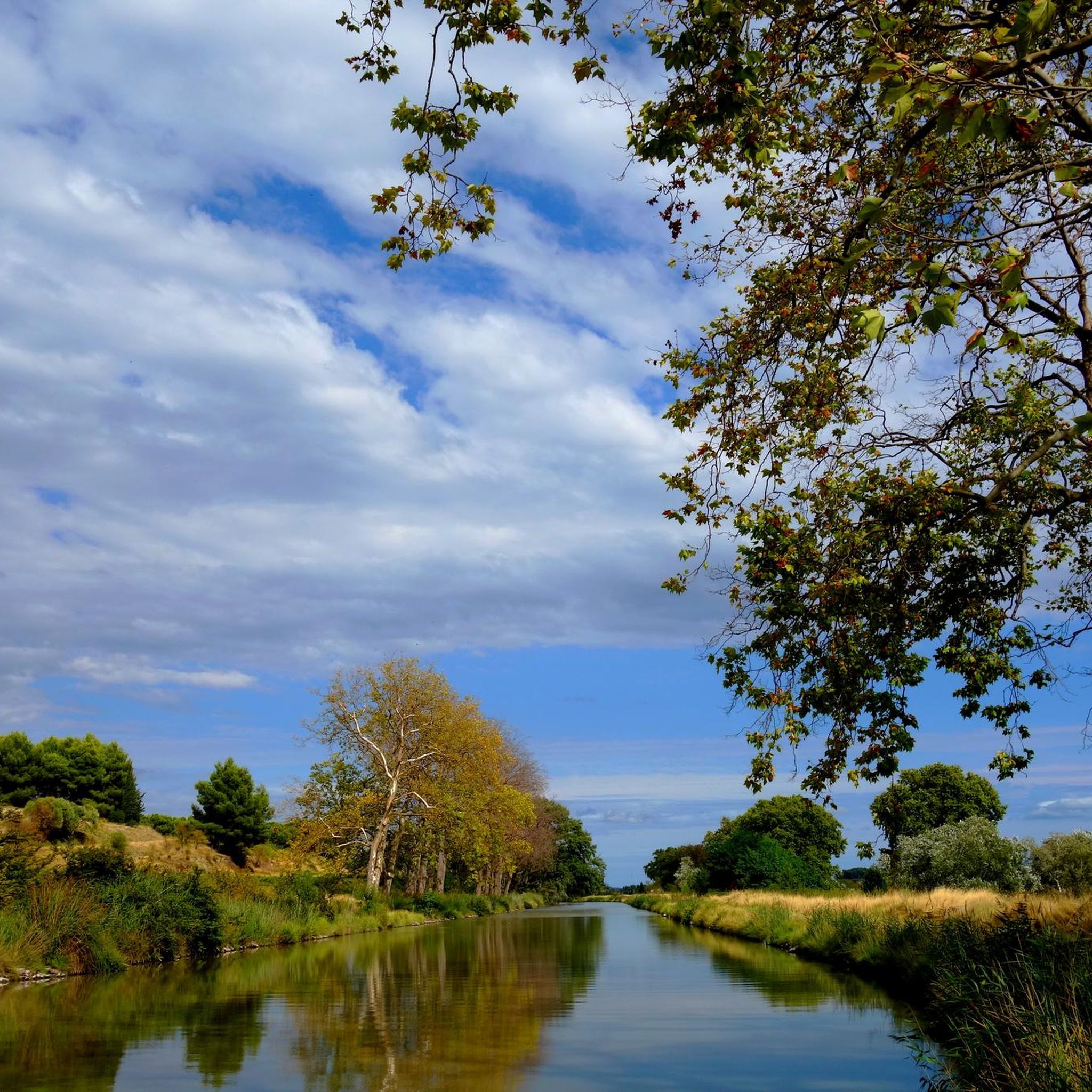
Pretty canal, shaded, bucolic. Don't miss the Gailhousty site, at the downstream outlet of the Jonction canal on the Aude river. This canal, put into operation in 1787, connects the Canal du Midi and the Robine de Narbonne canal. The Gailhousty site consists of a lock, a spillway, a bridge and a dry dock. Upstream of the lock, the canal is protected from the floods of the Aude thanks to a system of dikes that surround it up to Sallèles-d'Aude. Downstream of the lock is a space designed to be able to be submerged during heavy floods: the spillway. The bridge is designed to provide rapid access to all points of the site, is of neat architecture, with a low arched vault and four quarter-circle staircases placed at each corner. During floods, it is necessary to be able to react quickly and to manoeuvre the defence systems in time. Placed on the downstream head of the lock, it participates in the system of containing the strongest floods. The monumental spillway, 30 metres long, is located on the left bank of the canal between the Gailhousty lock and the Aude. Its front façade on the canal side is pierced with vertical crenellations that plunge into the water. At the back, it has 5 arched openings at the foot of which launches an 8km long landing channel called "La saignée" directed towards the Capestang pond. This building houses no fewer than 15 oversized valves. It is not intended to evacuate excess water from the Jonction canal but must allow the passage of flood water from the Aude river. Originally, it was planned that these waters loaded with fertile silt would be directed into the Capestang pond to fill it and promote crops there.
0
0
Superb site, at the downstream outlet of the Jonction canal on the Aude river. This canal, put into operation in 1787, allows to make the connection between the Canal du Midi and the Canal de la Robine de Narbonne. The Gailhousty site consists of a lock, a spillway, a bridge and a dry dock. Upstream of the lock, the canal is protected from the floods of the Aude thanks to a system of dikes which surround it up to Sallèles-d'Aude. Downstream of the lock is a space designed to be able to be submerged during heavy floods: the spillway. The bridge is designed to allow rapid access to all points of the site, is of a neat architecture, with a low arched vault and four quarter-circle staircases placed at each corner. In times of flood, it is necessary to be able to react quickly and maneuver the defense systems in time. Placed on the downstream head of the lock, it participates in the system of containing the strongest floods. The monumental spillway, 30 meters long, is located on the left bank of the canal between the Gailhousty lock and the Aude. Its front facade on the canal side is pierced with vertical crenellations that plunge into the water. At the back, it has 5 arched openings at the foot of which launches an 8km long landing channel called "La saignée" directed towards the Capestang pond. This building houses no less than 15 oversized valves. It is not intended to evacuate excess water from the Jonction canal but must allow the passage of flood water from the Aude river. Originally, it was planned that this water loaded with fertile silt would be directed into the Capestang pond to fill it and promote crops there.
0
0
Very pretty canal, less known than the Canal du Midi, shaded. Do not miss the Gailhousty site, at the downstream outlet of the Canal de Jonction on the Aude river. This canal, put into operation in 1787, allows to make the connection between the Canal du Midi and the Canal de la Robine de Narbonne. The Gailhousty site consists of a lock, a spillway, a bridge and a dry dock. Upstream of the lock, the canal is protected from the floods of the Aude thanks to a system of dikes which surround it up to Sallèles-d'Aude. Downstream of the lock is a space designed to be able to be submerged during heavy floods: the spillway. The bridge is designed to provide rapid access to all points of the site, is of neat architecture, with a low arched vault and four quarter-circle staircases placed at each corner. During floods, it is necessary to be able to react quickly and maneuver the defense systems in time. Placed on the downstream head of the lock, it participates in the system of containing the strongest floods. The monumental spillway, 30 meters long, is located on the left bank of the canal between the Gailhousty lock and the Aude. Its front facade on the canal side is pierced with vertical crenellations that plunge into the water. At the rear, it has 5 arched openings at the foot of which launches an 8km long landing channel called "La Saignée" directed towards the Capestang pond. This building houses no less than 15 oversized valves. It is not intended to evacuate excess water from the Jonction canal but must allow the passage of flood water from the Aude river. Originally, it was planned that this water loaded with fertile silt would be directed into the Capestang pond to fill it and promote crops there.
0
0
It is one of the most emblematic places on the canal: its buildings, its chapel, its inn, its humpback bridge, its stores, bear witness to the activity of the time around the canal. Once the work on the canal was finished, an administration was set up to manage navigation on the canal. Seven divisions were created along the canal. The Somail division covered 45 km. A passenger transport service was also set up, the stop at the Somail inn corresponded to the third day of navigation from Toulouse. The building even had a dungeon...
1
0

A very nice little place with lots of tourists, boats and cyclists. A typical stopover for many.
0
0
Frequently Asked Questions
What historical sites can I explore in and around Cruzy?
Cruzy is rich in history. You can visit the Romanesque Church of Saint-Saturnin (Sainte-Eulalie), the Feudal Castle in the old village, and the 19th-century Château de Sériège. Don't miss the 12th-century Château de l'Archevêque, a classified historical monument with a magnificent 15th-century painted ceiling. Additionally, the Port of Somail on the Canal du Midi is a significant historical settlement.
Are there any museums in Cruzy?
Yes, Cruzy is home to the ACAP Museum (Musée de Cruzy). This museum covers paleontology, archaeology, and local history, featuring collections from the Neolithic to the High Middle Ages. It's particularly known for its dinosaur fossils, including a titanosaurs femur, Roman pottery, and artifacts from the 1907 winegrowers' revolt. You can find more information on the Hérault Tourisme website: Musée de Cruzy.
What natural attractions are there for outdoor enthusiasts?
The region around Cruzy is characterized by rolling hills, extensive vineyards, and olive groves, offering a picturesque landscape. The nearby Forest of Seriege provides opportunities for walks with views that can even extend to the Pyrenees. The UNESCO World Heritage site, the Canal du Midi, is also a prominent natural feature, ideal for leisurely activities.
What kind of outdoor activities can I do near Cruzy?
Cruzy is an excellent base for outdoor activities. You can enjoy hiking through vineyards and forests, with trails like the 9 km Marie-Coquette Gorge starting from the village. Cycling is also popular, especially along the Canal du Midi. For more detailed routes, explore the hiking routes around Cruzy or the cycling routes around Cruzy.
Are there family-friendly attractions around Cruzy?
Many attractions around Cruzy are suitable for families. The Canal du Midi offers gentle walks and bike rides, and specific highlights like The Port of Somail, the Junction of the Canal du Midi and the Canal de la Robine, and Gailhousty Lock and Spillway are noted as family-friendly. The ACAP Museum also offers an engaging experience with its dinosaur fossils.
Where can I experience the local wine culture?
Cruzy is situated within the renowned Minervois Wine Region, famous for its robust red wines. Numerous local vineyards, such as Domaine de la Clapière and Château Saint-Jean, welcome visitors for tastings and tours, providing insights into the winemaking process and the region's viticultural heritage.
What are some popular walking routes near Cruzy?
A popular walking route is the 9 km Marie-Coquette Gorge trail, which starts directly from Cruzy. You can also find pleasant walks through the vineyards and olive groves surrounding the village. For more options, check out the hiking guide for Cruzy, which includes routes like the 'Défilé de Marie-Coquette – loop from Cruzy'.
What is the Camin'Arts Greenway?
The Camin'Arts Greenway is an 11 km marked route that starts from the old Terminus station in Cruzy. It's suitable for both biking and walking and features permanent contemporary works of art along its path, offering a unique blend of nature and culture.
What do visitors particularly enjoy about the attractions around Cruzy?
Visitors frequently appreciate the historical significance and picturesque settings of the Canal du Midi's features, such as The Port of Somail with its charming buildings and humpback bridge. The engineering marvels like the Gailhousty Lock and Spillway also receive high praise for their historical context and scenic views. The overall blend of history, nature, and canal-side activities is highly valued.
Are there opportunities for cycling near Cruzy?
Yes, the area around Cruzy is excellent for cycling. The Canal du Midi offers flat, scenic paths, and there are numerous routes through the surrounding countryside, vineyards, and olive groves. You can find various cycling tours, including 'The Canal du Midi – Canal du Midi Capestang loop from Cruzy', in the cycling guide for Cruzy.
What is the significance of the Canal du Midi in this region?
The Canal du Midi, a UNESCO World Heritage site, is a central feature of the region. It provides a scenic route for boat rides, walks, and bike rides. Key points of interest include The Port of Somail, a historic stop for post boats, and the Junction of the Canal du Midi and the Canal de la Robine, which connects to the Mediterranean Sea.
Can I explore other towns or cities from Cruzy?
Cruzy's central location makes it a convenient base for exploring other regional attractions. You can easily visit the medieval city of Carcassonne or the historic city of Narbonne, both offering further cultural and historical experiences.

Get inspired with the komoot mobile app


Explore more
Still not found the Highlight you’re looking for? See guides of the top attractions in other regions:
