The best road cycling routes around Montouliers
4.5
(89)
1,409
riders
96
rides
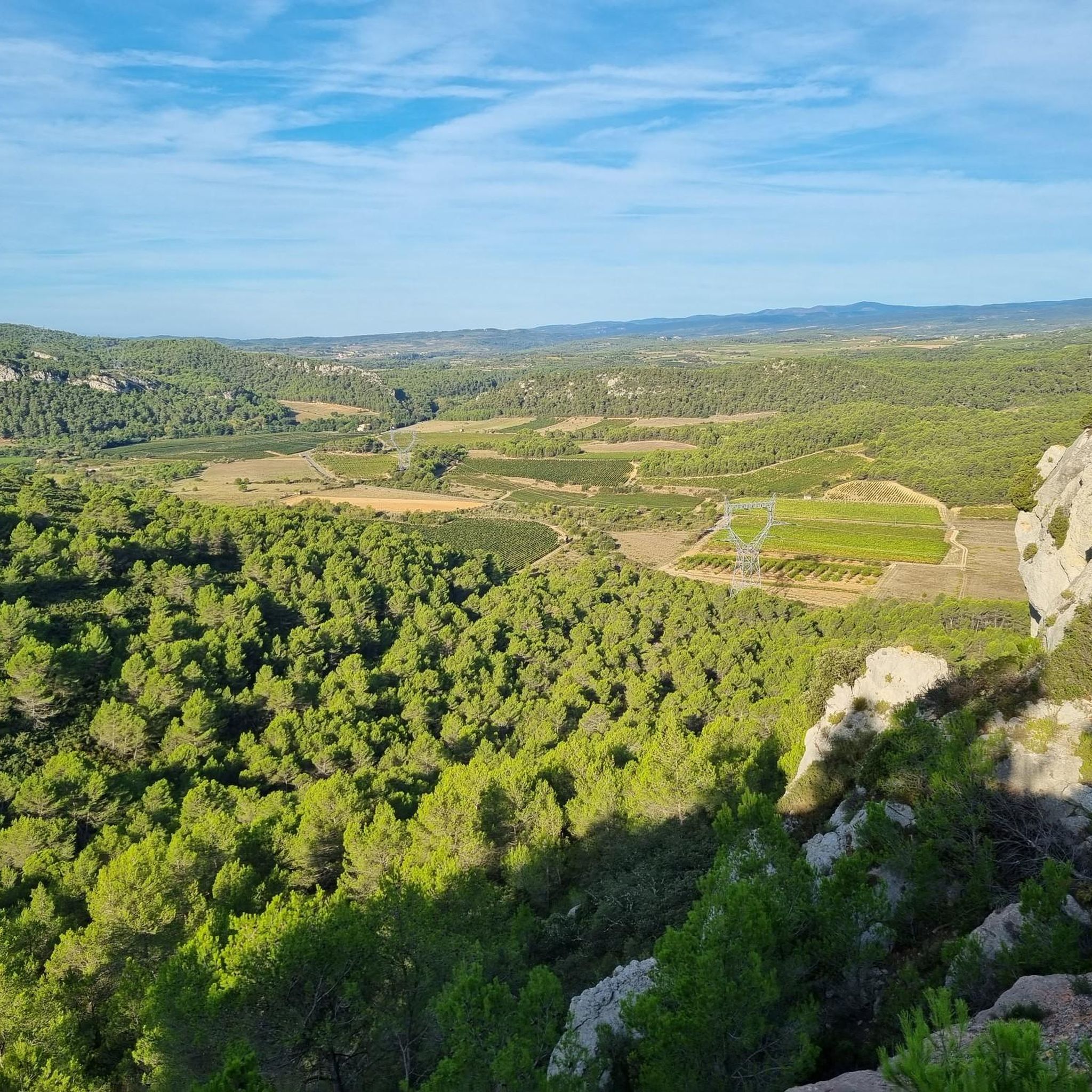
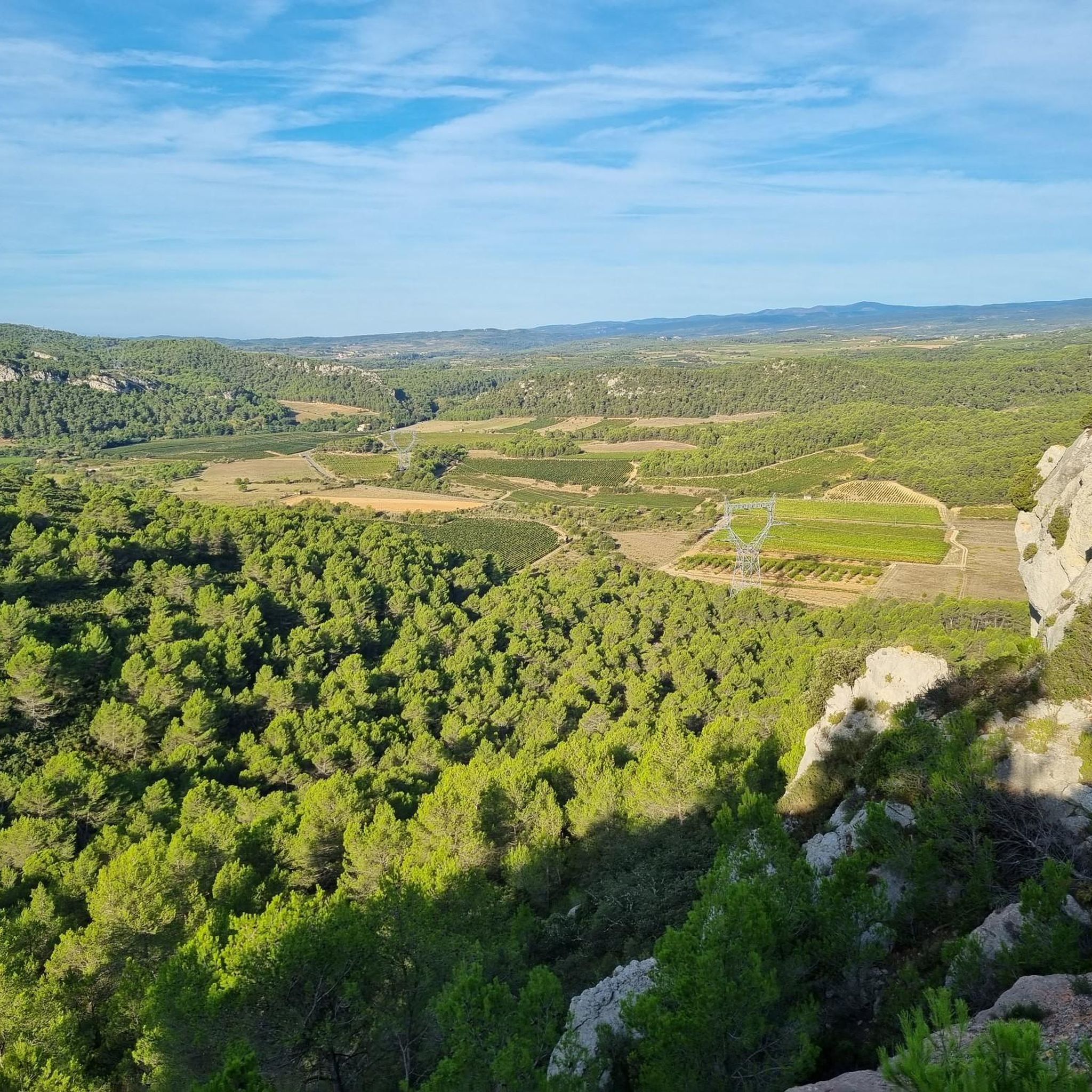
Road cycling around Montouliers features a diverse landscape, characterized by rolling hills and varied terrain suitable for different skill levels. The region includes areas with significant elevation changes, such as those leading to passes like Col de Coulouma. Cyclists can expect routes that traverse rural roads, vineyards, and historic villages within the Hérault Department.
Best road cycling routes around Montouliers
- The most popular road cycling route is Col de Coulouma – Entrance to Hérault Department loop from Argeliers, a…
Last updated: October 22, 2026
4.7
(3)
36
riders
Moderate road ride. Good fitness required. Mostly well-paved surfaces and easy to ride.
5.0
(2)
33
riders
31.4km
01:26
380m
390m
Moderate road ride. Good fitness required. Mostly well-paved surfaces and easy to ride.

5.0
(1)
30
riders
30.9km
01:29
400m
400m
Moderate road ride. Good fitness required. Mostly well-paved surfaces and easy to ride.
5.0
(1)
13
riders
64.7km
02:55
720m
720m
Moderate road ride. Good fitness required. Mostly well-paved surfaces and easy to ride.
12
riders
38.4km
01:36
190m
190m
Easy road ride. Mostly well-paved surfaces and easy to ride.
Get access to more routes and recommendations from other explorers.
Already have an account?
Our route recommendations are based on thousands of hikes, rides, and runs completed by other people on komoot.
Start today with a free account
Your next adventure awaits.

Tips from the Community

This route is fine if you’re just on a bike though some may find earlier sections narrow and difficult to navigate due to mooring ropes across the path. We did it with our dog trailer and found some sections precarious and too narrow for the trailer tbh.
0
0

The Jonction canal was commissioned in 1787 to connect the Canal du Midi to the Canal de la Robine in Narbonne. 5 km long, it is partly lined with magnificent umbrella pines that shelter you from the sun. This canal is part of the UNESCO World Heritage site "Canal du Midi" just like the Canal de la Robine.
0
0
The Canal du Midi, formerly Canal Royal, is a 17th-century technical feat designed by Pierre-Paul Riquet to connect the Atlantic to the Mediterranean. Today, it is above all a place for relaxation and discovery, where heritage, nature, and conviviality blend together.
0
0

In the heart of the village of Quarante stands the church of Sainte-Marie, the former abbey church of a powerful Benedictine monastery founded in the 10th century. For nearly a thousand years, the abbey has marked the religious and economic history of the Minervois. The current church preserves the traces of this long history, with Romanesque elements from the 12th century associated with Gothic transformations carried out in the Middle Ages.
2
0
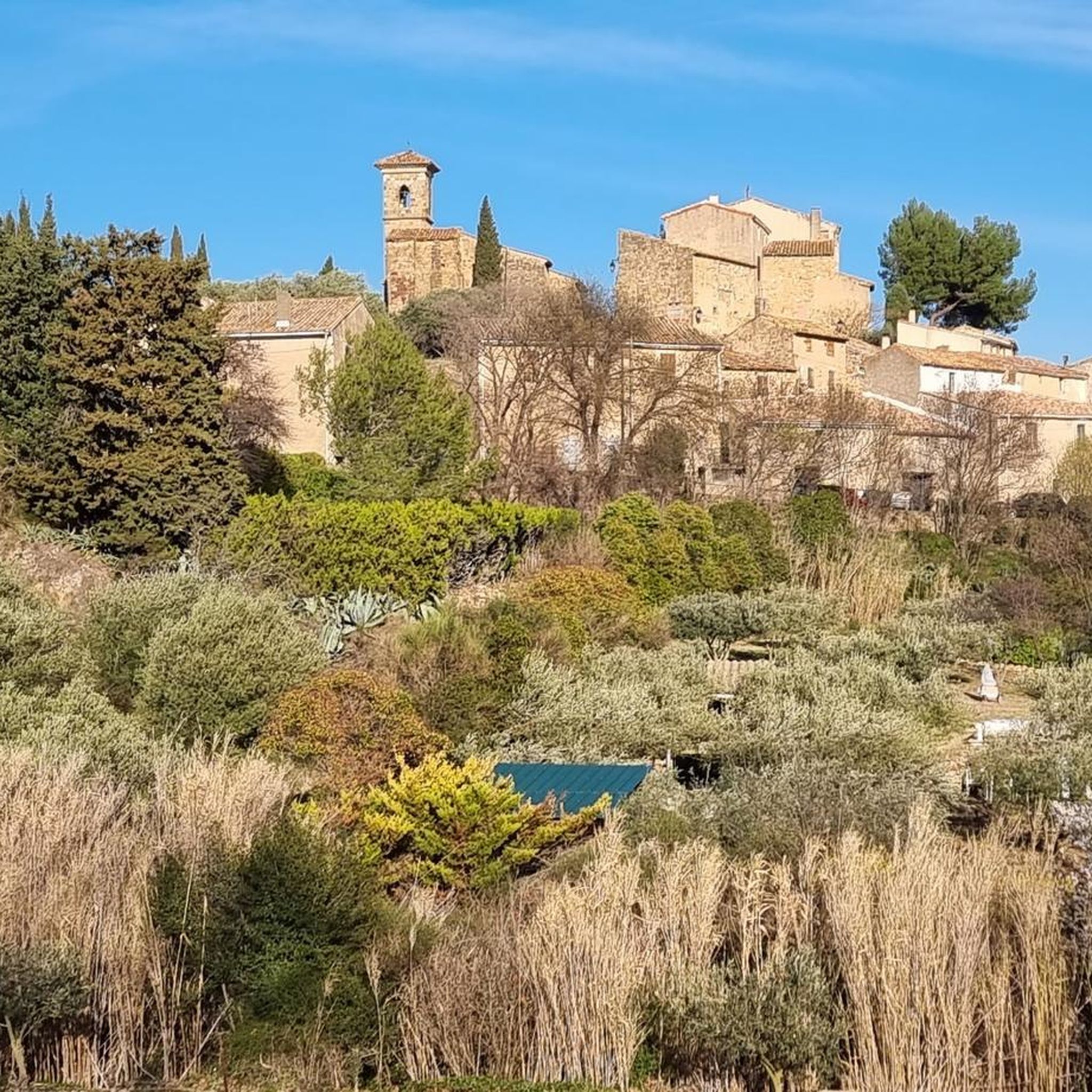
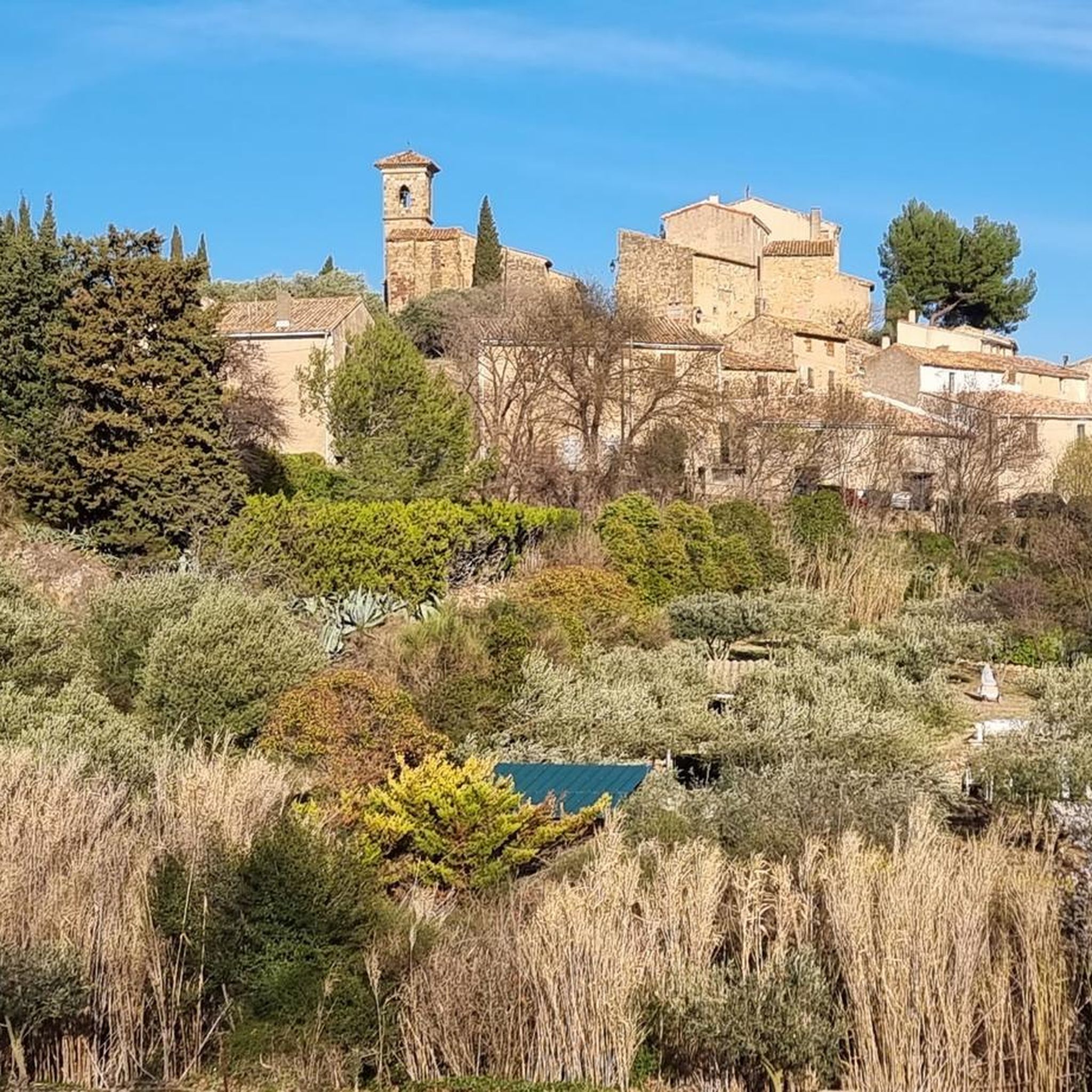
In the heart of old Montouliers lies a heritage site that bears witness to the village's importance in the Middle Ages. The church of Saint-Baudile, whose existence is attested as early as the 10th century under the name Sanctus Baudelius de Monte Olerio, was rebuilt and enlarged over the centuries, mainly between the 12th and 14th centuries. Inside, the building houses a remarkable 14th-century polychrome stone statue of Saint Baudile, classified as a Historic Monument in 1975. Just opposite are the remains of the castrum of Monte Olerio, the old fortified castle around which the medieval village was organized. This grouping around a fortified place, a church, and a few dwellings then formed the defensive and religious heart of the community.
2
0
Much more than a simple village church, Notre-Dame-de-l'Assomption was originally the chapel of the seigniorial castle of Villespassans. Built between the 12th and 16th centuries, it has the particularity of housing two superimposed naves, testifying to the different phases of its evolution. Its massive square tower, built of dressed stone, still dominates the heart of the old medieval village, where remains of the ramparts also still exist. Villespassans developed on a ridge of Hettangian dolomites, limestone rocks about 200 million years old that mark the early Jurassic period. These extensive terrains offer a solid base on which the village was established and partly explain its dominant position in the landscape. Nicknamed the "village of a thousand and one stones", Villespassans is also renowned for its remarkable dry stone heritage: *capitelles*, low walls, dolmens, and old agricultural constructions dot the surroundings.
2
0
In the center of the remarkable circular village of Aigne, the Saint-Martin church has occupied the heart of village life for nearly a thousand years. Originally Romanesque, it still retains its apse and several elements from the 11th century, while having been enlarged between the 15th and 17th centuries. Its facade is adorned with an elegant portal in pink and gray marble from local quarries, recalling the know-how of the builders of the Minervois. It is no coincidence that Aigne is nicknamed "the Snail": the houses are organized in concentric circles around the church, forming one of the most beautiful medieval circular villages in Languedoc.
2
0
As you cross Agel, take the time to stop in front of the Saint-Pierre-et-Saint-Paul church. Behind its peaceful appearance lies a turbulent history: destroyed in the 14th century, rebuilt, and then ravaged again during the Wars of Religion, it has crossed the centuries before adopting its current appearance in the 16th and 17th centuries. Did you know? Its large bell from 1781 still invokes protection against storms in a Latin inscription, while a small sculpted lizard hides among its ornaments.
2
0
Frequently Asked Questions
How many road cycling routes are available around Montouliers?
There are nearly 100 road cycling routes documented around Montouliers on komoot, offering a wide range of options for different skill levels.
Are there easy road cycling routes for beginners in Montouliers?
Yes, Montouliers offers several easy road cycling routes. Approximately 15 routes are classified as easy, providing a gentle introduction to the region's beautiful landscapes. These routes typically feature less elevation gain and shorter distances.
What are the typical distances and durations for road cycling routes in Montouliers?
Route distances vary significantly. You can find shorter rides, like the D20 Road to Rieux-Minervois – Beautiful, peaceful spot! loop from Argeliers, which is about 36 km and takes around 1 hour 36 minutes. For more challenging rides, routes like the Col de Coulouma – Entrance to Hérault Department loop from Argeliers stretch over 80 km and can take more than 4 hours.
Are there challenging road cycling routes for experienced cyclists in Montouliers?
Absolutely. Montouliers is known for its rolling hills and offers 22 difficult road cycling routes. These routes, such as the Minerve – Church of St Michel loop from Argeliers, feature substantial elevation gain and longer distances, providing a good test for advanced riders.
When is the best time of year to go road cycling in Montouliers?
The Mediterranean climate of Montouliers makes spring (April-May) and autumn (September-October) ideal for road cycling. Temperatures are pleasant, and the landscapes are vibrant. Summers can be hot, especially in July and August, so early morning rides are recommended then.
What kind of terrain can I expect on road cycling routes around Montouliers?
Road cycling around Montouliers is characterized by diverse terrain, including rolling hills, rural roads, and routes that pass through vineyards and historic villages within the Hérault Department. You'll encounter both moderate climbs and flatter sections.
Are there circular road cycling routes available in Montouliers?
Yes, many of the road cycling routes around Montouliers are designed as loops, allowing you to start and finish in the same location. Examples include the Col de Coulouma – Beautiful, peaceful spot! loop from Bize-Minervois and the Entrance to Hérault Department – Minerva loop from Argeliers.
What can I see along the road cycling routes in Montouliers?
Many routes offer views of historic sites and cultural landmarks. You can explore attractions like The Port of Somail, the Junction of the Canal du Midi and the Canal de la Robine, or the Gailhousty Lock and Spillway. Some routes also provide scenic viewpoints such as View over Paraza.
Is parking available for road cyclists in Montouliers?
While specific parking details vary by route starting point, many villages and towns in the Montouliers area, such as Argeliers and Bize-Minervois, offer public parking facilities suitable for cyclists. It's advisable to check local parking options for your chosen starting location.
What do other road cyclists enjoy the most about road cycling in Montouliers?
The road cycling routes in Montouliers are highly rated by the komoot community, with an average score of 4.5 stars from over 60 reviews. Cyclists often praise the diverse landscapes, the quiet rural roads, and the opportunity to explore historic villages and vineyards.
Are there places to stop for refreshments along the road cycling routes?
Yes, many road cycling routes in Montouliers pass through or near charming villages where you can find cafes, bakeries, and small shops to refuel. Planning your route with komoot allows you to identify potential stops along the way.
Can I reach road cycling routes in Montouliers using public transport?
Public transport options in rural areas like Montouliers can be limited. While some larger towns in the Hérault Department may have bus or train connections, reaching specific route starting points often requires a car. It's best to research local transport schedules if you plan to rely on public transport.
Most popular routes around Montouliers
Most popular attractions around Montouliers

Get inspired with the komoot mobile app


Explore more
Browse the best Road cycling routes in other regions.
