Top 5 Castles around Bians-Les-Usiers
Best castles around Bians-Les-Usiers are found in the wider Doubs department and the Bourgogne-Franche-Comté region, offering a range of historical sites. While the village of Bians-les-Usiers itself, now part of Val-d'Usiers, does not host prominent castles, the surrounding area provides diverse architectural and historical experiences. This region is characterized by its natural landscapes and strategic historical locations, particularly along routes connecting to Switzerland.
Best castles around Bians-Les-Usiers
- The most popular castles is Passage at the foot of Château de Joux…
Last updated: July 14, 2026
Joux Castle
Highlight • Castle
Translated by Google •
Tip by

Passage at the foot of Château de Joux and the ruins of Fort Mahler
Highlight • Castle
Translated by Google •
Tip by

Sign up now to discover places like this
Get recommendations on the best single tracks, peaks, & plenty of other exciting outdoor places.
Sign up for free
View of the Château de Joux
Highlight • Castle
Tip by

Point de vue sur le fort Malher
Highlight • Viewpoint
Translated by Google •
Tip by

Start today with a free account
Your next adventure awaits.
Login or Signup
Tips from the Community

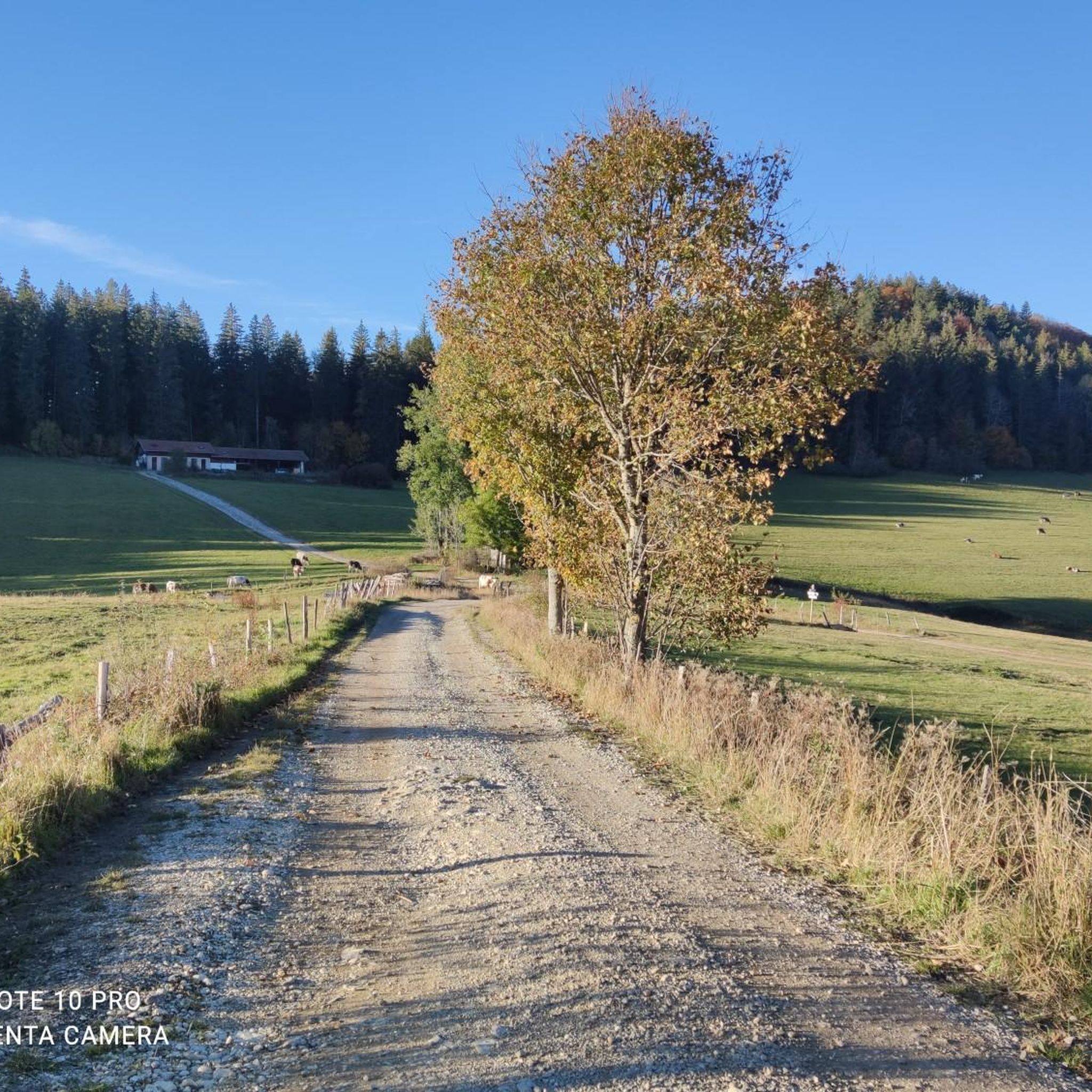
From the road, there is a beautiful view of Fort Malher. Also known as Lower Larmont Fort, this military fort was built in the 19th century directly opposite Joux Castle. It is part of the Séré de Rivières system, overlooking the village of La Cluse-et-Mijoux at an altitude of 1,032 meters.
0
0

The complex is impressive even from the outside and, despite its 1,000-year-old and eventful history, is still in good condition. It has been continuously modernized to accommodate the latest military and artillery technologies.
2
0

Beautiful view of the fort du Larmont.
7
0

Section of road passing through a gorge with the Château de Joux on the heights on one side and the ruins of the lower Fort du Larmont, or Fort Mahler, on the other. This second, built in the 19th century, had the mission of protecting the Château de Joux.
0
0

Unfortunately very heavy traffic, at least on Sunday evening
0
0

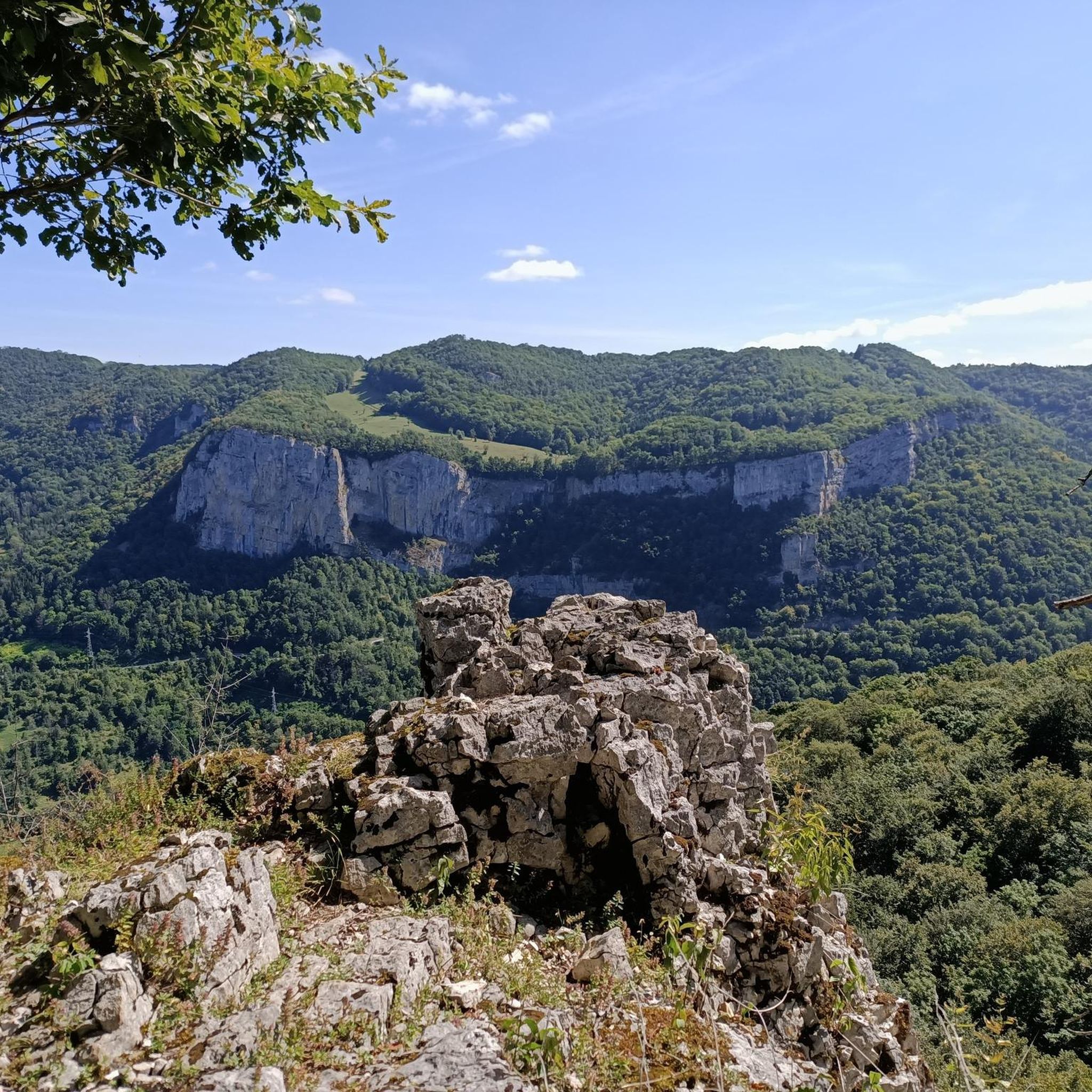
Superb point of view, reward for a difficult climb by bike. View of the castle and the Cluse, and the Métabief ski slopes in the distance to the south.
0
0

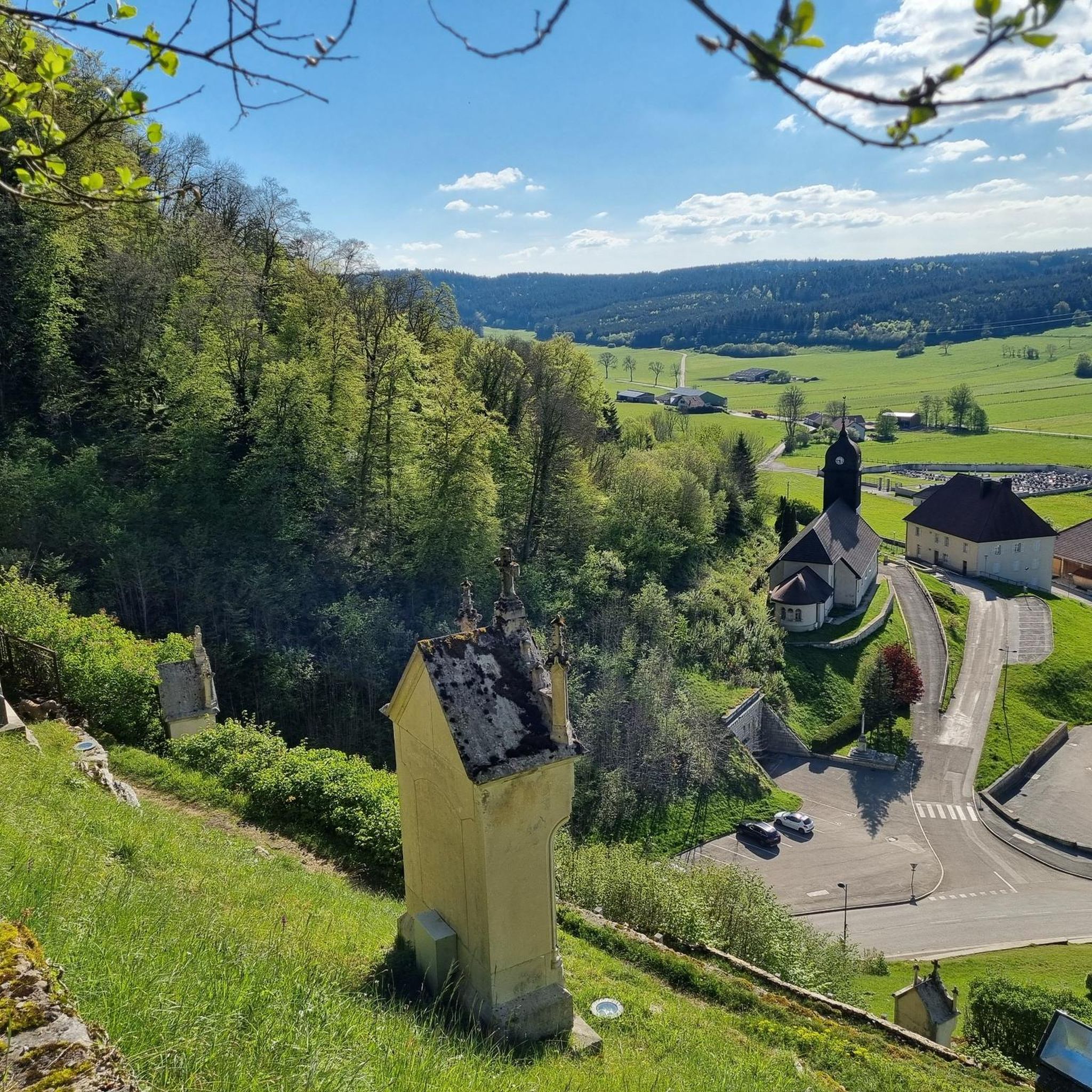
This is a spectacular fort standing high on a rocky spur. Worth a short detour for a visit if you are into your history. Initially built in wood in the 11th century, it was then rebuilt in stone in the 12th century. It has been a medieval castle, a border fortress, a state prison and then an artillery fort.
3
1

The castle of Joux also called Fort de Joux, perched on its rocky outcrop and located near the Swiss border served both as a place of observation and defense but also had the function of being a prison. Its most famous occupant who died in his jails is the Haitian independentist and revolutionary Toussaint Louverture. Napoleon having re-established slavery for pecuniary reasons, he opposed the emperor, which resulted in his imprisonment. You can visit this fort. For more information, this website is at your disposal: https://chateaudejoux.com/
0
0
Frequently Asked Questions
What are some of the most notable castles to visit near Bians-les-Usiers?
While Bians-les-Usiers itself doesn't have prominent castles, the wider Doubs department and Bourgogne-Franche-Comté region offer several impressive sites. Beyond the well-known Château de Joux, consider visiting the 16th-century Château d'Amondans for its picturesque setting, the UNESCO World Heritage Citadel of Besançon for its Vauban architecture and panoramic views, or Belvoir Castle with its medieval roots overlooking the Val de Sancey. The inhabited Montalembert Castle in Maîche also offers a unique historical experience.
Are there any castles near Bians-les-Usiers that are particularly rich in military history?
Absolutely. The Joux Castle is a prime example, with a history spanning ten centuries as a military fortress, border defense, and state prison. Its strategic location and transformations by Vauban make it a significant site. The Citadel of Besançon, a UNESCO World Heritage site, is another masterpiece of military engineering by Vauban, showcasing innovative defensive strategies from the 17th century.
What kind of views can I expect when visiting castles in this region?
Many castles in the region are strategically perched, offering spectacular vistas. For instance, the View of the Château de Joux provides a breathtaking perspective of the fort and the surrounding landscape. The Citadel of Besançon, located on Mont Saint-Étienne, also offers superb panoramic views of the city and its environs.
Are there family-friendly castles with activities near Bians-les-Usiers?
Many castles, like Joux Castle, offer guided tours and historical exhibits that can be engaging for families. Its dramatic history as a prison and fortress provides a compelling narrative. While specific 'activities' vary, the immersive historical experience and impressive architecture often captivate visitors of all ages.
What is the best time of year to visit castles in the Franche-Comté region?
The spring and autumn months generally offer pleasant weather for exploring castles and their surroundings, with fewer crowds than peak summer. Winter visits can be atmospheric, especially for fortresses like Joux Castle, but some sites might have reduced opening hours or limited access due to snow or ice. Always check specific castle websites for current opening times before planning your visit.
Are there hiking opportunities near the castles?
Yes, the region around Bians-les-Usiers is excellent for outdoor activities. For example, the area around Château de Joux offers scenic routes. You can find various hiking trails in the broader area, including moderate to difficult options like the 'Source de la Loue – Gorges of the Loue loop from Ouhans'. For more hiking ideas, explore the Hiking around Bians-Les-Usiers guide.
Can I find cafes or restaurants near Château de Joux?
Yes, there is typically a small restaurant or cafe available in the parking lot area directly in front of the entrance to Joux Castle, offering refreshments for visitors.
What are some lesser-known or 'hidden gem' castles in the Doubs region?
While not entirely 'hidden,' Château d'Amondans offers a charming glimpse into 16th-century architecture in a beautiful natural setting, and Belvoir Castle, maintained by the family of painter Pierre Jouffroy, provides an authentic medieval experience away from the most crowded tourist paths. These offer a more intimate historical exploration.
What kind of outdoor activities can I combine with a castle visit?
The region is ideal for combining history with nature. You can find numerous running and cycling routes. For instance, there are several running loops from Val-d'Usiers and Goux-les-Usiers, and cycling routes like the 'Gorges de Nouailles – The Loue loop'. Check out the Running Trails around Bians-Les-Usiers and Cycling around Bians-Les-Usiers guides for detailed route information.
How long should I allocate for visiting a castle like Château de Joux?
For a comprehensive visit to a major site like Joux Castle, including exploring its various sections and perhaps a guided tour, you should typically allocate at least 2 to 3 hours. Smaller castles or viewpoints might require less time, while the extensive Citadel of Besançon could easily fill half a day.
Are there options for public transport to reach these castles?
Public transport options can be limited for some of the more rural castles. For major sites like Château de Joux near Pontarlier or the Citadel of Besançon, there are usually bus or train connections to nearby towns, followed by local transport or a walk. It's advisable to check regional transport schedules in advance, especially for specific routes from Bians-les-Usiers.
What should I wear when visiting castles in the Jura mountains?
Given the often elevated and exposed locations of many castles, and the potential for walking or hiking, it's recommended to wear comfortable walking shoes. Layers of clothing are also advisable, as weather conditions in the Jura mountains can change quickly, even during warmer months. A waterproof jacket is always a good idea.
Most popular routes around Bians-Les-Usiers
Most popular attractions around Bians-Les-Usiers

Get inspired with the komoot mobile app


Explore more
Looking for the best castles somewhere else? Discover other guides around Bians-Les-Usiers:
