Attractions and Places To See around Saint-Didier - Top 15
Best attractions and places to see around Saint-Didier include a variety of historical sites and natural features. The region offers opportunities to explore waterways, historical castles, and charming towns. This area is characterized by its blend of cultural heritage and scenic routes, providing diverse experiences for visitors.
Best attractions and places to see around Saint-Didier
- The most popular attraction is Canal de Nivernais Towpath, a cycle way that offers varied scenery with locks and bascule bridges. It is suitable…
Last updated: October 30, 2026
Canal de Nivernais Towpath
Highlight (Segment) • Cycleway
Translated by Google •
Tip by

Cuncy Castle
Highlight • Other
Translated by Google •
Tip by

Sign up now to discover places like this
Get recommendations on the best single tracks, peaks, & plenty of other exciting outdoor places.
Canal du Nivernais
Highlight • Other
During the cold winter of 1782-1783, the Morvan forest was no longer sufficient to supply the capital with wood. It became necessary to transport wood from other forests, those of Bazois.
Showing Translation
Tip by

The Nivernais Canal
Highlight • Other
During the harsh winter of 1782-1783, the Morvan forest was no longer sufficient to supply the capital with wood. Wood had to be transported from other forests, particularly from the Bazois.
Showing Translation
Tip by
Canal du Nivernais
Highlight • Other
During the cold winter of 1782-1783, the Morvan forest was no longer sufficient to supply the capital with wood. It became necessary to transport wood from other forests, those of Bazois.
Showing Translation
Tip by
Sign up for free to discover even more attractions around Saint-Didier.
Already have an account?
Start today with a free account
Your next adventure awaits.

Tips from the Community

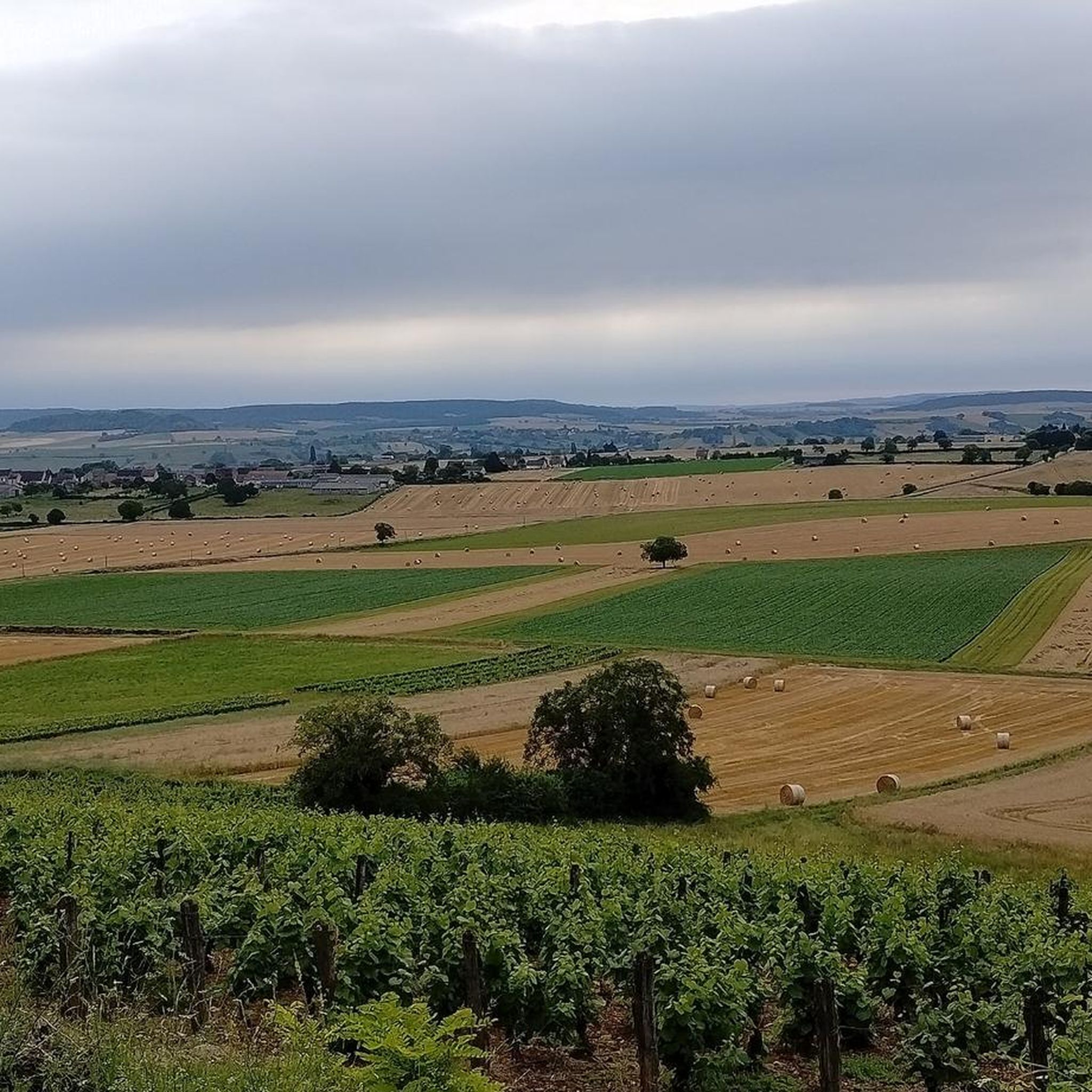
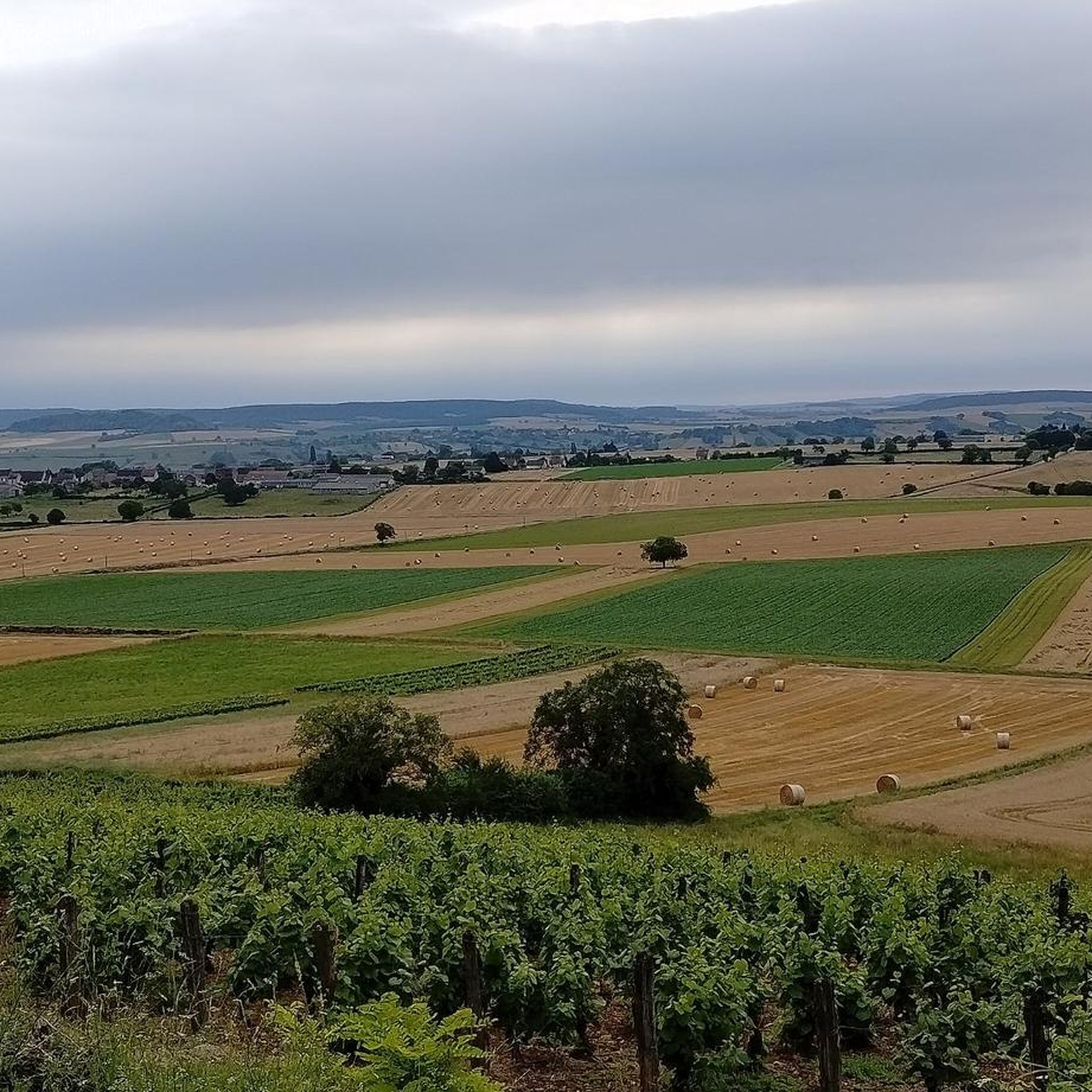
The Canal du Nivernais During the harsh winter of 1782-1783, the Morvan forest was no longer sufficient to supply the capital with wood. Wood had to be transported from other forests, particularly from the Bazois. To solve this problem, the construction of a small channel between the Loire and the Yonne was considered. Work began in 1784 with the boring of "La Montagne" at La Collancelle, and in 1786, the construction of a navigable canal was planned. After 56 years of construction, the three tunnels were completed in 1840, and on March 15, 1841, the Nivernais Canal was officially opened. In the first four decades, the canal saw an increase in traffic, as it served as a means of transport for heavy loads such as stone, wood, and coal. With the decline in demand for wood in the capital and the advent of the railway, the decline of navigation on the canal began. In the 1970s, political will and financial support were needed to promote river tourism, ecotourism, and cycling tourism. To this day, the Canal du Nivernais is one of the busiest canals in France, thanks to its gentle cruising.
0
0
The Nivernais Canal During the cold winter of 1782-1783, the Morvan forest was no longer sufficient to supply the capital with wood. It became necessary to transport wood from other forests, those of Bazois. Work was then considered to build a small channel between the Loire and the Yonne. In 1784, construction began with the drilling of "La Montagne" from La Collancelle, and in 1786, the construction of a navigation canal was planned. In 1840, the construction of the three tunnels was completed, then on March 15, 1841, the official commissioning of the Nivernais Canal took place. In the first 40 years, traffic on the canal increased, and it was also used as a means of transport for heavy loads (especially stone, but also wood and coal). With the decline in demand for wood in the capital and the development of the railway, navigation on the canal began to decline. In the 1970s, political will and funding were needed to develop river tourism, ecotourism, and cycle tourism. To this day, the Canal du Nivernais is one of the busiest canals in France due to its philosophy of gentle roaming.
0
0
The Nivernais Canal During the cold winter of 1782-1783, the Morvan forest was no longer sufficient to supply the capital with wood. It became necessary to transport wood from other forests, those of Bazois. Work was then considered to create a small channel between the Loire and the Yonne. In 1784, construction began with the boring of "La Montagne" in La Collancelle, and in 1786, the construction of a navigation canal was planned. In 1840, the construction of the three tunnels was completed, then on March 15, 1841, the official opening of the Nivernais Canal took place. In the first 40 years, traffic on the canal increased, and it was also used as a means of transport for heavy loads (particularly stone, but also wood and coal). With the decline in demand for wood in the capital and the development of the railway, navigation on the canal began to decline. In the 1970s, political will and funding were needed to develop river tourism, ecotourism, and cycle tourism. To this day, the Canal du Nivernais is one of the most frequented canals in France, thanks to its philosophy of gentle roaming.
0
0

Very nice cycle route along the canal with many sights.
2
0


A route vert runs along the entire Canal du Nivernais. Good to cycle. Check in advance whether there are places for breaks or bring your own food. The eckluses (locks) give a little bump but easy to cycle for people who are used to the flat Netherlands.
2
0

an unexpected appearance behind a gate during your bike ride
0
1

Cuncy Castle is an old fortified house built at the beginning of the 11th century. Remodeled in the 15th and 16th centuries, it was partly destroyed in 1592, when Vézelay's troops besieged Clamecy. The castle was rebuilt around 1610, on the site of the old curtain walls. A turret is added to the keep. The castle was acquired in 1846 by Edmé Goyard and his descendants are still the owners. It has an impressive porch tower. It cannot be visited and is located near the village of Villiers-sur-Yonne.
3
0
Frequently Asked Questions
What historical sites can I explore around Saint-Didier?
The region offers several historical landmarks. You can visit Cuncy Castle, an old fortified house dating from the 11th century, or the 14th-century Chitry‑les‑Mines Castle. The village of Saint-Didier itself features the historic Château de Thézan, Saint-Didier Church, and well-preserved old fountains and wash houses. The Chemin des Oratoires also offers a historical stroll.
Are there any natural attractions or scenic spots near Saint-Didier?
Absolutely. You can enjoy the picturesque Canal de Nivernais Towpath, which offers varied scenery with locks and bascule bridges. Further afield, Mont Ventoux provides breathtaking views and hiking opportunities, while the lavender fields of Sault are a stunning sight in summer. The Source of the Sorgue River at Fontaine-de-Vaucluse is another captivating natural spring, and the Gorges de la Nesque and Dentelles de Montmirail offer dramatic landscapes.
What cycling opportunities are available in the Saint-Didier area?
Saint-Didier is excellent for cycling. The Canal de Nivernais Towpath is a popular choice, suitable for all ages. For more extensive rides, you can explore various road cycling routes, including those leading to Cuncy Castle or along the Canal du Nivernais. You can find detailed routes for touring bicycles and road cycling on the Road Cycling Routes around Saint-Didier and Cycling around Saint-Didier guide pages.
Can I find family-friendly activities around Saint-Didier?
Yes, there are several family-friendly options. The Canal de Nivernais Towpath is ideal for cycling with children, offering varied scenery. The Town of Corbigny provides a friendly atmosphere with shops and dining. Exploring the charming streets and fountains of Saint-Didier village, or visiting the vibrant Marche Provençal, can also be enjoyable for families.
Where can I go hiking near Saint-Didier?
Hiking enthusiasts have several options. The Chemin des Oratoires offers a scenic 90-minute stroll with historical significance. For more challenging hikes, Mont Ventoux provides breathtaking paths. You can also find various trails around the region, including moderate loops like the "View of Pignol Castle – Château de Lys loop from Tannay" or easier options such as the "Chitry‑les‑Mines Castle loop from Chitry-les-Mines". Discover more routes on the Hiking around Saint-Didier guide page.
What is the best time of year to visit Saint-Didier for outdoor activities?
The spring and summer months are generally ideal for outdoor activities in Saint-Didier, especially for enjoying the lavender fields of Sault. The weather is pleasant for hiking, cycling, and exploring the natural beauty. However, Mont Ventoux can be enjoyed in various seasons, with different challenges depending on the time of year.
Are there any charming towns or villages worth visiting nearby?
The region is rich in picturesque villages. Venasque, classified as one of the Most Beautiful Villages in France, is just 3 km away. Gordes, another exceptionally pretty and popular village, is about 13 km distant. L'Isle-sur-la-Sorgue is known for its rivers and water wheels, while Roussillon is famous for its stunning ochre cliffs. Château-Chalon Village, surrounded by vineyards, is also a notable visit.
What unique cultural experiences does Saint-Didier offer?
Saint-Didier offers a blend of historical and cultural experiences. You can immerse yourself in local life at the vibrant Monday morning Marche Provençal, where you'll find regional products. The Chemin des Oratoires provides a unique historical and spiritual walk. The village's architectural heritage, including its castles, church, and ancient fountains, also offers a glimpse into its rich past.
Are there any places for wild swimming or water activities?
The Source of the Sorgue River at Fontaine-de-Vaucluse is the starting point for kayaking adventures down the Sorgue River. While specific wild swimming spots are not explicitly detailed, the presence of rivers and canals in the region suggests opportunities for water-based recreation, particularly during warmer months.
What do visitors particularly enjoy about the attractions in Saint-Didier?
Visitors frequently praise the varied scenery along the Canal de Nivernais Towpath, noting its suitability for cycling and the charm of the locks and bascule bridges. The friendly atmosphere and central location of the Town of Corbigny are also highly appreciated, along with its delicious food and welcoming staff.
Are there any less-known or "hidden gem" attractions?
Beyond the main highlights, the village of Saint-Didier itself, with its charming streets, numerous fountains, and the splendid plane tree avenue of Le Cours, offers a delightful experience away from the more crowded spots. The Village des Bories, a fascinating group of ancient dry-stone huts near Gordes, is also a unique historical site worth discovering.
Can I find places to eat or drink in Saint-Didier?
Yes, the Town of Corbigny, a small town near Saint-Didier, offers various shops and dining options, including a nice brasserie with good prices. Saint-Didier village itself also has local cafes and restaurants where you can enjoy Provençal cuisine.
Are there any dog-friendly walking options around Saint-Didier?
Many of the natural trails and towpaths in the region, such as the Canal de Nivernais Towpath and the Chemin des Oratoires, are generally suitable for walks with dogs, provided they are kept on a leash and local regulations are followed. Always ensure to bring water for your pet, especially during warmer months.

Get inspired with the komoot mobile app


Explore more
Still not found the Highlight you’re looking for? See guides of the top attractions in other regions:
