The best cycling routes around Metz-Le-Comte
4.6
(180)
2,970
riders
71
rides
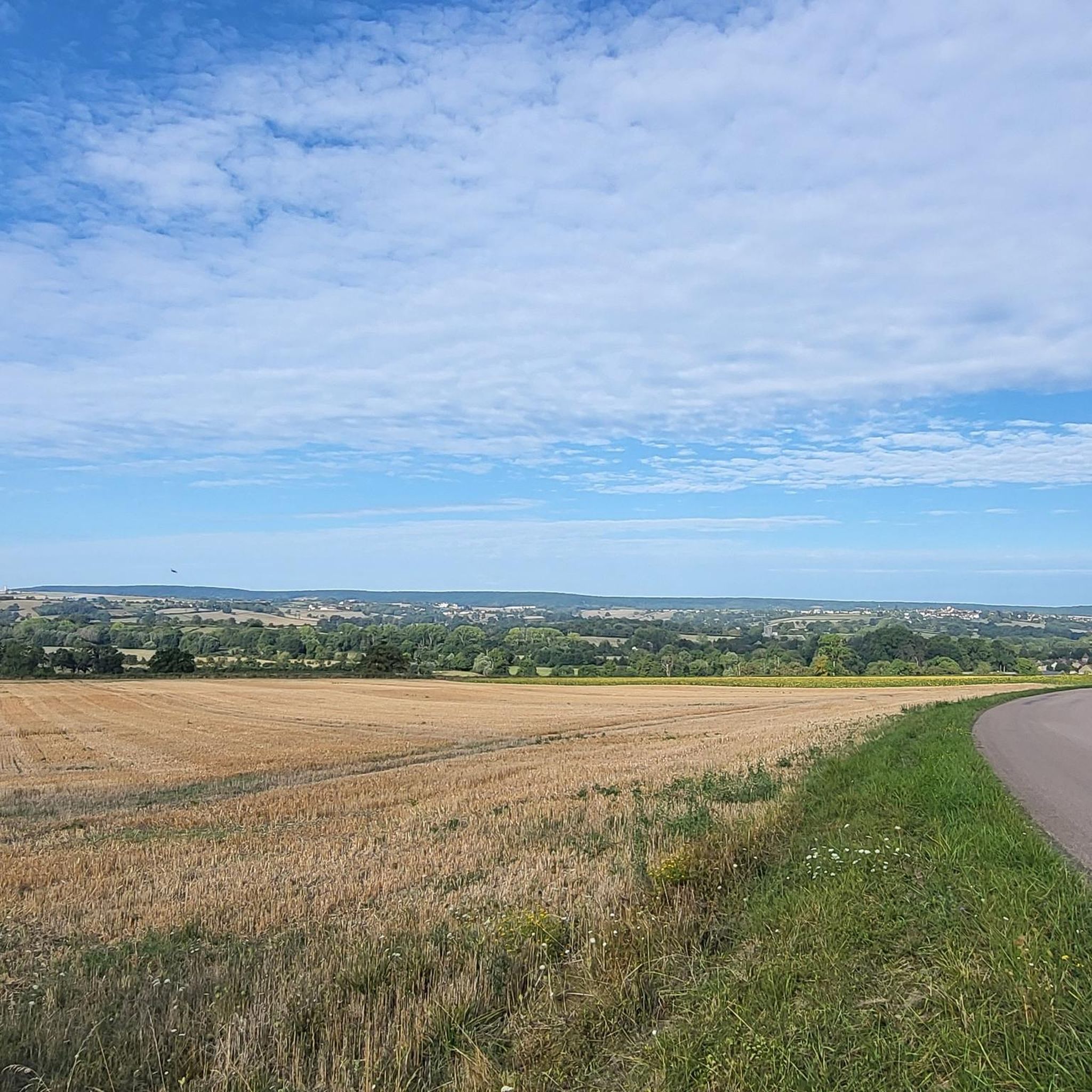
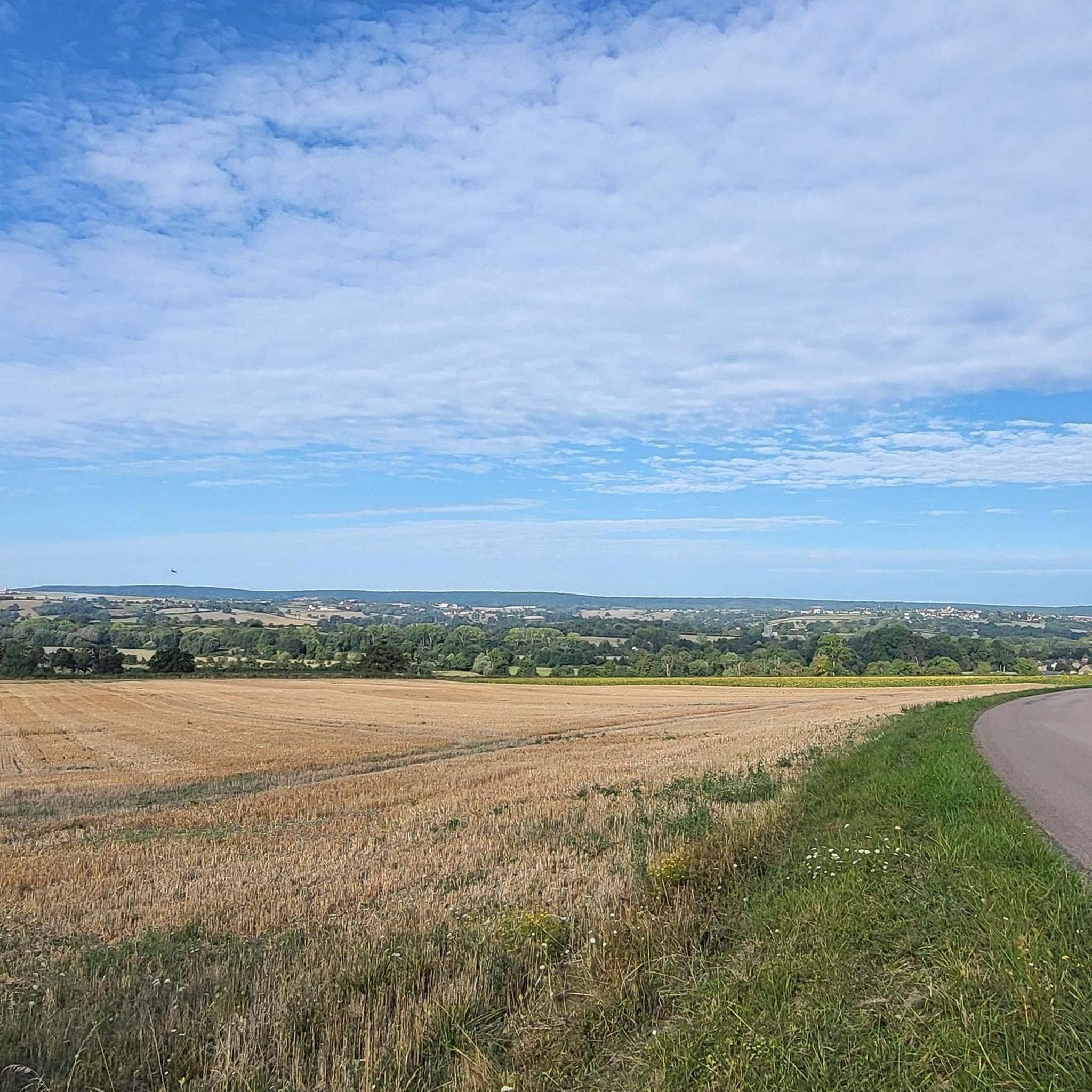
Touring cycling routes around Metz-Le-Comte traverse a landscape characterized by a plateau at 230 meters, overlooked by a 300-meter hill offering views of the Morvan Regional Natural Park. The village is situated above the River Cure, contributing to its scenic appeal. The wider Nièvre department provides diverse cycling opportunities, including car-free towpaths along the Canal du Nivernais and routes with elevation gains within the Morvan Regional Natural Park.
Best touring cycling routes around Metz-Le-Comte
- The most popular touring cycling route…
Last updated: July 6, 2026
4.9
(13)
1,761
riders
Moderate bike ride. Good fitness required. Mostly paved surfaces. Suitable for all skill levels.
4.5
(2)
6
riders
Easy bike ride. Great for any fitness level. Mostly paved surfaces. Suitable for all skill levels.

Sign up for free
4.5
(12)
95
riders
116km
06:48
580m
580m
Hard bike ride. Very good fitness required. Mostly paved surfaces. Suitable for all skill levels.
4.4
(9)
59
riders
28.8km
01:40
80m
80m
Easy bike ride. Great for any fitness level. Mostly paved surfaces. Suitable for all skill levels.
5.0
(2)
30
riders
71.9km
04:25
420m
420m
Moderate bike ride. Good fitness required. Mostly paved surfaces. Suitable for all skill levels.
Get access to more routes and recommendations from other explorers.
Sign up for free
Already have an account?
Our route recommendations are based on thousands of hikes, rides, and runs completed by other people on komoot.
Start today with a free account
Your next adventure awaits.
Login or Signup
Tips from the Community

The Canal du Nivernais During the harsh winter of 1782-1783, the Morvan forest was no longer sufficient to supply the capital with wood. Wood had to be transported from other forests, particularly from the Bazois. To solve this problem, the construction of a small channel between the Loire and the Yonne was considered. Work began in 1784 with the boring of "La Montagne" at La Collancelle, and in 1786, the construction of a navigable canal was planned. After 56 years of construction, the three tunnels were completed in 1840, and on March 15, 1841, the Nivernais Canal was officially opened. In the first four decades, the canal saw an increase in traffic, as it served as a means of transport for heavy loads such as stone, wood, and coal. With the decline in demand for wood in the capital and the advent of the railway, the decline of navigation on the canal began. In the 1970s, political will and financial support were needed to promote river tourism, ecotourism, and cycling tourism. To this day, the Canal du Nivernais is one of the busiest canals in France, thanks to its gentle cruising.
0
0
The Nivernais Canal During the cold winter of 1782-1783, the Morvan forest was no longer sufficient to supply the capital with wood. It became necessary to transport wood from other forests, those of Bazois. Work was then considered to build a small channel between the Loire and the Yonne. In 1784, construction began with the drilling of "La Montagne" from La Collancelle, and in 1786, the construction of a navigation canal was planned. In 1840, the construction of the three tunnels was completed, then on March 15, 1841, the official commissioning of the Nivernais Canal took place. In the first 40 years, traffic on the canal increased, and it was also used as a means of transport for heavy loads (especially stone, but also wood and coal). With the decline in demand for wood in the capital and the development of the railway, navigation on the canal began to decline. In the 1970s, political will and funding were needed to develop river tourism, ecotourism, and cycle tourism. To this day, the Canal du Nivernais is one of the busiest canals in France due to its philosophy of gentle roaming.
0
0
The Nivernais Canal During the cold winter of 1782-1783, the Morvan forest was no longer sufficient to supply the capital with wood. It became necessary to transport wood from other forests, those of Bazois. Work was then considered to create a small channel between the Loire and the Yonne. In 1784, construction began with the boring of "La Montagne" in La Collancelle, and in 1786, the construction of a navigation canal was planned. In 1840, the construction of the three tunnels was completed, then on March 15, 1841, the official opening of the Nivernais Canal took place. In the first 40 years, traffic on the canal increased, and it was also used as a means of transport for heavy loads (particularly stone, but also wood and coal). With the decline in demand for wood in the capital and the development of the railway, navigation on the canal began to decline. In the 1970s, political will and funding were needed to develop river tourism, ecotourism, and cycle tourism. To this day, the Canal du Nivernais is one of the most frequented canals in France, thanks to its philosophy of gentle roaming.
0
0

There are no two alike! Plus, it's excellent with quality local products Yep & Pèt' https://maps.app.goo.gl/d31KRAa95boizLW16
0
0

Very friendly owners. Nice place for a bite and a drink. Name is " Yep and Pet "
1
0

very nice little village with a bakery, a grocery store, a garage with a gas pump.
0
0

Cycling in the Yonne Valley offers a scenic and invigorating ride. You will be surrounded by spectacular rock formations and the tranquil flow of the Yonne River. As you pedal, you can admire the cliffs that rise majestically above the river.
1
0

Frequently Asked Questions
What kind of terrain can I expect on touring cycling routes around Metz-Le-Comte?
The terrain around Metz-Le-Comte offers a diverse experience. You'll find routes along the car-free towpaths of the Canal du Nivernais, which are generally flat and paved, ideal for leisurely rides. For those seeking more challenge, the nearby Morvan Regional Natural Park features routes with noticeable elevation gains, including sporty loops around lakes like Pannecière and Settons.
Are there easy touring cycling routes suitable for beginners or families?
Yes, Metz-Le-Comte and the surrounding Nièvre department offer several easy routes. The towpaths along the Canal du Nivernais are particularly well-suited for beginners and families, being car-free and mostly paved. An example is the Loop from Asnois and along the Canal du Nivernais, an easy 17-mile path combining canal sections with local roads.
How many touring cycling routes are available in the Metz-Le-Comte area?
There are nearly 70 touring cycling routes available around Metz-Le-Comte. These routes cater to various skill levels, with 11 easy, 28 moderate, and 28 difficult options, ensuring there's a suitable ride for everyone.
What are some notable landmarks or attractions I can see along the cycling routes?
The region is rich in history and natural beauty. You can explore the Historic centre of Clamecy, visit the 12th-century church of Notre-Dame de l'Assomption in Metz-le-Comte, or see the Pierre-Perthuis Stone Bridge. The area also features remnants of a fortified castle on 'the Mountain' overlooking the village, and the village itself is on the Camino de Santiago.
Are there any circular touring cycling routes around Metz-Le-Comte?
Yes, many of the touring cycling routes in the area are designed as loops. For instance, the Canal de Nivernais Towpath loop from Flez Cuzy Tannay offers a 44-mile circular ride along the canal. Another option is the Canal du Nivernais – Historic centre of Clamecy loop, a 24-mile route through the canal area and Clamecy.
What is the best time of year to go touring cycling in Metz-Le-Comte?
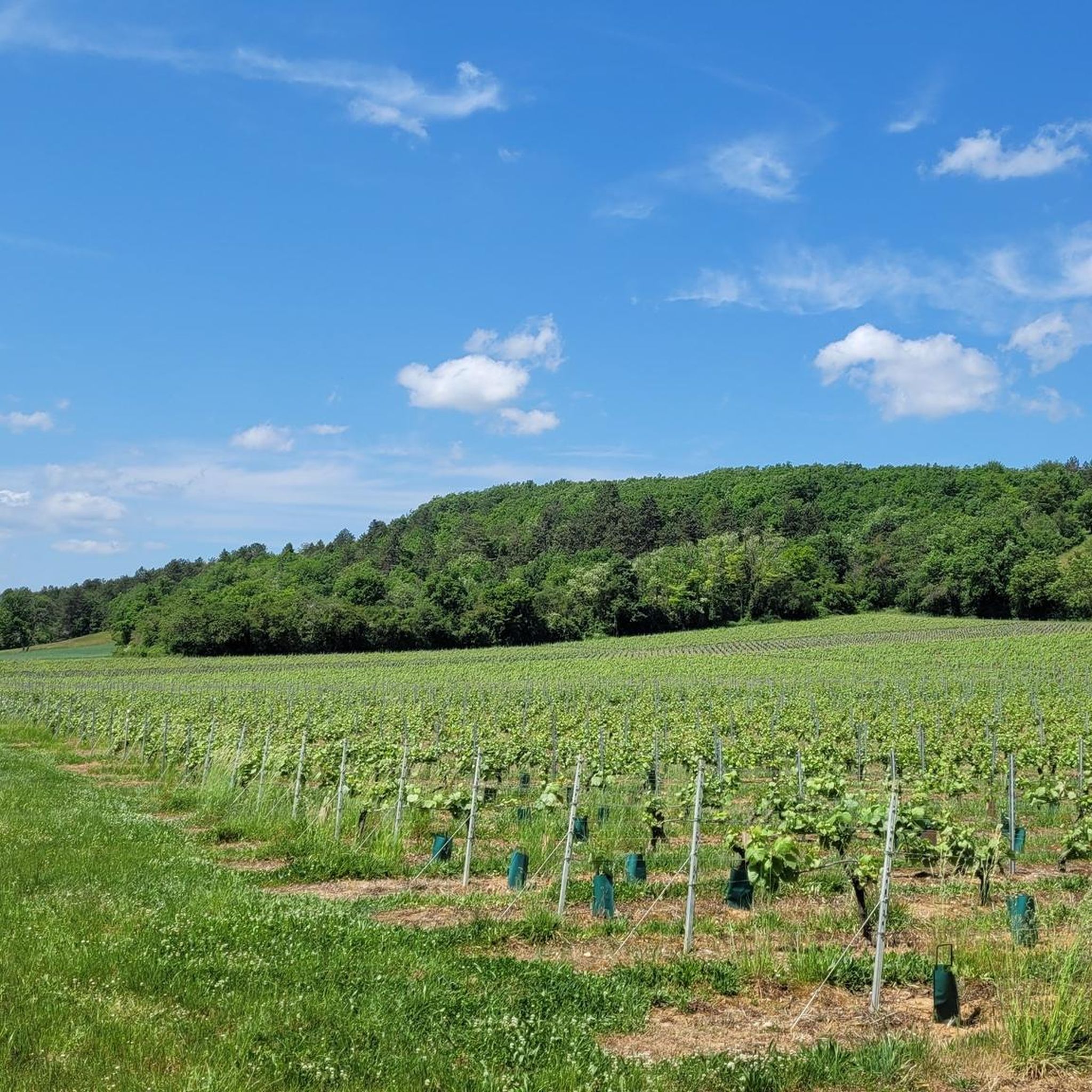
The best time for touring cycling in Metz-Le-Comte is generally from spring through autumn. During these seasons, the weather is typically mild and pleasant, making for comfortable riding conditions. The natural landscapes, including the small vineyard, are particularly scenic during these months.
What do other touring cyclists say about the routes in Metz-Le-Comte?
The touring cycling routes around Metz-Le-Comte are highly rated by the komoot community, with an average score of 4.6 stars from over 140 reviews. Over 2600 touring cyclists have explored the area, often praising the scenic beauty of the River Cure, the tranquil canal towpaths, and the varied terrain that caters to different abilities.
Are there any routes that offer scenic viewpoints?
Absolutely. Metz-le-Comte is situated on a plateau, and 'the Mountain' nearby, reaching 300 meters, provides superb views of the Morvan Regional Natural Park. Many routes, especially those with some elevation, will offer picturesque vistas of the surrounding countryside and the River Cure valley.
Can I find routes that are less crowded?
While popular routes like those along the Canal du Nivernais can see some activity, the Nièvre department generally offers a tranquil cycling experience. Exploring some of the local road sections or routes within the Morvan Regional Natural Park, especially outside peak tourist times, can lead to quieter rides.
Are there any advanced or challenging touring cycling routes?
Yes, for cyclists seeking more vigorous challenges, the nearby Morvan Regional Natural Park features routes with significant elevation gains. These include sporty loops around lakes like Pannecière and Settons, offering a more demanding experience compared to the flatter canal paths.
Where can I find parking for touring cycling routes near Metz-Le-Comte?
Parking is generally available in and around the villages that serve as starting points for many routes, such as Flez Cuzy Tannay or Asnois. For routes along the Canal du Nivernais, you can often find parking near locks or small towns adjacent to the canal.
Are there any specific routes that highlight the Canal du Nivernais?
The Canal du Nivernais is a central feature for touring cycling in the region. Besides the popular Canal de Nivernais Towpath loop from Flez Cuzy Tannay, you can also explore the Canal du Nivernais – Manual Drawbridge loop from Flez Cuzy Tannay, which is an easy 17.9-mile route.
Most popular attractions around Metz-Le-Comte

Get inspired with the komoot mobile app


Explore more
Browse the best Cycling routes in other regions.
