Attractions and Places To See around Tart-L'Abbaye - Top 20
Best attractions and places to see around Tart-L'Abbaye include historical sites and natural waterways. This area, a delegated commune within Tart, holds historical significance, particularly due to its connection with the Cistercian order and the original Tart Abbey. Situated along the Ouche river, it offers a blend of historical exploration and access to nearby notable towns and natural features.
Best attractions and places to see around Tart-L'Abbaye
- The most popular attractions is Saint-Jean-de-Losne, a settlement that lies at the…
Last updated: August 30, 2026
Saint-Jean-de-Losne
Highlight • Settlement
Translated by Google •
Tip by

Canal du Rhône au Rhin Entrance and Lock
Highlight • Bridge
Translated by Google •
Tip by

Sign up now to discover places like this
Get recommendations on the best single tracks, peaks, & plenty of other exciting outdoor places.
Sign up for free
Pont St-Jean-de-Losne
Highlight • Bridge
Translated by Google •
Tip by

Port of Saint-Jean-de-Losne
Highlight • Other
Tip by

Monument to the Deliberation of 1636
Highlight • Monument
Translated by Google •
Tip by
Sign up for free to discover even more attractions around Tart-L'Abbaye.
Sign up for free
Already have an account?
Start today with a free account
Your next adventure awaits.
Login or Signup



Tips from the Community

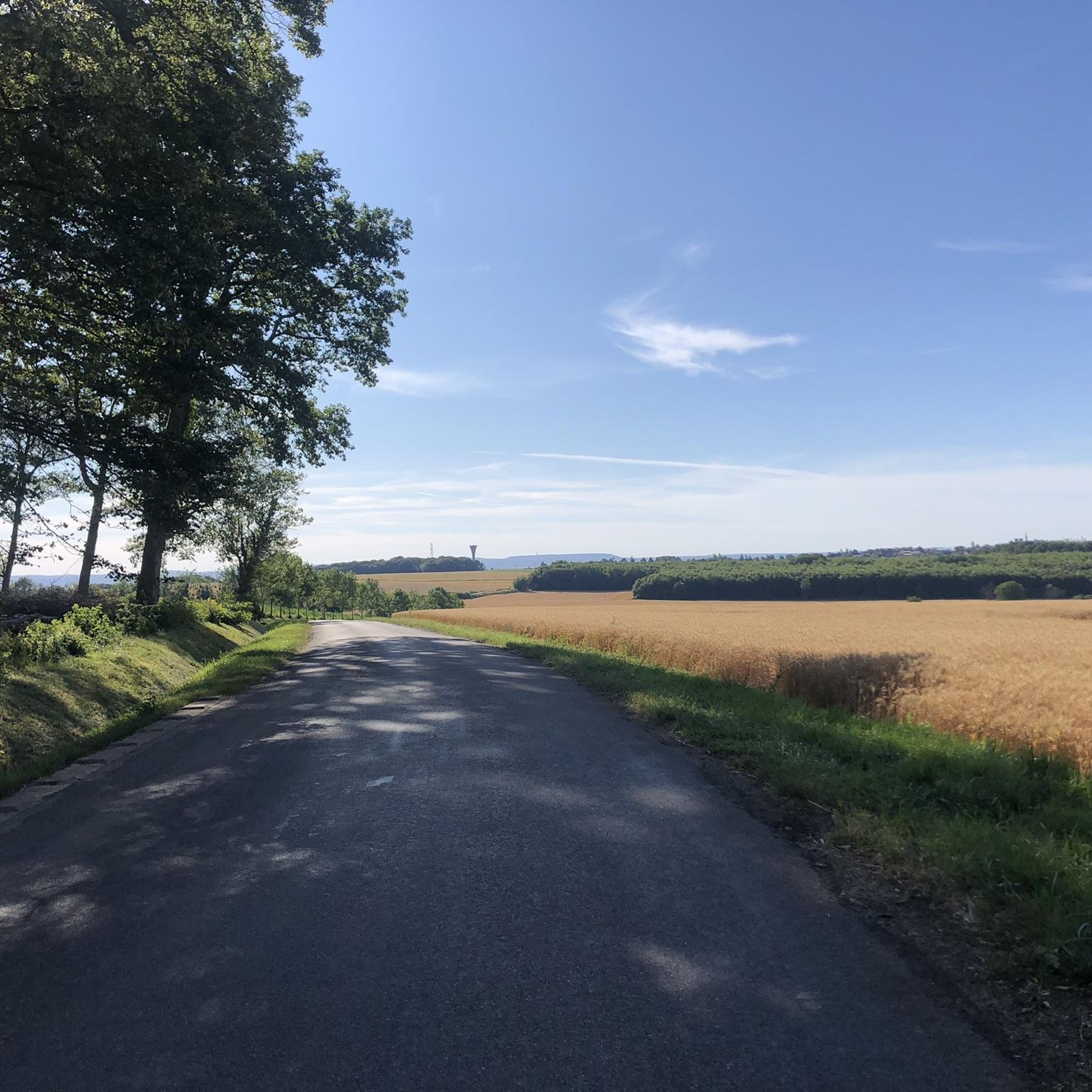
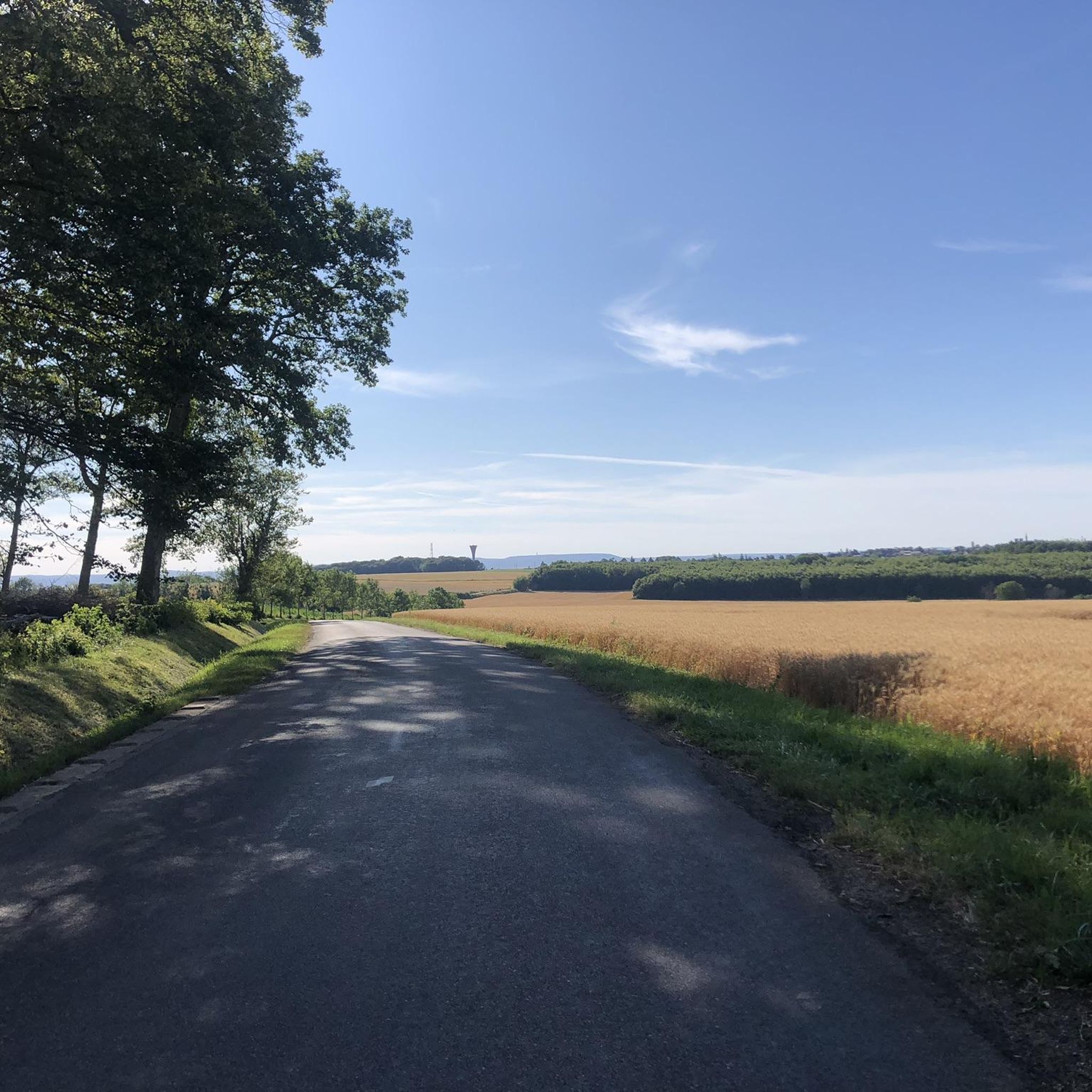
Very pretty, but beware from here and almost the entire Côte d'Or, it's ugly and full of asphalt/road until Châlons...
0
0

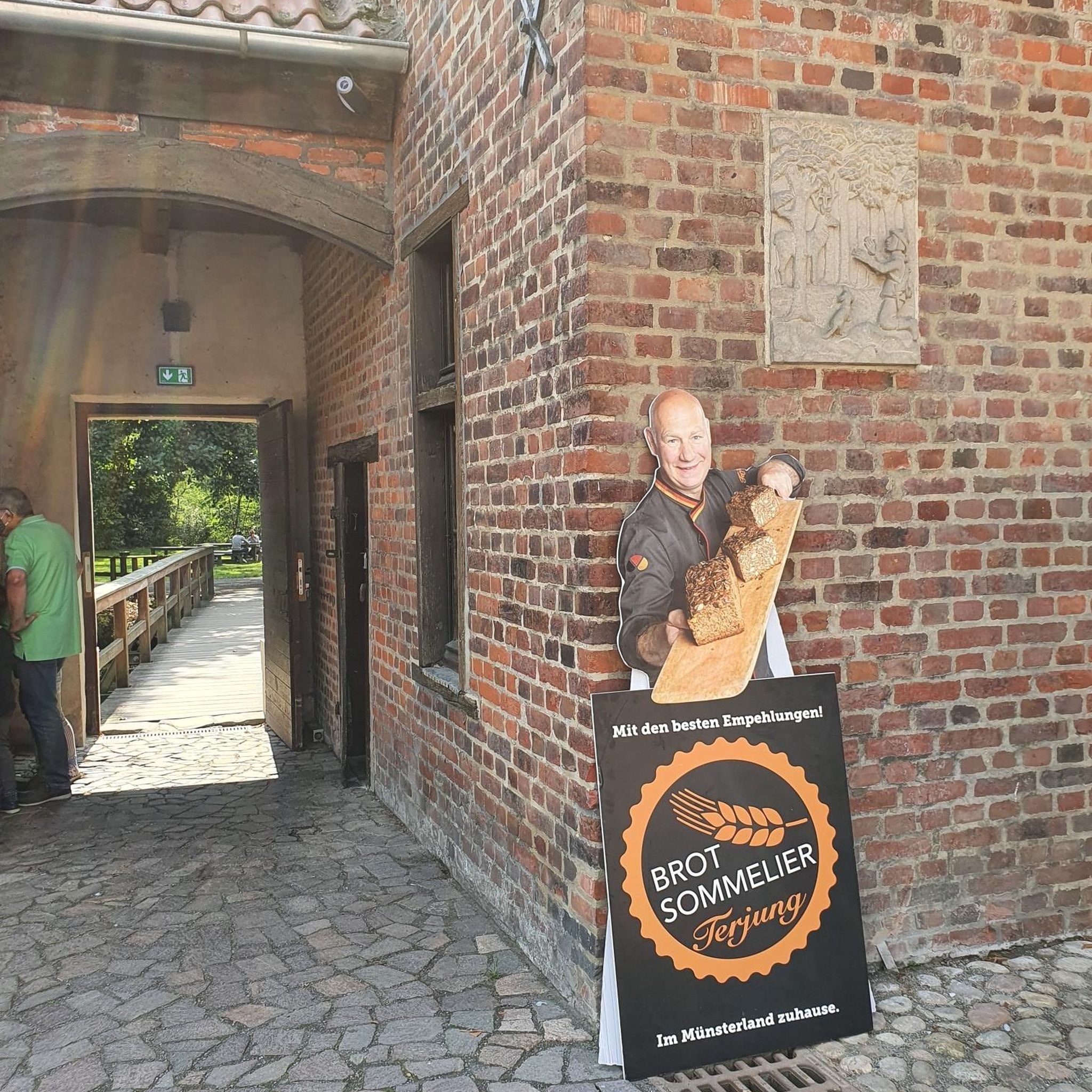
A small, nice place. Before the bridge, there is a bakery.
0
0

Interesting harbor, as there are many houseboats here.
0
0

Originally, the Saint-Jean-de-Losne bridge was made of wood and crossed the river diagonally by road no. 27 linking Dijon to Losne. It started on the right bank, a little downstream from the current bridge, and then joined the old Seurre road. The structure was destroyed many times by floods and ice break-ups, but was always rebuilt in the same place until 1830. It was rebuilt in stone from 1833, then rebuilt again after being cut down during the war of 1870… The bridge suffered damage from the war twice more. On June 16, 1940, French engineers blew up an arch, and on September 7, 1944, the retreating Germans dynamited the rest. It was then replaced by a temporary wooden footbridge. After the liberation, the reconstruction work was put out to tender. After all these twists and turns, the bridge was finally rebuilt in the same place in 1950.
0
0

A lovely spot with good food – beautiful steps down to the river. Very relaxed!
2
0

Flat asphalt road along the canal; there is shade from trees along some parts if you want to have a picnic.
1
0


This spot marks the canal's mouth at the Saône River. The Rhine-Rhône Canal had a turbulent history, with construction interrupted by the French Revolution and finally extending from 1784 to 1832. The lock at the canal's mouth has been renovated. In 2009, a lock keeper's cabin was installed, perched six meters high, to control the arrival of boats.
3
0
Frequently Asked Questions
What historical sites can I explore in and around Tart-L'Abbaye?
Tart-L'Abbaye is historically significant for its connection to the Cistercian order. You can visit the site of the original Tart Abbey, founded in 1132 as the first Cistercian nunnery. While the original buildings are largely gone, some vestiges remain, and artifacts like tombstones and floor tiles are exhibited in the village chapel. For more detailed historical context, you can also visit the Cistercian mother house, Abbaye de Cîteaux, located about 13 km away.
What natural features are prominent in the Tart-L'Abbaye area?
The area is characterized by its location along the banks of the River Ouche, which flows through the commune. This river is a key natural feature, and the region is part of the Bressan Graben. The presence of the Ouche river and nearby canals, such as the Canal du Rhône au Rhin, defines much of the local landscape and offers opportunities for waterside activities.
Are there opportunities for cycling near Tart-L'Abbaye?
Yes, the region offers various cycling opportunities. You can explore gravel biking routes, such as the 'Étangs de Remilly-sur-Tille – Vtt loop from Collonges' or the 'Along the Ouche River – Le Panier de la Vironnaise loop from Genlis'. For road cyclists, there are also several road cycling routes, including longer rides like the 'Port of Saint-Jean-de-Losne – Pont St-Jean-de-Losne loop from Collonges'.
What kind of walking or running trails are available around Tart-L'Abbaye?
You'll find several options for walking and running. For runners, there are running trails like the 'Étang de Pluvault loop from Longeault-Pluvault' or the 'Bois du Chanuet loop from Tart'. These routes offer a chance to explore the local countryside on foot.
What are some interesting towns or places to visit for a day trip from Tart-L'Abbaye?
Several notable towns are within a short drive. Dijon (22 km away) offers a rich history with sites like the Palais des Ducs et des États de Bourgogne. Dole (21 km away) is known for its Collegiale Church. For wine enthusiasts, Nuits-Saint-Georges (23 km away) is part of a famous wine region. Additionally, Pesmes (27 km away) and Châteauneuf-en-Auxois (46 km away) are recognized as some of France's most beautiful villages.
Are there any family-friendly attractions in the vicinity of Tart-L'Abbaye?
Yes, several attractions are suitable for families. The settlement of Saint-Jean-de-Losne, with its canal boat history and strategic location at the junction of three major waterways, offers an interesting experience. The Monument to the Deliberation of 1636 is also listed as family-friendly, providing a historical landmark to explore.
What is the significance of the waterways around Tart-L'Abbaye?
The waterways are central to the region's character and history. Tart-L'Abbaye is situated along the River Ouche. Nearby, Saint-Jean-de-Losne is a key hub where the Saône River, the Burgundy Canal, and the Rhine-Rhône Canal converge. This made it a strategic location for trade and transportation, and today, the Port of Saint-Jean-de-Losne is a significant boat hire base and a center for the barging community.
What makes Saint-Jean-de-Losne a notable place to visit near Tart-L'Abbaye?
Saint-Jean-de-Losne is notable for its unique position at the junction of three major waterways: the Saône River, the Burgundy Canal, and the Rhine-Rhône Canal. It's one of France's smallest municipalities but holds a rich history related to canal boats. Visitors can explore its charming streets, learn about its past at a canal boat history museum, and observe the bustling activity at the Port of Saint-Jean-de-Losne.
Are there any UNESCO World Heritage Sites accessible from Tart-L'Abbaye?
Yes, the Royal Saltworks of Arc-et-Senans, a UNESCO Heritage Site, is located about 44 km from Tart-L'Abbaye. This impressive site features an entire factory and living spaces designed by the architect Claude-Nicolas Ledoux in the 18th century, offering a fascinating glimpse into industrial architecture and utopian ideals.
What is the best time of year to visit Tart-L'Abbaye for outdoor activities?
The region around Tart-L'Abbaye is generally pleasant for outdoor activities from spring through early autumn. During these months, the weather is typically mild, making it ideal for cycling, running, and exploring the historical sites and waterways. Summer offers longer daylight hours, while spring and autumn provide comfortable temperatures and beautiful scenery.
Where can I find information about the original Tart Abbey and its history?
The original Tart Abbey was the first Cistercian nunnery, founded in 1132. While the abbey buildings were largely destroyed, some vestiges remain at the original site in Tart-L'Abbaye. You can find tombstones, floor tiles, and manuscripts from the abbey exhibited in the village chapel. For more historical details, you can refer to resources like Wikipedia's page on Tart Abbey.
Are there any specific points of interest related to canals near Tart-L'Abbaye?
Absolutely. The Canal du Rhône au Rhin Entrance and Lock is a significant point of interest. This spot marks the canal's mouth at the Saône River and features a renovated lock with a six-meter-high lock keeper's cabin. It's a great place to observe canal operations and appreciate the engineering of these historic waterways.
Most popular routes around Tart-L'Abbaye

Get inspired with the komoot mobile app


Explore more
Still not found the Highlight you’re looking for? See guides of the top attractions in other regions:
