Attractions and Places To See around Beaufou - Top 12
Best attractions and places to see around Beaufou encompass historical sites, natural features, and cultural experiences within the Vendée department of Pays de la Loire. This commune provides opportunities to explore its immediate surroundings and the wider region. The landscape includes historical landmarks and natural points of interest, offering diverse exploration options. Beaufou acts as a starting point for discovering the heritage and natural beauty of the area.
Best attractions and places to see around Beaufou
- The most popular attractions…
Last updated: November 1, 2026
Stone of the Farfadets
Highlight • Other
Translated by Google •
Tip by

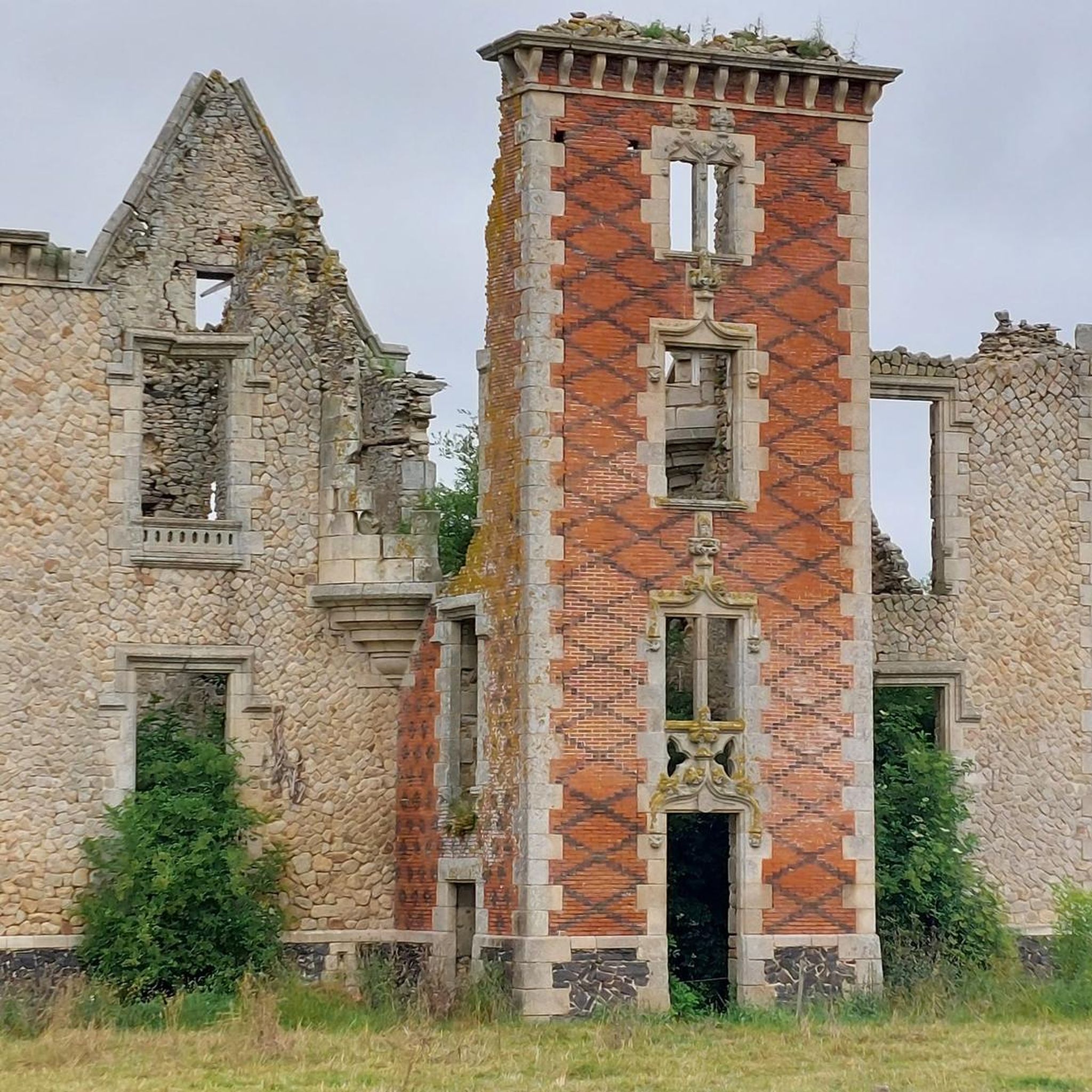
Ruins of Château de Palluau
Highlight • Castle
Translated by Google •
Tip by
Sign up now to discover places like this
Get recommendations on the best single tracks, peaks, & plenty of other exciting outdoor places.
Logis de la Chabotterie
Highlight • Castle
Translated by Google •
Tip by

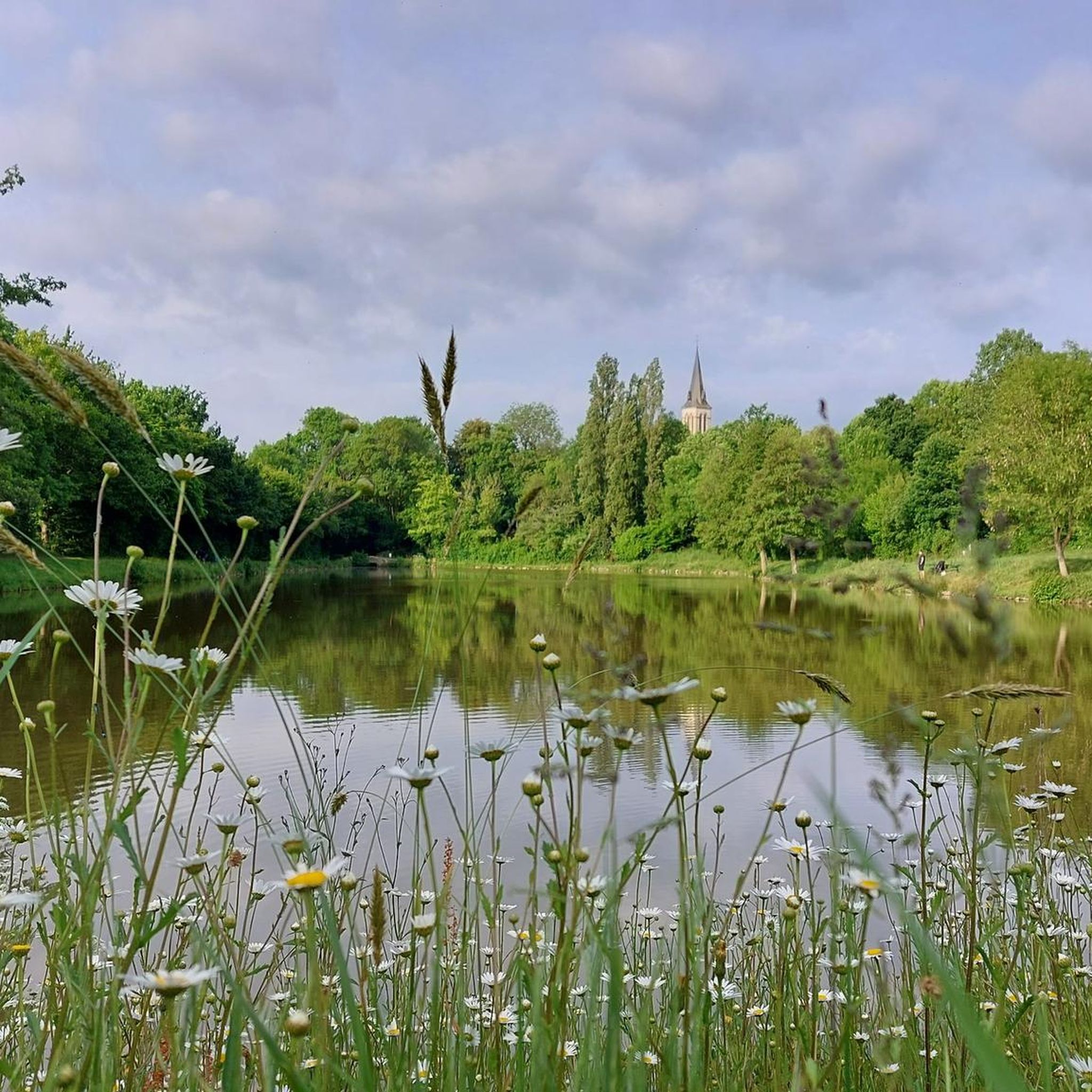
Lac d'Apremont
Highlight • Lake
Translated by Google •
Tip by

Saint-Étienne-du-Bois
Highlight • Other
Translated by Google •
Tip by

Sign up for free to discover even more attractions around Beaufou.
Already have an account?
Start today with a free account
Your next adventure awaits.



Tips from the Community

The Château would date from the mid-13th century; at the time it was a true fortress, flanked by six towers and surrounded by wide moats. From the 12th to the 14th century, this fortified castle served as a lock between Brittany and Poitou, in this border region where numerous strongholds stood: Pornic, Machecoul, Clisson, Tiffauges, Champtocé in the Marches of Brittany facing Commequiers, La Garnache, Palluau, Montaigu, Pouzauges, in lower Poitou. In the 17th century, Philippe de Clérembault, who inherited the family estate, was promoted to Marshal of France by the young King Louis XIV, and then undertook to rebuild his Château de Palluau to transform the old fortress into a modern castle, retaining the six large medieval towers and including between them a building covered with a Mansart roof, topped by a dome. The Marshal's castle was a unique building in all of Poitou: "the most regular and the most accomplished that exists in the region", according to Claude Masse, famous engineer-geographer to Louis XIV. Abandoned by its owners during the Revolution, the large empty residence served as a stronghold for the royalists in 1793 and its underground passages, as dungeons for republican prisoners. On February 8, 1794, a Republican Column set fire to the Château and the Church of Palluau. The site has never been rebuilt, nor even consolidated since. It remains in a state of ruin abandoned to vegetation. The Château de Palluau must have been a magnificent residence, judging by the imposing ruins that remain and by the plans and watercolor drawings by Claude Masse, which are preserved at the Museum of Engineering in Vincennes.
0
0

Very beautiful trail along the lake. On the other hand, I do not recommend doing it by bike on weekends as it is relatively narrow and quickly saturated with pedestrians/cyclists/dogs... During the week it is perfect!
0
0
I couldn't get as close as guigui during his hike because a barrier blocked the path. You can see it well despite everything.
0
0
Pleasant little village with old buildings.
0
0

This pretty little village offers a rich heritage with its chapel built during the Vendée War. The Domaine des Iles suggests a gourmet break to discover the local wine (IGP Val de Loire). There is also a municipal campsite and a grocery store in the center.
0
0


Here is one of the most mysterious megaliths in the country. It features 362 enigmatic engravings. Sometimes called Pierre de Merlière and in connection with the apparitions of a white lady, sometimes called Palet de Gargantua and in connection with the famous giant, according to the most widespread tradition, the strange marks come from leprechauns who would have hidden a treasure under the Pierre. The engravings would either represent a game they were playing, called a caguenette, or they would magically protect the stone from anyone who wanted to move it to get their hands on the treasure. Officially, we do not know who engraved these shapes, nor when. According to historians, they probably date from the Neolithic era but their meaning remains, and will remain, one of the greatest mysteries in France ...
2
0
Fortified castle built in the 13th century, including a vicus and a parish church, which no longer exists, with a fortified wall flanked by towers and a large main building surrounded by towers, resting on a base with a low covered walkway in the sheath in the embankment of the root ball. On the site of this old fortress, reconstruction of the castle in 1661 for Marshal de Clérambault, then modification in the 18th century by the Comte de Pontchartrain. The castle, burnt down in 1793 during the Revolution, has remained in ruins since that time. The interest of this building lies as much in the medieval remains as in those of the 17th century castle.
1
0
Frequently Asked Questions
What historical sites can I visit near Beaufou?
The area around Beaufou is rich in history. You can explore the significant Logis de la Chabotterie, a 16th-century building that was the scene of the Vendée general Charette's capture in 1796. Nearby, the Château de la Chabotterie, also from the 16th century, marks the site of the final battle of the Second Vendée War. Don't miss the Ruins of Château de Palluau, a fortified castle built in the 13th century and later modified, which has remained in ruins since being burnt down in 1793. Additionally, the Historial de la Vendée museum, just 4.4km away, offers deeper insights into the region's past.
Are there any unique cultural landmarks in Beaufou?
Yes, Beaufou is home to the mysterious Stone of the Farfadets, a megalithic site featuring 362 enigmatic engravings whose origins and meaning remain unknown. Another unique point of interest is the Chêne chapelle de la Petite Chevasse, a 'chapel oak' that combines natural beauty with historical significance.
Where can I enjoy nature and outdoor relaxation in Beaufou?
For outdoor relaxation, visit the expansive Parc de la Boulogne located directly in Beaufou. This park offers 24 shaded picnic tables, two barbecues, and restrooms, situated between a canal and a river, providing numerous leisure opportunities.
What cycling routes are available near Beaufou?
You'll find a variety of cycling routes around Beaufou. For touring bicycles, options include an easy 9.5 km loop from Beaufou to Les Lucs-sur-Boulogne or a moderate 38.6 km route around Élise's Mill. Road cyclists can enjoy an easy 29.8 km loop from Saligny or a moderate 55.8 km route around Essarts Castle. For more details and routes, check out the Cycling around Beaufou and Road Cycling Routes around Beaufou guides.
Are there mountain biking trails in the Beaufou area?
Yes, mountain biking enthusiasts can explore several trails near Beaufou. Options include an easy 26.7 km loop around Étang Neuf from Belleville-sur-Vie, or moderate routes like the 55.7 km Moulin Papon Lake – The Yon loop. For a comprehensive list of trails, refer to the MTB Trails around Beaufou guide.
Are there family-friendly attractions around Beaufou?
Absolutely. The Logis de la Chabotterie and Château de la Chabotterie are both listed as family-friendly historical sites. Additionally, nearby attractions like Le Grand Defi amusement park and the outdoor escape game 'Escape nature sur le site du moulin à Elise' in Le Poiré-sur-Vie offer engaging activities for all ages.
What other attractions are within a short drive of Beaufou?
Beyond Beaufou's immediate vicinity, you can find several attractions within a short drive. These include VENDESPACE (14.5km), the Circuit Philippe Alliot (9.4km) for motorsports fans, and the Chocolate Museum Gelencser (16.2km) in La Roche-sur-Yon for a sweet cultural experience.
Are there gardens to visit near Beaufou?
Yes, for those who appreciate horticulture, several beautiful gardens are accessible. These include Jardin De La Guibretiere (19.7km), Les Jardins Du Loriot (21.0km), and Jardins Publics De La Place Napoléon (21.9km), all offering pleasant landscapes to explore.
What do visitors enjoy most about the attractions around Beaufou?
Visitors particularly appreciate the blend of historical depth and natural beauty. The mysterious Stone of the Farfadets captivates with its ancient engravings, while the Logis de la Chabotterie and Château de la Chabotterie offer a profound connection to the Vendée Wars. The diverse range of sites, from castles to unique natural landmarks, ensures a rich experience.
Are there places to eat or stay in and around Beaufou?
While Beaufou is a smaller commune, the Logis de la Chabotterie notably houses a gourmet restaurant. For broader options, you'll find cafes, pubs, and accommodation in nearby towns. Saint-Étienne-du-Bois, a pretty village nearby, also offers a municipal campsite and a grocery store.
What is the best time to visit Beaufou for outdoor activities?
The Pays de la Loire region generally enjoys a mild climate. Spring and early autumn are often ideal for outdoor activities like cycling and exploring historical sites, offering pleasant temperatures and less crowded conditions. Summer is also popular, especially for enjoying parks and gardens, though it can be warmer.
Most popular routes around Beaufou

Get inspired with the komoot mobile app


Explore more
Still not found the Highlight you’re looking for? See guides of the top attractions in other regions:
