The best walks and hikes around Ozillac
4.5
(44)
213
hikers
29
hikes
Hiking around Ozillac, a commune in Charente-Maritime, offers diverse and gently undulating landscapes. The region features a mix of arable land, forests, and vineyards, providing varied scenery for hikers. The Seugne river valley is a prominent natural feature, with its upper reaches designated as a protected Site of Community Importance. Elevation changes within the commune range from 32m to 101m, contributing to a rolling countryside.
Best hiking trails around Ozillac
- The most popular hiking route is The Windmills Circuit No.…
Last updated: June 29, 2026
3.0
(2)
4
hikers
12.4km
03:14
80m
80m
Moderate hike. Good fitness required. Easily-accessible paths. Suitable for all skill levels.
4.2
(10)
57
hikers
5.17km
01:21
30m
30m
Easy hike. Great for any fitness level. Easily-accessible paths. Suitable for all skill levels.

Sign up for free
4.6
(5)
30
hikers
4.73km
01:12
10m
10m
Easy hike. Great for any fitness level. Easily-accessible paths. Suitable for all skill levels.
5.0
(1)
4
hikers
5.83km
01:30
20m
20m
Easy hike. Great for any fitness level. Easily-accessible paths. Suitable for all skill levels.
17
hikers
3.19km
00:50
20m
20m
Easy hike. Great for any fitness level. Easily-accessible paths. Suitable for all skill levels.
Get access to more routes and recommendations from other explorers.
Sign up for free
Already have an account?
Our route recommendations are based on thousands of hikes, rides, and runs completed by other people on komoot.
Start today with a free account
Your next adventure awaits.
Login or Signup
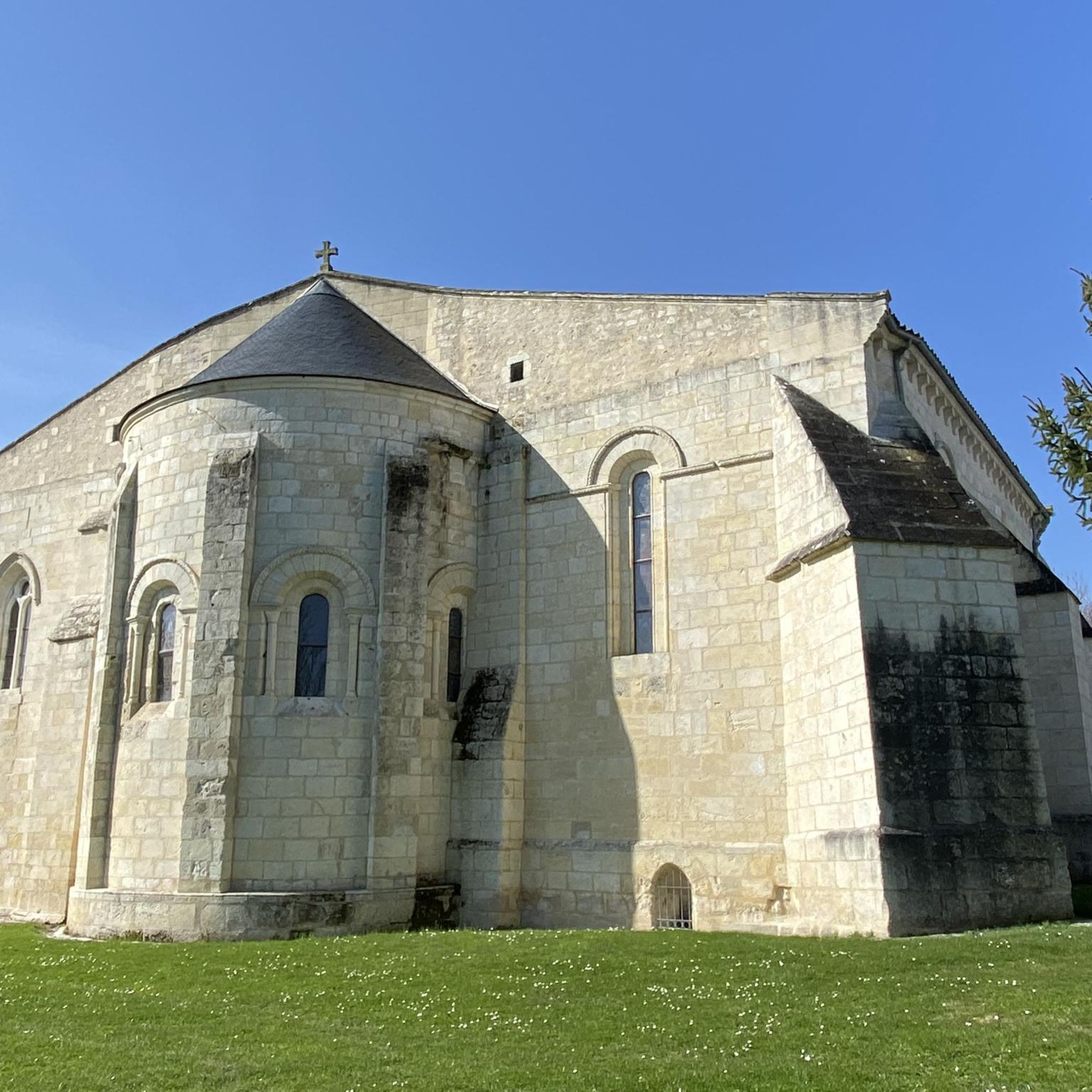
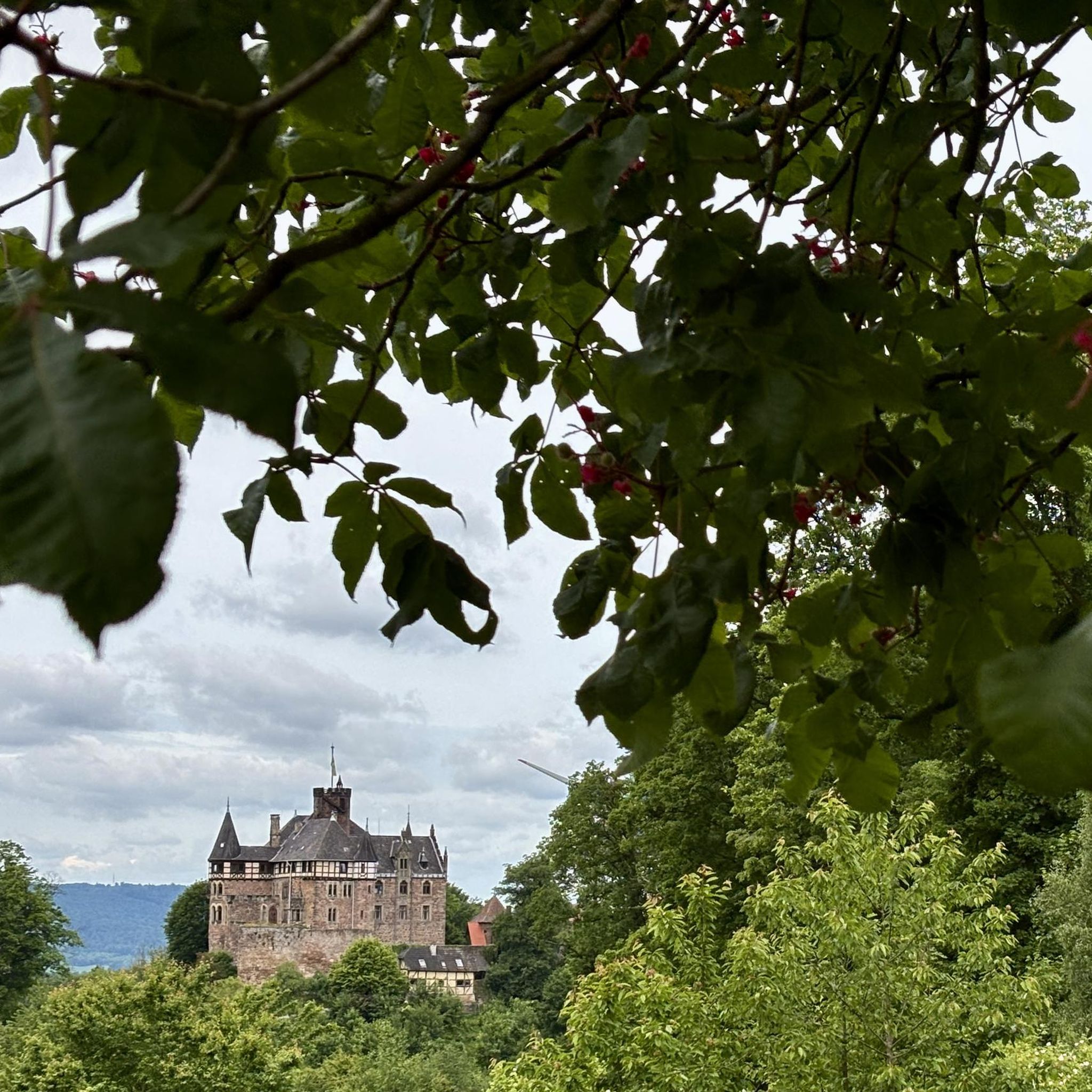
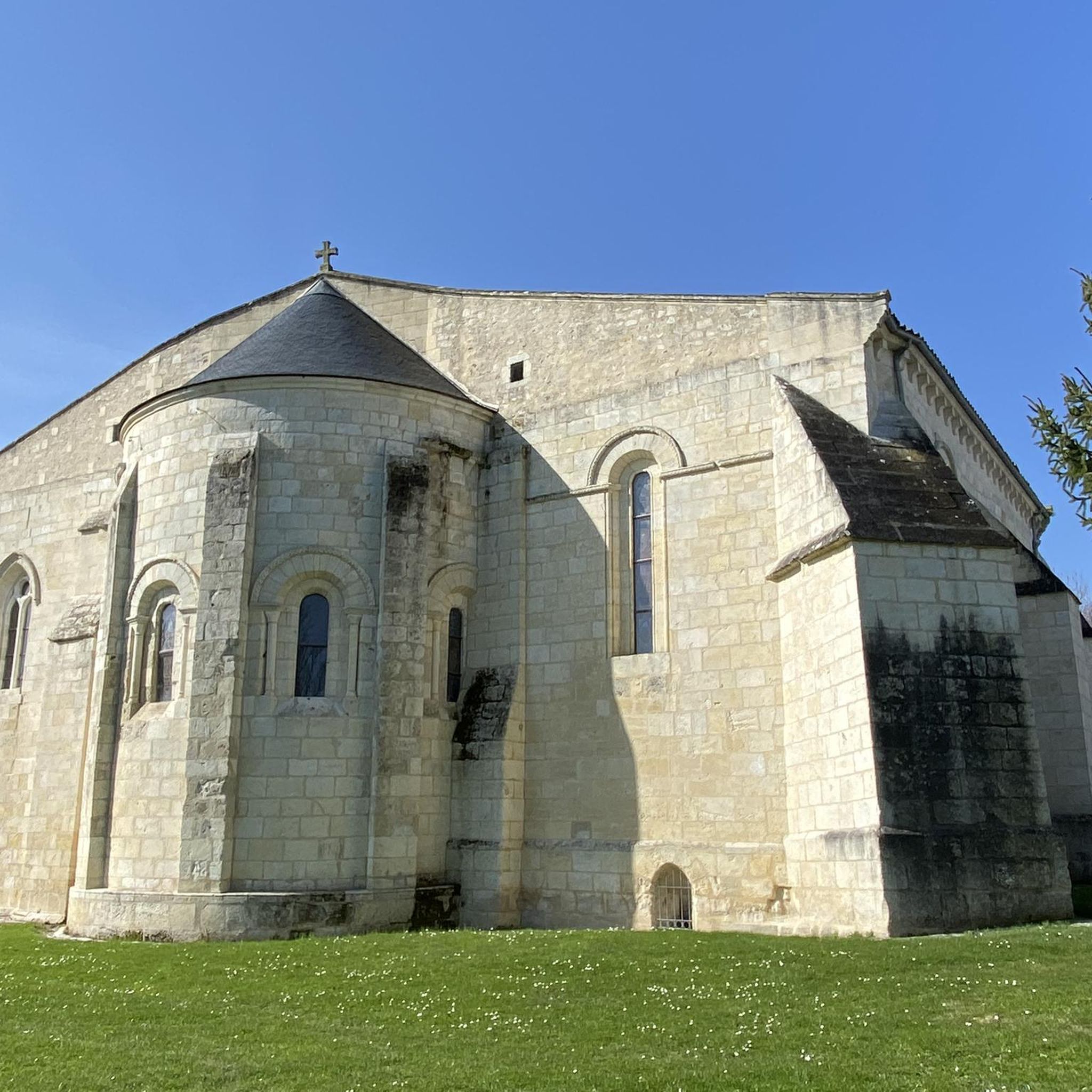

Tips from the Community

Lovers of old stones and countryside: go for it!! Possibility to shorten or increase the size of the circuit easily. At sunrise, a treat!!
0
0

The Château de Meux is located in the Charente-Maritime in the municipality of Meux . It is adjacent to the Romanesque church.
2
0
The Castle of Meux (French: Château de Meux) is a castle in the French commune of Meux.
2
0

Since its construction in the 12th century, this small castle has changed hands many times. It is now the home of Monique Guilbaud, who saved it from ruin and created a farm there.
3
1

In 1073, the castle already exists; the first known lord was Guillaume de la Rochandry at the beginning of the 12th century. The 1449 inscription on the castle attests to its reconstruction following the destruction caused by the Hundred Years War. In 1505, Jean de Sainte-Maure, lord of Jonzac, founded the Carmelite monastery on the remains of an old chapel dedicated to Saint Nicolas. The cloister was built in 1657. The young Louis XIV, the Queen Mother and Mazarin stayed at the castle in 1659. The castle remained at Sainte-Maure until the end of the 17th century, then passed through marriage to Espardes de Lussan, which transformed the fortress in beautiful stately home with neat ornamentation and guard until the Revolution. Currently the north wing of the castle houses the buildings of the Town Hall (restored in the 19th century), and the south wing, those of the sub-prefecture. The cloister was restored between 1976 and 1978, and now houses a cultural center, with exhibition halls and an archaeological museum. The towers, postern and fountain in the basement date from the 12th century. Of the old feudal castle, only the postern and an isolated tower remain, connected to the main body by a large hall. The moat in front of the drawbridge was filled was filled in the 19th century. It was reopened at the beginning of the 21st century. The imposing gatehouse is marked 1549 and therefore dates from the 16th century, a period of work including the north-west tower, while the south-west tower, of a smaller diameter, is from the 17th century. The towers flanking the postern have retained their defenses. At each, the loopholes have been retained or enlarged. Stone stairs serve each floor and access the walkway. This passage seems to have been discovered, as evidenced by the gargoyles. The crenellation includes machicolations with archers in the middle of the merlons. The slate roofs are high pepperboxes on the towers, and a curious set with two sides connecting two pepperboxes for the gatehouse The fountain located in the basement of the sub-prefecture, has a niche and a niche frame decorated with sculptures imitating stalactites. Carved mask. The fountain was probably built by Léon de Sainte-Maure, Count of Jonzac, who enlarged and embellished the castle in the middle of the 12th century. In a former courtyard of the castle, a theater was built in the 19th century. It is a round building with approximately 300 seats.
0
0
The Seugne crosses a single department, in this case that of Charente-Maritime, watering thirty-six communes and seven cantons. The Seugne has its source in the canton of Montlieu-la-Garde, then crosses the cantons of Montendre, Jonzac, Saint-Genis-de-Saintonge, Pons, Gémozac and, finally, confluences in the canton of Saintes-Est. The Seugne has eighteen tributaries or referenced arms. The old forms of the name Seugne are flumen Soenna around 1100, Sonye in 1280, la Soyngna in 1322, la Soyngnhe in 1354, aqua Soynnie in 1363, Souaigne in 1494. The current pronunciations, Seugne and Souègne, are based on a medieval form Soïgne, which the scribes of the 13th and 14th centuries had difficulty transcribing. According to Duguet, a more recent spelling, Seuigne was misread and interpreted Sévigne in the 19th century.
0
0
Frequently Asked Questions
How many hiking trails are available around Ozillac?
There are nearly 30 hiking trails around Ozillac listed on komoot, offering a variety of experiences. These routes are highly rated by the komoot community, with an average score of 4.5 stars from over 30 reviews.
What kind of terrain can I expect on hikes in Ozillac?
Hiking in Ozillac features diverse and gently undulating landscapes. You'll encounter a mix of arable land, forests, and vineyards, characteristic of the broader Haute Saintonge region. The area is known for its rolling countryside, with elevation changes typically ranging from 32m to 101m, providing engaging walks without extreme climbs.
Are there any easy hiking routes suitable for beginners or families?
Yes, Ozillac offers a good selection of easy routes. For example, the Jonzac Castle – Jonzac Castle loop from Jonzac is an easy 5.2 km path exploring the area around Jonzac Castle. Another accessible option is the Roman-Era Dam loop from Jonzac, a 4.5 km trail through the Seugne river plains.
Can I find circular hiking routes in the Ozillac area?
Many of the trails around Ozillac are designed as circular routes, allowing you to start and end at the same point. A popular example is The Windmills Circuit No. 5, a 12.4 km moderate trail traversing varied agricultural and wooded landscapes.
What natural features or landmarks can I see while hiking near Ozillac?
The region is rich in natural beauty. You can hike along the scenic Seugne river valley, which is a protected Natura 2000 site, or explore the characteristic woods and vineyards. Notable landmarks include the Gallo-Roman 'Pont des ânes' on the Seugne, and the historic Jonzac Castle, approximately 7 km from Ozillac.
Are there any dog-friendly hiking trails in Ozillac?
While specific restrictions for dogs can vary, the rural and natural landscapes around Ozillac generally welcome well-behaved dogs on trails, especially in less populated areas. It's always recommended to keep your dog on a leash, especially near livestock or in protected natural areas like the Seugne Valley, and to clean up after them.
What is the best time of year to go hiking in Ozillac?
Ozillac offers pleasant hiking conditions for much of the year. Spring and autumn are particularly ideal, with mild temperatures and vibrant natural colors from the vineyards and forests. Summer can also be enjoyable, though it's best to hike in the mornings or late afternoons to avoid the midday heat. Winter hikes are possible, especially on clear days, to experience the quieter, stark beauty of the landscape.
Where can I find parking for hiking trails in Ozillac?
Parking for hikers is typically available in or near the starting points of many trails, especially in villages like Ozillac or nearby Jonzac. Look for designated parking areas in town centers or near popular trailheads. As Ozillac is a rural area, roadside parking might also be an option in some locations, but always ensure you are not obstructing local access or private property.
Are there any routes that explore the Seugne river valley?
Yes, the Seugne river valley is a prominent natural feature in the region. Routes like the Roman-Era Dam loop from Jonzac lead through the Seugne river plains, offering opportunities to experience this diverse ecosystem and its scenic beauty.
What do other hikers enjoy most about hiking in Ozillac?
The area is highly rated by the komoot community, with an average score of 4.5 stars. Reviewers often praise the varied scenery, from open fields and vineyards to shaded woodlands, and the gently rolling countryside that makes for enjoyable and accessible walks. The tranquility and natural charm of the region are frequently highlighted.
Are there any longer, more challenging hikes available?
While Ozillac primarily offers easy to moderate trails, some routes provide a longer distance and slightly more elevation. For instance, The Windmills Circuit No. 5 is a moderate 12.4 km trail that takes over three hours to complete, offering a good workout through varied landscapes.
What cultural or historical sites can be visited near the hiking trails?
Beyond the natural landscapes, you can explore several cultural and historical sites. The Romanesque church of Fontaines d'Ozillac and the unique Chai du Rouissoir are nearby. A short distance away, the Jonzac Castle, with its 12th-century towers, offers historical insights and cultural events.
Most popular attractions around Ozillac

Get inspired with the komoot mobile app


Explore more
Browse the best Hikes in other regions.
