Attractions and Places To See around Saint-Sorlin-De-Conac - Top 20
Best attractions and places to see around Saint-Sorlin-De-Conac include a blend of natural beauty and historical insights within the Charente-Maritime department of France. The region is characterized by its proximity to the Gironde estuary, the largest estuary in Western Europe, offering marshy lands and diverse ecosystems. While the village itself is tranquil, its surroundings provide numerous points of interest for outdoor exploration and cultural discovery.
Best attractions and places to see around Saint-Sorlin-De-Conac
- The most popular attractions is Nice track…
Last updated: July 15, 2026
Port Maubert
Highlight • Settlement
Tip by

Church of the Abbey of Sainte-Marie-Madeleine of Pleine-Selve
Highlight • Religious Site
Translated by Google •
Tip by

Sign up now to discover places like this
Get recommendations on the best single tracks, peaks, & plenty of other exciting outdoor places.
Sign up for free
A surprising church name
Highlight • Other
Translated by Google •
Tip by
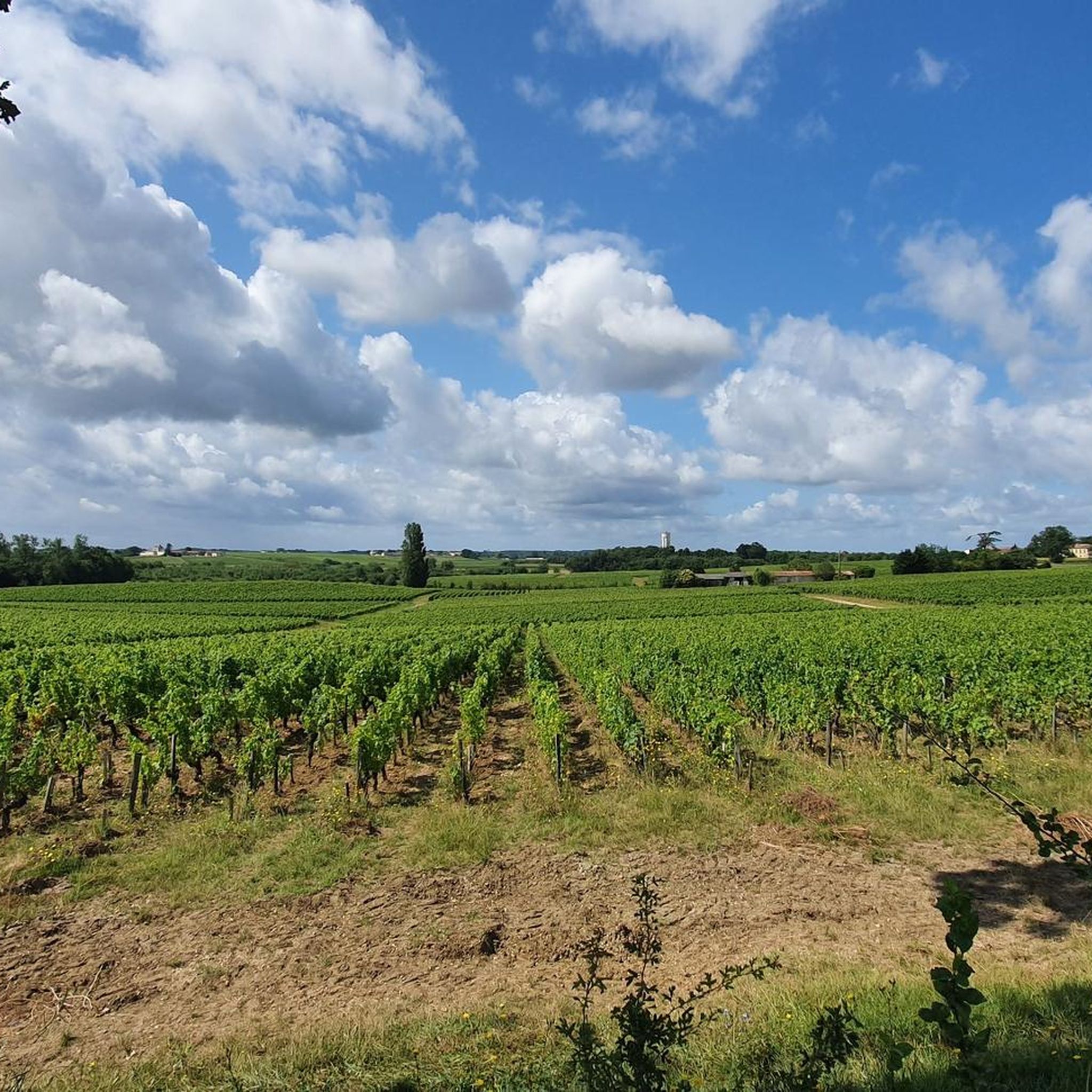
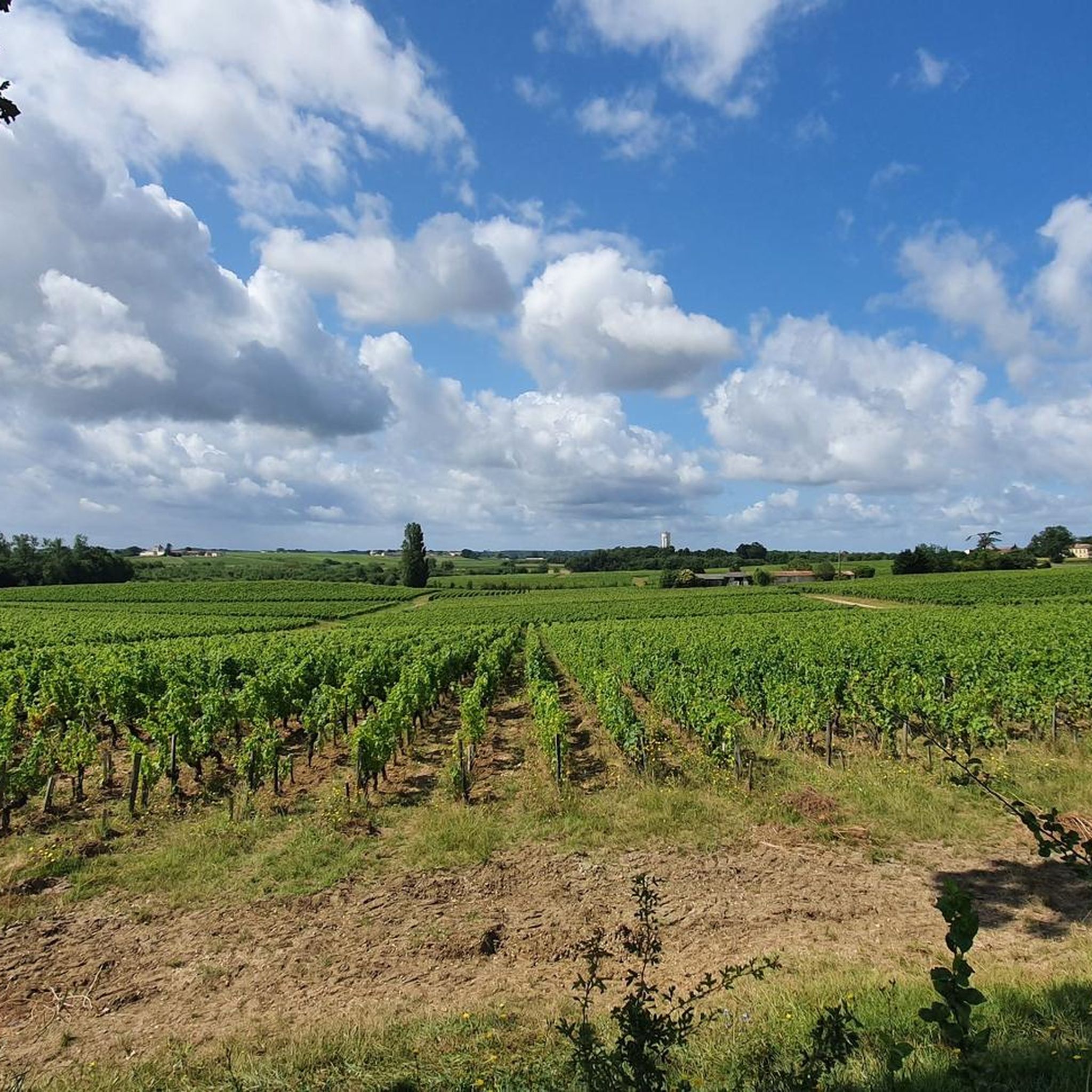
The Belt – canals and wet meadows
Highlight • Natural
Tip by
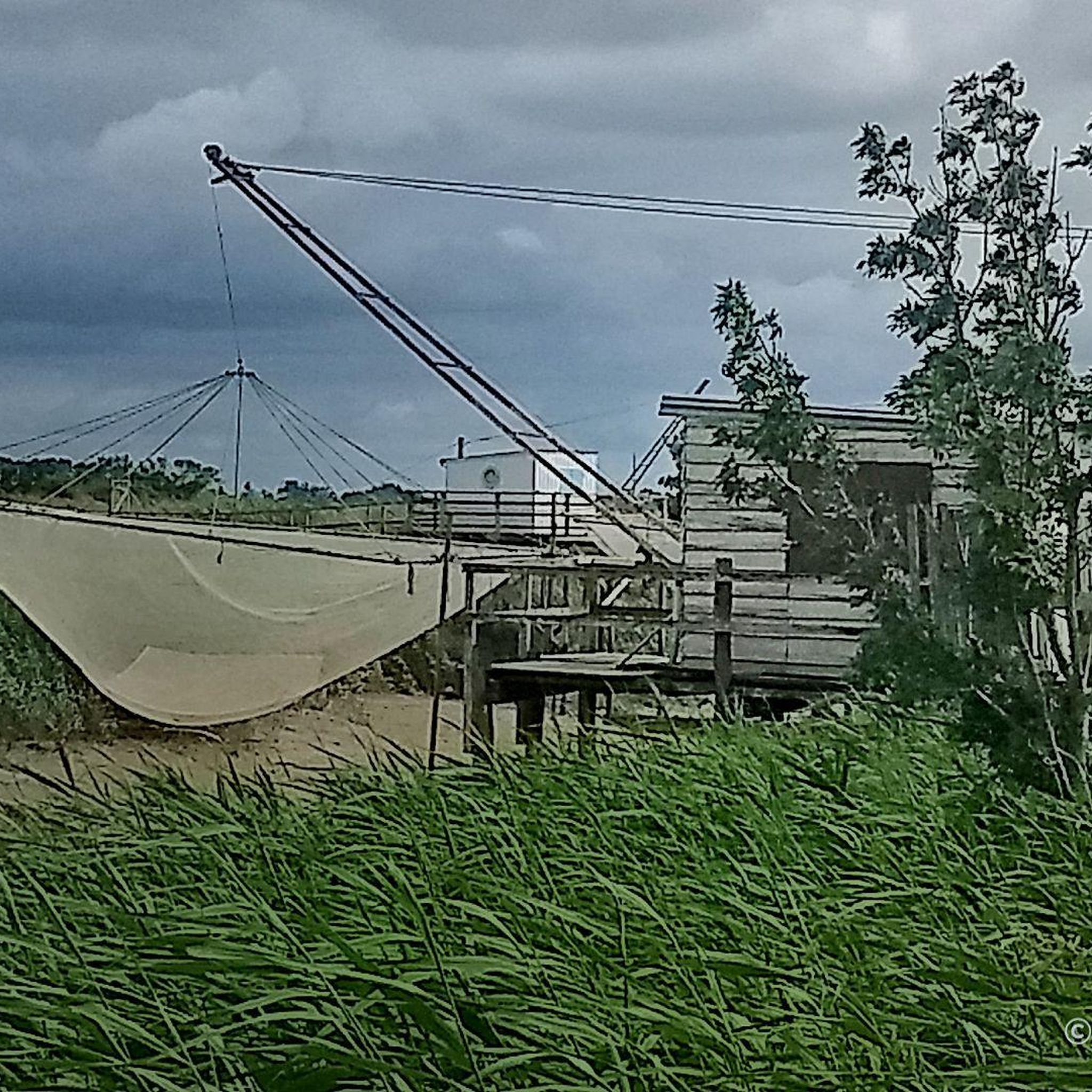
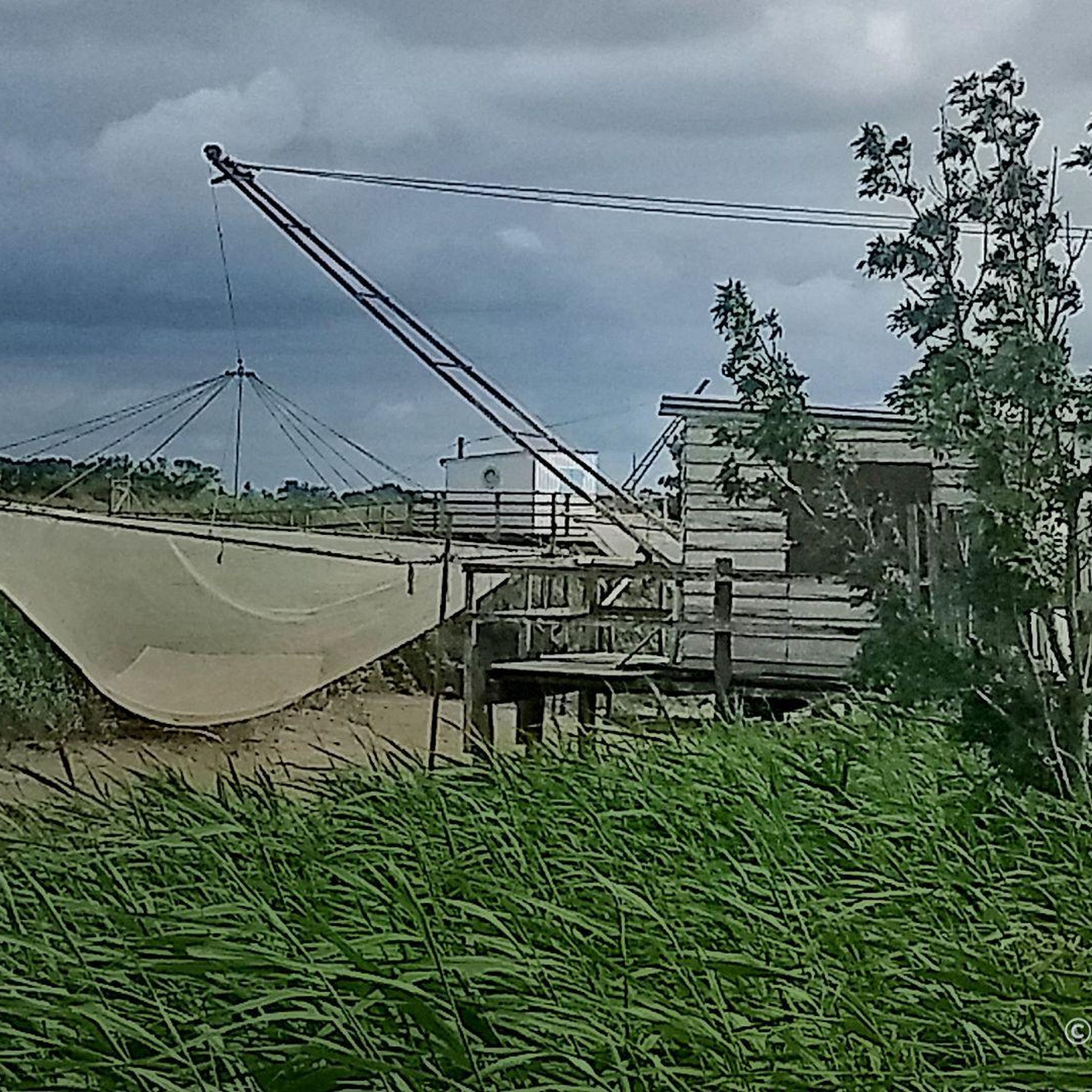
Nice track on the dikes
Highlight (Segment) • Other
Tip by
Sign up for free to discover even more attractions around Saint-Sorlin-De-Conac.
Sign up for free
Already have an account?
Start today with a free account
Your next adventure awaits.
Login or Signup

Tips from the Community

Cute little coastal village at the mouth of a small canal, with a recreational port and a few restaurants as well as picnic spots for a break.
0
0

Nice track, be careful there is no protection against the wind or the sun ;)
0
0

A beautiful cycle path that runs along the river on the dikes. There are lovely views of the surrounding coastline.
1
0

The Abbey of Sainte-Marie-Madeleine goes down in history for having been founded by Geoffroi du Loroux, Archbishop of Bordeaux, around 1145-1150. The only vestige of the imposing Premonstratensian monastery, the church of the Abbey of Sainte-Marie-Madeleine, founded in the 12th century, is the jewel of the village of Pleine-Selve. 12th century church, made up at the time of a single nave, a transept and a flat apse. In the 13th century, addition of chapels to the arms of the transept. The convent buildings were completely destroyed by French troops in 1407 during the Hundred Years War and then during the Wars of Religion. The church itself had its nave amputated. Of the 13th century building, the crossing, the north arm of the transept, the north chapel, the flat apse remain. During the 19th century, construction of a sacristy on the south facade of the chevet. The Romanesque church is only the choir of the old church, only the apse presents the architecture of the 12th century. Today it has the status of a parish church. The building was classified as a historical monument in 1908.
0
0
Established on a migration route and in the heart of the wet meadows as well as the drainage canals that run along the Gironde estuary, these areas are frequented by multiple varieties of birds: little egret, crested merganser, purple heron, black kite , kingfisher, shelduck, black scoter, marsh harrier and others come to nest, winter or reproduce there.
1
0
The first mention of Port-Maubert appears in the 16th century. It is one of the ports with an intense wheat trade activity on the Gironde estuary. Trade is mainly with Bordeaux. The goods are loaded on barges which transported their cargoes according to the tides and the winds. In the middle of the 19th century, work changed the appearance of the port. At the same time, a landing stage was built to accommodate steamboat passengers. In the 1860s, the State ceded its land to build houses, warehouses for goods, a fairing slipway and establish a shipyard (the future "le Chérif" shipyard). At the entrance to the port, a steam flour mill processes and exports a large part of the cereal production of the Jonzac district. Port activity was at its peak: wines, wheat, potatoes, and other goods flowed in from all over Saintonge to be shipped to Bordeaux, Libourne, Pauillac. The fishing activity continues, the fishermen use boats equipped with nets the "filardières", some come out of the shipyard of Port Maubert, the "Chérif". Fishing has been mentioned in the estuary since the Middle Ages, a modest activity which grew with the modernization of the ports in the middle of the 19th century. The sturgeon, called here "Créac" or "Créa" is one of the fish caught for their flesh. According to tradition, a Russian princess would have come to St-Seurin-d'Uzet. She would then have undertaken to re-teach them how to prepare caviar and when she left, she would have forgotten her umbrella, now carefully kept in St-Seurin-d'Uzet. More specifically, the Prunier house, a great Parisian restaurateur, undertook in 1921 to organize the production of caviar in France and sent Alexandre Scott to St-Seurin-d'Uzet to teach the preparation of caviar to the fishermen of the region. From this activity by several production sites develop as in Port Maubert. The intensity of fishing, in addition to pollution and the modification of natural environments, leads to the scarcity of sturgeons. Its fishing declined in the 1960s and was finally banned in the 1980s, the sturgeon becoming a protected species. Since the 1990s, research has been carried out to reintroduce the original species of sturgeon, the sturio. At the same time, Baerii sturgeon farms are open along the estuary to provide caviar. In the 1980s, sturgeon fishing was banned and fishermen reoriented themselves towards pibales, hitherto practiced on foot or in skiffs with a landing net, and which now is done with boats equipped with "haveneaux": the "pibaliers", also used for shrimp fishing. Today the activity of Port Maubert is mainly linked to fishing and yachting, while a sailing school allows learning how to handle the Optimists on the hunting basin in complete safety. Local fishermen perpetuate the activity and offer the product of their work in the form of numerous recipes sold at the on-site shop.
0
1
"Agout" is an old Saintonge word meaning "sewer" which is here applied to the flow of water from the region to the marshes of the Gironde. The location of the church, on sloping ground on the edge of the road, may explain the addition of this word to its name, which gave St Georges d'Agout. 12th century church, enlarged in the 15th and 16th centuries. Dependent on the priory of St-Thomas-de-Conac in the 12th century, it retains a Romanesque structure and a western portal with arches and sculpted capitals. The right apse choir was covered with ribbed vaults in the 13th century. Existence of a solid square bell tower. New enlargement in the 19th century, with the construction of two chapels adjoining the collateral. Building built in the 12th century. At the end of the 15th-beginning of the 16th century, the western bays of the nave are doubled by a second vessel to the south, and a square bell tower is high. To face the Wars of Religion, an upper chamber was built; presence of an underground refuge. In the 19th century, the late collateral was divided by a longitudinal shear wall, and received a slight vault; the apse is pierced with a twin neo-Romanesque window. A sign at the entrance (and pictured in the must-see) explains the church's noteworthy features.
0
0
Both right along the sea as well as on both sides of the streams the elevated trail offers great views across the coastal scenery
4
0
Frequently Asked Questions
What natural attractions can I explore around Saint-Sorlin-De-Conac?
The region is rich in natural beauty, particularly around the Gironde Estuary. You can visit the Pôle Nature de Vitrezay, which offers walking paths, ornithological observation points, and activities like kayaking. Another highlight is The Belt – canals and wet meadows, a habitat for diverse bird species. The estuary itself provides scenic landscapes and opportunities for observing migratory birds.
Are there opportunities for cycling or hiking near Saint-Sorlin-De-Conac?
Yes, the area offers several routes for outdoor enthusiasts. You can enjoy cycling on the Nice track on the dikes, a cycle path running along the river with great coastal views. For more options, explore the various cycling routes or MTB trails available in the region.
Where can I observe wildlife and birds in the area?
The Gironde Estuary and its surrounding wetlands are excellent for wildlife spotting. The Pôle Nature de Vitrezay is specifically designed for nature observation, offering ornithological points. Additionally, The Belt – canals and wet meadows is frequented by multiple varieties of birds, including little egrets, purple herons, and kingfishers, making it a prime location for birdwatching.
What historical sites or cultural landmarks are worth visiting in Saint-Sorlin-De-Conac and its surroundings?
Beyond the local churches like A surprising church name in Saint-Georges-des-Agoûts, you can visit the Château de Beaulon with its park and 'blue fountains' nearby. Further afield, the Blaye Citadel, a UNESCO World Heritage site, offers impressive Vauban fortifications. The village of Talmont-sur-Gironde, considered one of the prettiest, features the imposing 12th-century Romanesque church Sainte-Radegonde.
Can I learn about the local maritime history and traditional fishing?
Absolutely. Port Maubert is a coastal village with a rich history of intense wheat trade and fishing activity on the Gironde estuary. You can also see the traditional 'carrelets,' fishing huts perched over the water, at Port de Conac, which are a distinctive part of the local heritage.
Are there family-friendly activities or attractions suitable for children?
Yes, the region offers several family-friendly options. The Pôle Nature de Vitrezay provides nature-based activities and animations suitable for all ages. For aquatic fun, Les Antilles de Jonzac, a large aquatic and recreational center, is a popular choice. Many of the natural areas, like The Belt – canals and wet meadows, are also suitable for family outings.
What is the best way to experience the Gironde Estuary?
To truly experience the Gironde Estuary, consider taking a boat trip, which often departs from locations like the Pôle Nature de Vitrezay. You can also explore its unique environment via walking paths, cycling routes along the dikes, or by visiting viewpoints such as those found at Nice track on the dikes.
Are there any local markets to visit for regional products?
Yes, several nearby towns host vibrant markets. You can find markets in Jonzac (Tuesdays and Saturdays), Pons (Wednesdays and Saturdays), and Blaye. These markets are excellent places to experience local life and discover regional produce.
What are some unique architectural features to look out for in the area?
Beyond the historic churches, keep an eye out for the traditional 'carrelets' (fishing huts) along the estuary, particularly at Port de Conac. In Saint-Sorlin-de-Conac itself, you can find La Tour de Mademoiselle Agathe, a former mill transformed into a belvedere, and a Pigeonnier porche, both contributing to the local heritage.
Can I visit any vineyards or learn about wine in the vicinity?
For wine enthusiasts, the region offers notable options. The renowned Château Lafite Rothschild in Pauillac is about 17.6 km away. While further, the Cité du Vin in Bordeaux is a major cultural attraction dedicated to wine, approximately 57 km from Saint-Sorlin-de-Conac.
What do visitors enjoy most about Saint-Sorlin-De-Conac and its attractions?
Visitors particularly appreciate the blend of natural beauty and historical insights. The elevated views of the coastal scenery from trails like the Nice track on the dikes are highly rated. The tranquility of the coastal villages like Port Maubert and the rich wildlife in areas like The Belt – canals and wet meadows are also popular highlights.
Most popular routes around Saint-Sorlin-De-Conac

Get inspired with the komoot mobile app


Explore more
Still not found the Highlight you’re looking for? See guides of the top attractions in other regions:
