The best cycling routes around Ramicourt
3.8
(107)
316
riders
49
rides
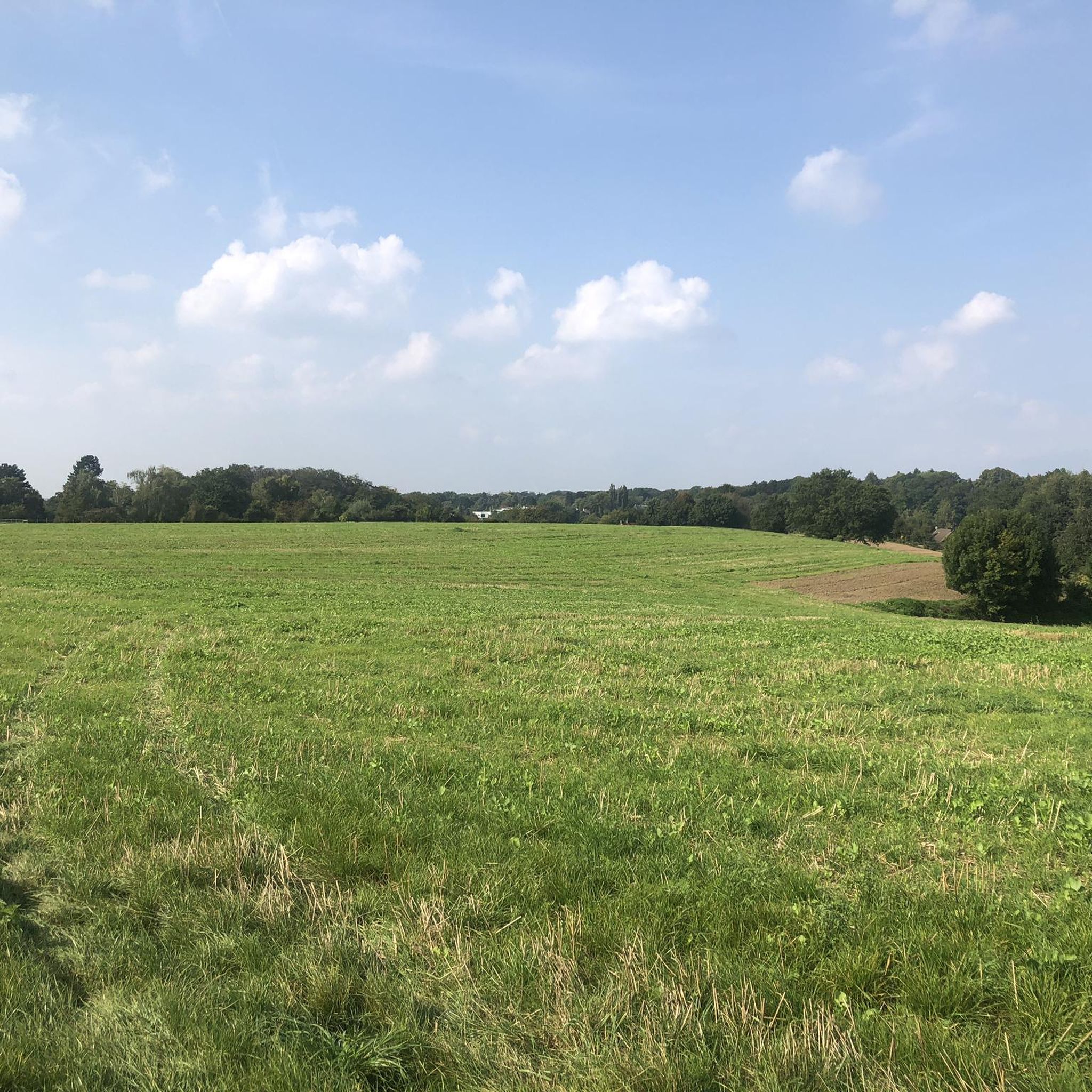
Touring cycling around Ramicourt offers routes through the Vermandois region, characterized by rolling countryside and extensive farmlands. The area features a mix of plateaus, plains, and valleys, providing varied terrain for cyclists. Routes often follow rivers and waterways, integrating natural features into the cycling experience. This landscape provides a tranquil setting for exploring the Aisne department.
Best touring cycling routes around Ramicourt
- The most popular touring cycling route is Bron van de Schelde – Vaucelles Abbey loop from Gouy,…
Last updated: June 29, 2026
3.0
(40)
82
riders
27.1km
01:38
110m
110m
Easy bike ride. Great for any fitness level. Mostly paved surfaces. Suitable for all skill levels.
4.6
(10)
58
riders
84.2km
05:07
630m
630m
Hard bike ride. Very good fitness required. Mostly paved surfaces. Suitable for all skill levels.

Sign up for free
36
riders
37.1km
02:24
250m
250m
Moderate bike ride. Good fitness required. Mostly paved surfaces. Suitable for all skill levels.
4.3
(4)
9
riders
86.4km
05:30
620m
620m
Hard bike ride. Very good fitness required. Mostly paved surfaces. Suitable for all skill levels.
1.0
(1)
11
riders
30.4km
01:51
220m
220m
Moderate bike ride. Good fitness required. Mostly paved surfaces. Suitable for all skill levels.
Get access to more routes and recommendations from other explorers.
Sign up for free
Already have an account?
Our route recommendations are based on thousands of hikes, rides, and runs completed by other people on komoot.
Start today with a free account
Your next adventure awaits.
Login or Signup



Tips from the Community

Hello. This is a beautiful hike through nature and a nice park for recreation. the hike runs along a canal and a marshland with well-passable hiking trails. This hike is highly recommended !!!!!!!!!!!!!
0
0

Completely constructed in white and black stone, the Basilica of Saint-Quentin is the second Gothic building in Picardy. Built between the end of the 12th and the end of the 15th centuries, it is best known as the burial place of the martyr Quentin, who gave it its name. Listed as a historical monument, the building boasts original architecture, with a porch tower over 34 meters high, a double transept, and a concentric choir. Inside, visitors are captivated by the ancient 260-meter-long labyrinth carved into the nave's paving. Stained glass windows installed at various times complement the artistic offerings of the Basilica of Saint-Quentin, particularly medieval stained glass windows in the 12th-century apse chapels. These depict episodes from the lives of the Virgin Mary and Saint Stephen.
1
0

Source of the Scheldt beautiful surroundings circular walk approx. 3 to 4 km easily accessible
0
0

The Masnières Newfoundland Memorial in France commemorates the heroic actions of the Royal Newfoundland Regiment during the First Battle of Cambrai in 1917. Located on the northern edge of the town of Masnières, this monument honours the Newfoundlanders who took part in the capture and defence of the town during this battle.
1
0
Joncourt British Cemetery is a serene military cemetery located in Joncourt, France, and contains the graves of British soldiers who died during the First World War. Designed by William Cowlishaw, the cemetery is situated on the road from Joncourt to Levergies, approximately half a mile south of the village centre1. With a rectangular plan and surrounded by a stone wall, the cemetery provides a peaceful place for reflection. The Cross of Sacrifice, a hallmark of British military cemeteries, stands in the western corner1. The graves of 61 soldiers, three of whom are unidentified, belong to the 10th Argyll and Sutherland Highlanders1. The cemetery is lovingly maintained by the Commonwealth War Graves Commission, who ensure that the memory of these soldiers is kept alive.
1
0
This Cistercian abbey was founded in 1132 by Bernard of Clairvaux and grew into a large and influential community within a century. Royal armies camped there as in a fortress and Charles V signed peace with Henry II in 1556. In addition to the sick and outcasts, travellers and pilgrims also found shelter in the hospital. The largest abbey church in Europe stood here with an extraordinary length of 135 metres. On feast days, 3000 meals were provided to the needy in the wide area. After the French Revolution, it was declared national property and an inglorious end followed as an open-air quarry. Now, restored parts remain, such as the abbot's palace with the dormitories and monks' halls with the chapter house next to it. The 7-hectare abbey park is being restored to its former glory. Open March to November (Tue-Sat 10am-12pm and 2pm-5.30pm, Sun 3pm-6.30pm, closed Mondays).
1
0
The Porte de Paris in Cambrai is an impressive remnant of the old city defences. Originally built to protect the southern entrance to the city, this gate dates from the end of the 14th century. The architecture of the gate is typical of the style of the time, with sturdy stone structures designed to withstand attacks. The Porte de Paris is part of what was once a four-kilometre-long city wall, reinforced by around fifty towers and seven gates. This gate is one of the few remaining parts of these defences and offers a fascinating insight into medieval military architecture.
1
0

As a memorial to the many dead, such a "MONUMENT AUX MORTS" (usually called a "Central Memorial" or "War Memorial" in German-speaking countries) is still very important today. "Now, Lord, you let your servant depart in peace, as you have said..." it says in the so-called "Hymn of Simeon" (Luke's Gospel, Chapter 2, Verse 29). However, the people who are remembered here did not depart in peace, but became victims of war and tyranny. Therefore, the term "fallen memorial" is now sometimes used instead of the "war memorial" that was previously common in German. In the French-speaking world, however, this aspect of commemoration of the dead has long been included in the most commonly used term "MONUMENT AUX MORTS". Regardless of language and nation, such a memorial has two important and at the same time everlasting tasks: -1- to keep the memory of the suffering and horror of war alive, -2- and to remind people of the need to maintain peace in the long term.
2
0
Frequently Asked Questions
How many touring cycling routes are available around Ramicourt?
There are over 50 touring cycling routes around Ramicourt, offering a variety of options for exploring the region. These routes are highly rated by the komoot community, with an average score of 4.4 stars from over 60 reviews.
What kind of terrain can I expect on touring cycling routes in Ramicourt?
The terrain around Ramicourt is characterized by rolling countryside and extensive farmlands, typical of the Vermandois region. You'll encounter a mix of plateaus, plains, and valleys, with many routes following rivers and waterways. This provides a tranquil setting for cycling, with varied elevation changes.
Are there any easy touring cycling routes suitable for beginners or families?
Yes, Ramicourt offers 9 easy touring cycling routes. An excellent option for a more relaxed ride is the Source of the Somme – Isle Park loop from Fonsomme, which is 28.2 km long and leads through natural areas like Isle Park.
What are some historical or natural landmarks I can see while cycling near Ramicourt?
While cycling, you can explore several points of interest. The region is rich in history, with sites like the Ramicourt British Cemetery, a poignant reminder of the First World War, and the Sainte-Bernadette Church. Routes also pass by natural features such as the Source of the Somme and the Source of the Scheldt. For example, the Basilica of Saint Quentin – Bench by the Canal loop from Nauroy explores historical sites and canal paths.
Are there any challenging routes for experienced touring cyclists?
Yes, for experienced touring cyclists seeking a challenge, there are 12 difficult routes available. A notable difficult route is the Bron van de Schelde – Vaucelles Abbey loop from Gouy, which spans 84.2 km and connects to the Source of the Scheldt and passes by Vaucelles Abbey.
What is the best time of year to go touring cycling in Ramicourt?
The region of Hauts-de-France, where Ramicourt is located, offers diverse landscapes that are enjoyable across seasons. Spring and autumn generally provide pleasant temperatures and beautiful scenery with less extreme weather. Summer is also popular, but can be warmer. Winter cycling is possible, but be prepared for colder conditions.
Are there any touring cycling routes that follow waterways or canals?
Yes, many touring cycling routes in Ramicourt integrate natural features like rivers and waterways. For instance, the Bron van de Schelde – Canal de Saint-Quentin loop from Nauroy follows the Canal de Saint-Quentin, offering scenic views along the water.
What do other touring cyclists enjoy most about cycling in Ramicourt?
The area is highly rated by the komoot community, with an average score of 4.4 stars. Cyclists often praise the tranquil setting, the picturesque rolling countryside, and the opportunity to explore both natural beauty and historical sites at a gentle pace. The varied terrain also provides options for all skill levels.
Can I find loop routes for touring cycling in Ramicourt?
Yes, many of the touring cycling routes around Ramicourt are designed as loops, allowing you to start and end your journey in the same location. Examples include the Sources of the Scheldt – Bron van de Schelde loop from Gouy, which offers a circular exploration of the area.
Are there opportunities for wildlife spotting along the cycling routes?
Given the region's vast expanses of meadow, farmland, and natural areas like Isle Park, there are opportunities to observe local wildlife. Cycling at a gentle pace allows for a greater chance to spot various birds and other animals in their natural habitat, especially along quieter routes and waterways.
Is public transport available to access touring cycling routes near Ramicourt?
While specific public transport details for accessing individual trailheads are not provided, Ramicourt is located in the Aisne department within Hauts-de-France. It's advisable to check regional public transport options, such as local bus services or train connections to nearby towns, which may offer access points to the broader cycling network. Parking is generally available in communes near route starting points.
Most popular attractions around Ramicourt

Get inspired with the komoot mobile app


Explore more
Browse the best Cycling routes in other regions.
