The best cycling routes around Mons-En-Laonnois
4.3
(144)
1,139
riders
21
rides
Touring cycling around Mons-En-Laonnois offers diverse landscapes, from undulating terrain with hills to extensive forests and rural bocages. The region, part of Hauts-de-France, features quiet country roads and routes incorporating natural water features like Lake Ailette. This area provides a variety of cycling routes, catering to different skill levels and offering both physical challenges and scenic beauty. The well-developed cycling infrastructure supports exploration of its natural and historical attractions.
Best touring cycling routes around Mons-En-Laonnois
- The most popular touring cycling…
Last updated: November 1, 2026
4.6
(10)
65
riders
58.7km
03:52
360m
360m
Moderate bike ride. Good fitness required. Mostly paved surfaces.
14
riders
38.0km
03:13
620m
620m
Hard bike ride. Very good fitness required. Mostly paved surfaces.

10
riders
52.7km
03:45
410m
410m
Moderate bike ride. Good fitness required. Mostly paved surfaces.
5.0
(1)
11
riders
27.4km
02:18
420m
420m
Hard bike ride. Good fitness required. You may need to push your bike for some segments of this route.
3
riders
36.7km
02:13
220m
220m
Moderate bike ride. Good fitness required. Mostly paved surfaces.
Get access to more routes and recommendations from other explorers.
Already have an account?
Our route recommendations are based on thousands of hikes, rides, and runs completed by other people on komoot.
Start today with a free account
Your next adventure awaits.
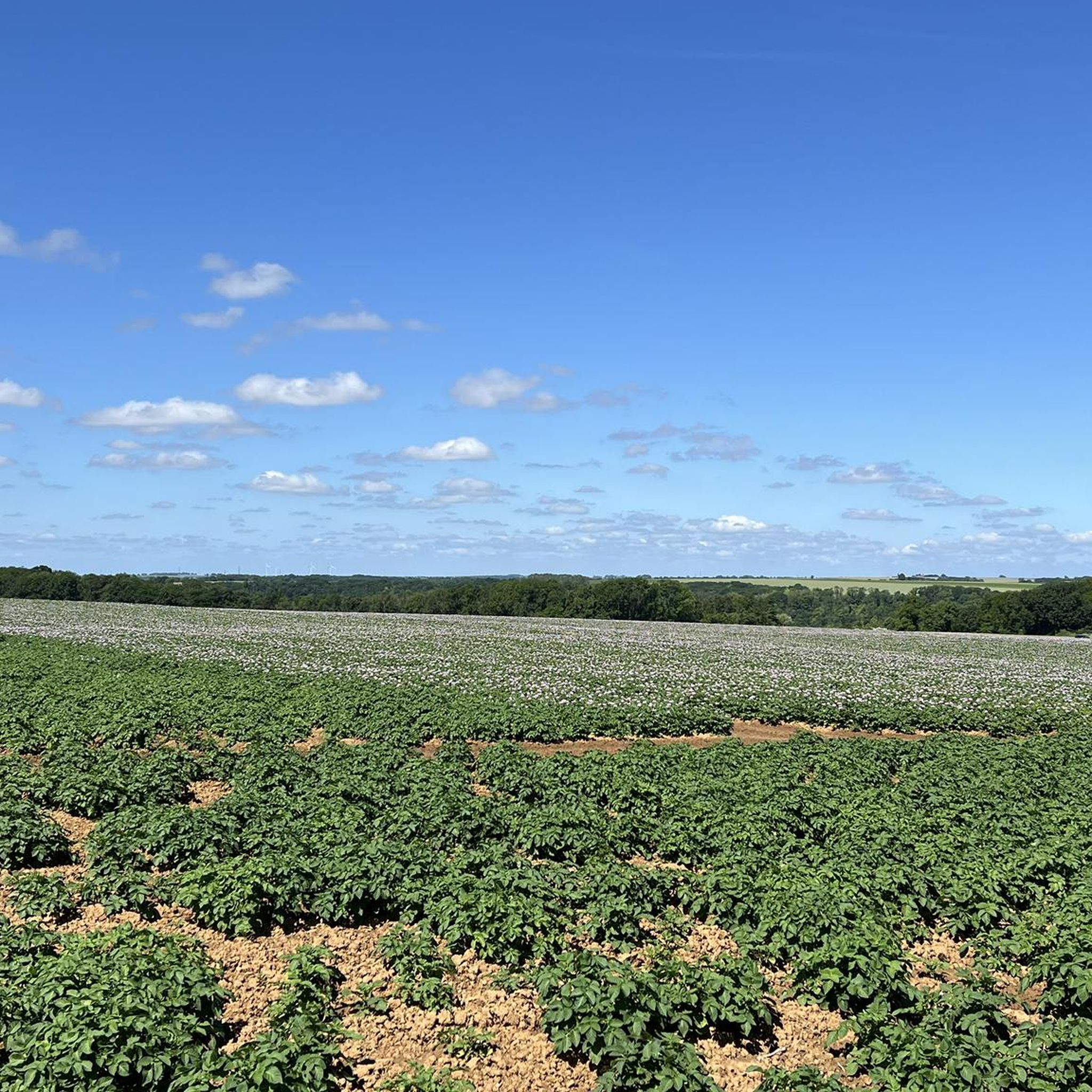
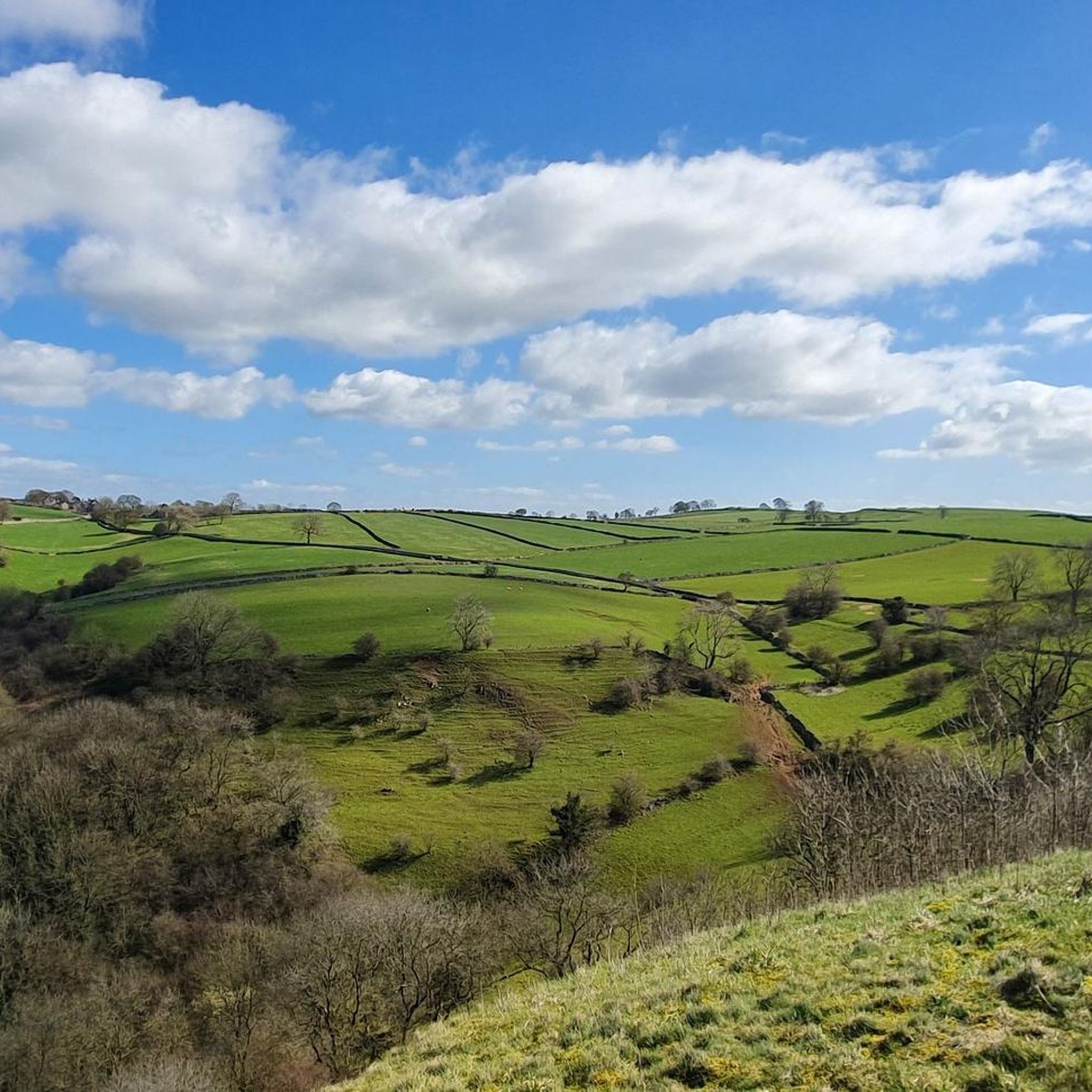
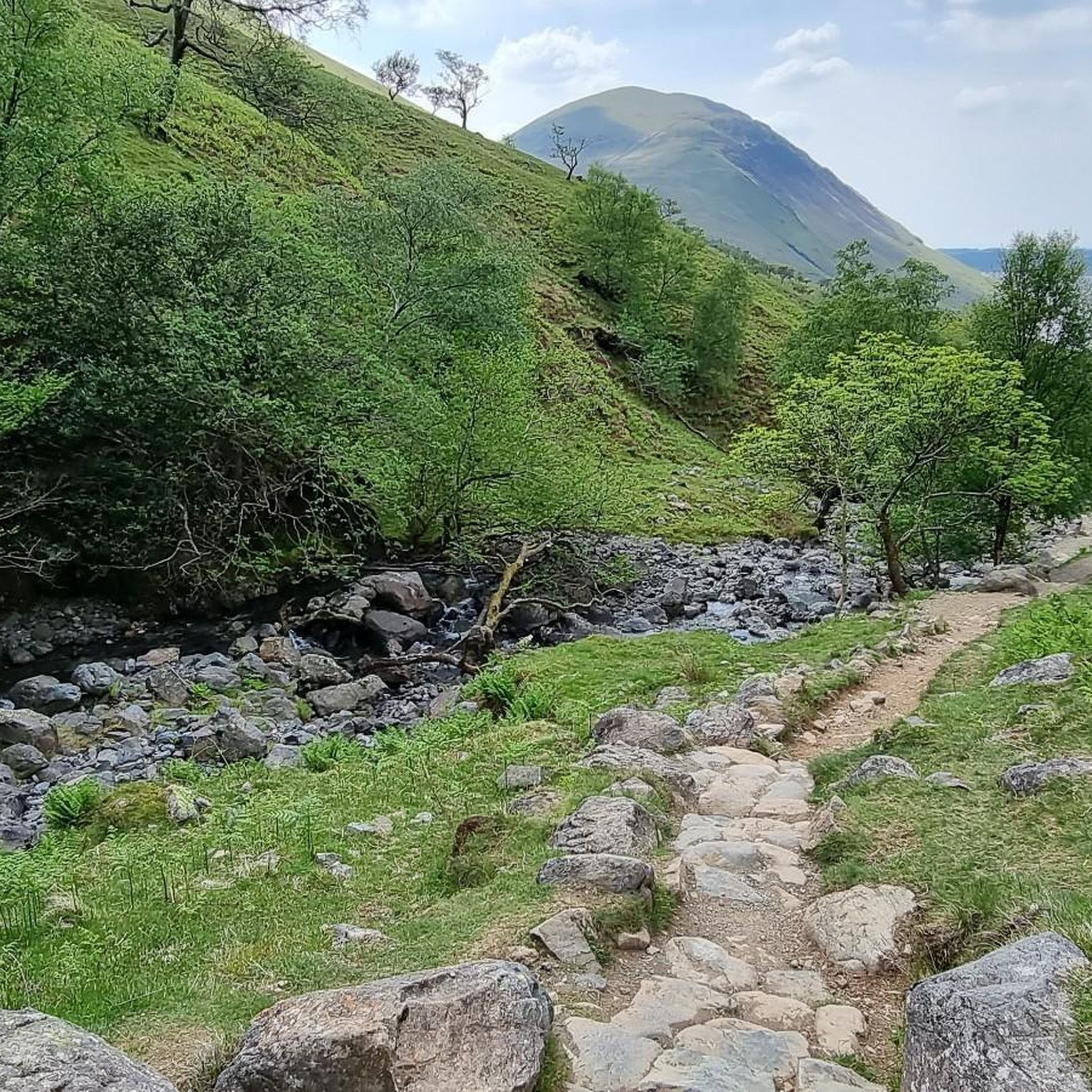
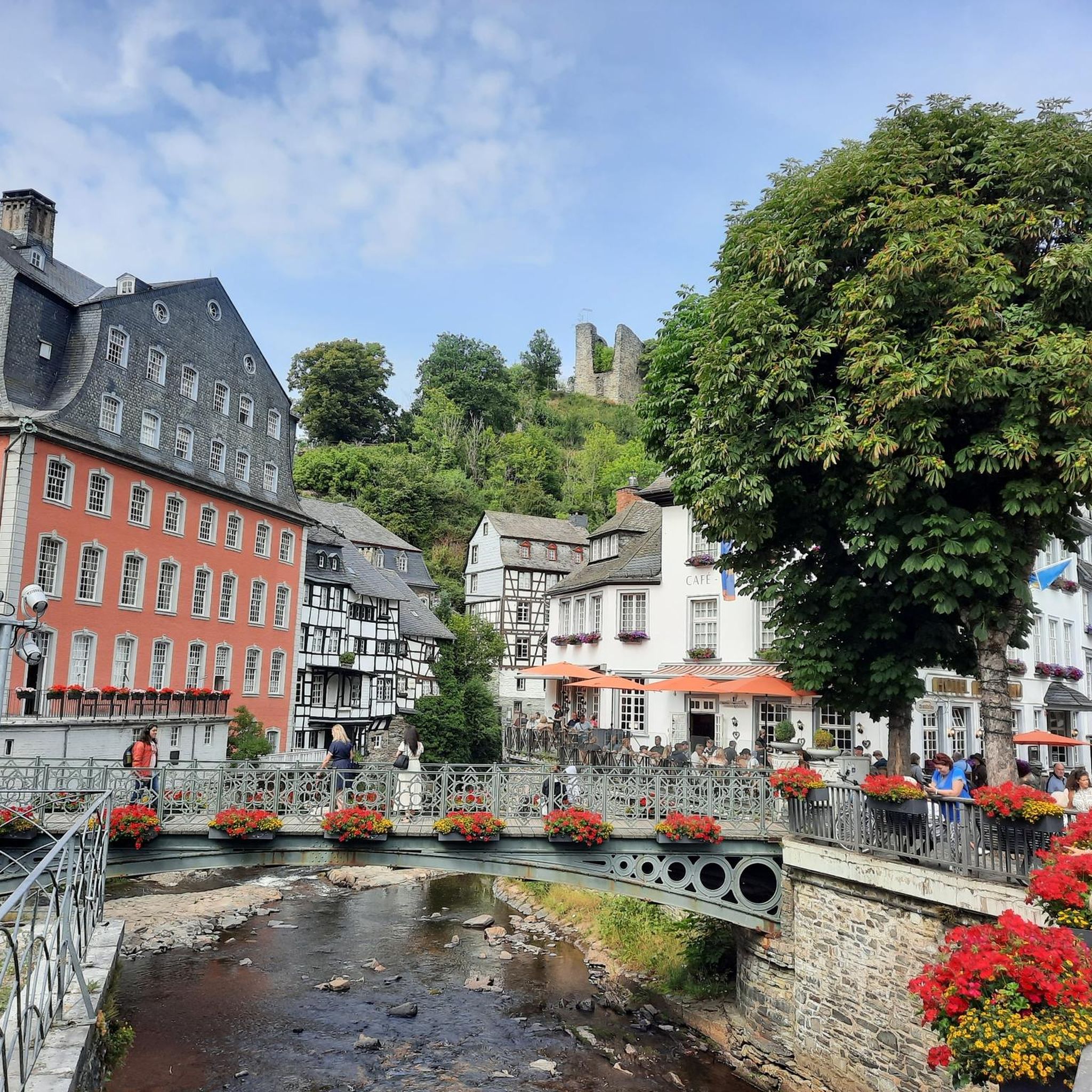
Tips from the Community

The Vauclair Abbey near Bouconville-Vauclair in the Aisne department was founded in 1134 by Bernard of Clairvaux as a Cistercian monastery. In the Middle Ages, it developed into an important monastic complex; it was significantly expanded, particularly in the 13th century. During the First World War, Vauclair was located directly in the combat zone of the Chemin des Dames and was almost completely destroyed by artillery fire in 1917. The ruins visible today have been archaeologically investigated, excavated, and partially secured since the 1960s. Directly next to the ruins, there is now a medicinal herb garden with around 400 species and a conservation orchard. This verger conservatoire preserves old regional apple and pear varieties; according to the French Garden Association, there are about 84 different varieties represented there. Together with the monastery ruins, the site thus commemorates not only the history of the Cistercians but also their close connection to agriculture, horticulture, and botany.
1
0

Hidden in the middle of the forest, this Cistercian abbey, founded in 1134 by Bernard of Clairvaux, appears like a mirage. Its majestic ruins bear witness to a turbulent past. From the Hundred Years' War and the French Revolution to the First World War, the abbey suffered considerable destruction. In the 1960s, the site was overgrown with brambles and forgotten. Thanks to the archaeological excavation group "Sources" led by Father Courtois, it experienced a rebirth.
2
0

a nice picnic area that is also well maintained - it had mown grass.
0
0


Ailette Lake is a haven of tranquility surrounded by greenery. Its calm and clear waters invite you to relax, whether for a stroll along the lake, a canoe trip or a picnic break. The preserved natural setting offers magnificent views of the surrounding wooded hills and the developed beaches.
1
1

The church of Saint-Jean-Baptiste is listed as a historical monument: nave from the twelfth century, square tower of the crossing from the thirteenth century, traces of fortifications on the walls of the transept and on the bell tower from the fifteenth century. The rose window was influenced by that of the cathedral Notre-Dame de Laon.
8
0
Vorges is a small village located approximately 6 km south of Laon, in the Hauts-de-France region. The village has a rich history dating back to Roman times, when it was part of the territory of the Rèmois, a Gallic tribe. In the 5th century, the Germanic and Frankish people settled in the area, which led to the further development of the village. During the early Middle Ages, under the rule of Clovis and the influence of Bishop Saint Rémy, Christian influence began to grow in Vorges. Archaeological excavations have uncovered Merovingian tombs, which contain some of the first Christian cemeteries in the region. In the 12th century, Vorges was mentioned in several historical documents and had a thriving wine-growing sector with 512 vineyards owned by various abbeys. The village also has a fortified church, built between 1180 and 1230, which was reinforced during the Hundred Years' War to withstand attacks from the English and Burgundians.
8
0
picnic area and viewpoint of the cathedral. The cathedral stands out beautifully above the panorama.
11
0
Frequently Asked Questions
What kind of terrain can I expect when touring cycling around Mons-En-Laonnois?
The region offers a varied and picturesque landscape for touring cyclists. You'll encounter undulating terrain, including surprising hills, extensive forests like Mormal and Saint-Gobain, and rural bocages. Many routes also incorporate natural water features such as the Étangs du moulin and Lake Ailette, providing diverse scenery for your ride.
Are there any family-friendly touring cycling routes in the area?
Yes, Mons-En-Laonnois offers routes suitable for various skill levels, including easier options that can be enjoyed by families. While specific family-designated routes aren't detailed, the region's diverse network includes 58 easy routes, providing plenty of choices for a more relaxed cycling experience.
What historical landmarks or points of interest can I visit while cycling?
The area is rich in history. You can cycle to the historic Laon, which boasts a significant old town with numerous medieval buildings, including the renowned Notre-Dame Cathedral. Other notable historical sites include the medieval city gates like Porte d'Ardon and Porte de Soissons in Laon, and the Croix Sézinne monument in the Saint-Gobain forest.
Are there any circular touring cycling routes available?
Many of the touring cycling routes around Mons-En-Laonnois are designed as loops, allowing you to start and finish at the same point. For example, the Fort de Lasnicourt loop from Clacy - Mons is a moderate 19.1 km route that offers a circular journey through the local landscape.
How many touring cycling routes are there in Mons-En-Laonnois?
There are over 180 touring cycling routes available around Mons-En-Laonnois, catering to various skill levels. This includes 58 easy, 83 moderate, and 41 difficult routes, ensuring there's something for every cyclist.
What do other touring cyclists enjoy most about cycling in Mons-En-Laonnois?
The area is highly rated by the komoot community, with an average score of 4.3 stars from over 120 reviews. Reviewers often praise the diverse landscapes, from undulating hills to serene forests and natural water features, as well as the well-developed cycling infrastructure that makes exploration enjoyable.
Are there any challenging touring cycling routes for experienced riders?
Yes, for experienced touring cyclists seeking a challenge, there are 41 difficult routes in the region. An example is the Fort de Lasnicourt – Hameau des Creutes loop from Clacy - Mons, a 27.4 km route with significant elevation gain, offering a demanding yet rewarding experience.
Can I find routes that feature natural water bodies?
Absolutely. The region's landscape includes natural water features such as the Étangs du moulin and Lake Ailette. Many routes incorporate these, providing scenic views. The Lake Ailette – View of Lake Ailette loop from Clacy - Mons is a popular moderate route that specifically highlights this beautiful lake.
Is there a specific cycling network in the broader Hauts-de-France region that connects to Mons-En-Laonnois?
Yes, the broader Hauts-de-France region, where Mons-En-Laonnois is located, features the 'Vhello node-point network' in the Heart of Hainaut. This network offers 1,200 km of signposted cycling routes across 24 municipalities, providing extensive options for touring cyclists. You can find more information about cycling in the wider region on the Hauts-de-France Tourism website.
What kind of natural parks or preserved areas are nearby for exploration?
Just 30 km south of Mons lies the Parc Naturel des Hauts-Pays, a stunning preserved site rich in natural beauty, featuring dense forests, streams, and diverse flora and fauna. Within this park, the Bois de Colfontaine is an important ornithological reserve. Further afield, the Avesnois Regional Natural Park offers bocage meadows, forests, and winding rivers. You can learn more about the Parc Naturel des Hauts-Pays on the Visit Wallonia website.
Are there options for bike rental in the region?
Yes, the 'Vhello node-point network' in the Heart of Hainaut, which is part of the broader cycling infrastructure, offers both classic and electric bike rental options, making it convenient for visitors to explore the area on two wheels.
Most popular routes around Mons-En-Laonnois
Most popular attractions around Mons-En-Laonnois

Get inspired with the komoot mobile app


Explore more
Browse the best Cycling routes in other regions.
