Attractions and Places To See around Fougerolles - Top 20
Best attractions and places to see around Fougerolles include a landscape characterized by forests, cherry orchards, and natural springs, situated on a plateau overlooking the Breuchin valley. The region is recognized for its cultural heritage, particularly its cherry cultivation and Kirsch production, earning it the "Site Remarquable du Goût" designation. Visitors can explore a mix of natural features and historical sites that reflect the area's unique identity.
Best attractions and places to see around Fougerolles
- The most popular attractions is…
Last updated: July 7, 2026
Saint Columban Abbey
Highlight • Other
Translated by Google •
Tip by

Luxeuil-les-Bains Thermal Baths
Highlight • Other
More than a dozen warm …
Translated by Google •
Tip by
Sign up now to discover places like this
Get recommendations on the best single tracks, peaks, & plenty of other exciting outdoor places.
Sign up for free
Géhard Waterfall
Highlight • Waterfall
Tip by

Planey Spring
Highlight • River
Translated by Google •
Tip by
Saint-Amé-et-Saint-Blaise Church
Highlight • Religious Site
Translated by Google •
Tip by

Sign up for free to discover even more attractions around Fougerolles.
Sign up for free
Already have an account?
Start today with a free account
Your next adventure awaits.
Login or Signup
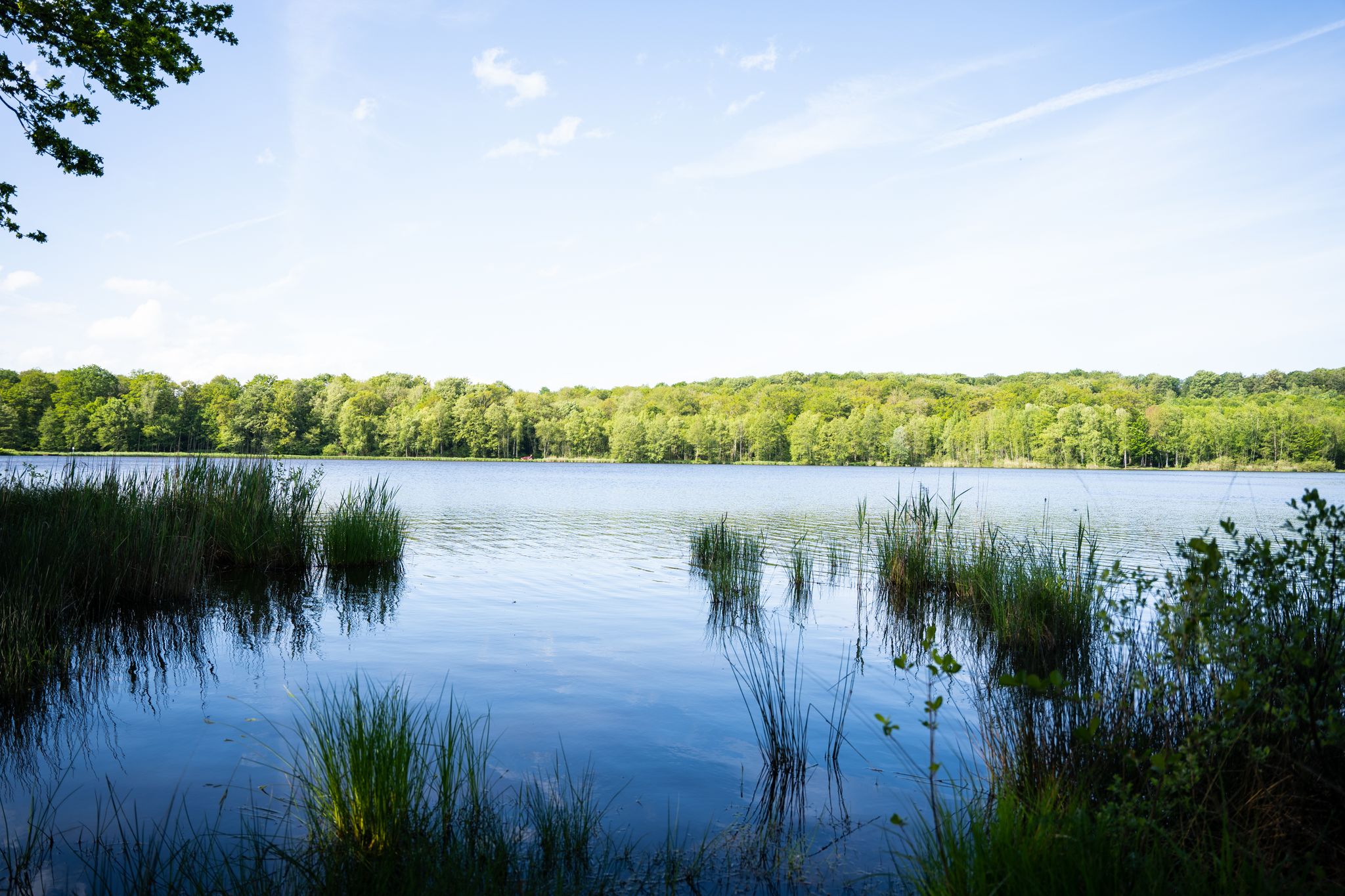
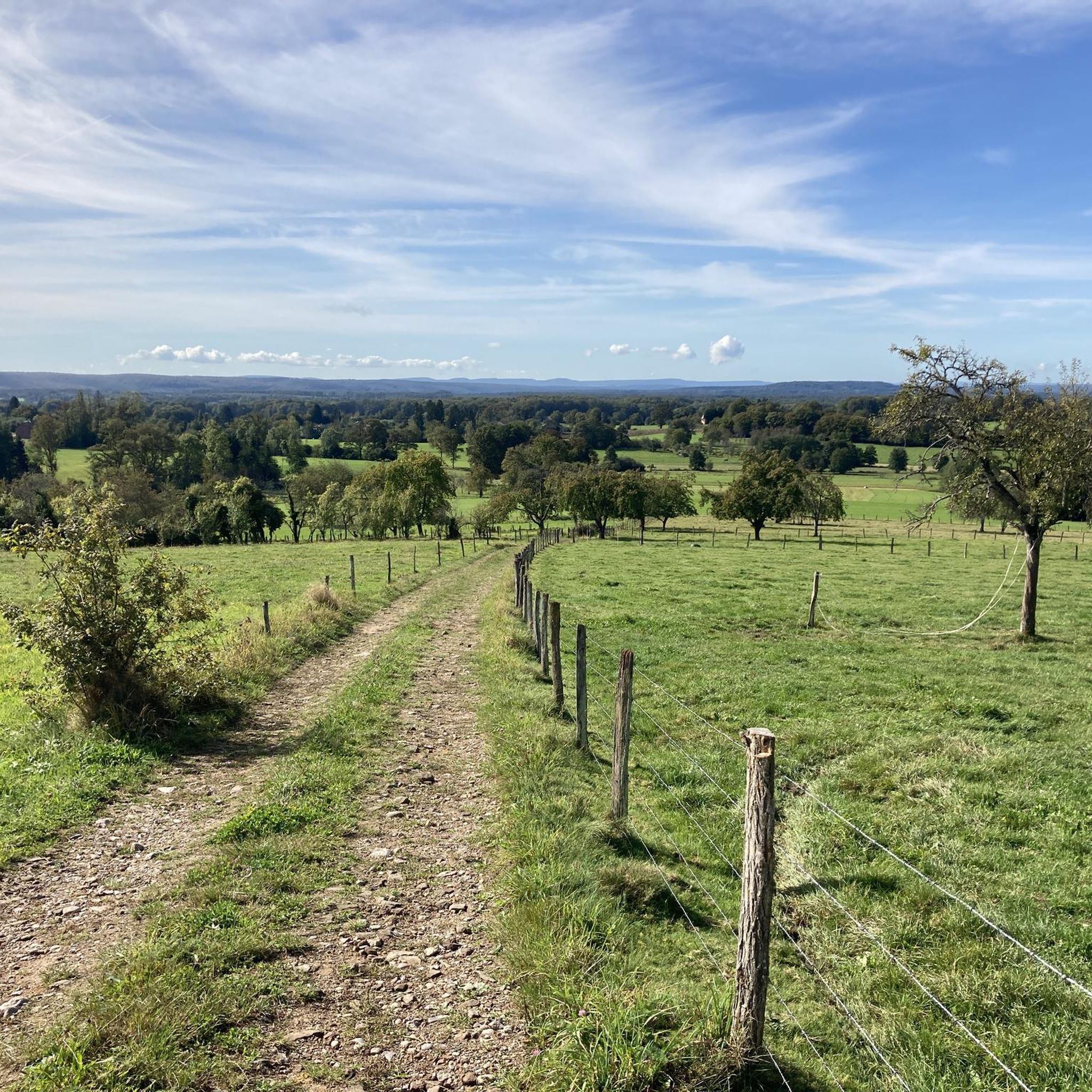
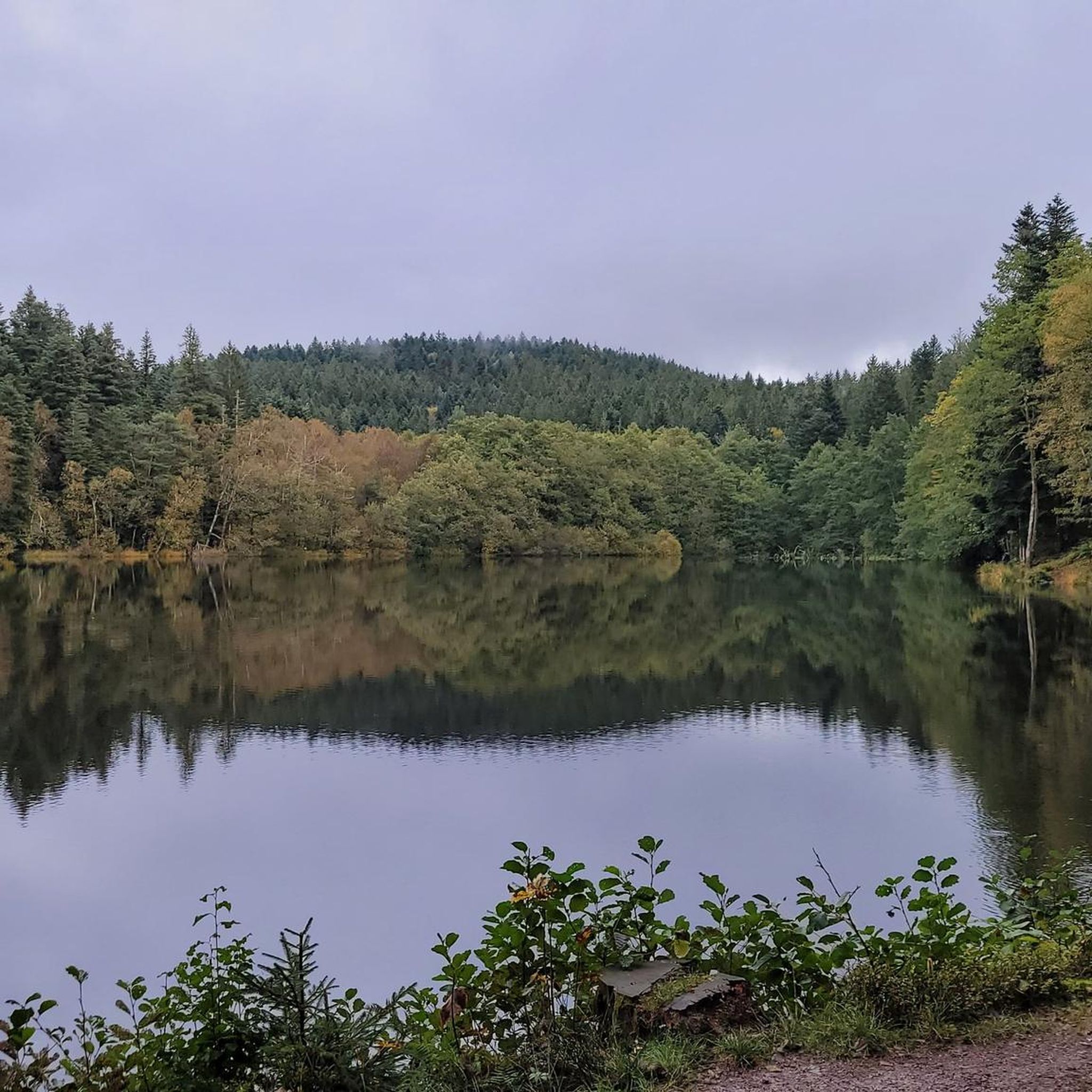
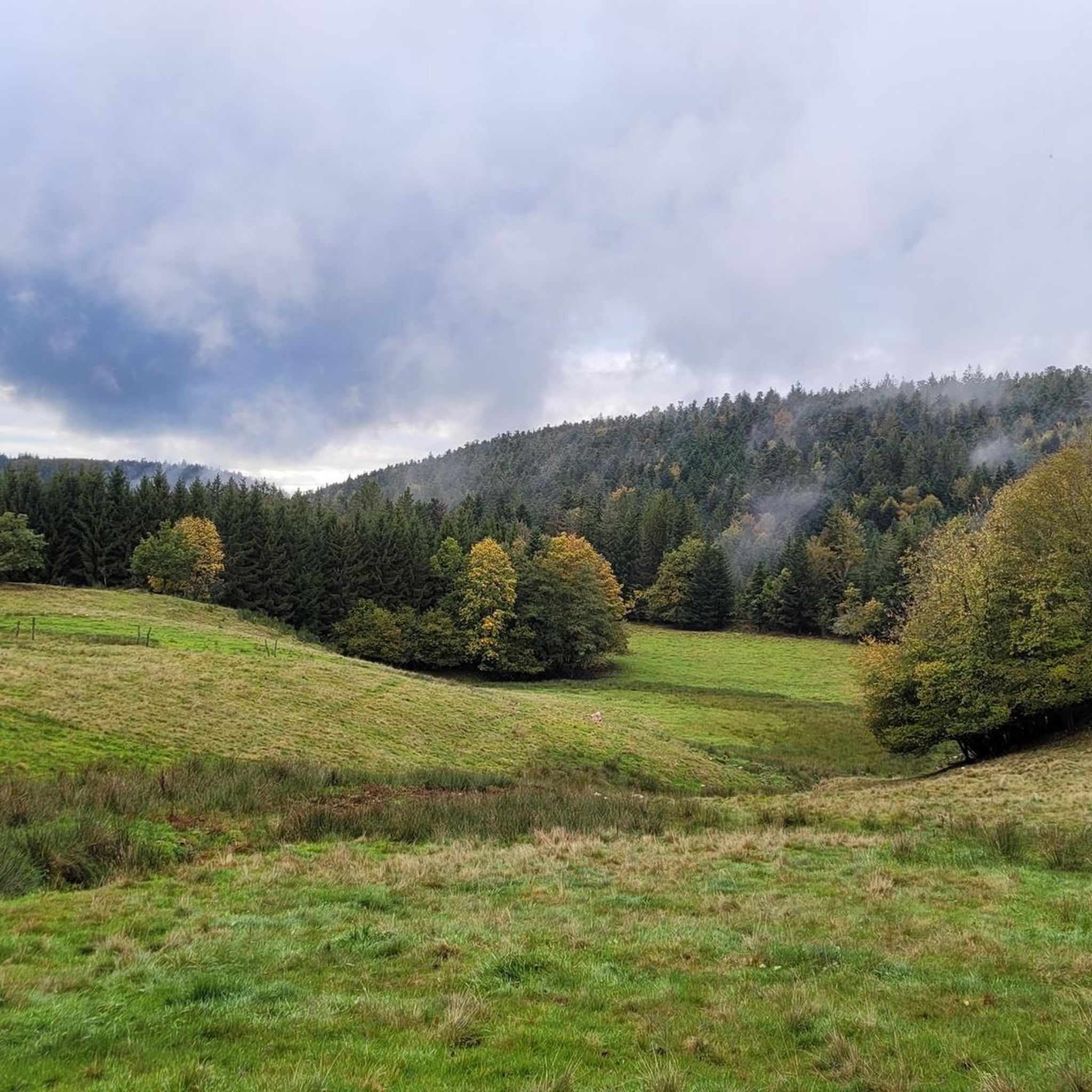

Other adventures around Fougerolles

Tips from the Community

The Abbey of Saint-Colomban was looted and destroyed in the 8th century, then rebuilt in the 11th century. Secularized during the French Revolution, it was transformed into a minor seminary, then a Catholic college. When the diocese was no longer able to bear the maintenance costs of this immense complex, it was sold in 2024 by the diocese of Besançon to Pascale and Jean-Yves Parisot. Since then, the abbey has been undergoing a complete renovation for over ten million euros.
1
0
It is here that the Romans built the first thermal establishments. The small town therefore prides itself on being the oldest spa town in France. The current thermal establishment only saw the light of day in the 18th century; it was built from red sandstone from the Vosges. Its architect was Nicolas Didelot, a student of Claude-Nicolas Ledoux, the creator of the Saline Royale d'Arc-et-Senans.
1
0

Easy access with nearby parking and a picnic table. There's an information panel. The waterfall itself isn't particularly impressive, but the site offers marked hiking trails along the stream (very pretty with its rocks forming small waterfalls), for example. Note that in wet and rainy weather, the surrounding area can be slippery (moss, grass, leaves, and rocks). So keep a close eye on children!
0
0

A very impressive monastery complex.
3
6

The organ, originally dating from 1617, is worth seeing. The body is carved from wood.
2
0
The thermal baths are definitely worth a visit. Beautiful grounds all around.
2
0

The closer you get to the actual source, the stronger the blue color of the crystal clear water becomes!
7
0
The modern extension at the back is now a bit old and does not contribute to the beautification of the historic part of the building. More than a dozen warm springs (43-63 °C) already invited the Romans to bathe. The oldest thermal bath in France was built here in the 18th century. The historic thermal building, which has now been modernly furnished, is located in a park in the north of the city. (Wikipedia)
7
0
Frequently Asked Questions
What natural features can I explore around Fougerolles?
Fougerolles is rich in natural beauty. You can visit the stunning Géhard Waterfall, a charming cascade easily accessible from Combeauté. Another must-see is Planey Spring, known for its crystal-clear, turquoise water that maintains a consistent 11°C. The region also features other waterfalls like Cascade Faymont, numerous pure springs, and vast cherry orchards, especially beautiful during the spring blossom season.
Are there any historical or cultural sites to visit in Fougerolles?
Absolutely. Fougerolles boasts a rich cultural heritage. Explore the Saint-Amé-et-Saint-Blaise Church, rebuilt in the 19th century with support from Emperor Napoleon III. The Saint Columban Abbey, though now privately owned, has a long history dating back to the 11th century. Don't miss the Écomusée du Pays de la Cerise, which delves into the area's cherry cultivation and Kirsch production history, or visit local distilleries like Distillerie Paul Devoille to learn about the traditional craft of Kirsch.
What outdoor activities are popular near Fougerolles?
The area around Fougerolles is perfect for outdoor enthusiasts. You can enjoy hiking through magnificent beech forests and green countryside. There are also numerous trails for mountain biking and cycling. For specific routes, check out the guides for Hiking around Fougerolles, Cycling around Fougerolles, and Running Trails around Fougerolles.
What is the best time of year to visit Fougerolles?
The best time to visit Fougerolles depends on your interests. For a breathtaking spectacle, come in early spring (typically between the first and third week of April) when the cherry orchards transform into a 'white tide of petals' during the cherry blossom season. Summer months (July, August, and September) offer guided tours at the Parc Animalier and are ideal for hiking and exploring the forests.
Are there family-friendly attractions in Fougerolles?
Yes, Fougerolles offers several family-friendly options. The Géhard Waterfall and Planey Spring are both easily accessible natural sites that children often enjoy. The Parc Animalier de Fougerolles-Saint-Valbert allows families to observe deer, ibex, and fallow deer, with guided tours available in summer. The Écomusée du Pays de la Cerise also provides an engaging look into local history and traditions.
Where can I learn about the local cherry and Kirsch production?
To dive into the heart of Fougerolles' cherry and Kirsch heritage, visit the Écomusée du Pays de la Cerise. Housed in a former distillery, it showcases the history of cherry cultivation and alcohol production. You can also explore various local distilleries, such as Distillerie Paul Devoille or Distillerie Lemercier Freres, for tastings and to see the traditional craft firsthand.
What kind of hiking trails can I find around Fougerolles?
Fougerolles is surrounded by forests and rolling countryside, offering a variety of hiking trails. You'll find marked trails like 'Les Crêtes' which provide panoramic views over the Breuchin Valley. Trails range from easy walks to more challenging routes with steep climbs, such as those found on the 'red stones' circuit in the Ramouse area. For detailed options, refer to the Hiking around Fougerolles guide.
What are some unique architectural features in Fougerolles?
Fougerolles is characterized by its traditional local architecture. You'll notice traditional farms, bourgeois houses, and numerous fountains and washhouses, such as the remarkable one near the church in Saint-Valbert. Many structures are built with local variegated sandstone, and roofs are often covered with 'laves,' which are flat sandstone tiles. Keep an eye out for traditional 'chalots,' which are grain drying sheds, part of the Route des Chalots.
Are there any viewpoints offering panoramic views of the region?
Yes, Fougerolles is situated on a plateau overlooking the Breuchin valley, providing breathtaking panoramic views of the surrounding hills. Marked trails like 'Les Crêtes' are known for offering excellent vantage points. You can also find scenic spots along various cycling and hiking routes in the area.
What do visitors enjoy most about the natural attractions in Fougerolles?
Visitors particularly appreciate the serene beauty and accessibility of natural sites. For instance, the Géhard Waterfall is often described as a 'beautiful little waterfall in a beautiful landscape' and 'very pretty, easily accessible.' The Planey Spring captivates with its 'crystal clear, turquoise water' and the mystery of its consistent temperature, with many noting how the blue color intensifies closer to the source.
Can I observe wildlife in Fougerolles?
Yes, the Parc Animalier de Fougerolles-Saint-Valbert offers a great opportunity to observe local wildlife. You can see deer, ibex, and fallow deer in their natural habitat. The park is freely accessible from outside the enclosure year-round, and paid guided tours are available inside during the summer months (July, August, and September).
Are there any unique geological formations or stones to see?
For those interested in unique geological features, Fougerolles has the 'Pierre des Gaulois' and 'Pierre du Sacrifice.' These curious stones include a large sandstone block with deep cupules and a vaguely anthropomorphic overturned menhir, offering interesting points of discovery within the natural landscape. The 'red stones' circuit in the Ramouse area is also a notable pedestrian route.
Most popular routes around Fougerolles
Most popular attractions around Fougerolles

Get inspired with the komoot mobile app


Explore more
Still not found the Highlight you’re looking for? See guides of the top attractions in other regions:
