Attractions and Places To See around Carcagny - Top 20
Attractions and places to see around Carcagny include a range of historical, cultural, and natural sites, primarily located in the nearby town of Bayeux and along the Normandy coast. The area is characterized by its historical significance, particularly relating to the Norman Conquest and World War II. Visitors can explore well-preserved medieval architecture, significant religious buildings, and various museums. The surrounding landscape offers opportunities to discover historical landmarks and natural features.
Best attractions and places to see around Carcagny
- The…
Last updated: July 7, 2026
Historic Center of Bayeux
Highlight • Historical Site
Translated by Google •
Tip by

Notre-Dame Cathedral
Highlight • Religious Site
Translated by Google •
Tip by

Sign up now to discover places like this
Get recommendations on the best single tracks, peaks, & plenty of other exciting outdoor places.
Sign up for free
Bazenville British War Cemetery
Highlight • Historical Site
Translated by Google •
Tip by

Town Hall
Highlight • Settlement
Translated by Google •
Tip by

Coisel Mill
Highlight • Other
Translated by Google •
Tip by
Sign up for free to discover even more attractions around Carcagny.
Sign up for free
Already have an account?
Start today with a free account
Your next adventure awaits.
Login or Signup

Tips from the Community

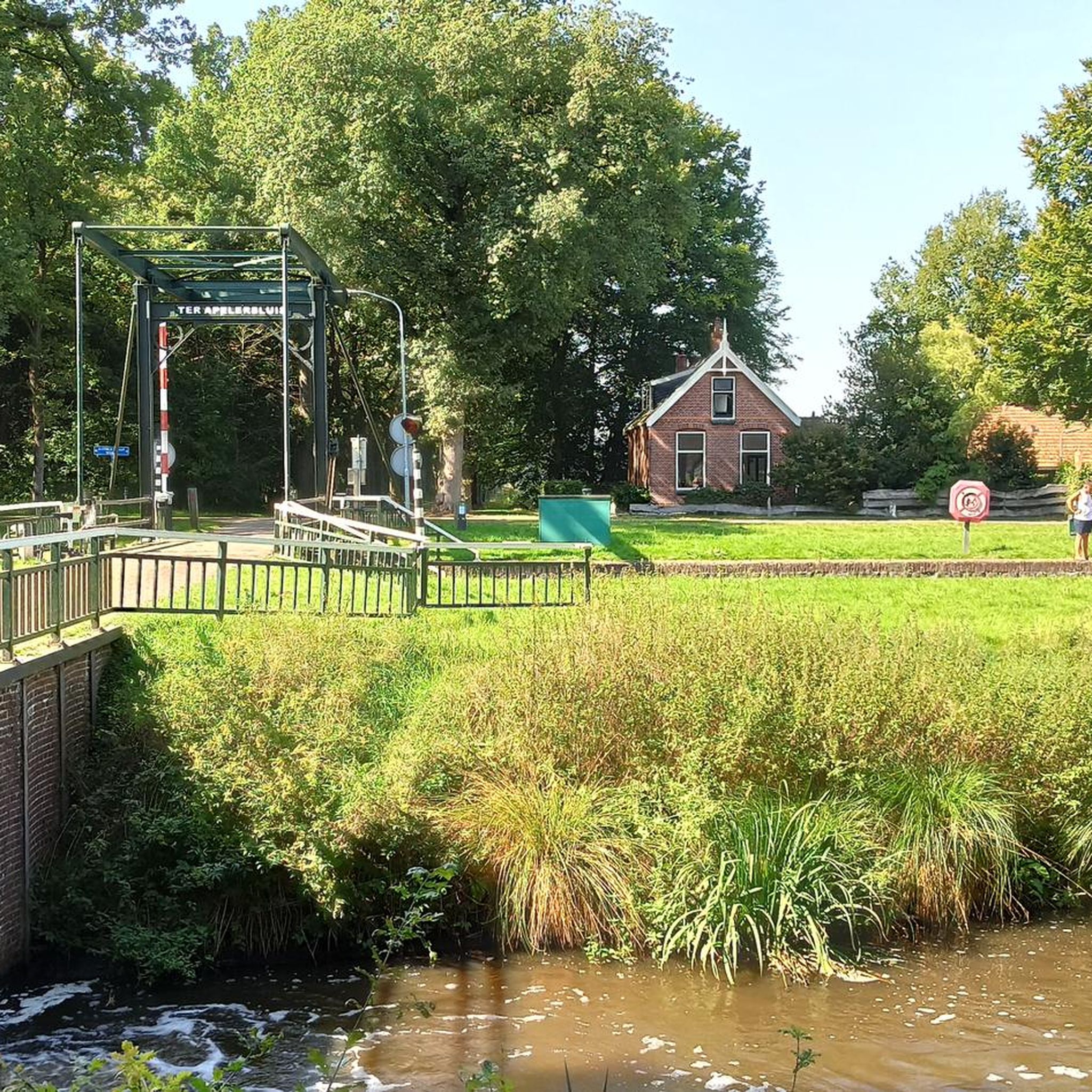
Nowadays, very few mills are still in operation in their original function, but they appear to hikers and cyclists along the river as technical and historical monuments of an ancient craft tradition: solely through human ingenuity and the natural power of flowing water as driving energy, the heavy millstones inside were moved and thus, for example, grain kernels could be ground into flour (so-called grain mills) or oil could be pressed from fruits (e.g. olives) (so-called oil mills).
1
0

Quiet country roads lead to this small cemetery for approximately 630 British soldiers who died in WWII.
0
0

Notre-Dame de Bayeux Cathedral An imposing Gothic cathedral, consecrated in 1077. William the Conqueror is said to have been present here.
4
0


As a memorial to the countless war dead, such a "Cimetiere militaire" - in German they are usually referred to as "war graves" or "soldiers' cemetery" - is still very important today. "Now, Lord, you let your servant depart in peace, as you have said..." it says in the so-called "Hymn of Simeon" (Luke's Gospel, Chapter 2, Verse 29). However, the many people buried here did not depart in peace, but became victims of war and an inhuman tyranny. The most important and at the same time everlasting function of soldiers' cemeteries or cemeteries of honor or war graves is therefore to keep the memory of this suffering alive and to remind each generation anew (!) of the need to maintain lasting peace.
0
1

Lovely town, if you have time go to the tapestry
2
0

Bayeux is a charming city in the Normandy region. It is located on the Aure River, about 20 km northwest of Caen. Bayeux is best known for the Bayeux Tapestry, an impressive medieval embroidery depicting the Norman invasion of England in 1066. The city has a rich history dating back to Gallo-Roman times. Bayeux was an important city in the Roman Empire and later became a bishopric in the 4th century. The city also has many historic buildings and monuments, including Bayeux Cathedral, a beautiful example of Gothic architecture.
5
0
Frequently Asked Questions
What historical sites can I visit near Carcagny?
The area around Carcagny is rich in history. You can explore the well-preserved Historic Center of Bayeux, which was the first town liberated without destruction during WWII. Don't miss the impressive Notre-Dame Cathedral in Bayeux, consecrated in 1077. For WWII history, visit the Bazenville British War Cemetery, established just after the Gold Beach landings, or the Longues-sur-Mer battery.
Are there any museums worth visiting near Carcagny?
Absolutely. The most famous is the Bayeux Tapestry Museum, home to the world-renowned Bayeux Tapestry depicting the 1066 Norman Conquest. Other significant museums include the D-Day Museum in Arromanches-les-Bains, the Museum of the Battle of Normandy in Bayeux, and the comprehensive Caen Memorial Museum.
What are some family-friendly attractions around Carcagny?
Many historical sites are suitable for families, such as exploring the Historic Center of Bayeux and its Notre-Dame Cathedral. The Arromanches 360° Circular Cinema offers an immersive experience of the Battle of Normandy that can engage older children. The D-Day Landing Beaches also provide a powerful educational experience for families.
What outdoor activities can I do near Carcagny?
You can enjoy various outdoor activities, especially cycling and hiking. For cycling, consider routes like the 'Historic Center of Bayeux – Notre-Dame Cathedral loop from Martragny' or the 'Arromanches-les-Bains – Landing Beaches 06/06 loop from Nonant'. Find more options on the Cycling around Carcagny guide. Hikers can explore trails such as 'From the Thue valleys to Manneville — loop from Cully' or 'L'Aure – Rue Saint-Jean loop from Bayeux'. Discover more hiking routes on the Hiking around Carcagny guide.
Are there any natural features or gardens to visit?
Yes, you can visit the beautiful Jardins du château de Brécy, located about 6 km from Carcagny. The Forêt de Cerisy, approximately 20 km away, offers opportunities for nature exploration. Additionally, the Public Garden of Bayeux provides a pleasant green space within the town.
Where can I see D-Day related sites near Carcagny?
The region is central to D-Day history. You can visit the famous Normandy Landing Beaches, such as Gold Beach. The D-Day Museum in Arromanches-les-Bains focuses on the artificial Mulberry Harbour, and the Longues-sur-Mer battery is a significant historic German artillery site. The Bazenville British War Cemetery is another poignant site.
What is the Town Hall in Bayeux known for?
The Bayeux Town Hall, also known as the Bayeux Episcopal Palace, was formerly the residence of the bishops of Bayeux before 1793. It now houses the Town Hall and the Baron-Gérard Museum. It's an important historical building located north of the cathedral.
Can I find any unique or lesser-known attractions?
Beyond the major sites, you might enjoy the Coisel Mill, a beautiful old water mill that offers a glimpse into historical craftsmanship and the use of natural power. It's a peaceful spot along the river.
What do visitors enjoy most about the attractions around Carcagny?
Visitors particularly appreciate the well-preserved medieval cityscape of Bayeux, with its historic buildings and the stunning Notre-Dame Cathedral. The profound historical significance of the D-Day sites and the Bayeux Tapestry also leave a lasting impression. Many find the area's blend of history, culture, and natural beauty very appealing.
Are there any castles or châteaux to visit?
Yes, the medieval Château de Creully is a prominent local highlight, located about 8 km from Carcagny. It offers a glimpse into the region's rich architectural heritage.
What kind of cycling routes are available for road bikes?
Road cyclists can find several routes, including longer tours like the 'Brécy Castle Gardens – Longues-sur-Mer Battery loop from Audrieu' or the 'Omaha Beach Memorial – Rade de Port-en-Bessin loop from Audrieu'. These routes often combine scenic landscapes with historical points of interest. More options are available on the Road Cycling Routes around Carcagny guide.
Most popular routes around Carcagny

Get inspired with the komoot mobile app


Explore more
Still not found the Highlight you’re looking for? See guides of the top attractions in other regions:
