Attractions and Places To See around Vannes-Sur-Cosson - Top 16
Best attractions and places to see around Vannes-Sur-Cosson include a blend of historical architecture and natural landscapes in the Loiret department of France. The village is known for its traditional Solognote houses, featuring 17th to 19th-century brick and half-timbered styles. The area is characterized by the Cosson river, numerous ponds, and extensive greenery, offering opportunities for outdoor exploration. Vannes-Sur-Cosson is recognized as a "Village de caractère du Loiret," highlighting its preserved heritage.
Best attractions and places to see around Vannes-Sur-Cosson
…Last updated: May 4, 2026
Basilica of Saint Benedict at Fleury
Highlight • Other
Translated by Google •
Tip by

Archaeological Site of Vienne-en-Val
Highlight • Historical Site
Translated by Google •
Tip by

Sign up now to discover places like this
Get recommendations on the best single tracks, peaks, & plenty of other exciting outdoor places.
Sign up for free
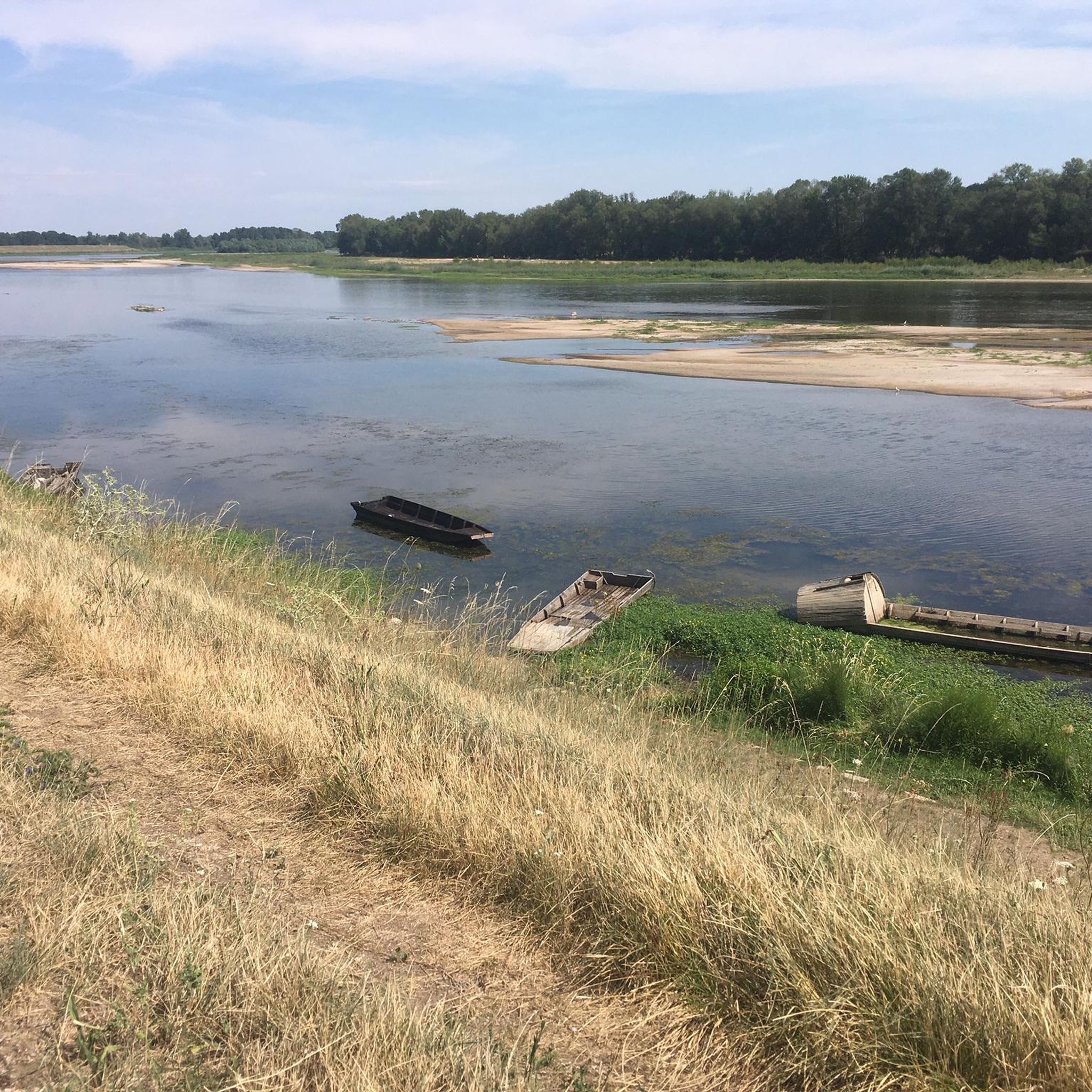
Beautiful barge on the Loire
Highlight • Monument
Translated by Google •
Tip by
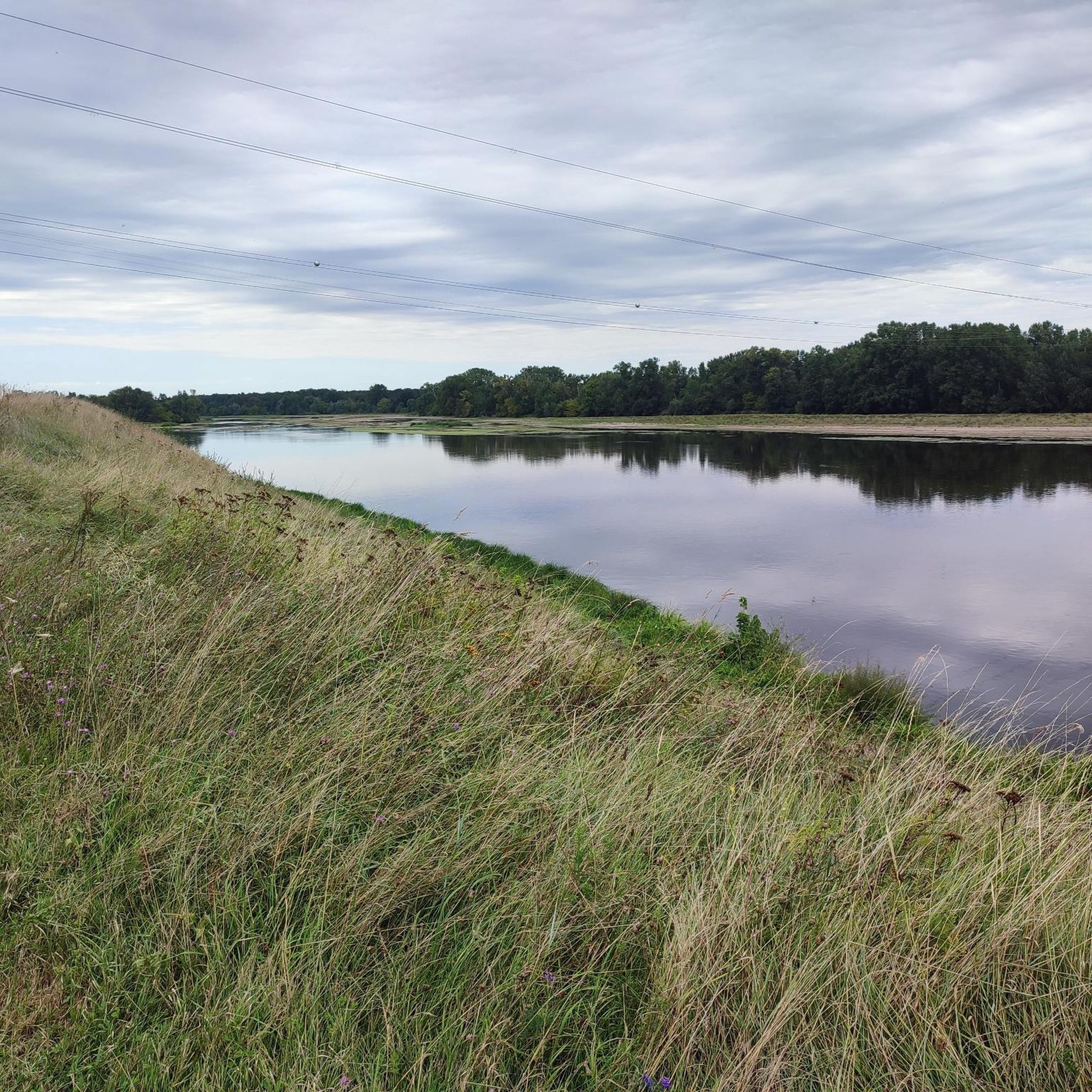
Route along the Loire
Highlight • Other
Translated by Google •
Tip by

Sologne Resistance Memorial
Highlight • Other
Translated by Google •
Tip by
Sign up for free to discover even more attractions around Vannes-Sur-Cosson.
Sign up for free
Already have an account?
Start today with a free account
Your next adventure awaits.
Login or Signup


Tips from the Community

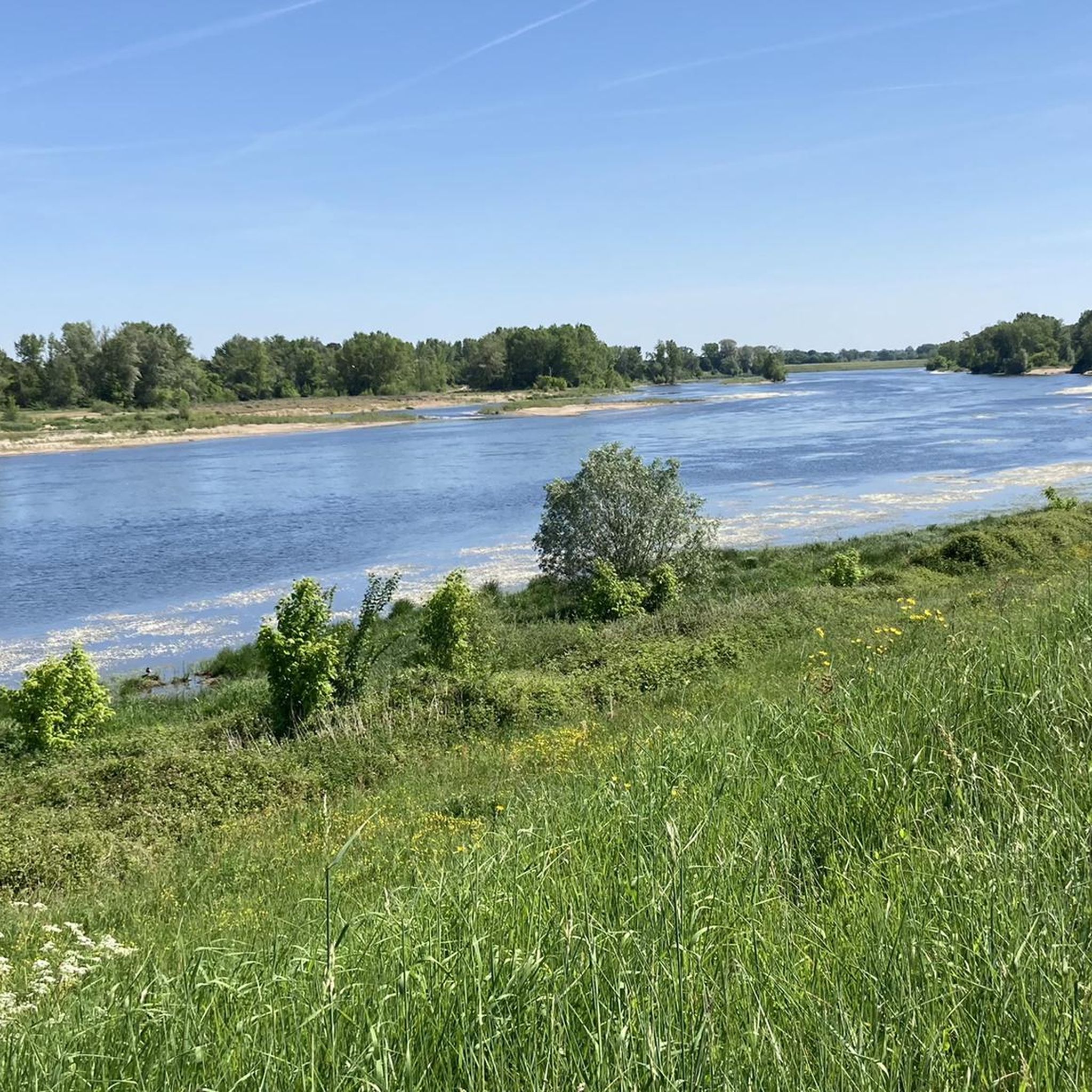
Beautiful trail on the Levée, which offers a superb view of the Loire.
0
0

Nestled in a meander of the Loire, the town of Saint-Benoît-sur-Loire is home to one of the most beautiful jewels of Romanesque architecture: an 11th and 12th century basilica including the porch tower, decorated with twelve historic capitals. , the monumental portal and the nave constitute the most remarkable elements. Founded around 650 on the grounds of an ancient Gallo-Roman villa, Fleury Abbey has housed the relics of Saint Benedict, founder of Western monasticism and patron saint of Europe, since 672. During the 8th century, the patronage of the Prince of the Apostles was abandoned for that of Saint Benedict. This event is at the origin of the rapid expansion, prosperity and influence of the abbey which became Saint-Benoît de Fleury, while the village later became that of Saint-Benoît-sur-Loire. In the 9th century, after the ordeal of the Norman invasions which pillaged and destroyed the monastery, Fleury Abbey flourished again. The 10th and 11th centuries were the great era of Fleury's spiritual, intellectual and artistic influence. The construction of Fleury was probably completed in 1218. A few centuries later, the Hundred Years' War and the Wars of Religion ruined the monastery and disrupted regular life, the community's numbers collapsed. The French Revolution will end up dispersing the community of Fleury Abbey. But in 1944, a community of around forty monks resettled in the area and undertook the reconstruction of the monastery. A community of thirty-three monks lives there today under the direction of Father Abbot Etienne Ricaud. In 1947, the fourteenth centenary of the death of Saint Benedict led the abbey to be elevated to the status of a basilica. The visitor is invited to admire the fabulous historic capitals present in the porch tower, the nave and the choir; the magnificent paving which extends around the altar as well as the crypt where the relics of the patron saint rest. Not to be missed is the north portal and its monumental lintel carved in high relief.
1
0

We already find traces of a monastery in Fleury in the year 620. In 660, relics of Saint-Benoît were brought there and the abbey became Saint-Benoît de Fleury. Around the year 1000, the abbey experienced a golden age and the construction of the current basilica was launched. It will be consecrated in 1218. From the 16th to the 18th century, wars and the Revolution damaged the monastery. However, a community of 24 monks still lives there today.
0
0
At this location, during sanitation work in 1968, a certain number of ancient and medieval remains were unearthed, witnesses to the occupation of this site since Antiquity. Vienne-en-Val is also located on the Roman road from Orléans to Sancerre. The presence of two churches, one Merovingian and one dating from the 10th century, was revealed by surveys. The remains found, in particular sculpted blocks reused in these later constructions, attest that a sanctuary from the Early Roman Empire existed in the area but its location has not yet been discovered. You can discover these ancient blocks nearby, in a community hall which serves as a lapidary museum.
0
0
A granite monument displaying a cross of Lorraine faces the entrance to the Château du Cerf-Bois here and recalls one of the greatest tragedies in the history of the Sologne resistance. It was erected in memory of 12 Parisian students shot by the Nazis on June 10, 1944 in the clearing that you can reach by following the path in front of you. Another monument was erected in this clearing, accompanying the steles in memory of each of the young men. These young Parisian students were part of a large wave of departures for the maquis following the call of June 6, 1944 by Marshal de Gaulle. On June 9, they reached their first stop towards the Corrèze maquis: the Château de Cerf-Bois, where Madame de Labeau welcomed them. Another group of students was welcomed the same evening at the By farm, about fifteen kilometers away. However, this information having been obtained by the Gestapo, they were apprehended on June 10 at 5 a.m., searched, questioned then shot, apart from a traitor hidden among them and affiliated with the Paris Gestapo. He indicated to the Germans that the sketch found on one of the students corresponded to three resistance gathering places, including the Château de Cerf-Bois. A raid was immediately organized at the castle and the 12 young men who were there were executed. As for the third place indicated on the sketch, the Château des Grand-Bois, 14 students and the owner of the premises were also found and deported to Dachau, where eight died.
0
0

Fleury Abbey, whose foundation dates back to the seventh century, still hosts 25 monks today. Its basilica (Saint-Benoît) can be visited outside the services. The monastery also welcomes pilgrims in search of silence, seeking to return to the presence of God.
2
0

The monastery is located in the village of Saint-Benoît-sur-Loire near Sully-sur-Loire on the Loire in France. It was particularly famous in the Middle Ages for its monastic school founded by Saint Odo. Odo was abbot of Fleury Monastery from 930 to 942 and made it one of the most important centers of the Cluniac movement. In 1798 the monastery school was closed again (Wikipedia).
0
0

The Abbey of Saint-Benoît was built in the 11th century and still houses a community of monks. The Saint-Benoît basilica can be visited outside of services.
0
0
Frequently Asked Questions
What historical sites can I explore in Vannes-sur-Cosson?
Vannes-sur-Cosson is rich in history. You can discover the 16th-century Église Saint-Martin with its unique 'caquetoire' ante-porch, traditional Solognote houses from the 17th to 19th centuries, and the former Old Railway Station. Don't miss the 19th-century Lavoir and various historic farms like Petit-Voisin and Ramelière. Legend also points to a house where Jeanne d'Arc is said to have stayed.
What natural features and outdoor activities are available in the area?
The village is the source of the River Cosson, fed by numerous ponds and springs, including the Saint-Martin fountain. Explore Bois Boulette for Solognote flora and fauna, or follow the long-distance Chemin des Sables. The area offers extensive greenery for walks, including trails leading to the impressive 400-year-old Chêne Caillat. For more active pursuits, you can find various hiking, gravel biking, and running routes nearby.
Are there any family-friendly attractions or activities around Vannes-sur-Cosson?
Yes, families can enjoy the natural beauty and historical sites. The Basilica of Saint Benedict at Fleury (Basilica of Saint Benedict at Fleury) is listed as family-friendly. The extensive hiking and cycling trails are suitable for family outings, and the Étang du Puits, slightly outside the village, offers a leisure base with swimming and waterskiing opportunities.
What kind of architecture is characteristic of Vannes-sur-Cosson?
Vannes-sur-Cosson is renowned for its traditional Solognote architecture. You'll see well-preserved houses built with a mix of brick and half-timbering, reflecting 17th to 19th-century styles. Notable examples include the Auberge de la Croix-Rouge and the Auberge de la Croix-Blanche, as well as the distinctive Église Saint-Martin with its enclosed ante-porch, known as a 'caquetoire'.
Where can I find scenic views or viewpoints near Vannes-sur-Cosson?
For scenic views, head to the Route along the Loire (Route along the Loire), which offers excellent wind protection and superb perspectives of the river. Another popular spot is the viewpoint over the Loire where you can often see a Beautiful barge on the Loire (Beautiful barge on the Loire), maintaining a natural and wild character.
Are there any long-distance walking or cycling routes that pass through Vannes-sur-Cosson?
Yes, the Chemin des Sables, a long-distance hiking trail connecting Gien to Chambord, passes directly through Vannes-sur-Cosson. Additionally, the area offers numerous marked trails for both hiking and cycling, allowing for extensive exploration of the Sologne region's natural beauty.
What is the significance of the River Cosson in Vannes-sur-Cosson?
The River Cosson originates in Vannes-sur-Cosson itself, fed by numerous ponds, fountains, and springs. The village's name, derived from the Gaulish 'venna,' suggests a historical connection to fishing. The river and its associated waterways are central to the region's natural environment and provide a serene backdrop for outdoor activities.
What are some unique or 'hidden gem' attractions in Vannes-sur-Cosson?
Beyond the main sights, look for the 19th-century Lavoir (washhouse) tucked away down a small alley, and the Saint-Martin fountain, believed to have curative properties. The impressive 400-year-old Chêne Caillat (Caillat Oak) is another natural hidden gem accessible via local hiking trails.
What do visitors enjoy most about the attractions around Vannes-sur-Cosson?
Visitors particularly appreciate the blend of historical architecture and serene natural landscapes. The Basilica of Saint Benedict at Fleury is valued for its historical depth and spiritual atmosphere. The trails along the Loire, such as the Route along the Loire, are praised for their scenic views and peaceful environment. The preserved, wild character of the Loire's edges, like the spot with the Beautiful barge on the Loire, also receives high acclaim.
Are there any archaeological sites near Vannes-sur-Cosson?
Yes, the Archaeological Site of Vienne-en-Val (Archaeological Site of Vienne-en-Val) is a significant nearby location. During sanitation work in 1968, ancient and medieval remains were unearthed, indicating continuous occupation since Antiquity. The site is also on the Roman road from Orléans to Sancerre, and a lapidary museum displays some of the ancient blocks found.
What is the best time of year to visit Vannes-sur-Cosson for outdoor activities?
The spring and autumn months generally offer pleasant weather for exploring Vannes-sur-Cosson's outdoor attractions and trails. The natural environment, with its rivers, ponds, and forests, is particularly beautiful during these seasons, making it ideal for hiking, cycling, and nature viewing.
Can I find any museums or cultural sites in the broader region around Vannes-sur-Cosson?
Absolutely. In the vicinity, you can visit the impressive Château de Sully-sur-Loire, a prominent historical landmark. For insights into traditional rural life, the Musée de l'artisanat rural ancien (Museum of Old Rural Crafts) in Tigy is a great option.
Most popular routes around Vannes-Sur-Cosson

Get inspired with the komoot mobile app


Explore more
Still not found the Highlight you’re looking for? See guides of the top attractions in other regions:
