The best road cycling routes around Le Chillou
5.0
(1)
270
riders
78
rides
Road cycling around Le Chillou, located in the Deux-Sèvres department of Nouvelle-Aquitaine, offers diverse landscapes for cyclists. The region features well-paved surfaces and manageable elevation gains across its terrain, with an average altitude of approximately 150 meters. Cyclists can explore river valleys, including the Thouet, Sèvre Nantaise, and Sèvre Niortaise, alongside areas of farmland, vineyards, and forests. The nearby Marais Poitevin also contributes to the varied scenery.
Best road cycling routes around Le Chillou
- The most popular road cycling route…
Last updated: November 1, 2026
11
riders
Moderate road ride. Good fitness required. Mostly well-paved surfaces and easy to ride.
5
riders
53.3km
02:14
310m
310m
Moderate road ride. Good fitness required. Mostly well-paved surfaces and easy to ride.

5
riders
32.6km
01:24
240m
240m
Easy road ride. Mostly well-paved surfaces and easy to ride.
2
riders
82.9km
03:42
530m
530m
Moderate road ride. Good fitness required. Some segments of this route may be unpaved and difficult to ride.
6
riders
29.2km
01:53
290m
290m
Moderate road ride. Some segments of this route may be unpaved and difficult to ride.
Get access to more routes and recommendations from other explorers.
Already have an account?
Our route recommendations are based on thousands of hikes, rides, and runs completed by other people on komoot.
Start today with a free account
Your next adventure awaits.
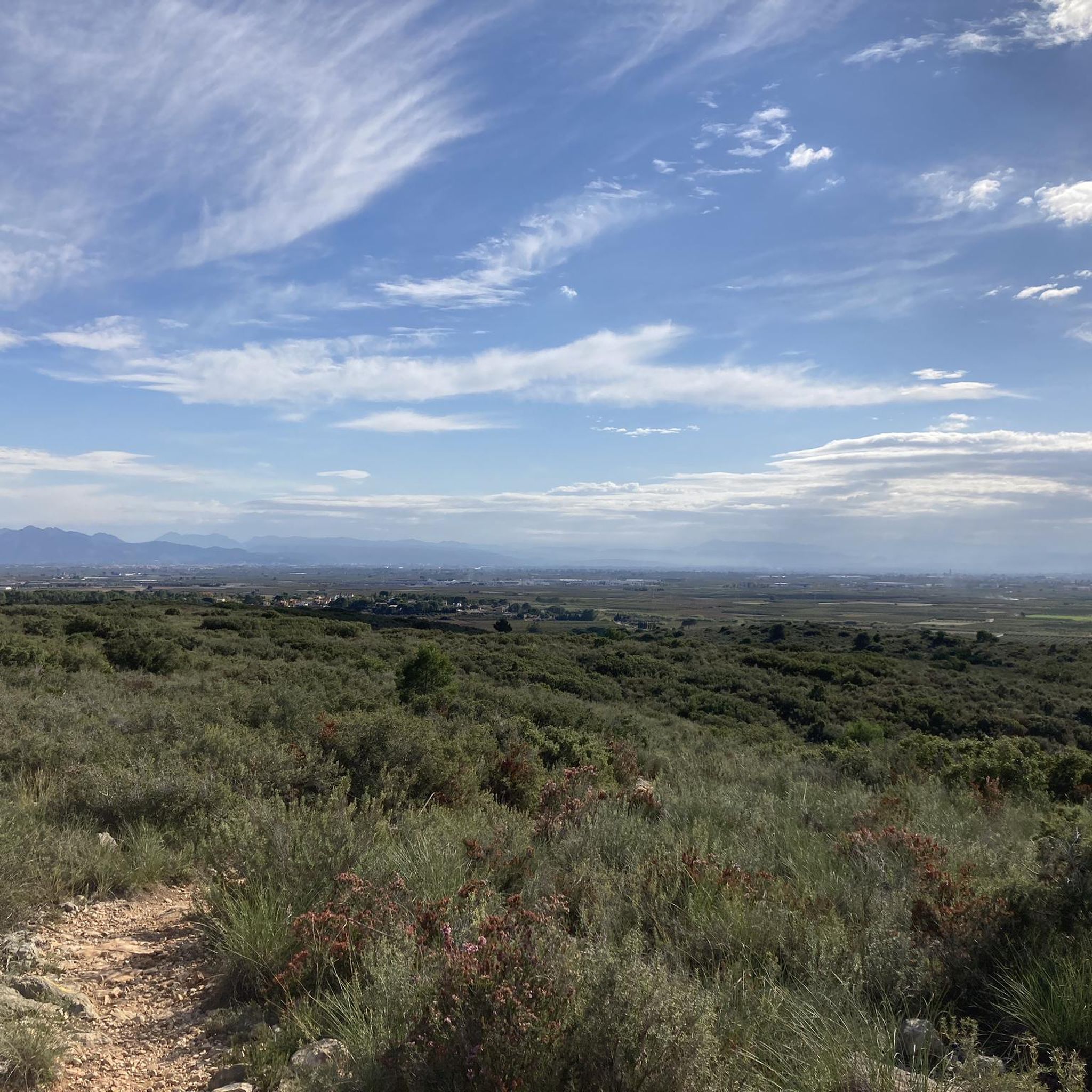
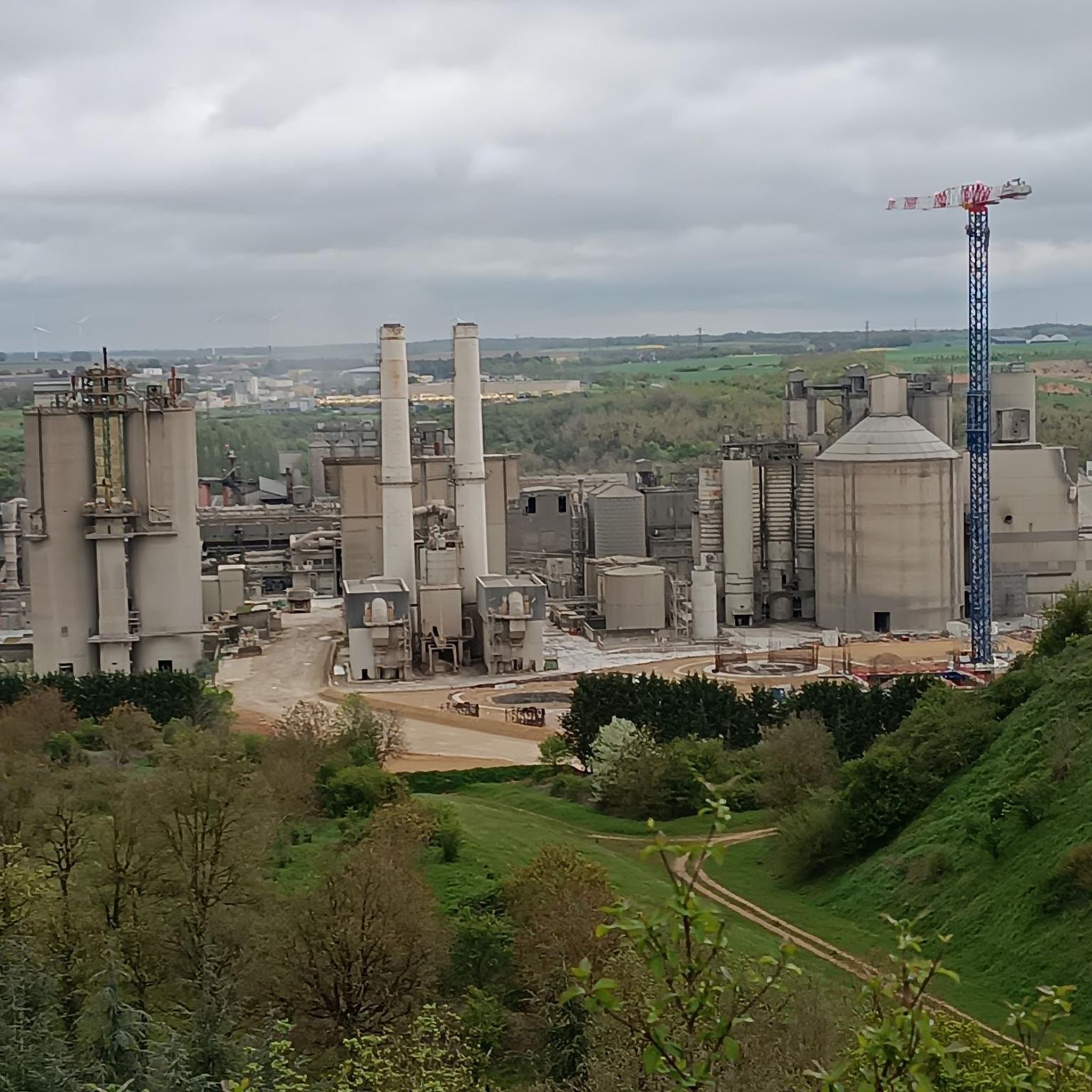


Tips from the Community

A church dedicated to Saint Peter is documented in the 9th century in the village. A Romanesque church was then built in the 11th century on the site of the current Saint-Honoré church, but with a different orientation. Initially dedicated to Saint Mathias, it was renamed Saint Honoré in the 15th century, a martyr from the Thénezay area, and houses the relic of his skull. The church was remodeled several times, notably in 1685, 1753, and 1784. The church was closed from 1791 to 1802. Its poor condition forced its complete demolition at the end of the 19th century. It was rebuilt between 1901 and 1903 in the neo-Romanesque style with a tall bell tower, according to plans by the architect Girard de Niort. It was consecrated on October 17, 1903, by Bishop Pelgé. It has three naves lit by richly colored stained-glass windows. The choir stalls, dating from the 18th century, were purchased in 1825 by Abbot de la Roche, parish priest; they came from the deconsecrated Cistercian abbey of Pin de Béruges. They were replaced in the current church in 1903. Two years later, the church was confiscated by law from the diocese and became the property of the municipality, which is now responsible for its maintenance. The white marble high altar with columns, donated in 1903 by the Countess of Talhouët-Roy, was sold in the 1970s and replaced with a wooden table facing the people. The stained-glass windows in the choir come from the Touan house in Paris and depict medallions depicting the life of Jesus. In 2003, the main bell collapsed; A new bell was recast from the old one by the Bollée d'Orléans firm and financed by subscription. The Bishop of Poitiers blessed it on October 11, 2003. Today, the parish of Thénezay no longer exists, and its former territory is part of the parish group of Saint-Jacques-en-Gâtine (comprising about sixty bell towers). Sunday Mass is now celebrated only occasionally in this village of nearly 1,400 inhabitants. The church is open for weddings and funerals.
0
0
Well-lit by stained-glass windows by Lux Fournier, this neo-Romanesque church exudes a certain intimacy. There was a church in Amberre at the beginning of the 11th century; it disappeared, replaced in the 19th century by the current building. Well-lit by stained-glass windows by Lux Fournier, this neo-Romanesque church is very pleasant, even warm. The single nave, with its barrel vault and transverse arches, opens onto a five-sided apse, exuding a certain intimacy.
0
0

The contemporary art center of national interest, La Chapelle Jeanne d’Arc de Thouars, is today a leading venue for contemporary art in the western region. Along with the Château d’Oiron and the Syndicat Mixte de la Vallée du Thouet, which runs a program of public commissions for contemporary works, the art center's work is carried out in partnership across the entire territory of the Pays Thouarsais community of communes and, more broadly, in the northern part of the Nouvelle-Aquitaine region. Within the region, the art center is a recognized player in the Astre plastic and visual arts network. Developing an artistic project that takes into account its geographical location and its architectural envelope, a neo-Gothic chapel, the art center maintains a privileged relationship with the heritage of Thouars. Guest artists, hosted for residencies or exhibitions, appropriate the chapel space by creating an original work designed for the venue. They also bring their perspective to the city, urban planning, landscape, and rural areas of the Thouars region and the Thouet Valley. Since 1993, nearly a hundred artists have been invited for residencies or exhibition projects. In recent years, the art center has paid particular attention to emerging artists from art schools, particularly those from the regional Le Grand Huit network. In addition to its programming, the art center also engages in outreach activities in the form of off-site exhibitions, workshops, and events (meetings, lectures, and workshops). A mobile device, La Mar(g)elle, was created in 2015 by the artist Marie-Ange Guilleminot to offer interventions in partner locations, particularly within schools and structures in the social and medical sectors. For its educational action, the art center benefits from the action of the municipal art school of Thouars, to which it is connected within the visual arts department of the City of Thouars.
0
0

Dating from the 13th century, at the foot of the city ramparts, this bridge ultimately offers the best view of the Château de Thouars.
0
0

This bridge allows you to cross the Thouet and reach Saint Jacques De Thouars. The view there is magnificent! There is a good hill to climb after the bridge, be careful when choosing the pinion!
1
0

The Chouans bridge on the Thouet is a medieval bridge which crosses the Thouet river between Thouars and Saint-Jean-de-Thouars. The bridge was fortified in the 15th century and witnessed the passage of the Vendée army during the French Revolution. You can admire the architecture of the bridge which has two arches and triangular spouts on the piers. You can also enjoy the view of the river and the castle of the Dukes of La Trémoille on the hill. The bridge is classified as a historic monument and has been restored several times.
3
0

Don't believe them when they tell you they don't do food, just come back 10 minutes later and ask again. Great stop!
0
0
Frequently Asked Questions
What kind of terrain can I expect on road cycling routes around Le Chillou?
The region around Le Chillou offers diverse terrain for road cyclists. You'll find mostly well-paved surfaces with manageable elevation gains. The routes often traverse river valleys, including the Thouet, Sèvre Nantaise, and Sèvre Niortaise, alongside areas of farmland, vineyards, and forests, providing varied scenery throughout your ride.
Are there road cycling routes suitable for beginners or those looking for an easier ride?
Yes, Le Chillou offers a good selection of routes for various skill levels. Out of the 81 available road cycling routes, 26 are classified as easy, making them ideal for beginners or those seeking a more relaxed experience. These routes typically feature flatter profiles and shorter distances.
What are some of the most scenic natural features I can explore by road bike in the region?
The area is rich in natural beauty. You can cycle through the picturesque Thouet river valley, known for its medieval bridges and views. The unique Marais Poitevin, often called 'Green Venice,' offers tranquil waters and lush vegetation, with dedicated paths for cycling. Additionally, the region features beautiful riverbanks, wooded valleys, and diverse landscapes of farmland and forests.
Are there any notable landmarks or attractions along the road cycling routes near Le Chillou?
Yes, several interesting landmarks and attractions can be found. You might encounter historic towns like Parthenay, Moncontour, and Thouars with their castles and monuments. Specific points of interest include La Roche-Faton Castle, the historic town of Airvault, and the ancient Stone Ford of Rolland. The Ford of Saint-Loup-Lamairé is another notable spot.
What is the best time of year to go road cycling in Le Chillou?
The region is generally pleasant for cycling from spring through autumn. Spring brings blooming landscapes, while summer offers warm weather, though it can be quite hot. Autumn provides cooler temperatures and beautiful fall foliage. The commitment to quality roads makes it inviting for road bike enthusiasts for much of the year.
Are there any family-friendly road cycling options in Le Chillou?
While specific family-friendly road routes are not highlighted in the data, the presence of 26 easy routes suggests there are options suitable for families. The broader Deux-Sèvres department also features routes like the Vélo Francette, which passes through the Marais Poitevin on secure bike paths, designed for families and friends.
Can I find circular road cycling routes around Le Chillou?
Yes, many of the road cycling routes around Le Chillou are designed as loops. For example, the route Saint-Médard Church of Thouars – Pont des Chouans on the Thouet loop from Louin is a moderate 39.0-mile (62.7 km) circular trail. Another popular loop is Château de Saint-Loup – Saint-Loup-Lamairé loop from Saint-Loup, covering 48.8 miles (48.79 km).
How many road cycling routes are available in the Le Chillou area?
There are 81 road cycling routes available around Le Chillou. These routes cater to various fitness levels, with options ranging from easy to difficult, ensuring there's something for every road cyclist.
What are some longer or more challenging road cycling routes in the region?
For those seeking a greater challenge, the region offers longer and more demanding routes. A notable moderate route is Saint-Médard Church of Thouars – Pont des Chouans on the Thouet loop from Saint-Loup, which spans 67.0 miles (107.8 km) and features significant elevation gain, exploring the Thouet valley over an extended distance.
Are there any specific long-distance cycling routes that pass through or near Le Chillou?
Yes, the broader Deux-Sèvres department, where Le Chillou is located, is part of significant long-distance cycling networks. La Vélidéale, a 665 km route traversing exceptional landscapes, passes through the department. Additionally, the Vélo Francette route, known for its secure bike paths, goes through the nearby Marais Poitevin, offering a unique way to discover the region's natural beauty.
What is the Marais Poitevin, and can I cycle there from Le Chillou?
The Marais Poitevin, often referred to as 'Green Venice,' is a remarkable ecosystem of navigable canals and lush vegetation. While not directly adjacent to Le Chillou, it's a significant natural feature in the wider region. You can find dedicated cycling paths within the Marais Poitevin, and routes like the Vélo Francette pass through it, making it accessible for exploration by bike. More information can be found on France Vélo Tourisme.
What is the elevation gain like on road cycling routes around Le Chillou?
The elevation gain varies by route, but generally, the region offers manageable climbs. For instance, a moderate 39.0-mile (62.7 km) loop like Saint-Médard Church of Thouars – Pont des Chouans on the Thouet loop from Louin has an elevation gain of around 353 meters. Longer routes, such as the 67.0-mile (107.8 km) Saint-Médard Church of Thouars – Pont des Chouans on the Thouet loop from Saint-Loup, can feature over 700 meters of ascent, offering more challenging climbs.
Are there any specific routes that highlight the Thouet Valley?
Yes, the Thouet Valley is a prominent feature in many road cycling routes. The Saint-Médard Church of Thouars – Pont des Chouans on the Thouet loop from Louin is a popular moderate trail that winds through this picturesque valley. Another option is the longer Saint-Médard Church of Thouars – Pont des Chouans on the Thouet loop from Saint-Loup, which also extensively explores the Thouet valley, showcasing its natural beauty and historic elements.
Most popular attractions around Le Chillou

Get inspired with the komoot mobile app


Explore more
Browse the best Road cycling routes in other regions.
