Attractions and Places To See around Salives - Top 15
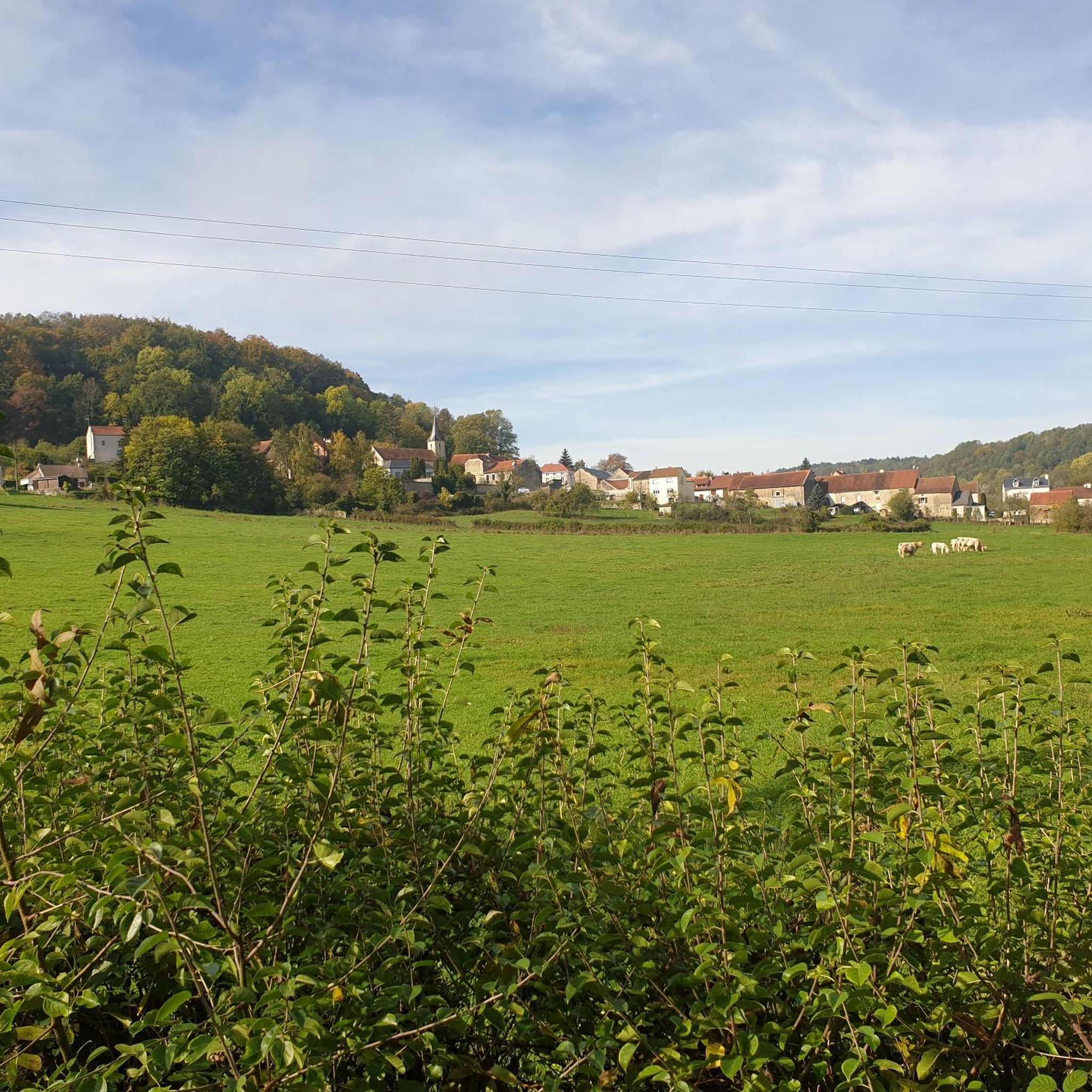
Best attractions and places to see around Salives include a medieval village atmosphere nestled in a green valley in the Côte-d'Or region of Burgundy, France. The village is known for its historical significance, including ramparts and a keep, and is situated at the source of the Tille river. Salives offers a blend of historical landmarks, natural features, and cultural sites for visitors to explore. It has been recognized with the "Cités de Caractère de Bourgogne Franche Comté" label.
Best attractions and places to see around Salives
- The most popular attractions is route forestière des Grolles (GR7), a route that offers a viewpoint over Quinquendolle combe. It is accessible from Vernot (D103).
- Another must-see spot is Saint Germain church, an idyllically located church. It is considered one of the oldest churches in the region, possibly dating back to the year 900.
- Visitors also love Grancey-le-Château Castle, a castle built between 1705 and 1725. Its colorful roof tiles are typical of the Burgundy region.
- Salives is known for its historical landmarks, natural features, and cultural sites. Visitors can explore ancient fortifications, the source of the Tille river, and various cultural venues.
- The attractions around Salives are appreciated by the komoot community, with 19 upvotes and 12 photos shared.
Last updated: July 6, 2026
Grancey-le-Château Castle
Highlight • Castle
Translated by Google •
Tip by

route forestière des Grolles (GR7)
Highlight (Segment) • Other
↔3km ↑ 208m ↕max .: 12.1% ↨avg .: 6.7%
Translated by Google •
Tip by

Sign up now to discover places like this
Get recommendations on the best single tracks, peaks, & plenty of other exciting outdoor places.
Sign up for free
Tarsul bathing house
Highlight • Religious Site
Translated by Google •
Tip by

Saint Germain church
Highlight • Other
Translated by Google •
Tip by
Chemin des Forges
Highlight (Segment) • Trail
Tip by

Sign up for free to discover even more attractions around Salives.
Sign up for free
Already have an account?
Start today with a free account
Your next adventure awaits.
Login or Signup

Tips from the Community

Une première portion de sentier en sous-bois puis le chemin s’élargit pour devenir une piste bien roulante. Très belle alternative à la route.
1
1

A beautiful church, one of the oldest in the region.
2
0
The Château de Grancey was built in the 1700s. The Burgundian colored tiles, very typical of the region, do not deceive.
2
0

The idyllically located church probably dates back to the year 900 and would therefore be one of the oldest churches in the region.
6
0
Grancey Castle was built between 1705 and 1725 by Jacques-Léonor Rouxel, Count of Grancey. The colorful roof tiles typical of the region are pretty to look at.
5
0

The Symbol of the road to Saint Jacques de Compostela, the shell of Saint Jacques. You find this Cave at the river of Tarsul on site.
1
0
The bathhouse is here a typical of the region on the road to Saint Jacques de Compostelle
3
0
You can visit this Saint Germain church on the way to Saint James.
3
0
Frequently Asked Questions
What historical landmarks can I explore in Salives?
Salives is rich in history, offering several notable landmarks. You can explore the impressive 11th-century Keep, an 18-meter-tall feudal tower. The village is also encircled by 1.4 kilometers of
Ramparts
with seventeen towers, originally from the 13th century. Don't miss the 14th-centuryFortified Well
, designed to protect the village's water supply, or thePorte Montarmet
, a remarkable gate along the ramparts.Are there natural attractions to visit in Salives?
Yes, Salives is nestled in a picturesque green valley. A key natural feature is the
Source of the River Tille
, which originates from a spring at the foot of the village church and feeds the local washhouse. The surrounding countryside offers pleasant walks through communal woods, and you can also explore aGeological Circuit
with about fifteen sites explaining the area's natural history.What outdoor activities are available around Salives?
The area around Salives is excellent for outdoor activities. You can find various routes for hiking, running, and mountain biking. For hiking, consider trails like the Rouissoir loop from En Champignolle or the Avot war obelisk loop from Avot. Mountain biking enthusiasts can explore routes such as the Washhouse – Forêt Domaniale de la Bonière loop from Tarsul. For runners, there are several running loops from Salives and nearby hamlets.
Can I find family-friendly activities in Salives?
Salives offers a charming medieval atmosphere that can be engaging for families. Walking along the restored
Ramparts
and exploring theKeep
provides an immersive historical experience. TheSource of the River Tille
and the surrounding verdant valley offer opportunities for easy walks and nature exploration. Additionally, the village providesQR codes at monuments
for an interactive learning experience, which can be fun for children.What is the best time of year to visit Salives?
The best time to visit Salives for outdoor activities and exploring the village's historical sites is generally during the spring, summer, and early autumn months. The weather is typically pleasant for walking the ramparts, exploring the natural features, and enjoying the surrounding countryside. During these seasons, the village's medieval atmosphere is particularly vibrant.
How can I explore the medieval fortifications of Salives?
You can explore Salives' medieval fortifications by walking along its 1.4 kilometers of
Ramparts
, which are interspersed with seventeen towers. These fortifications, dating from the 13th and 15th centuries, offer an unforgettable experience, especially when illuminated at night. The impressive 11th-century Keep is also a central part of the village's defensive history.Where does the Tille river originate?
The
Tille river
originates directly within the village of Salives. Its source is a spring that gushes out of a small cliff located at the foot of the village church. This natural feature is integral to the local landscape and supplies water to the historicWashhouse
.Are there any unique cultural sites in Salives?
Beyond its historical structures, Salives features unique cultural sites. The
Saint Martin Church
has a choir dating back to the 11th century and is located next to the washhouse. TheWashhouse
itself, built in 1842 and fed by the Tille river, is considered one of the most notable along the Côte-d'Or wash-house trail. TheL'Abreuvoir Cultural Center
also hosts various events and evenings in the village.What kind of hiking trails are available near Salives?
Near Salives, you'll find a variety of hiking trails suitable for different skill levels. For an easy walk, consider The Avot Fountain – Avot war obelisk loop from Avot. Moderate options include the Rouissoir loop from Poiseul-lès-Saulx and the Hiking loop from Saint-Broing-les-Moines. Many trails offer scenic views of the verdant valley and surrounding communal woods.
What do visitors enjoy the most about Salives?
Visitors particularly enjoy Salives' strong medieval atmosphere, preserved within its fortifications, with old houses, staircase turrets, and coats of arms. The village's historical significance, including the Keep and
Ramparts
, is highly appreciated. The natural beauty of theSource of the Tille river
and the surrounding green valley also contribute to a memorable experience. The komoot community has shared 12 photos and given 19 upvotes for attractions around Salives.Is there a way to learn about the geology of the Salives area?
Yes, Salives offers a dedicated
Geological Circuit
. This circuit comprises about fifteen sites that explain the geological history of the commune, including its rocks, tectonics, hydrology, and fossils. It's an excellent way to understand the natural formation of the region.Are there any notable churches or religious sites nearby?
Yes, the
Saint Martin Church
in Salives features a choir dating back to the 11th century. Nearby, you can also visit Saint Germain church, an idyllically located church that likely dates back to the year 900, making it one of the oldest in the region. Another site is the Tarsul bathing house, which is typical of the region on the road to Saint Jacques de Compostelle.What are some lesser-known or 'hidden gems' around Salives?
Beyond the main village, the surrounding hamlets of Salives offer interesting sights. These include a well-preserved retting pond, a round dovecote in Mont-Armet, and the
Saint-Aubert chapel in Prégelan
. TheCircuit Héraldique
within Salives itself allows visitors to discover remarkable residences and learn about illustrious families from the village's past, offering a deeper dive into its history.How can I get around Salives to see the monuments?
Salives is a medieval village that is best explored on foot. Many of its key attractions, such as the Keep,
Ramparts
,Fortified Well
, andPorte Montarmet
, are within walking distance of each other. For an interactive experience, you can use your smartphone to scanQR codes
at various monuments to learn more about them as you explore.
Get inspired with the komoot mobile app


Explore more
Still not found the Highlight you’re looking for? See guides of the top attractions in other regions:
