The best walks and hikes around Benningen
4.5
(3670)
15,042
hikers
863
hikes
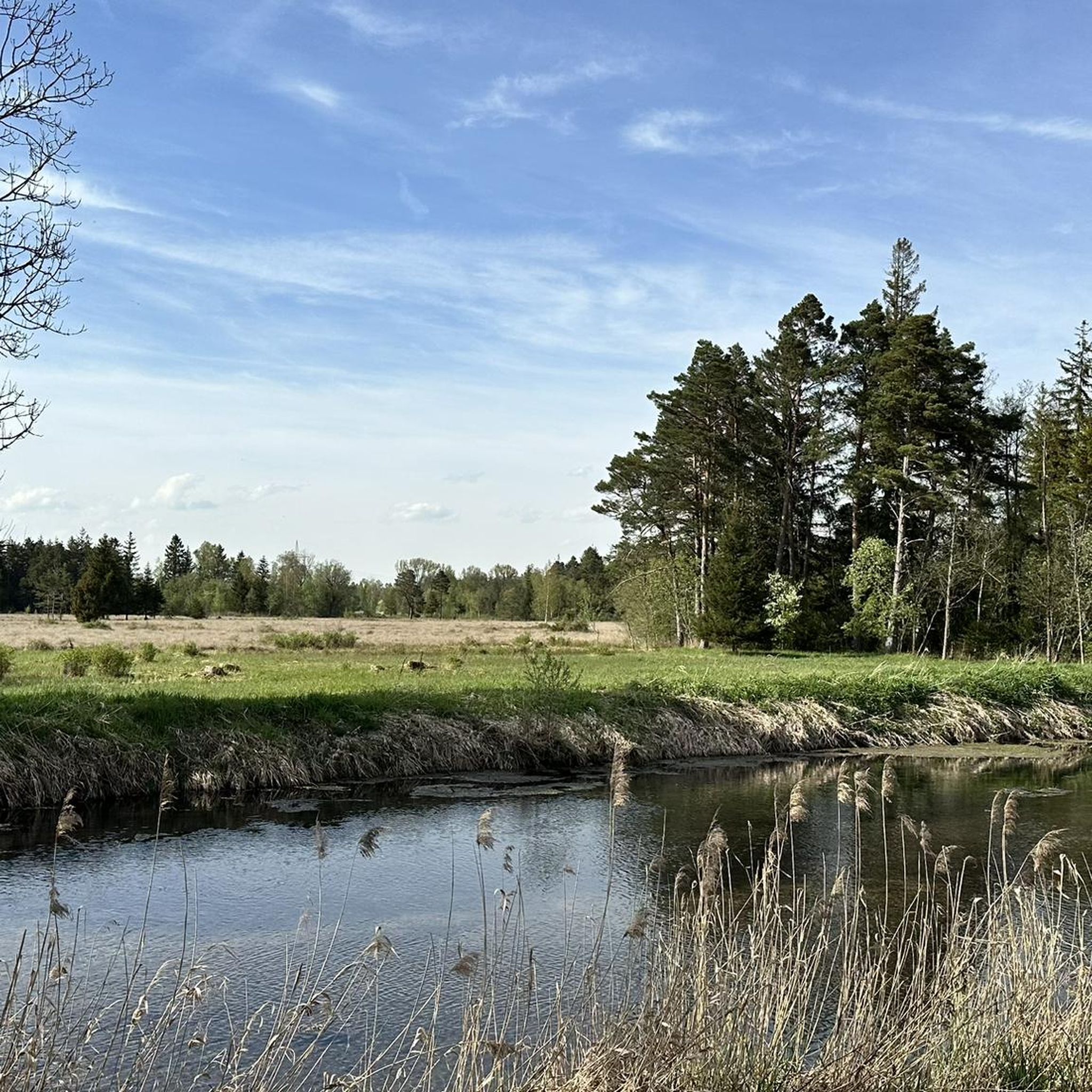
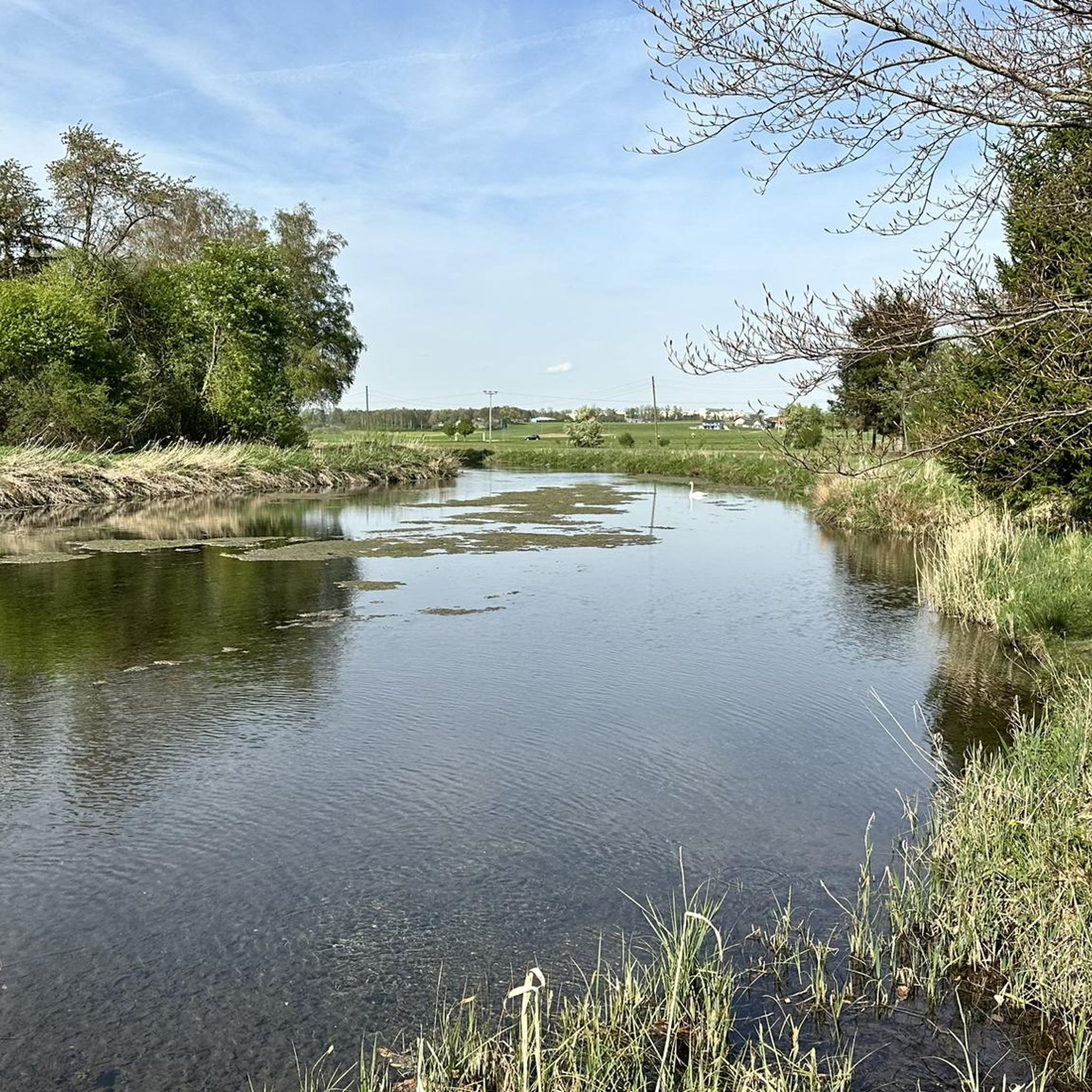
Hiking around Benningen offers a network of trails primarily characterized by flat terrain and low elevation changes. The landscape features riverine paths along the Riedbach, parkland areas like Aktiv Park, and open fields, including the Benninger Ried. This region provides accessible routes suitable for various hiking abilities.
Best hiking trails around Benningen
- The most popular hiking route is Path Along the Riedbach – Aktiv Park loop from Memmingen, a 3.7 miles (5.9 km) trail that takes 1 hour 30…
Last updated: August 19, 2026
3.9
(12)
57
hikers
Easy hike. Great for any fitness level. Easily-accessible paths. Suitable for all skill levels.
3.9
(11)
47
hikers
Easy hike. Great for any fitness level. Easily-accessible paths. Suitable for all skill levels.

Sign up for free
4.8
(5)
29
hikers
Easy hike. Great for any fitness level. Easily-accessible paths. Suitable for all skill levels.
4.0
(1)
31
hikers
3.75km
01:00
40m
40m
Easy hike. Great for any fitness level. Easily-accessible paths. Suitable for all skill levels.
4.8
(4)
12
hikers
4.92km
01:15
10m
10m
Easy hike. Great for any fitness level. Easily-accessible paths. Suitable for all skill levels.
Get access to more routes and recommendations from other explorers.
Sign up for free
Already have an account?
Our route recommendations are based on thousands of hikes, rides, and runs completed by other people on komoot.
Start today with a free account
Your next adventure awaits.
Login or Signup
Tips from the Community

"Ears in the Wind" fountain
0
0

ohh what an imposing building and what splendour - impressive
0
0

A very beautiful town hall, located in the immediate vicinity of the market square and the fountain. The town hall houses the citizens' office and administration. The tourist office is located a little further towards the basilica, right next to the Hirsch restaurant. Free parking is available next to the town hall in the evenings.
1
0
Hot meals served daily Kitchen hours: 11:00 AM to 10:00 PM Breakfast buffet Monday to Friday: 6:00 AM to 10:00 AM Saturday, Sunday, and public holidays: 7:00 AM to 11:00 AM
1
0
Fountain in the market square with moving elements. According to the city, the fountain is named "Ears of Corn in the Wind."
1
0

Beautiful town hall fitting the city center
2
0

Ottobeuren Benedictine Abbey The Benedictine abbey was founded in 764. In 972, Bishop Ulrich of Augsburg obtained from Emperor Otto I the exemption from all imperial burdens and the free election of an abbot. From 1102 to 1145, under Abbot Rupert I, the Hirsau Reform was adopted for Ottobeuren, and a new monastery and church were completed. In 1365, the abbey lost its independence to Augsburg. During the Peasants' War and the Schmalkaldic War in the mid-16th century, the church was severely damaged and subsequently rebuilt in the Renaissance style. From 1630 to 1635, during the Thirty Years' War, the monastery buildings were misused and plundered. In 1710, Abbot Rupert II Neß succeeded in regaining imperial immediacy and began construction in 1711, which was largely completed in 1766. In 1802, the church and monastery became Bavarian state property as part of the secularization process. In 1805, the church became the parish church of Ottobeuren. In 1834/35, the monastery first came under the Augsburg Priory and then became an independent abbey again in 1918. In 1926, Pope Pius IX declared the church a minor basilica. Today, the complex is a monastery with a school (grammar school and secondary school) and serves as an educational institution. In 1964, the complex was stylishly renovated for the 1200th anniversary celebrations. Text / Source: https://dcsy.de/B_Ottobeuren/ott_klostergeschichte.htm#:~:text=In%20year%20764%20%20the%20Benedictine abbey%20was founded.%20972, and%20a%20new building%20of%20monastery%20and%20church%20was completed.
14
0
Ottobeuren Market Square / Market Chronicle Probably none of the visitors who stay in Ottobeuren today, for a shorter or longer period of time, can imagine how this approximately 1,500-year-old, historic town was founded. When visitors arrive in Ottobeuren from all directions by private car, taxi, or bus, their first gaze is usually drawn to the mighty basilica with its monastery buildings. No one considers that the very ground they have just set foot on was once impassable terrain, moorland, swamp, and densely wooded area. Nevertheless, a man had dared to gain a foothold here, clear the forest, and establish a human settlement. What Stone Age hunters and fishers had failed to achieve much earlier—namely, to settle here—had become the life's work of a man named Uot. At the site where the market square stands today, the first giant trees soon collapsed under the axe blows of the Uot farmers. Huts were built from rough beams, livestock was raised, and fields were cultivated. Only a few huts in the middle of the forest housed the Uot clan. Uot, the Swabian, founded Ottobeuren in the 5th century. Text / Source: Ottobeuren Tourist Office, Marktplatz 14, Ottobeuren https://www.ottobeuren.de/de/marktgemeinde/rathaus/markt-chronik.php
14
0
Frequently Asked Questions
How many hiking trails are available around Benningen?
Benningen offers a wide network of over 800 hiking trails. The region is particularly known for its accessible routes, with a significant number of easy and moderate options.
What is the general difficulty level of hikes in Benningen?
The hiking trails around Benningen are predominantly easy, with over 500 routes classified as such. There are also nearly 300 moderate trails, and a small number of more difficult options for experienced hikers. The terrain is generally flat with low elevation changes.
What do other hikers say about the trails in Benningen?
The komoot community highly rates the trails in Benningen, with an average score of 4.5 stars from over 3,000 reviews. Hikers often praise the pleasant riverine paths along the Riedbach, the well-maintained parkland areas like Aktiv Park, and the open fields of the Benninger Ried for their accessibility and natural beauty.
Are there many easy hiking trails suitable for beginners in Benningen?
Yes, Benningen is an excellent area for beginners. Over 500 of the available routes are classified as easy, featuring flat terrain and minimal elevation gain. A good example is the Path Along the Riedbach – Aktiv Park loop from Memmingen, which is 3.7 miles (5.9 km) long and takes about 1 hour 30 minutes.
Are the hiking trails around Benningen suitable for families with children?
Absolutely. The region's flat terrain and numerous easy routes make it very family-friendly. Many trails pass through parkland areas like Aktiv Park, offering pleasant and safe environments for children. Consider routes that follow the Riedbach for gentle walks.
Can I find circular hiking routes in Benningen?
Yes, many of the hiking routes in Benningen are designed as loops, allowing you to start and end at the same point. For instance, the Wooden Sculpture Rest Area – Wooden Picnic Shelter loop from Im Dickenreis is a 4.4 miles (7.1 km) circular trail that offers varied landscapes with minimal elevation gain.
Are dogs allowed on the hiking trails in Benningen?
Generally, dogs are welcome on the hiking trails around Benningen. However, it's always recommended to keep them on a leash, especially in nature reserve areas like the Benninger Ried, and to be mindful of other hikers, wildlife, and agricultural areas.
Is parking available near the hiking trails in Benningen?
Yes, many trailheads and popular starting points in and around Benningen offer parking facilities. It's advisable to check the specific route details on komoot for information on parking availability at the start of your chosen hike.
Are there any hiking trails in Benningen that pass by a cafe or restaurant?
Yes, some routes are designed to include refreshment stops. For example, the Riedkapelle Benningen and café – Aktiv Park loop from Benningen is a 3.1 miles (4.9 km) trail that passes by a cafe, offering a convenient break during your hike.
What kind of natural attractions can I see along the hiking trails in Benningen?
The Benningen area is rich in natural beauty. You can explore the Benninger Ried Nature Reserve, known for its unique flora and fauna. Other notable natural features include the Geological Organs (Nagelfluh rock formations) and the Tulip Tree Avenue.
Are there any historical landmarks or castles near Benningen that can be combined with a hike?
Yes, the region around Benningen features several historical sites. While not directly on every trail, you can find castles like Lautrach Castle or the ruins of Rothenstein Castle within a reasonable distance, offering opportunities to combine hiking with cultural exploration.
What is the best season for hiking in Benningen?
Benningen's trails are enjoyable throughout much of the year. Spring and autumn offer pleasant temperatures and beautiful scenery, while summer is ideal for longer days. Even in winter, the flat terrain makes many routes suitable for walking, though conditions may vary.
Most popular routes around Benningen
Most popular attractions around Benningen

Get inspired with the komoot mobile app


Explore more
Browse the best Hikes in other regions.
