The best walks and hikes around Montigny
4.4
(21)
52
hikers
18
hikes
Hiking around Montigny offers trails through a landscape characterized by gentle terrain and historical sites. The region features low elevation changes, making it suitable for accessible walks. Many routes traverse open countryside and areas surrounding historical landmarks like Chamerolles Castle. The trails provide opportunities to explore the local environment and cultural heritage.
Best hiking trails around Montigny
- The most popular hiking route is Circuit de Chamerolles, a 5.4 miles (8.7 km) trail that takes 2 hours 15 minutes to…
Last updated: July 4, 2026
4.0
(6)
14
hikers
8.71km
02:15
50m
50m
Moderate hike. Good fitness required. Easily-accessible paths. Suitable for all skill levels.
4.5
(8)
8
hikers
Moderate hike. Good fitness required. Easily-accessible paths. Suitable for all skill levels.

Sign up for free
5
hikers
10.6km
02:41
30m
30m
Moderate hike. Good fitness required. Easily-accessible paths. Suitable for all skill levels.
5
hikers
10.5km
02:40
30m
30m
Moderate hike. Good fitness required. Easily-accessible paths. Suitable for all skill levels.
5.0
(1)
1
hikers
5.45km
01:25
30m
30m
Easy hike. Great for any fitness level. Easily-accessible paths. Suitable for all skill levels.
Get access to more routes and recommendations from other explorers.
Sign up for free
Already have an account?
Our route recommendations are based on thousands of hikes, rides, and runs completed by other people on komoot.
Start today with a free account
Your next adventure awaits.
Login or Signup


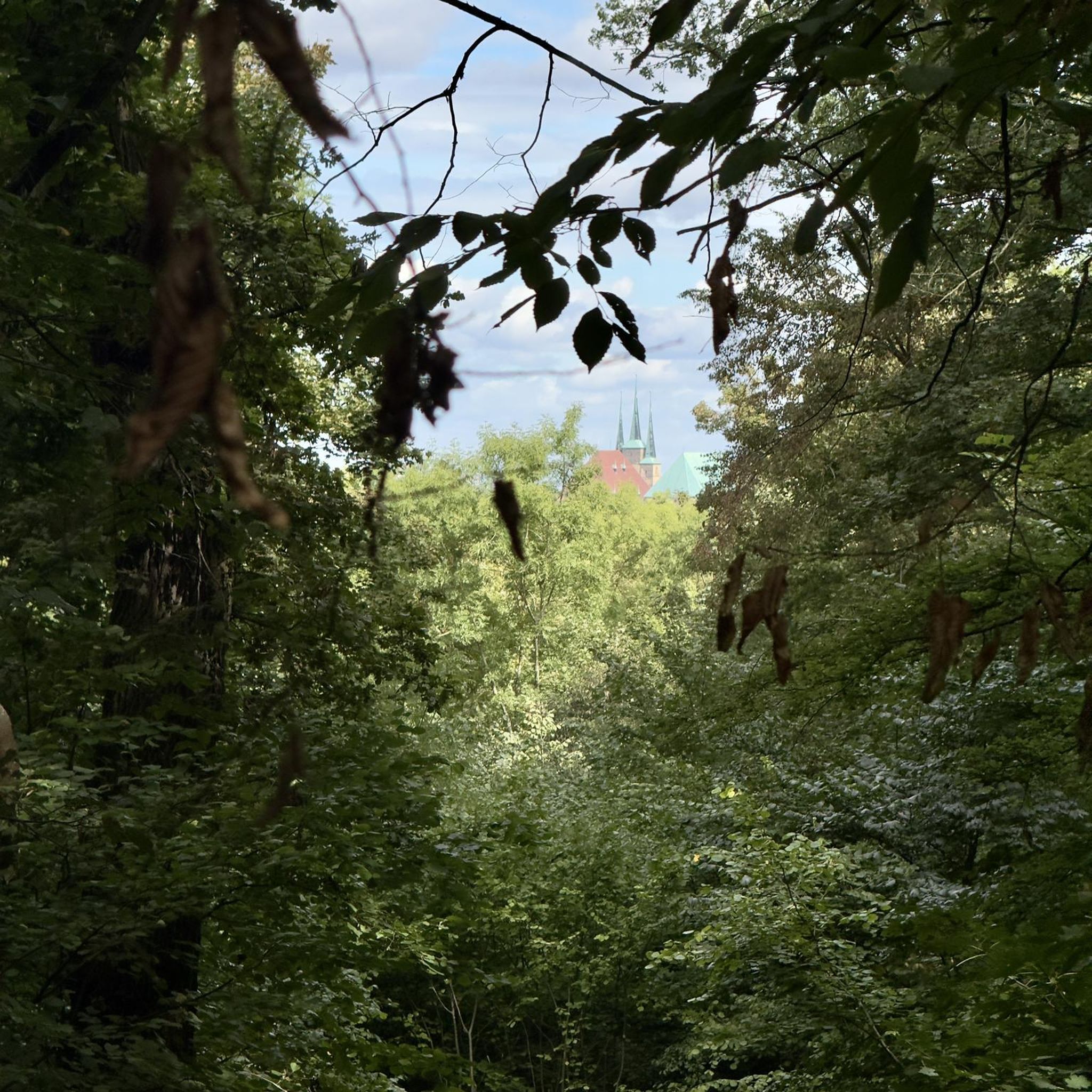

Tips from the Community

Nestled on the edge of the Orléans forest, the Château de Chamerolles is a magnificent Renaissance castle which retains its medieval heritage. It was built between 1500 and 1530 on the site of an old medieval fortress by Lancelot du Lac, chamberlain of King Louis XII and Governor of Orléans. He wanted to make the old medieval building into a real pleasure castle responding to the architectural fashion of the time. With its polychrome brick decor and its open gallery, the Château de Chamerolles is inspired by the Louis XII wing of the royal Château de Blois. It retains its moat and its layout of corner towers from the medieval period. During the wars of religion, Lancelot's grandson, Lancelot II, transformed the castle of Chamerolles into a center of Protestantism. From this period remains the chapel whose painted tables of laws are the oldest in France. Chamerolles remained in the du Lac family until the end of the 17th century. In 1672, the castle belonged to Jacques Saumery, brother-in-law of Colbert. A century later, the castle passed into the hands of the Lambert family and in 1924, into those of Gaston Jessé-Curély. Occupied, ransacked, stripped during the Second World War, the Château de Chamerolles was put up for sale in 1970. In 1976, the city of Paris found itself in charge of Chamerolles. Abandoned, the Château de Chamerolles fell into ruins. In 1987, it became the property of the Loiret Departmental Council which then undertook an ambitious restoration program. The five years of work allow us to discover a transitional architecture, between the medieval heritage and the innovations of the Renaissance. Today, the Château de Chamerolles is dedicated to the history of perfumery and offers a historical and heritage showcase to the Cosmetic Valley, located in the Centre-Val de Loire region. Chamerolles offers a visual and olfactory journey, in pieces reconstructed from the 16th century to the 18th century, allowing you to discover the history of toiletry and perfume. The castle is surrounded by a large park and a charming Renaissance garden, created by Lancelot II du Lac, after a trip to Italy. A garden where it is beautiful to stroll in the summer.
0
0

The castle was built between 1500 and 1530 on the site of an old medieval fortress by Lancelot I du Lac, chamberlain of King Louis XII. It is surrounded by a large park and a charming Renaissance garden, created by Lancelot II du Lac.
2
0

Located on the right bank of the Loire between Gien and Orléans, the forest of Orléans is the largest national forest in metropolitan France. Borrowed by pretty forest roads and great hiking routes (GR 3 and GR 32), the forest is a delight for walkers. This mixed forest (populated with deciduous and thorny trees) is home to a rich fauna. During the fall, it is common to hear the roar of the deer, a hoarse sound supposed to seduce the deer that run through the woods.
0
1
On the edge of the forest of Orléans, the Château de Chamerolles is a magnificent building, the first constructions of which date back to the 16th century. It has been on the list of historical monuments since 1927. Accessible to the public, the castle also has a pretty body of water and a large garden where 75 varieties of roses grow harmoniously. History and nature lovers, a walk around the castle grounds will delight you! The castle is open all year except January.
0
0
The castle was built between 1500 and 1530 on the site of an old medieval fortress by Lancelot I du Lac, chamberlain of King Louis XII. It is surrounded by a large park and a charming Renaissance garden, created by Lancelot II du Lac.
1
0

Visiting conditions - Covid In July, the entire site will be open every day from 10 a.m. to 6 p.m. We make every effort to welcome you in the best possible conditions. For your visit and for the comfort of all, arrangements are planned.
0
0

http://www.chateauchamerolles.fr/ A pretty chateau that deserves to stop and take the time to visit it.
1
0
Frequently Asked Questions
How many hiking trails are available around Montigny?
There are over a dozen hiking routes around Montigny, offering a variety of experiences. You'll find 13 trails listed on komoot, with 2 easy routes and 11 moderate options, ensuring there's something for most ability levels.
Are there any easy, family-friendly hikes in Montigny?
Yes, Montigny offers several easy routes suitable for families. One popular option is the Thermes gallo-romains loop from Pithiviers, which is an easy 5.4 km (3.4 miles) trail. The region's generally gentle terrain makes many paths accessible for a pleasant family outing.
What kind of landscapes can I expect to see while hiking in Montigny?
Hiking around Montigny typically features gentle, rolling terrain, often traversing open countryside and local forests. Depending on the specific Montigny location, you might encounter picturesque landscapes like those near the Moselle river, the Vallée de la Mérantaise, or the Forêt de Cerisy, providing a diverse natural backdrop for your walks.
Are there any circular walks available in Montigny?
Absolutely, many of the routes around Montigny are designed as circular walks, allowing you to start and end at the same point. Examples include the popular Circuit de Chamerolles, the Château de Chamerolles – Château de Chamerolles loop from Château de Chamerolles, and the Chamerolles Castle loop from Chilleurs-aux-Bois.
What historical sites or landmarks can I explore on a hike in Montigny?
Many trails in Montigny offer opportunities to explore historical points of interest. The area around Chamerolles Castle is particularly rich in history, with several routes like the Chamerolles Castle – Chamerolles Castle loop from Château de Chamerolles passing by this notable landmark. Depending on the specific Montigny, you might also find Roman ruins or other cultural heritage sites.
What do other hikers enjoy most about hiking in Montigny?
The hiking trails in Montigny are highly rated by the komoot community, with an average score of 4.8 stars from over 15 reviews. Hikers often praise the gentle terrain, the well-maintained paths, and the opportunity to explore historical sites like Chamerolles Castle, making for a pleasant and accessible outdoor experience.
Are there any dog-friendly trails in Montigny?
While specific dog restrictions can vary by trail or protected area, many of the open countryside and forest paths around Montigny are generally dog-friendly. It's always a good idea to keep your dog on a leash, especially near livestock or in populated areas, and to check local signage for any specific rules.
Is public transport available to access hiking trails in Montigny?
Access to hiking trails by public transport in Montigny can vary significantly depending on the specific location. While some larger towns might have bus services, many trailheads in more rural Montigny areas may require a car. It's advisable to check local public transport schedules for the specific starting point of your chosen hike.
Where can I find parking for hiking trails in Montigny?
For trails starting near villages or specific attractions like Chamerolles Castle, you can often find designated parking areas. For example, routes like the Château de Chamerolles – Château de Chamerolles loop typically have parking available at or near the castle itself. For other routes, look for parking in nearby towns or designated trailheads.
What is the best time of year to go hiking in Montigny?
Montigny offers pleasant hiking conditions throughout much of the year. Spring and autumn are particularly popular, with mild temperatures and beautiful scenery as foliage changes or flowers bloom. Summer is also suitable, though it can be warmer, while winter hiking is possible, but conditions may require appropriate gear, especially if there's frost or light snow.
Are there any long-distance hiking options or connections to larger networks in Montigny?
While the individual routes listed for Montigny are generally day hikes, the region's diverse landscapes, particularly in areas like Normandy or near the Moselle, suggest potential connections to longer-distance paths. For instance, the rehabilitation of the towpath along the Seine near Île Saint Georges indicates opportunities for extended scenic walks that could link into broader networks.

Get inspired with the komoot mobile app


Explore more
Browse the best Hikes in other regions.
