Attractions and Places To See around Escrennes - Top 13
Best attractions and places to see around Escrennes include historical castles, fortified manors, and serene natural areas. This region offers a blend of cultural heritage and outdoor exploration, with sites ranging from medieval fortresses to tranquil lakes. Visitors can discover 13 unique places, ideal for those interested in history, architecture, or peaceful natural settings.
Best attractions and places to see around Escrennes
- The most popular attractions is Saint Lubin Chapel, a historical site that consists of the ruins of…
Last updated: May 11, 2026
Chamerolles Castle
Highlight • Castle
It is surrounded by …
Translated by Google •
Tip by

Manoir de La Taille (Château de Bondaroy)
Highlight • Castle
Translated by Google •
Tip by

Sign up now to discover places like this
Get recommendations on the best single tracks, peaks, & plenty of other exciting outdoor places.
Sign up for free
St. Lubin Church
Highlight • Other
From the town website:
In the 13th century, the inhabitants of Yèvre-le-Châtel obtained permission from …
Tip by

Saint Lubin Chapel
Highlight • Historical Site
Translated by Google •
Tip by

Yèvre-le-Châtel
Highlight • Castle
Translated by Google •
Tip by
Sign up for free to discover even more attractions around Escrennes.
Sign up for free
Already have an account?
Start today with a free account
Your next adventure awaits.
Login or Signup


Tips from the Community

The unfinished church built after the other church near the Châtel in the 13th century. From the town website: In the 13th century, the inhabitants of Yèvre-le-Châtel obtained permission from the Bishop of Orléans to build a parish church in the cemetery. However, following the intervention of the monks of Saint-Benoit-sur-Loire, the bishop reversed his decision and work was interrupted. Work resumed after the Hundred Years' War, but the church was never completed. Furthermore, in 1708, the bishop authorized the sale of stones and materials that had fallen onto the ground, resulting in Saint-Lubin being both unfinished and in ruins. The building, with a single nave and two bays, is perfectly homogeneous. The structure, in the shape of a Latin cross, ends with a flat chevet, characteristic of the 13th century. The romantic remains of this church were admired by Victor Hugo in the 19th century.
0
0

Nestled on the edge of the Orléans forest, the Château de Chamerolles is a magnificent Renaissance castle which retains its medieval heritage. It was built between 1500 and 1530 on the site of an old medieval fortress by Lancelot du Lac, chamberlain of King Louis XII and Governor of Orléans. He wanted to make the old medieval building into a real pleasure castle responding to the architectural fashion of the time. With its polychrome brick decor and its open gallery, the Château de Chamerolles is inspired by the Louis XII wing of the royal Château de Blois. It retains its moat and its layout of corner towers from the medieval period. During the wars of religion, Lancelot's grandson, Lancelot II, transformed the castle of Chamerolles into a center of Protestantism. From this period remains the chapel whose painted tables of laws are the oldest in France. Chamerolles remained in the du Lac family until the end of the 17th century. In 1672, the castle belonged to Jacques Saumery, brother-in-law of Colbert. A century later, the castle passed into the hands of the Lambert family and in 1924, into those of Gaston Jessé-Curély. Occupied, ransacked, stripped during the Second World War, the Château de Chamerolles was put up for sale in 1970. In 1976, the city of Paris found itself in charge of Chamerolles. Abandoned, the Château de Chamerolles fell into ruins. In 1987, it became the property of the Loiret Departmental Council which then undertook an ambitious restoration program. The five years of work allow us to discover a transitional architecture, between the medieval heritage and the innovations of the Renaissance. Today, the Château de Chamerolles is dedicated to the history of perfumery and offers a historical and heritage showcase to the Cosmetic Valley, located in the Centre-Val de Loire region. Chamerolles offers a visual and olfactory journey, in pieces reconstructed from the 16th century to the 18th century, allowing you to discover the history of toiletry and perfume. The castle is surrounded by a large park and a charming Renaissance garden, created by Lancelot II du Lac, after a trip to Italy. A garden where it is beautiful to stroll in the summer.
0
0

Very beautiful village which is definitely worth the detour. You can notably discover its castle, built in the 13th century under Philippe Auguste. Don't hesitate to dismount and take a walk in the pedestrian part of the village.
0
0

The Manoir de la Taille, also known as the Château de Bondaroy, is a fortified manor house which dates from the 14th century and was the birthplace of two Renaissance poets, Jean and Jacques de La Taille. You can admire the impressive facade, towers and gatehouse, as well as the surrounding countryside. You can also explore the neighboring town of Pithiviers, which has a rich heritage and a famous pastry, the pithivier.
2
0

The castle was built between 1500 and 1530 on the site of an old medieval fortress by Lancelot I du Lac, chamberlain of King Louis XII. It is surrounded by a large park and a charming Renaissance garden, created by Lancelot II du Lac.
2
0

On the edge of the forest of Orléans, the Château de Chamerolles is a magnificent building, the first constructions of which date back to the 16th century. It has been on the list of historical monuments since 1927. Accessible to the public, the castle also has a pretty body of water and a large garden where 75 varieties of roses grow harmoniously. History and nature lovers, a walk around the castle grounds will delight you! The castle is open all year except January.
0
0
The Manor of La Taille, also called Château de Bondaroy, is a fortified manor whose construction dates back to the 14th century. Opulent construction, it does not leave indifferent the walkers who follow its thick walls. Listed in the register of historical monuments in 1974, the manor is now a private property. Banquets and seminars are sometimes organized there and it is possible to visit the place during the summer.
0
0
The castle was built between 1500 and 1530 on the site of an old medieval fortress by Lancelot I du Lac, chamberlain of King Louis XII. It is surrounded by a large park and a charming Renaissance garden, created by Lancelot II du Lac.
1
0
Frequently Asked Questions
What historical sites can I explore around Escrennes?
The region is rich in history. You can visit Chamerolles Castle, built between 1500 and 1530 on the site of an old medieval fortress. Another significant site is the Saint Lubin Chapel, the ruins of an unfinished church that gained renown after being described by Victor Hugo. Don't miss the fortified manor, Manoir de La Taille (Château de Bondaroy), which dates from the 14th century.
Are there family-friendly attractions near Escrennes?
Yes, several attractions are suitable for families. Chamerolles Castle features a large park and a Renaissance garden, perfect for a family outing. The tranquil Étang à Madame et Monsieur offers nature walks and a path around the lake, which is enjoyable for all ages. The historical Saint Lubin Chapel is also listed as family-friendly.
Where can I enjoy nature and peaceful walks?
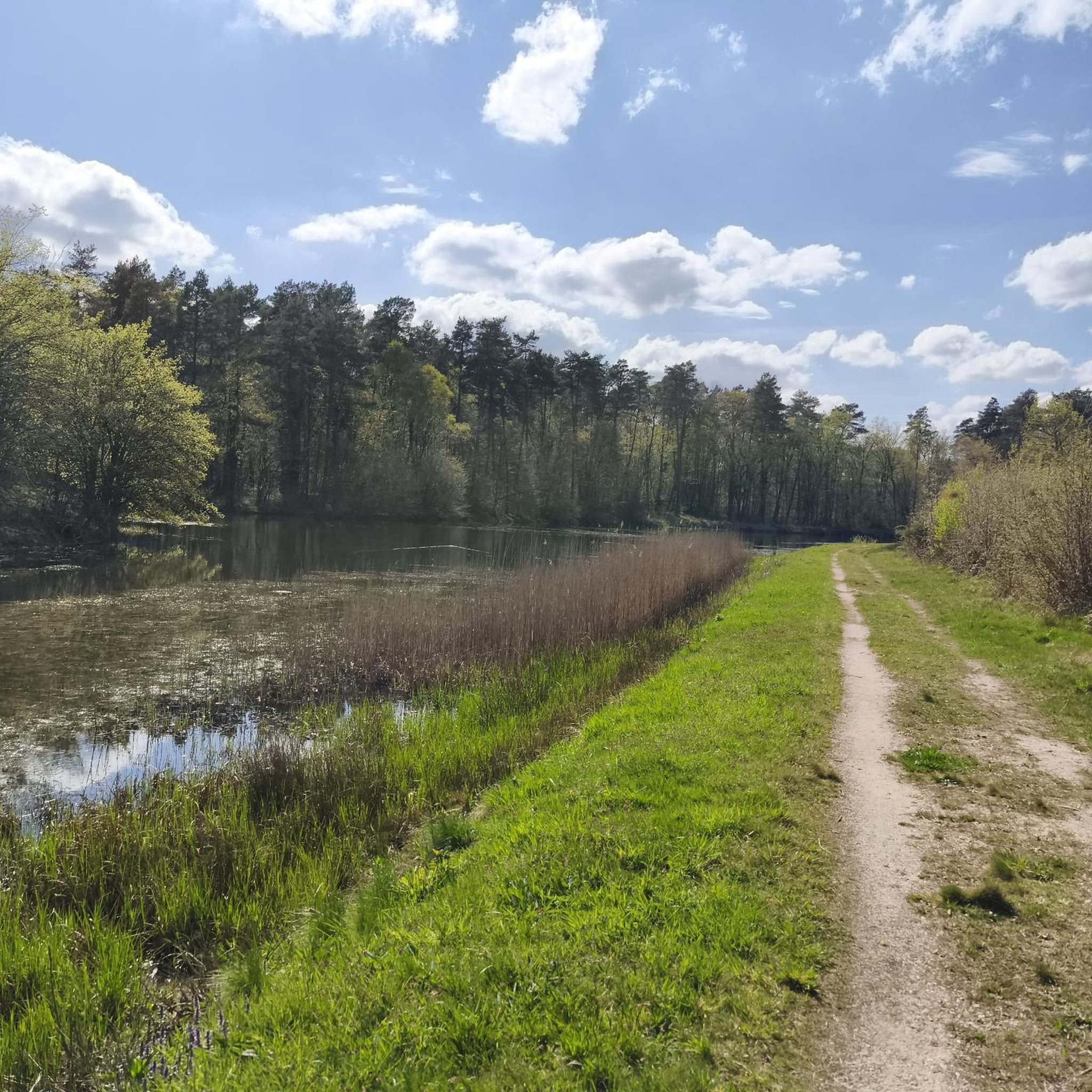
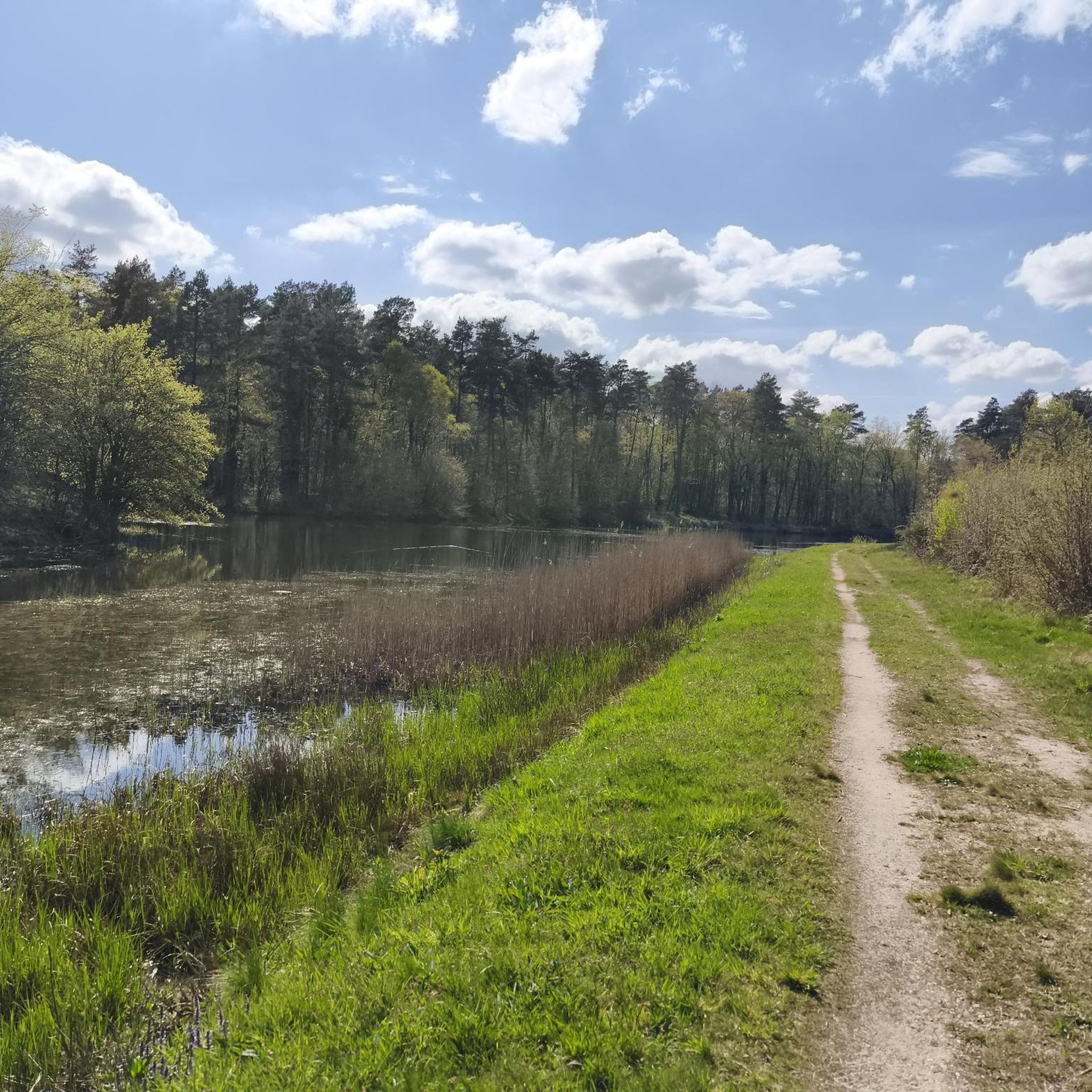
For a peaceful natural setting, visit Étang à Madame et Monsieur. This tranquil lake is ideal for nature walks, and you can walk around its entirety. It's a quiet and relaxing spot where fishing is also allowed.
What outdoor activities are available around Escrennes?
The region offers various outdoor activities. You can find numerous running trails, including routes like 'Running loop from Pithiviers' (8.1 km, moderate) and 'Château de l'Ardoise – Pithiviers loop' (4.8 km, easy). For cycling, explore routes such as the 'Rose Route North Circuit' (24.9 km, easy). Hikers can enjoy trails like 'Château de l'Ardoise – Moulin de la Porte Marsh loop' (14.1 km, moderate). You can find more details on these and other routes in the dedicated guides for Running Trails around Escrennes, Cycling around Escrennes, and Hiking around Escrennes.
Are there any notable castles or fortified structures?
Absolutely. Chamerolles Castle is a prominent example, built in the early 16th century on the site of an older fortress. Another is the Manoir de La Taille (Château de Bondaroy), a 14th-century fortified manor house with impressive facades and towers. The village of Yèvre-le-Châtel also features a significant 13th-century castle.
What is special about the village of Yèvre-le-Châtel?
Yèvre-le-Châtel is classified among the most beautiful villages in France. It boasts a 13th-century fortress and two churches, including the unfinished Saint Lubin Chapel, which captivated Victor Hugo. It's a very beautiful village worth exploring on foot.
Are there any easy walking trails suitable for all skill levels?
Yes, there are easy walking options. The path around Étang à Madame et Monsieur offers a peaceful and accessible walk. For running, the 'Château de l'Ardoise – Pithiviers loop' is an easy 4.8 km route. You can find more easy hiking and running trails in the respective komoot guides.
What do visitors particularly enjoy about the attractions around Escrennes?
Visitors appreciate the blend of historical richness and natural tranquility. The historical sites, like Chamerolles Castle, are praised for their architecture and gardens. Natural spots like Étang à Madame et Monsieur are valued for their quiet and relaxing atmosphere, ideal for a start in nature. The komoot community has highlighted the appeal with over 50 photos and nearly 60 upvotes.
Are there any hidden gems or less-known spots to discover?
The Saint Lubin Chapel, an uncompleted church whose ruins moved Victor Hugo, offers a romantic and unusual stopover. While the Manoir de La Taille (Château de Bondaroy) is private, it sometimes organizes banquets and seminars, and it's possible to visit during the summer, offering a glimpse into a less commonly accessed historical site.
Is there parking available at the natural attractions?
Yes, for natural spots like Étang à Madame et Monsieur, there is simple parking available, making it easily accessible for visitors.
Can I find circular walking routes in the area?
Yes, the area offers several circular routes. For instance, the 'Château de l'Ardoise – Moulin de la Porte Marsh loop' is a moderate 14.1 km hiking route. You can explore more circular options in the Hiking around Escrennes guide.
Most popular attractions around Escrennes

Get inspired with the komoot mobile app


Explore more
Still not found the Highlight you’re looking for? See guides of the top attractions in other regions:
