The best walks and hikes around Boynes
4.6
(106)
380
hikers
89
hikes
Hiking around Boynes offers access to a landscape characterized by gentle hills and river valleys, providing varied terrain for outdoor activities. The region features a mix of agricultural plains and wooded areas, with routes often connecting historical villages and natural waterways. Elevation changes are generally moderate, making the area suitable for a range of hiking abilities.
Best hiking trails around Boynes
- The most popular hiking route is Yèvre-le-Châtel and the three valleys, a 11.2 miles (18.0 km) trail that…
Last updated: May 7, 2026
4.7
(7)
24
hikers
18.0km
04:39
100m
100m
Moderate hike. Good fitness required. Mostly accessible paths. Sure-footedness required.
4.2
(5)
20
hikers
Moderate hike. Good fitness required. Easily-accessible paths. Suitable for all skill levels.

Sign up for free
4.8
(6)
15
hikers
Easy hike. Great for any fitness level. Easily-accessible paths. Suitable for all skill levels.
5.0
(2)
14
hikers
Easy hike. Great for any fitness level. Easily-accessible paths. Suitable for all skill levels.
5.0
(1)
5
hikers
4.67km
01:13
40m
30m
Easy hike. Great for any fitness level. Easily-accessible paths. Suitable for all skill levels.
Get access to more routes and recommendations from other explorers.
Sign up for free
Already have an account?
Our route recommendations are based on thousands of hikes, rides, and runs completed by other people on komoot.
Start today with a free account
Your next adventure awaits.
Login or Signup


Tips from the Community

A huge magnifying glass on a plane tree
0
0

Very beautiful village which is definitely worth the detour. You can notably discover its castle, built in the 13th century under Philippe Auguste. Don't hesitate to dismount and take a walk in the pedestrian part of the village.
0
0

Amazing town of Pithiviers, the Saint Grégoire chapel cave, refuge of a hermit. The fortress of Yévre le Chatel [Located on a spur, at the limit of the territory of the Carnutes and the Senons, the oppidum protected a communication route, then two Roman entities after 52 BC. The site overlooked the Roman road from Sens to Le Mans. After the Christianization of Gallo-Roman Gaul, the Rimarde river was the border between the bishoprics of Sens, parish of Saint-Martin de Souville; and Saint-Lazare Leprosarium and the bishopric of Orléans, parish of Saint-Gault and Saint-Lubin. This division remained until the 19th century. Around 1200, on the orders of Philip Augustus, the castle was rebuilt according to the latest improvements in military architecture brought back from the Crusades, in particular relief arches increasing resistance to undermining work. a long history that you can discover on the websites. There is also a path to Saint Jacques The road to Saint-Jacques coming from Moret-sur-Loing From Moret, the Jacquets wishing to venerate the relics of Saint Mathurin went to Grez-sur-Loing, quickly reaching Larchant. From there, they headed towards Orléans to join one of the great roads of Saint-Jacques, that of Tours. do not forget Pithiviers le Vieille [Indeed, the village of Pithiviers-le-Vieil, located on the border of the Carnute and Sénon countries, is at the crossroads of the great Roman roads Orléans-Reims and Sens-Le Mans. A jewel of Gallo-Roman culture with its sanctuary made up of eight indigenous-type temples or fana, this place was frequented since Antiquity because of its curative springs in the Segray valley.
0
0

Using the power of moving water to drive a mill wheel is an ancient invention that dates back to pre-Christian times. Thanks to such a construction, human or animal muscle power could easily be replaced by a watercourse - natural or artificial - in order, for example, to grind grains into grain. There are essentially two different ways to drive water mills: either the water simply hits the blades of the water wheel from below to set it in motion; or the water flow is guided above the wheel and falls onto the blades, with this design there is greater efficiency due to natural gravity.
1
0
One of the many mills formerly in operation on the Oeuf.
1
0
A private Louis XIII-style castle, it has a magnificent park crossed by the Egg, a river taking its source in the forest of Orléans and flowing into the Essonne. There is also an 18th century dovecote.
0
0
Castle built in the 13th century under Philippe Auguste. A walkway allows you to move around the curtain walls and access its four towers. Nice view of the Gâtinais, the Beauce. We can also see the Forest of Orléans in the distance. You will find visiting times and prices here: https://yevre-la-ville.fr/visites/
0
0

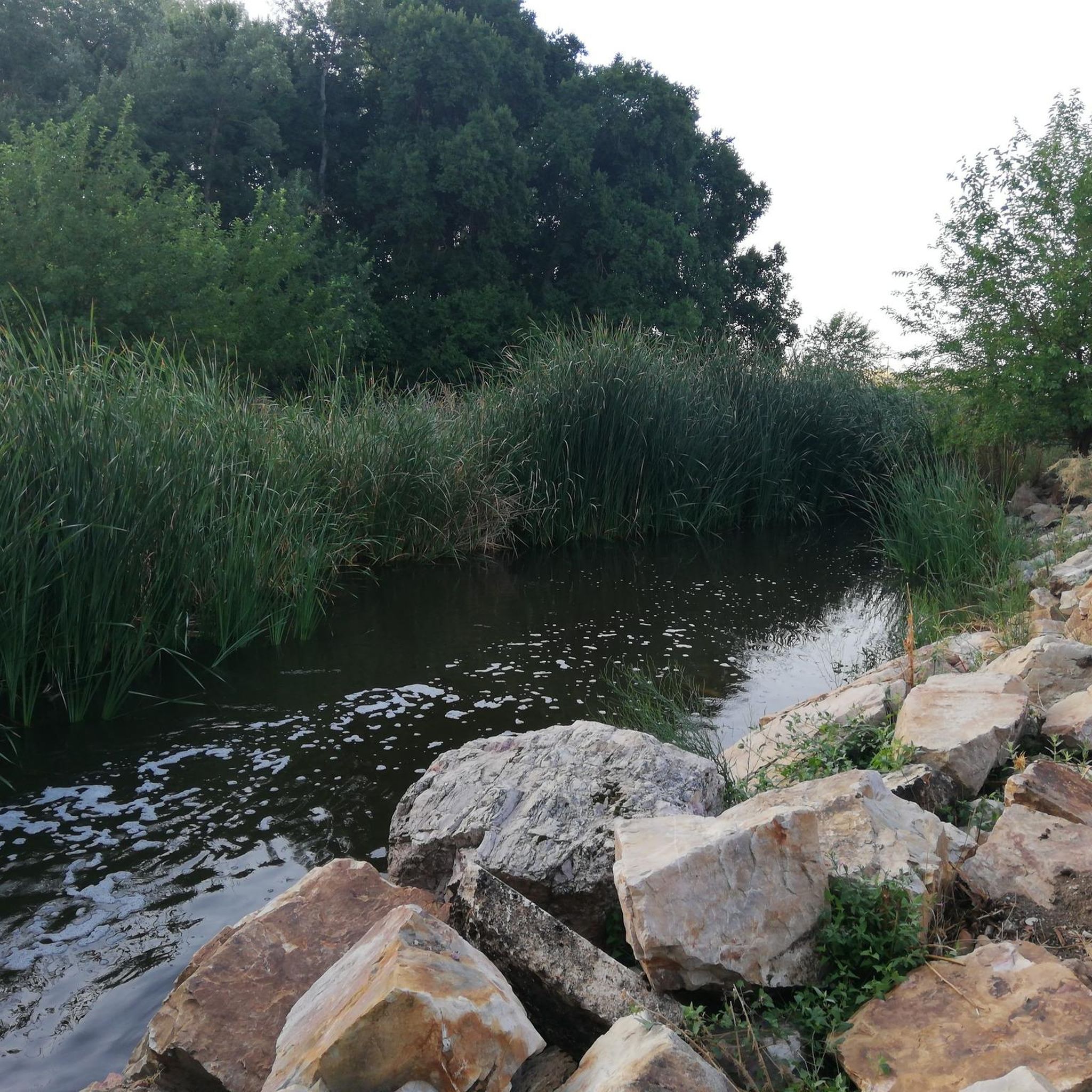
The Moulin de la Porte marsh is an ecological setting located to the east of Pithiviers. A variety of flora and fauna inhabit this 20-hectare wetland. Popular with walkers, the marsh is also a leisure activity for hikers who travel through the Egg Valley. In the heart of the marsh, a discovery trail decorated with educational panels tells you more about the richness of its nature.
0
0
Frequently Asked Questions
How many hiking trails are there around Boynes?
There are over 80 hiking routes available around Boynes, catering to various skill levels. You'll find a mix of easy strolls and moderate paths through the region's gentle hills and river valleys.
What kind of landscapes can I expect to see while hiking in Boynes?
Hiking around Boynes offers a blend of agricultural plains, wooded areas, and river valleys. Many routes connect historical villages and natural waterways, providing a scenic and varied experience.
Are there any circular hiking routes in Boynes?
Yes, Boynes features several excellent circular routes. A popular choice is the Château de Yèvre-le-Châtel – Saint Lubin Chapel loop from Yèvre-la-Ville, which is a moderate 8.0-mile (12.9 km) path. Another option is the Saint Lubin Chapel – Château de Yèvre-le-Châtel loop from Yèvre-la-Ville, a shorter 5.2-mile (8.4 km) trail.
What historical sites or landmarks can I visit along the trails?
Many trails in Boynes lead past significant historical sites. You can explore the medieval village of Yèvre-le-Châtel, which features a prominent castle. The Saint Lubin Chapel is another notable historical site often included in local hiking loops.
Are there any easy hiking trails suitable for families?
Yes, Boynes has over 30 easy routes perfect for families. The Yèvre-le-Châtel – Château de Yèvre-le-Châtel loop from Yèvre-la-Ville is an easy 3.3-mile (5.3 km) trail, offering a pleasant walk with historical views. Another family-friendly option is the Bouville Castle loop from Yèvre-le-Châtel, which is 2.9 miles (4.7 km) long.
What do other hikers say about the trails in Boynes?
The hiking routes in Boynes are highly rated by the komoot community, with an average score of 4.6 stars from over 100 reviews. Hikers often praise the well-maintained paths, the charming historical villages, and the peaceful river scenery.
What is the longest hiking trail in Boynes?
The longest hiking trail listed in Boynes is Yèvre-le-Châtel and the three valleys. This moderate route spans 11.2 miles (18.0 km) and typically takes around 4 hours and 39 minutes to complete, exploring the local river valleys and countryside.
Are there any natural features or unique sights to discover?
Beyond historical sites, you can explore natural areas like the Moulin de la Porte Marsh, which offers unique marshland scenery. The region's river paths also provide opportunities to enjoy tranquil waterscapes and local flora.
What is the typical elevation gain on trails in Boynes?
The elevation changes in Boynes are generally moderate, making the area suitable for a wide range of hiking abilities. For example, the Yèvre-le-Châtel and the three valleys route has an elevation gain of about 340 feet (104 meters).
Can I find trails that offer views of castles?
Absolutely. The region is rich in historical castles. Many routes, such as the various loops around Yèvre-le-Châtel, offer direct views of the impressive Yèvre-le-Châtel itself. You can also find trails near Bouville Castle and Manoir de La Taille (Château de Bondaroy).
Most popular attractions around Boynes

Get inspired with the komoot mobile app


Explore more
Browse the best Hikes in other regions.
