Attractions and Places To See around Ambérieux-En-Dombes - Top 20
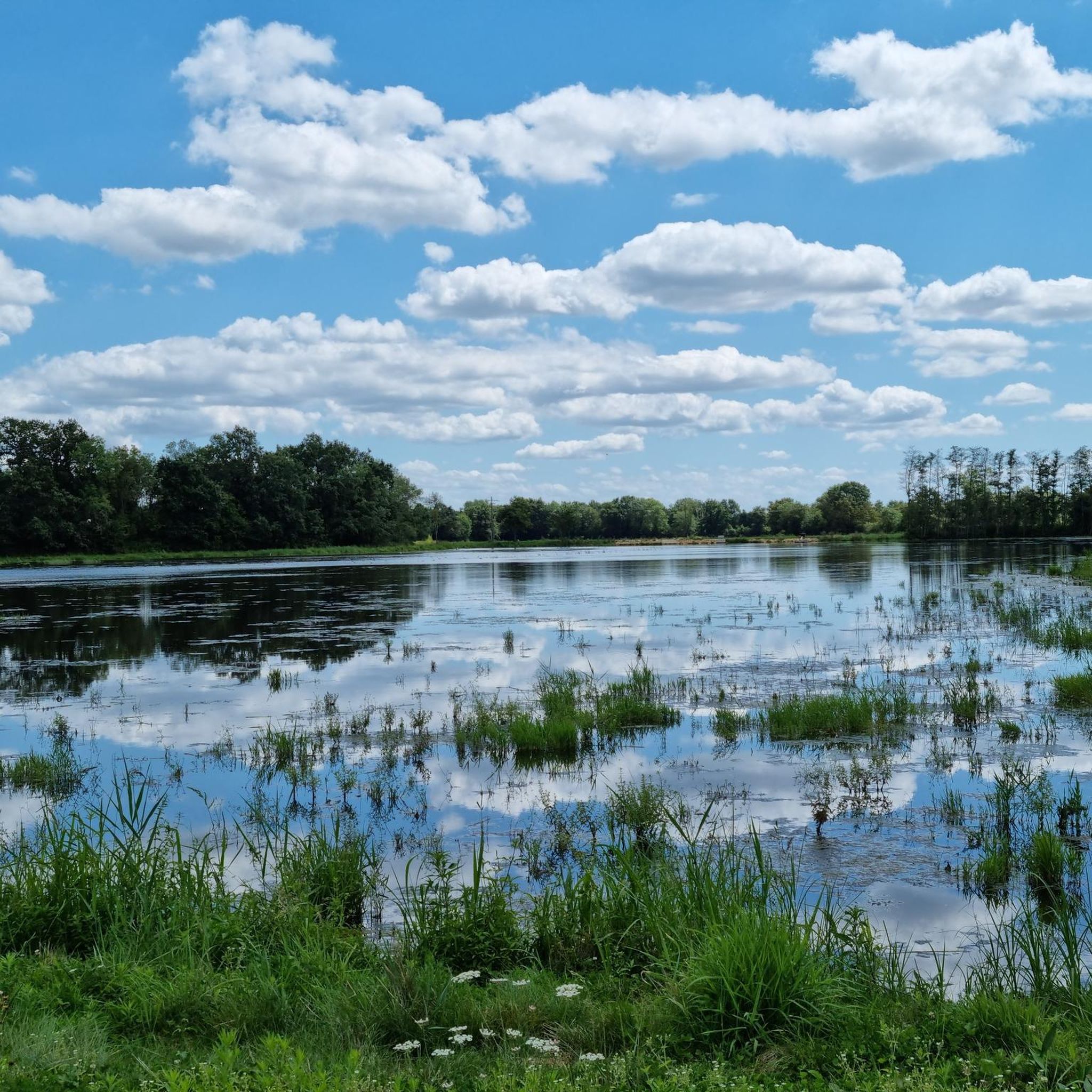
Attractions and places to see around Ambérieux-En-Dombes are situated in the Dombes region of France, known for its historical significance and unique natural landscape. The area features a blend of ancient architecture and a vast network of ponds, often referred to as the "Mille Étangs." This environment supports diverse wildlife and offers opportunities for outdoor exploration. The region's heritage is recognized, with efforts to preserve its architectural and natural sites.
Best attractions and places to see around Ambérieux-En-Dombes
- The most…
Last updated: July 20, 2026
Beauregard
Highlight • Settlement
Translated by Google •
Tip by

Château de Bouligneux
Highlight • Castle
Translated by Google •
Tip by

Sign up now to discover places like this
Get recommendations on the best single tracks, peaks, & plenty of other exciting outdoor places.
Sign up for free
Towpath along the Saône
Highlight (Segment) • Trail
Translated by Google •
Tip by

Château de Bouligneux
Highlight • Castle
Translated by Google •
Tip by

Saône Quay
Highlight • Other
With a length of almost 480 kilometers, it is the ninth longest river in France.
Translated by Google •
Tip by

Sign up for free to discover even more attractions around Ambérieux-En-Dombes.
Sign up for free
Already have an account?
Start today with a free account
Your next adventure awaits.
Login or Signup

Tips from the Community

A lovely bridge to reach Villefranche-sur-Saône from Beauregard, accessible only on foot or by bicycle.
0
0

The Château de Bouligneux is a former fortified house, dating from the early 14th century and remodeled in the late 16th or early 17th century. It was the center of the Bouligneux seigneury and the administrative center of a district in Bresse. https://fr.wikipedia.org/wiki/Ch%C3%A2teau_de_Bouligneux
0
0

Built during the 14th century, Bouligneux Castle is a perfectly preserved feudal structure. The building was constructed using red bricks (carron bricks) typical of Dombes.
0
0

Impressive red brick fortified farmhouse
0
0

A "chemin de halage", or in German "treidelpfad", which runs alongside the waterway right next to the bed of the river or canal, was an indispensable part of the transport infrastructure in earlier times. Before ships could move using motor power, horses ran along the bank and pulled the ship against the current. This was called "treideln", and this is how the "treidelpfads" got their name, which has been passed down to this day. Where these paths directly on the bank have been preserved, they are often used by hikers and cyclists.
0
0


Fortified house dating from the 14th century. Curious beveled shape of the cylindrical tower, topped during the Revolution.
0
0

A bridge only for pedestrians and bicycles!
2
0
Frequently Asked Questions
What historical landmarks can I explore in Ambérieux-En-Dombes?
Ambérieux-En-Dombes is rich in history. You can visit the ancient fortified Château d'Ambérieux-en-Dombes, which offers a panoramic view of the Dombes region from its restored keep. Another notable site is the 14th-century Château de Bouligneux, a typical example of fortified houses in the area. The Église Saint Maurice and a gothic calvary in the cemetery also add to the historical charm.
What natural features are unique to the Ambérieux-En-Dombes area?
The region is famously known as the Dombes, or 'Mille Étangs' (Thousand Ponds), due to its vast network of nearly a thousand ponds. This unique landscape is a significant haven for wild birds, making it an excellent spot for bird-watching. You can also visit specific ponds like Étang le Cerisier, which is popular for recreational fishing and walks.
Are there good opportunities for outdoor activities like hiking and cycling?
Yes, the Ambérieux-En-Dombes area is well-suited for various outdoor activities. There are numerous marked hiking and cycling trails that allow you to explore the surrounding landscapes and ponds. You can find many routes for cycling, mountain biking, and road cycling that take you through the picturesque Dombes region.
What is the best way to experience the Saône river near Ambérieux-En-Dombes?
You can enjoy the Saône river by exploring the Towpath along the Saône. This trail, historically used for pulling boats, is now perfect for cycling and walking, offering scenic views of the waterway. The village of Beauregard also provides beautiful views of the Saône from its old bridge, which is accessible to pedestrians and cyclists.
Are there any family-friendly attractions or activities in the area?
Many of the outdoor trails, especially the towpaths along the Saône, are considered family-friendly and suitable for walks and bike rides with children. The unique pond landscape of the Dombes also offers opportunities for nature observation and gentle strolls, which can be enjoyable for families.
What is the historical significance of the wider Dombes region?
The Dombes region, including Ambérieux-En-Dombes, holds significant historical importance. It was cited as early as the first century and was a seat of one of the 12 châtellenies of the Sovereignty of Dombes during the Middle Ages. The commune and surrounding area have been recognized with the 'Pays d'Art et d'Histoire' label, highlighting their rich heritage and ongoing efforts to preserve architectural and landscape sites.
Where can I go for bird-watching in the Dombes?
The entire Dombes region, with its nearly thousand ponds, is a prime location for bird-watching. It's a haven for various wild birds, including mallards, purple herons, black-necked grebes, black-winged stilts, and whiskered terns. For a more dedicated nature experience, the Marais de Lavours, a national nature reserve slightly further afield, offers serene environments and stilt paths perfect for wildlife observation.
What do visitors enjoy most about the attractions around Ambérieux-En-Dombes?
Visitors particularly appreciate the blend of historical sites and natural beauty. The scenic views from places like the old bridge in Beauregard and the historical architecture of Château de Bouligneux are highly rated. The peaceful and accessible trails, such as the Towpath along the Saône, are also very popular for walking and cycling.
Are there any challenging trails for experienced hikers or cyclists?
While many trails are gentle, there are options for more experienced adventurers. For instance, some sections like the Singletrack to avoid the main road offer a more challenging experience with dirt roads, tree stumps, and mini-fords, suitable for gravel bikes or mountain bikes. You can find more challenging routes within the MTB Trails guide for the area.
Can I go fishing in the Ambérieux-En-Dombes area?
Yes, fishing is a popular activity in the Dombes region. Étang le Cerisier, a 3.8-hectare pond, is specifically dedicated to recreational fishing. Here, you can find carp, pike, zander, tench, and other small fish. A drivable path for fishermen is usually open during the fishing season.
What is the best time of year to visit Ambérieux-En-Dombes for outdoor activities?
The spring and autumn months generally offer the most pleasant weather for outdoor activities like hiking, cycling, and bird-watching, with milder temperatures and beautiful natural scenery. Summer can also be enjoyable, especially for water-related activities, though it can be warmer. Winter offers a different, quieter charm, but some paths might be muddy or less accessible.
Most popular routes around Ambérieux-En-Dombes

Get inspired with the komoot mobile app


Explore more
Still not found the Highlight you’re looking for? See guides of the top attractions in other regions:
