Attractions and Places To See around Saint-Ay - Top 20
Best attractions and places to see around Saint-Ay include a blend of historical sites and natural landscapes along the Loire River. This charming town in France's Loiret department offers cultural experiences and scenic views. The region is characterized by its rich history, including medieval landmarks, and its position at the confluence of the Loire and Loiret rivers. Visitors can explore a variety of attractions, from historical monuments to natural reserves.
Best attractions and places to see around Saint-Ay
- The most…
Last updated: July 2, 2026
Europe Bridge
Highlight • Bridge
Translated by Google •
Tip by

Equestrian statue of Joan of Arc
Highlight • Monument
Translated by Google •
Tip by

Sign up now to discover places like this
Get recommendations on the best single tracks, peaks, & plenty of other exciting outdoor places.
Sign up for free
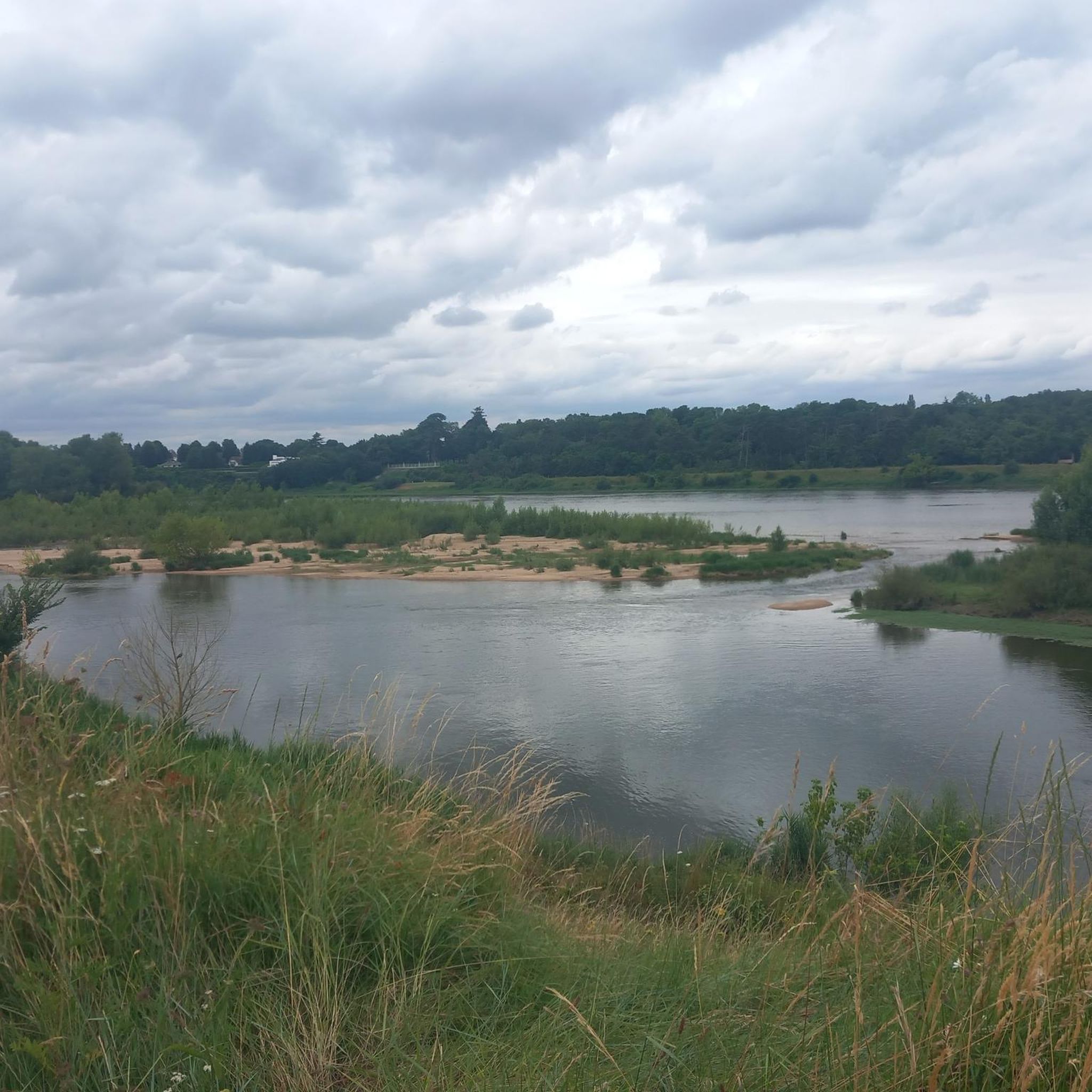
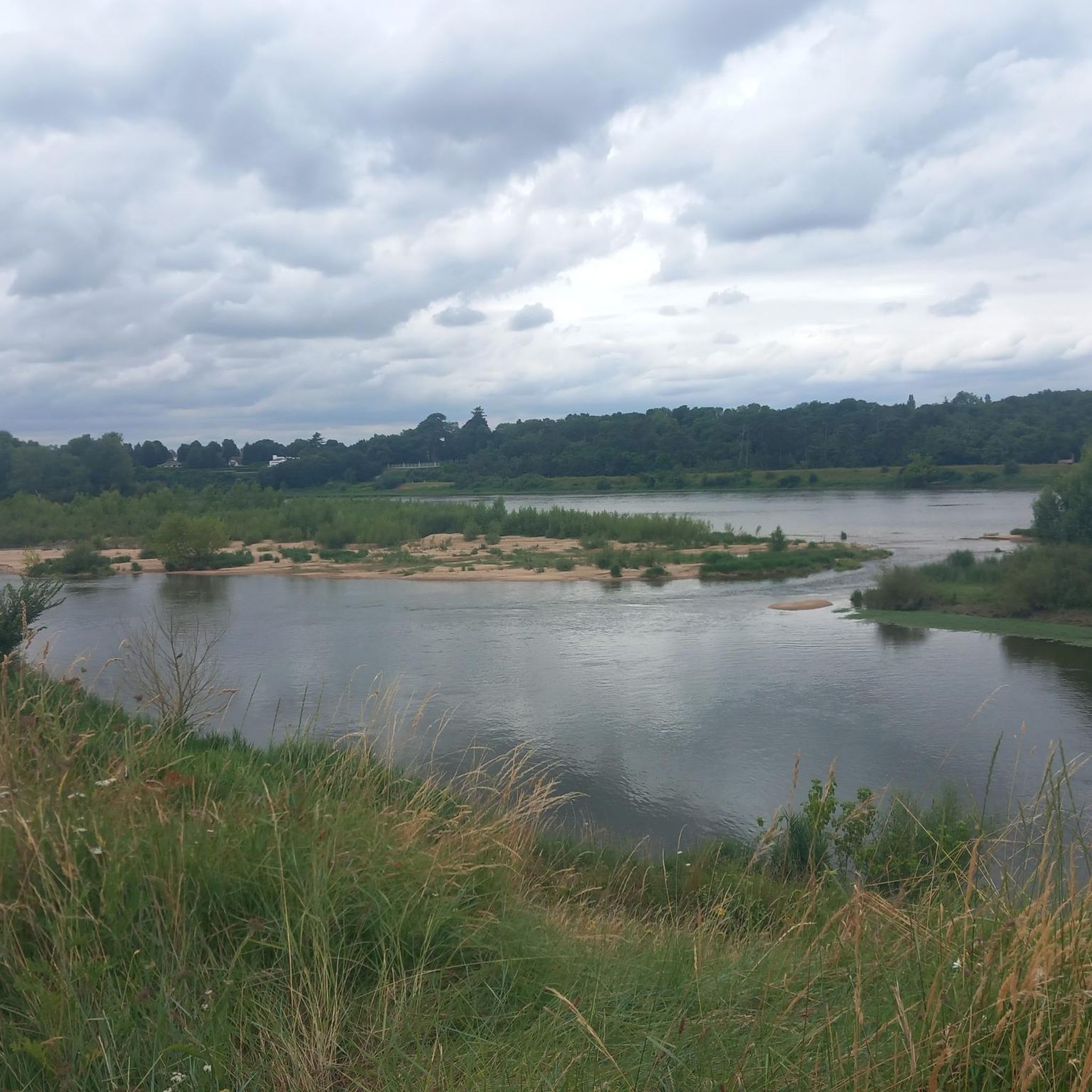
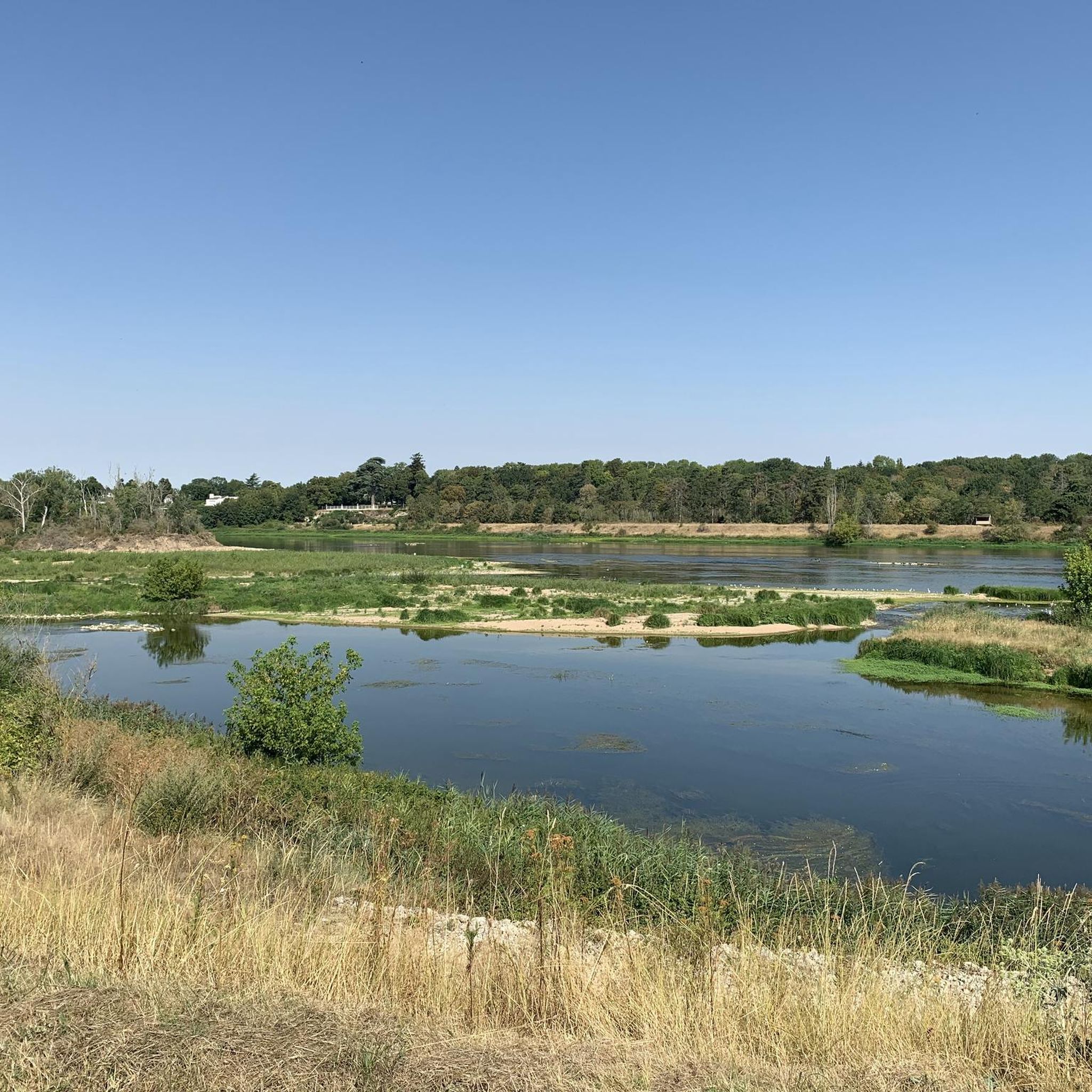
Confluence of the Loire and the Loiret
Highlight • River
Translated by Google •
Tip by
Joan of Arc House
Highlight • Historical Site
Translated by Google •
Tip by

Royal Basilica of Our Lady of Cléry
Highlight • Historical Site
Translated by Google •
Tip by

Sign up for free to discover even more attractions around Saint-Ay.
Sign up for free
Already have an account?
Start today with a free account
Your next adventure awaits.
Login or Signup

Tips from the Community

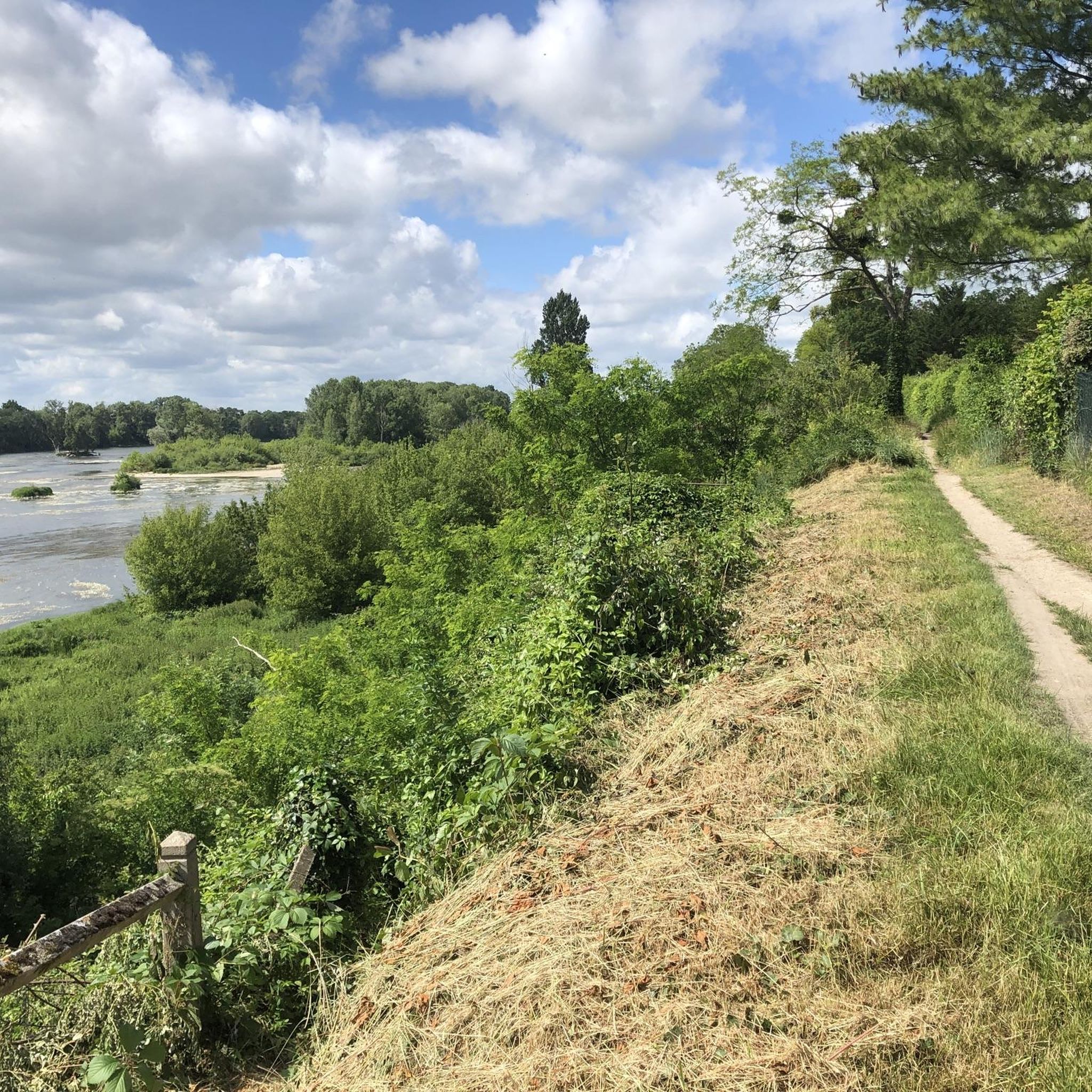
Greenway along the Loire. Rolling track with tarmac, dirt, or white gravel covering depending on the section. Allows you to be away from traffic with little shared road.
2
0

A beautiful design - impressive and a great view!
3
1

Observe what it would have looked like in the past...imagine if this was all surrounded by history. And imagine yourself in the old times... this guarantees the speed at which you travel
1
0

Located between Orléans and Chambord, in the Valley of the Kings, the Notre-Dame de Cléry Basilica has stood in the heart of the town of Cléry-Saint-André since the 15th century. After several constructions and demolitions, the current Basilica in flamboyant Gothic style was built during the 15th century, under Charles VII and Louis XI. The latter chose it as the place of his final rest. In 1280, the discovery of a statue of the Virgin was the beginning of what would become the Basilica of Cléry Saint-André. In a small chapel where the statue is installed, pilgrims flock to pray before the Virgin of Cléry, invested with miraculous powers. In 1302, Simon de Melun, Lord of the Hall in Cléry, founded a chapter of canons and at the same time, the collegiate church of Cléry. A few years later, Philippe Le Bel undertook the construction of a larger church. It was Philippe VI of Valois who laid the first stone of the building in 1339 while the pilgrimage grew. In the midst of the Hundred Years' War, the English ravaged the collegiate church, leaving only the bell tower as the only vestige. Dunois, Lord of Beaugency, initiated the reconstruction of the collegiate church in 1444. This reconstruction is the fruit of the desire of the kings of France to honor the statue of the Virgin Mary. From 1459, Louis Since 1894, it has had the title of Basilica. Raised on a Latin cross plan, the exterior is punctuated by a series of buttresses, flying buttresses and high windows whose regularity is only disturbed by the original bell tower and a few chapels. Even today, the Basilica welcomes many pilgrims who come to pay their respects to the famous statue. During your visit, discover the film “Basilica” broadcast continuously in the old sacristy. It reveals the inaccessible places of the building but above all, the great beauty of its architecture and the emotion it provides. All year round: guided tour for groups by reservation only.
0
0

Quick discovery of the city of Orleans
1
0

Magnificent bridge, the latest in the city of Orléans.
0
0

Half-timbered house which is a reconstruction made in 1960 of the residence of Jacques Boucher. General treasurer of the Duke of Orléans, he hosted Joan of Arc from April 29 to May 9, 1429 during the siege of Orléans.
0
0

Via the Rue Jeanne d'Arc we reach the Place du Martroi, in the center of which is Joan of Arc on horseback and a little further we reach the museum in the Maison de Joan of Arc, a reconstructed house where she stayed during the Battle of Orléans. A multimedia area awaits us here. The original building was destroyed in 1940 and rebuilt in 1961. A 15-minute video tells the story of her life, the importance of the Hundred Years' War, her murder and her memory. If it is not so easy for us to follow the video with the abundance of historical facts, the only languages available are English and French. More information is available on screens. https://youtu.be/mtZ845gbC7A
0
0
Frequently Asked Questions
What natural attractions can I explore around Saint-Ay?
Saint-Ay is ideally situated to explore the natural beauty of the Loire River. A key natural attraction is the Confluence of the Loire and the Loiret, a nature reserve rich in flora and fauna. You can also enjoy peaceful boat rides along the picturesque Saint-Ay Canal, which is lined with willows and passes through charming villages. The region offers numerous walking and cycling trails, including sections of the famous "Loire à Vélo" route, allowing you to discover diverse landscapes like sandy banks and oxbow lakes.
Are there historical sites to visit in Saint-Ay and its surroundings?
Yes, Saint-Ay and its vicinity are rich in history. You can visit the historic Saint-Ay Church, dating back to the late 12th century, or explore the grounds of the Château de Saint-Ay. Other notable historical sites include the Manoir des Moulins, the Rabelais Fountain, and the Abbaye de Voisins. Nearby, you'll find the Equestrian statue of Joan of Arc in Orléans and the Royal Basilica of Our Lady of Cléry, the final resting place of Louis XI.
What cultural experiences does Saint-Ay offer?
Saint-Ay provides several cultural experiences. You can take guided tours of local vineyards to learn about the production of Saint-Ay sparkling wine. The town also hosts local markets where you can experience the regional produce and atmosphere. Additionally, cultural events like the Festival des Vins de Bourgogne and the Saint-Ay Day Festival celebrate the town's heritage and produce. The Municipal Library and François Villon Room also host various cultural activities.
Are there family-friendly attractions around Saint-Ay?
Many attractions around Saint-Ay are suitable for families. The Confluence of the Loire and the Loiret offers a chance for nature observation and gentle walks. The Europe Bridge has wide cycle paths separated from traffic, perfect for family bike rides. Historical sites like the Joan of Arc House and the Royal Basilica of Our Lady of Cléry can also be engaging for older children interested in history.
What outdoor activities can I do near these attractions?
The region around Saint-Ay is excellent for outdoor activities, especially cycling and mountain biking. You can find numerous routes for different skill levels. For cycling, explore routes like 'View of the Loire with anchor loop from Saint-Ay' or 'The Harbour Master's Office loop from Saint-Ay'. You can find more options in the Cycling around Saint-Ay guide. For mountain biking, consider routes like 'Quai du Châtelet, Orléans – Meung-sur-Loire West loop from Mareau-aux-Prés' or 'Combleux – Orléans Cathedral loop from Chaingy-Fourneaux-Plage', detailed in the MTB Trails around Saint-Ay guide.
Are there any wheelchair accessible attractions in the area?
Yes, some attractions in the area are wheelchair accessible. The Europe Bridge is designed with wide, separated cycle paths, making it accessible. The Equestrian statue of Joan of Arc in Place du Martroi is also generally accessible for viewing. When planning your visit, it's always recommended to check specific venue accessibility details beforehand.
What are some hidden gems or lesser-known spots in Saint-Ay?
Beyond the main highlights, consider exploring the Priory of Sainte-Croix, a 12th-century priory known for its Romanesque architecture and peaceful gardens. The Saint-Jean de Pontoise Church is another medieval gem with impressive frescoes. For a unique historical perspective, seek out the Rabelais Fountain, where François Rabelais is believed to have written part of 'Le Tiers livre' of Pantagruel.
What do visitors enjoy most about the attractions around Saint-Ay?
Visitors particularly appreciate the blend of historical significance and natural beauty. The Confluence of the Loire and the Loiret is highly rated for its natural environment and scenic views. The Equestrian statue of Joan of Arc is admired for its historical importance and prominent location. Many also enjoy the architectural success of the Europe Bridge, especially for its dedicated cycle paths.
Can I find routes for gravel biking near Saint-Ay?
Yes, the area around Saint-Ay offers excellent opportunities for gravel biking. You can explore routes like 'The Loire – Meung-sur-Loire loop from Meung-sur-Loire' or 'Meung-sur-Loire – Joan of Arc Memorial loop from Chaingy-Fourneaux-Plage'. These routes allow you to experience the diverse landscapes of the Loire Valley. More detailed routes can be found in the Gravel biking around Saint-Ay guide.
Where can I experience local markets in Saint-Ay?
Saint-Ay hosts local markets, with the historic Place du Marché being a central location. These markets offer a wonderful opportunity to immerse yourself in the local culture, discover regional produce, and experience the authentic daily life of the town. Check local schedules for specific market days and times.
What is the significance of the Loire River in Saint-Ay?
The Loire River is central to Saint-Ay's identity and appeal. As a UNESCO World Heritage site, it's known for its rich biodiversity and picturesque landscapes. Saint-Ay is situated on its north bank, offering direct access to its wild character, changing landscapes, and opportunities for boat rides. The river also forms the backdrop for numerous walking and cycling trails, including the famous "Loire à Vélo" route.

Get inspired with the komoot mobile app


Explore more
Still not found the Highlight you’re looking for? See guides of the top attractions in other regions:
