Attractions and Places To See around Dammartin-Marpain - Top 17
Best attractions and places to see around Dammartin-Marpain, located in the Jura department of Bourgogne-Franche-Comté in eastern France, offers a blend of historical landmarks, cultural sites, and natural beauty. The area is characterized by forests, the Ognon River, and a granitic massif, providing diverse landscapes. Historical significance is evident through ancient Roman settlements, medieval castles, and centuries-old churches. Visitors can explore a range of sites from man-made monuments to natural caves.
Best attractions and places to see around Dammartin-Marpain
- The…
Last updated: July 14, 2026
Saint-Hilaire Gate
Highlight • Historical Site
Translated by Google •
Tip by

The Forges of Pesmes
Highlight (Segment) • Historical Site
For the "Musée des Forges" there are only …
Translated by Google •
Tip by
Sign up now to discover places like this
Get recommendations on the best single tracks, peaks, & plenty of other exciting outdoor places.
Sign up for free
Croix Boyon
Highlight • Monument
Translated by Google •
Tip by

Royal House
Highlight • Other
15th - 16th century
Monument
The initial function of this building remains obscure. The Royal House was probably integrated into the city's fortifications, constituting a real barrier between …
Translated by Google •
Tip by
Pontailler-sur-Saône
Highlight • Settlement
Translated by Google •
Tip by

Sign up for free to discover even more attractions around Dammartin-Marpain.
Sign up for free
Already have an account?
Start today with a free account
Your next adventure awaits.
Login or Signup

Tips from the Community

It was through the Saint-Hilaire gate that, in 1477, the French soldiers of Louis XI invaded the town. Using the Trojan Horse ruse, Marshal de Craon brought carts filled with barrels and wheat from the villages of Mutigney and Chassey. The inhabitants of Pesmes allowed the carts to enter, and as soon as they passed through the gate, the soldiers appeared.
0
0
For over 300 years, the blast furnaces, renowned throughout France, produced cannonballs initially for the King's army and later for the armies of the Republic. From the 19th century onward, this industry shifted to manufacturing small agricultural and winemaking tools. Guided tours are available by reservation through Culture et Animations Pesmoises.
0
0
With its imperial bell tower typical of the Franche-Comté region, the Church invites you to travel back in time through its construction where the 13th, 14th and 16th centuries intertwine and offers you a journey through varied artistic influences: Burgundian, Comtois and Champenoise.
0
0

In Hans-Peter Kerkeling's book "Ich bin dann mal weg" (I'm Off Then), in which he describes his thoughts and experiences on the Way of St. James through northern Spain, which he walked in June/July 2001, the popular entertainer draws his own personal conclusion before returning from Santiago de Compostela. I would like to offer this final thought, likely matured over weeks on the Camino Frances, to the viewer of this small sacred monument in the form of a wayside cross: "God is the one individual who opens himself infinitely to liberate all. (...) The Creator throws us into the air, only to surprisingly catch us again at the end. It's like the exuberant game that parents play with their children. And the message is: Have faith in the one who throws you, because he loves you and, quite unexpectedly, will also be the catcher. And when I look back, God constantly threw me into the air and caught me again along the way. We met every day." (Hape Kerkeling in “I’m off then. My journey on the Way of St. James”)
0
0
Even though this small sacred monument is not located on the famous Way of St. James through northern Spain, in view of the wayside cross standing here, some thoughts by Hape (Hans-Peter) Kerkeling might be helpful as inspiration. The entertainer, who is particularly famous in Germany, walked the Camino Frances in 2001 and kept a diary, which was published under the title "Ich bin dann mal weg" (I'm off then). In it, he describes his personal encounter with God along the way as follows: "Yesterday, something inside me struck a huge gong. And the sound will reverberate. Sooner or later, this path shakes everyone to their very foundations. I know the sound will slowly fade, but if I listen carefully, I'll be able to hear this reverberation for a very long time to come."
1
0

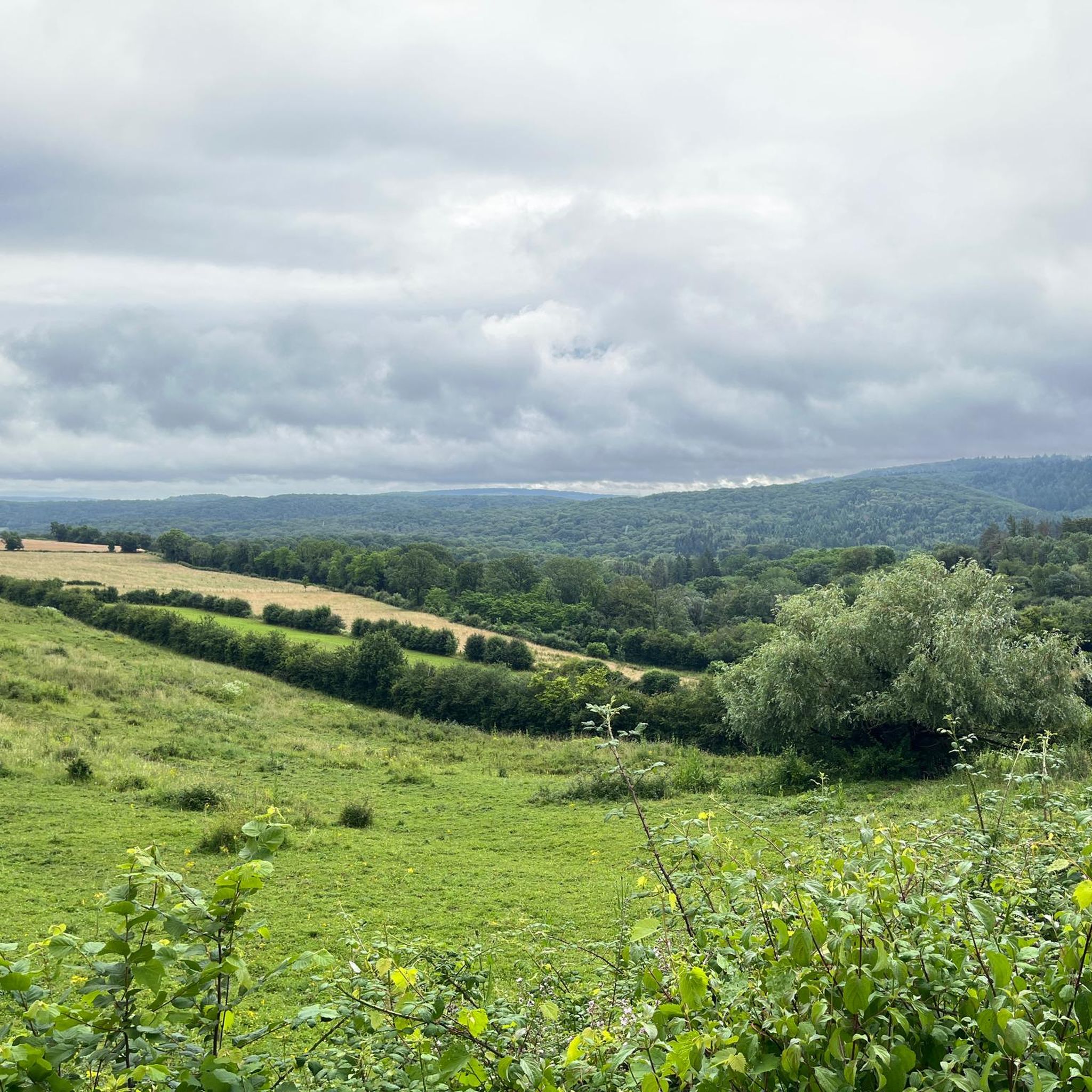
Very nice walk in the forest of the greenhouse. Sometimes the path runs along the stream, very pleasant when it is hot Recommended
0
0

A good place to stay overnight if you can find a free room.
5
3

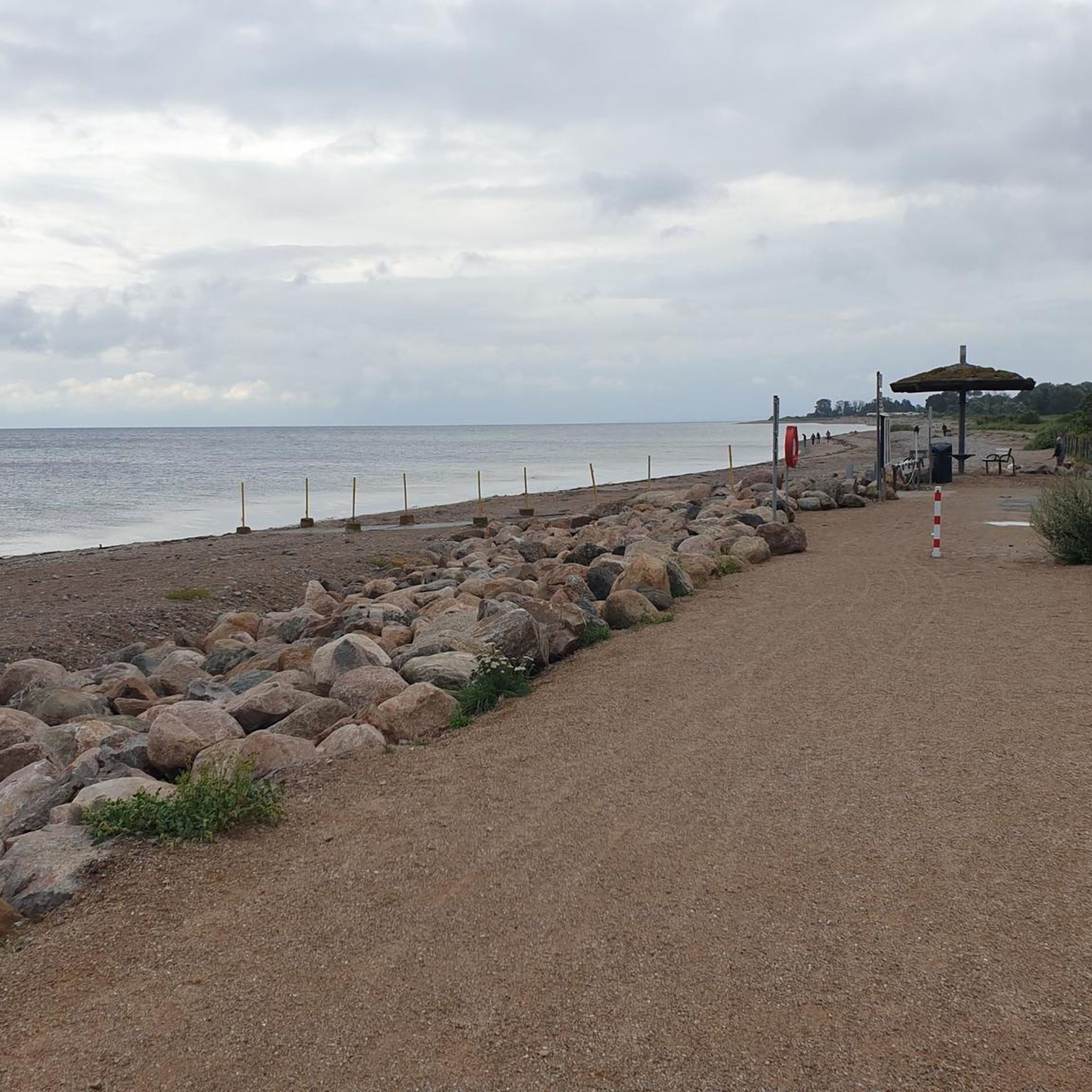
The town offers everything you need for a pleasant break: shops, refreshments at the bars, a safe swimming area at the beach, a charming marina, playgrounds for children, and a lovely view of the Saône.
2
0
Frequently Asked Questions
What historical sites can I explore around Dammartin-Marpain?
The region is rich in history. You can visit the 16th-century Saint-Hilaire Gate in nearby Pesmes, one of only two surviving gates from the original six. Also in Pesmes, explore The Forges of Pesmes, an industrial monument dating back to 1660. Beyond these, the area features the historic Château de Montrambert, Château de Dammartin, and centuries-old churches like Église Saint-Martin and Église Notre-Dame. An important ancient Roman settlement has also been identified between Dammartin and Marpain.
Are there any natural attractions or features to see?
Yes, the area offers several natural points of interest. The Hermitage Cave in the Serre massif is a fascinating prehistoric cave shaped by erosion and human activity. The Ognon River, which separates the Jura department from Haute-Saône, plays a significant role in the local landscape. The surrounding area is also characterized by extensive forests, primarily beech and coniferous trees, and is notable for being the only granitic massif in the Jura department.
What outdoor activities can I do near Dammartin-Marpain?
You can enjoy a variety of outdoor activities. For mountain biking, explore routes like the 'Hermitage Cave – Croix Boyon loop' from Brans or Montmirey-le-Château. Road cyclists can try the 'Loop of the Forges' or longer routes like 'The Doubs – Rhine-Rhône Canal loop'. Gravel biking options include the 'Croix Boyon – Hermitage Cave loop' from Offlanges. You can find more details and routes on the MTB Trails, Road Cycling Routes, and Gravel Biking guide pages.
Are there family-friendly attractions around Dammartin-Marpain?
Absolutely. Pontailler-sur-Saône is a great option, offering a safe swimming area, playgrounds for children, and shops. The Croix Boyon, a landmark in the forest, provides a pleasant walk suitable for families. The Saint-Hilaire Gate in Pesmes is also considered family-friendly, allowing for an exploration of historical architecture.
Where can I find scenic viewpoints in the area?
For scenic views, Pontailler-sur-Saône offers lovely views of the Saône River. The Croix Boyon, situated within a forest, provides a pleasant setting for a walk and is considered a viewpoint. The general landscape, with the Ognon River valley and the granitic massif, offers many picturesque spots.
What are some unique or hidden gems to discover?
Beyond the main attractions, consider exploring the Hermitage Cave, a prehistoric site that feels like a hidden luxury house in the forest. The Croix Boyon, a significant man-made monument nestled in the forest, is another unique spot that offers a tranquil experience. The Fontaine-Lavoir de Saint-Symphorien, a restored 19th-century washhouse-fountain, also offers a glimpse into local heritage.
What do visitors enjoy most about the attractions around Dammartin-Marpain?
Visitors appreciate the blend of historical significance and natural beauty. For instance, the Croix Boyon is praised for offering a very nice walk in the forest, sometimes alongside a stream, which is particularly pleasant on hot days. The Pontailler-sur-Saône is valued for its amenities, safe swimming, and charming marina, making it a great spot for a break.
Are there places to relax or find amenities near the attractions?
Yes, Pontailler-sur-Saône is an excellent place to find amenities. It offers shops, bars for refreshments, a safe swimming area, a marina, and playgrounds. It's a convenient spot for a pleasant break during your exploration of the region.
What is the historical significance of the Ognon River in this region?
The Ognon River is historically significant as it separates the Jura department from Haute-Saône and has played a crucial role in the settlement patterns of the area. Notably, an important ancient Roman settlement was identified along its left bank between Dammartin and Marpain, indicating its importance for early inhabitants and trade routes, including a Roman road connecting Langres to Besançon.
Can I visit any castles in Dammartin-Marpain?
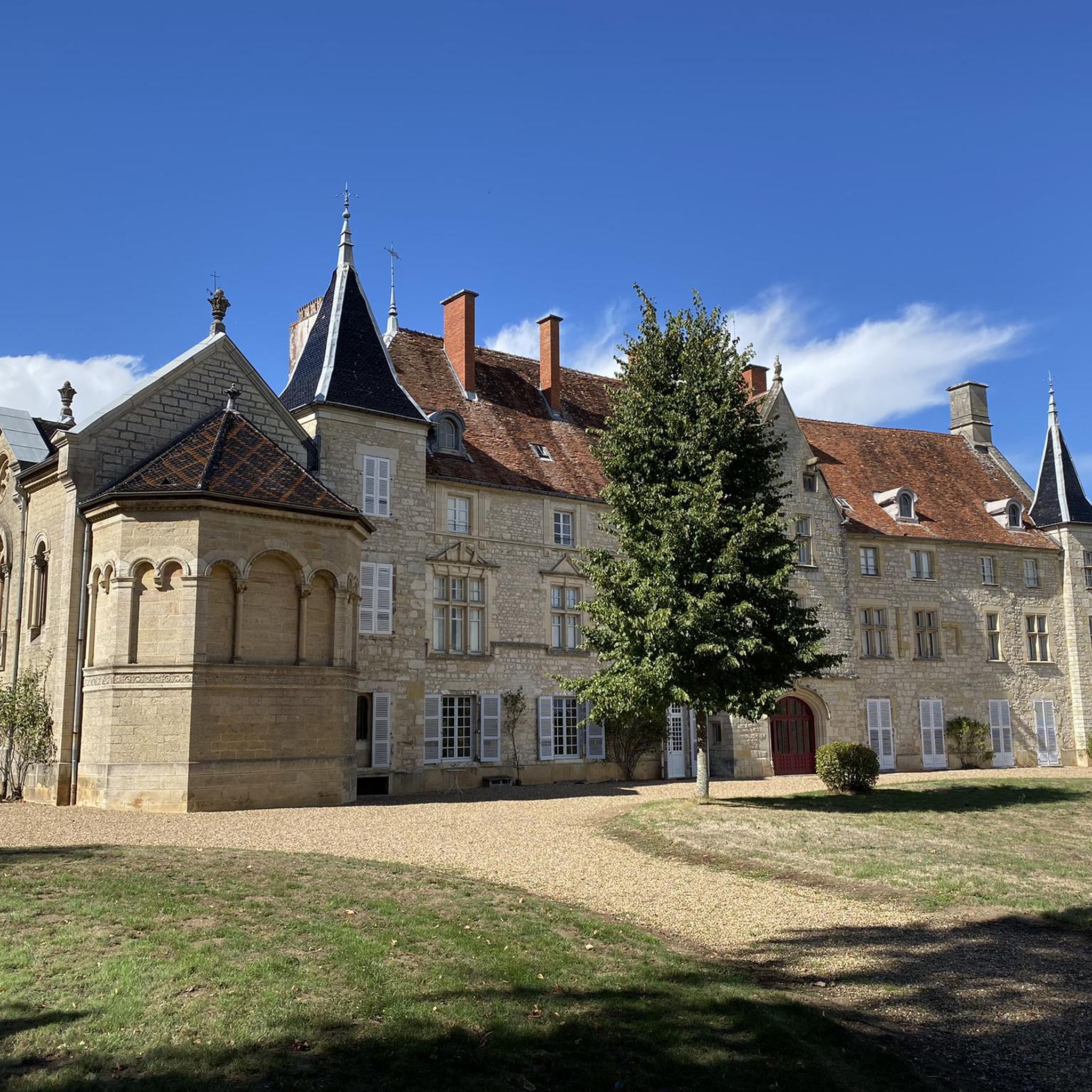
Yes, the area is home to several historical castles. The Château de Montrambert, dating back to 1260 with a 16th-century main building, is listed in the Inventory of Historic Monuments. While the castle itself is only occasionally open, its park and a neo-Romanesque chapel are accessible to visitors in July, August, and during Heritage Days in September. The Château de Dammartin, a private 17th-century structure, is also recognized as a Historic Monument.
What kind of forests can I expect to see around Dammartin-Marpain?
The Dammartin-Marpain area is characterized by extensive forests, primarily composed of beech and coniferous trees. These forests contribute to the region's natural beauty and provide pleasant settings for walks and outdoor activities, such as the path leading to Croix Boyon.
Most popular routes around Dammartin-Marpain

Get inspired with the komoot mobile app


Explore more
Still not found the Highlight you’re looking for? See guides of the top attractions in other regions:
