Attractions and Places To See around Châteauneuf-Du-Pape - Top 20
Best attractions and places to see around Châteauneuf-Du-Pape include historical sites, vineyards, and cycling routes. This region in Provence is known for its rich history, particularly its connection to the papacy, and its wine production. The landscape features extensive vineyards, views of the Rhône Valley, and distant natural landmarks like the Dentelles de Montmirail and Mont Ventoux.
Best attractions and places to see around Châteauneuf-Du-Pape
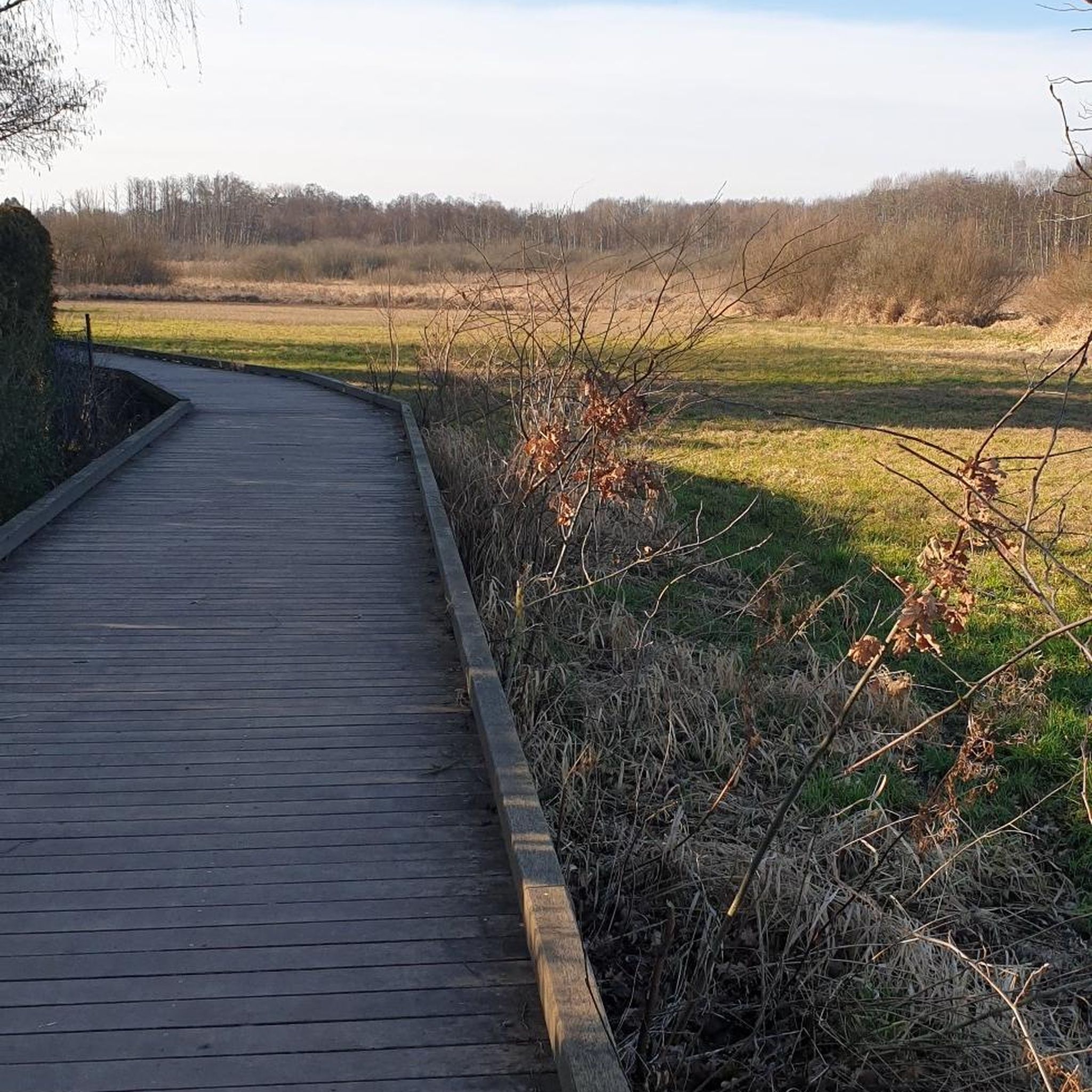
- The most popular attractions is Via Venaissia, a panoramic cycle and pedestrian path. It follows an old railway line, offering a peaceful, car-free route through the Vaucluse region.
- Another must-see spot is ViaRhôna Cycle Route, a cycle way that runs along the Rhône. This well-maintained bike path is part of EuroVelo 17 and extends for over 815 kilometers.
- Visitors also love Roman Amphitheatre of Orange, an archeological site dating from the 1st century AD. It is one of the best-preserved Roman theaters globally and continues to host performances.
- Châteauneuf-Du-Pape is known for its historical sites, extensive vineyards, and dedicated cycling routes. The area offers a variety of attractions to explore, from ancient ruins to wine-tasting experiences.
- The attractions around Châteauneuf-Du-Pape are appreciated by the komoot community, with 7 highlights receiving 362 upvotes and featuring 39 photos.
Last updated: July 20, 2026
ViaRhôna Cycle Route
Highlight (Segment) • Cycleway
Tip by

Via Venaissia
Highlight (Segment) • Other
Translated by Google •
Tip by

Sign up now to discover places like this
Get recommendations on the best single tracks, peaks, & plenty of other exciting outdoor places.
Sign up for free
Roman Amphitheatre of Orange
Highlight • Other
The facade overlooking the city is closed. Once the ticket for the visit is paid, you have access to another setting. Namely: a huge stage as well as imposing stands.
These Romans are talented!
Translated by Google •
Tip by

Via Venaissia
Highlight (Segment) • Other
Translated by Google •
Tip by

Châteauneuf-du-Pape Castle
Highlight • Castle
Translated by Google •
Tip by

Sign up for free to discover even more attractions around Châteauneuf-Du-Pape.
Sign up for free
Already have an account?
Start today with a free account
Your next adventure awaits.
Login or Signup
Tips from the Community

Beautiful itinerary, I particularly recommend the restaurant located in the old train station
0
0
very pleasant cool break on a hot day
0
0

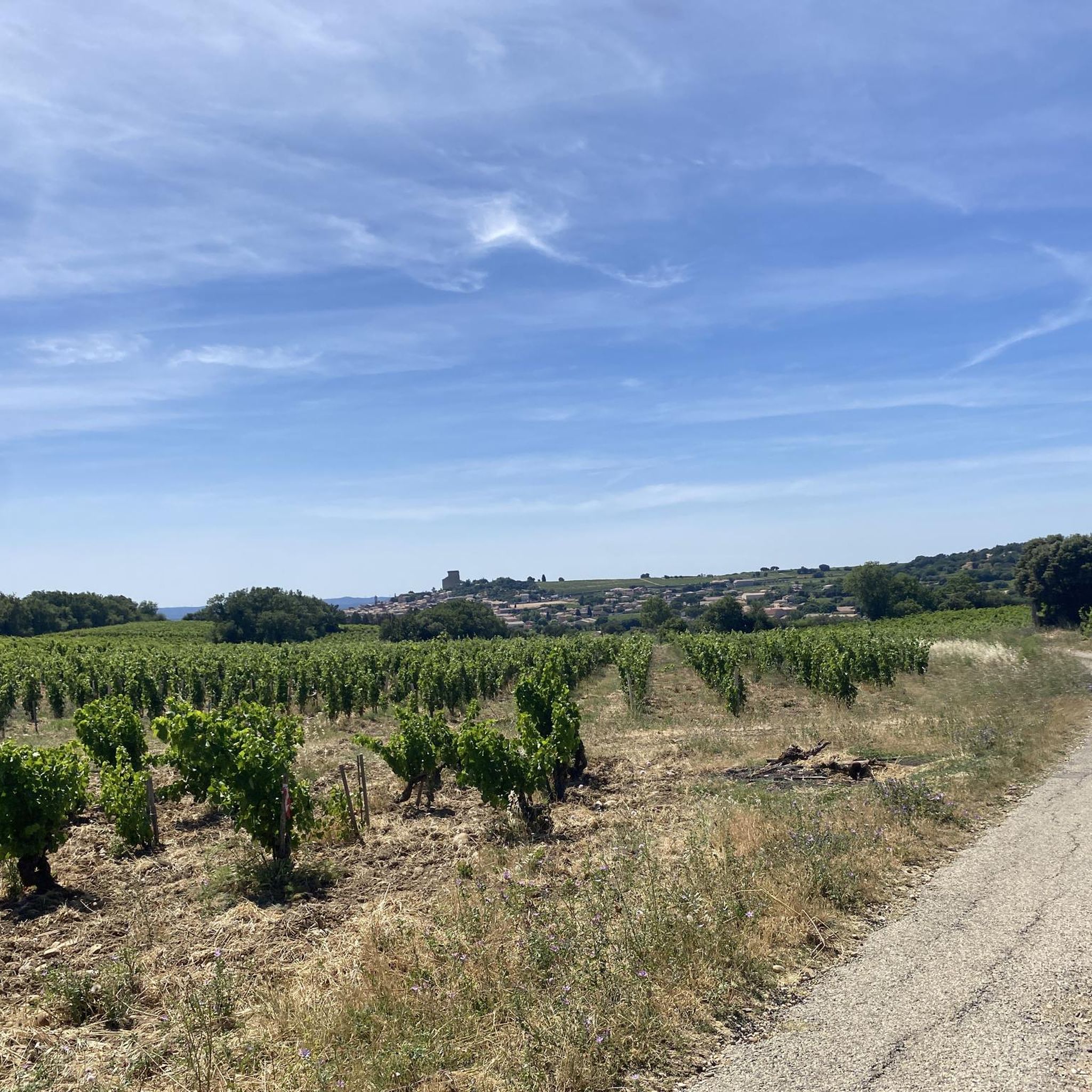
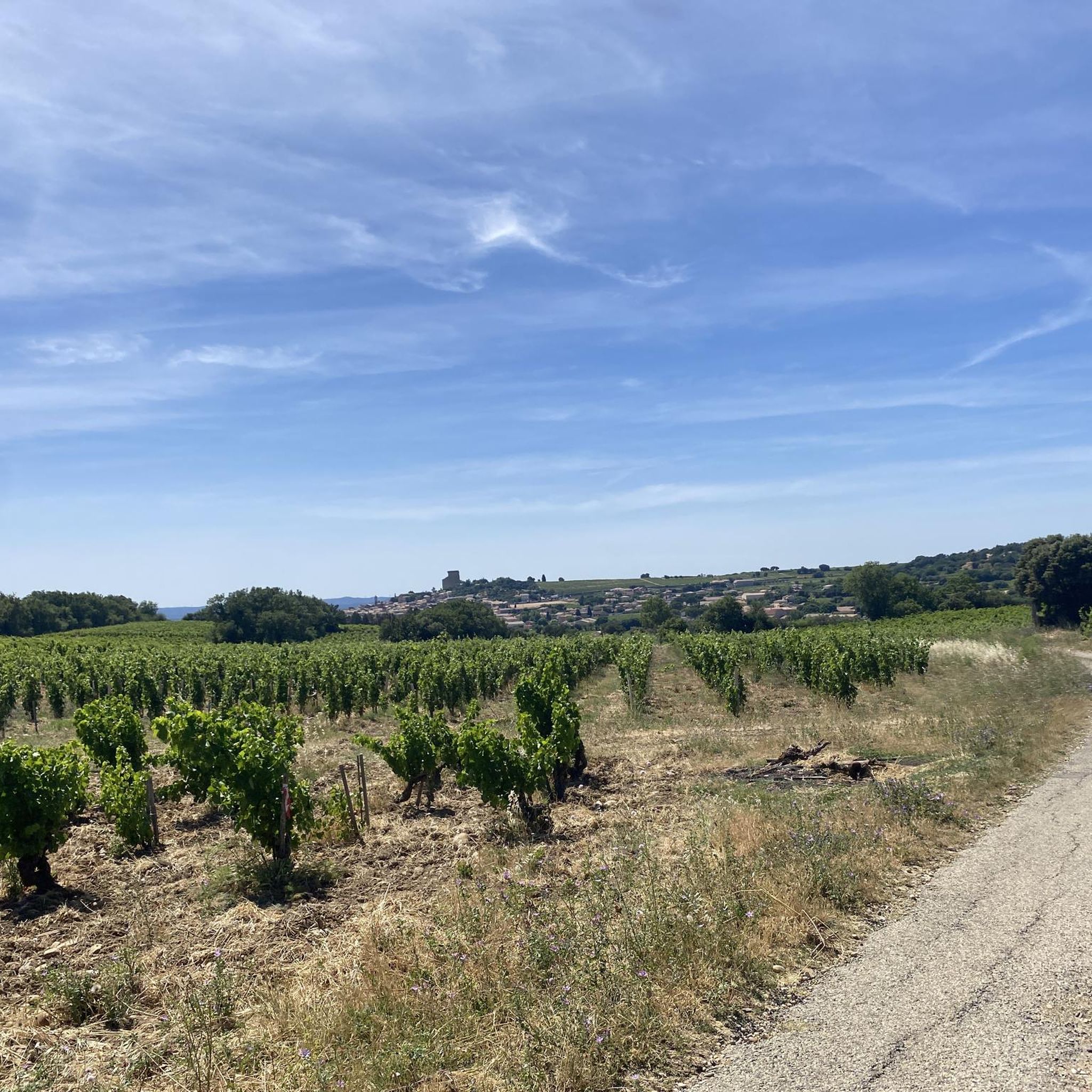
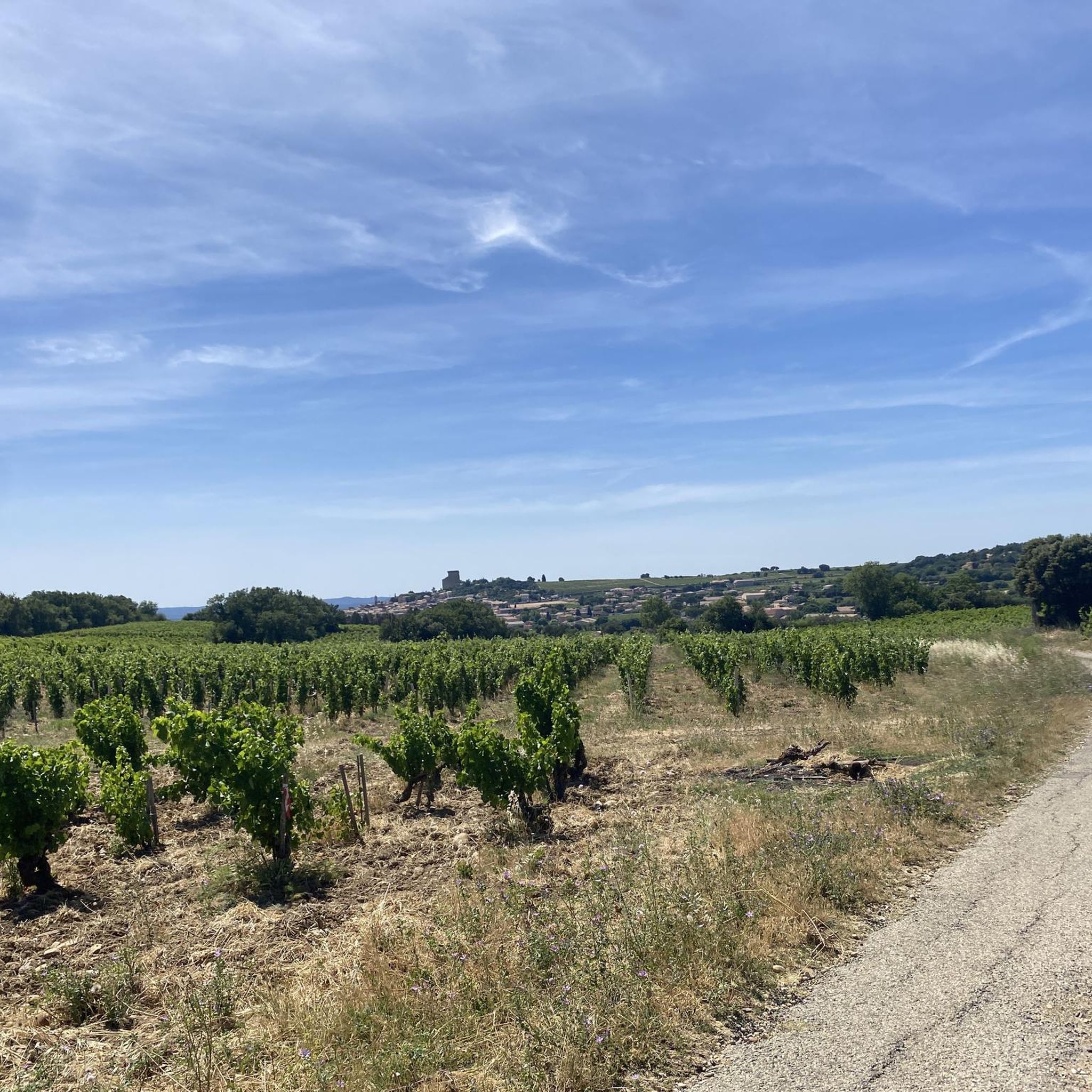
The Château de Châteauneuf-du-Pape is situated on a hill with panoramic views over the Rhône plain. The castle ruins date back to the 14th century and showcase medieval papal architecture. Wine lovers can sample the appellation's famous red wines in the surrounding area. The grounds offer numerous hiking trails between vineyards and lavender fields. Visitors gain insights into the history of the papal summer residence and the regional culture of Provence.
0
0
The Roman Amphitheater of Orange was built in the 1st century AD and can accommodate up to 10,000 spectators. Its original stage and monumental outer walls showcase Roman architecture on an impressive scale. The wall reliefs inside are almost completely preserved and depict scenes from ancient gladiatorial combats. Today, concerts and theater performances are held here, bringing history to life.
0
0

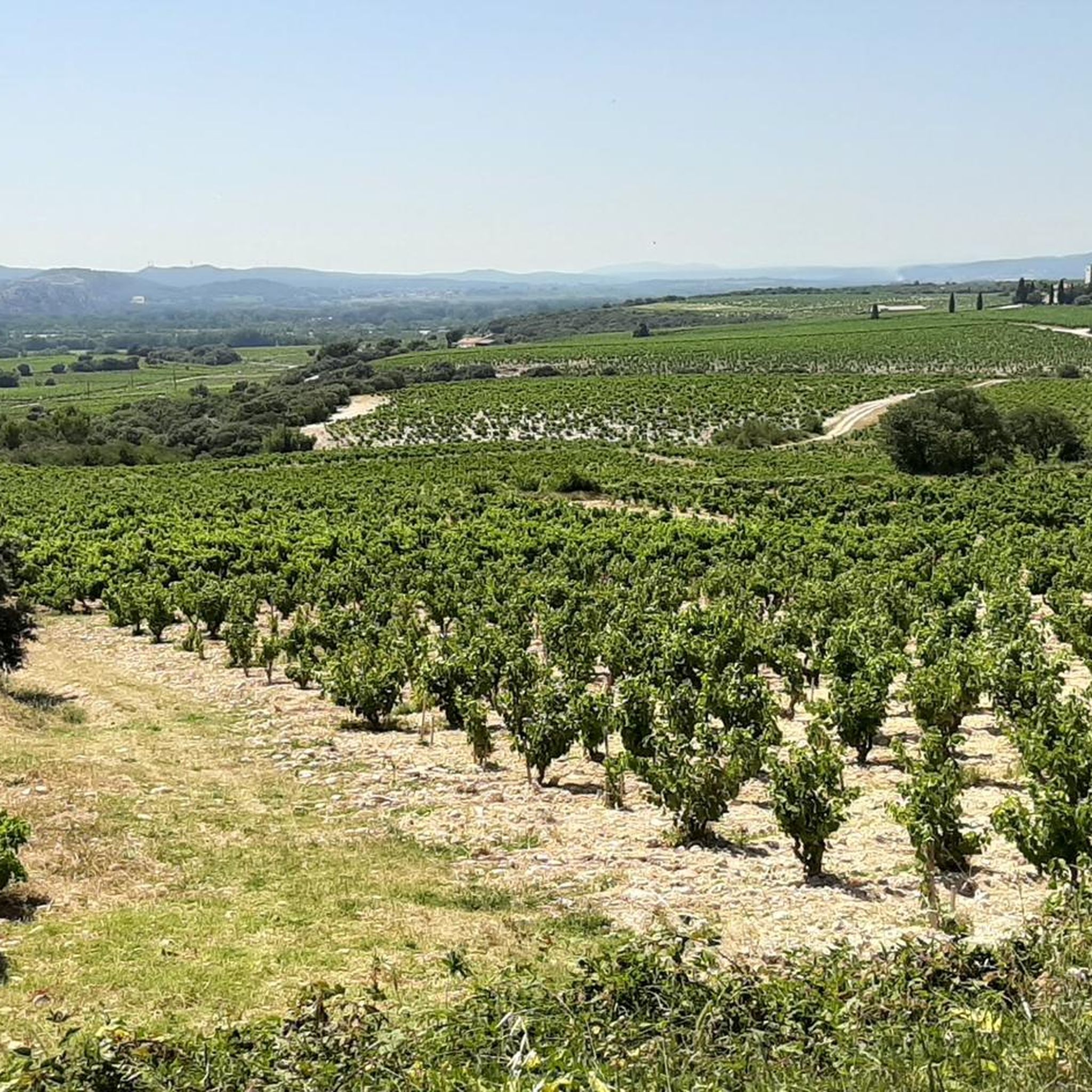
Great place to picnic at the top with the option of a quick vin rouge at the tasting at the top
0
0

For the Rhone Valley section: Top-notch road surface, guaranteed calm, views of beautiful villages and castles, we often cross the Rhone on nice bridges; we often go along the water and we can regularly go out to nearby villages. It is possible to pitch a tent easily in quite a few areas; there is a lack of water points in my opinion.
0
0
Great cycling infrastructure, great surface, the dream!
0
0

It is one of the best preserved of all Roman theatres. It has been restored to its former function, primarily for opera, alongside its use as a tourist spot.
1
0
Frequently Asked Questions
What historical sites can I explore in Châteauneuf-Du-Pape?
The most prominent historical site is the Châteauneuf-du-Pape Castle, the ruins of the 14th-century papal summer residence, offering panoramic views. You can also visit the 12th-century Notre-Dame-de-l'Assomption Church and stroll through the medieval village lanes. Nearby, the Roman Amphitheatre of Orange, dating from the 1st century AD, is one of the best-preserved Roman theaters globally.
What natural landscapes and viewpoints can I experience around Châteauneuf-Du-Pape?
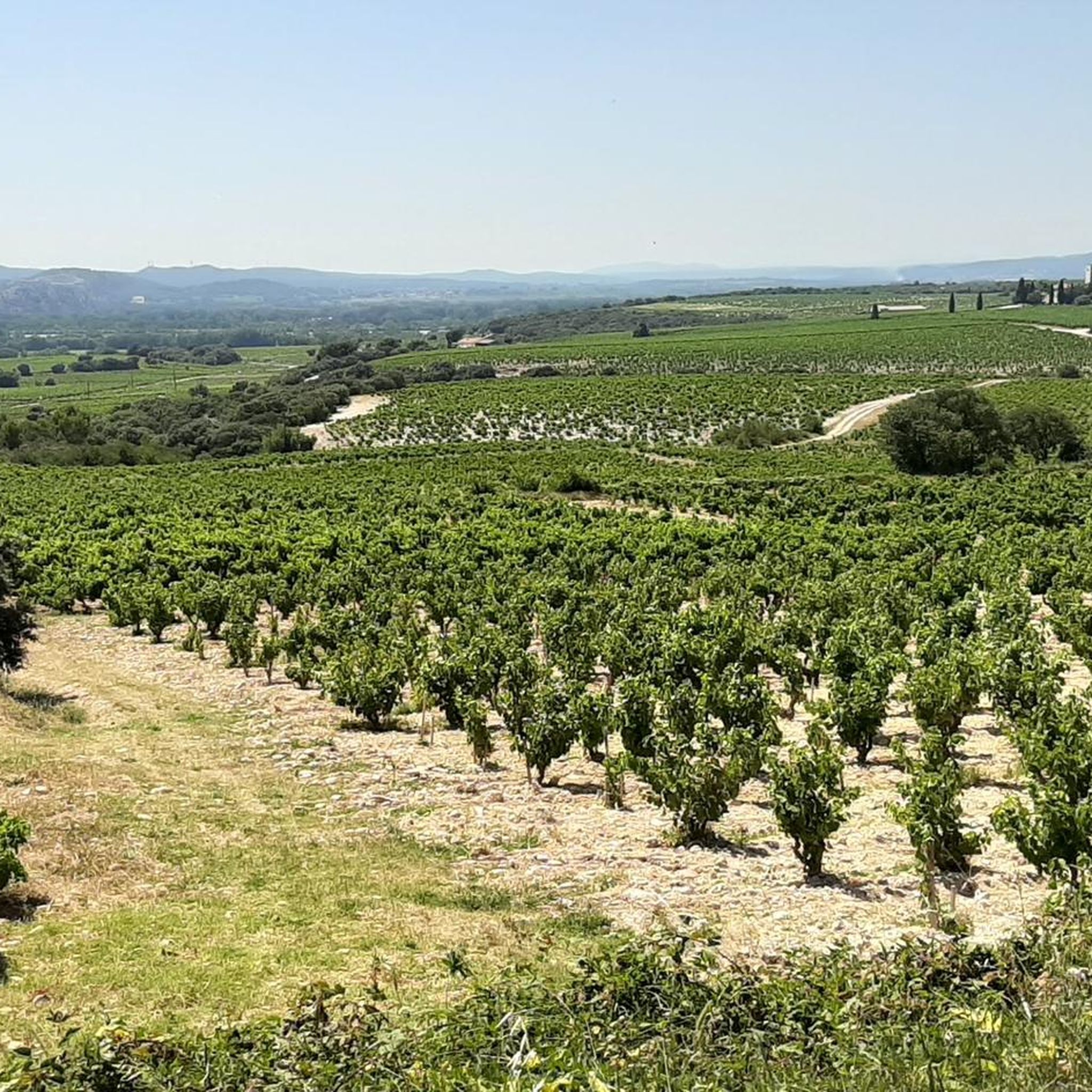
The region is defined by its extensive vineyards, often described as an 'island rising out of a sea of grapevines.' From elevated points, especially the Châteauneuf-du-Pape Castle, you can enjoy expansive views of the Rhône Valley, the Dentelles de Montmirail, and Mont Ventoux.
Are there dedicated cycling routes or paths near Châteauneuf-Du-Pape?
Yes, the area offers excellent cycling opportunities. The Via Venaissia is a panoramic cycle and pedestrian path built on a former railway line, providing a peaceful, car-free route. Another option is the ViaRhôna Cycle Route, a well-maintained bike path that runs along the Rhône and is part of EuroVelo 17. For more cycling adventures, explore the Road Cycling Routes around Châteauneuf-Du-Pape.
What walking or running trails are available around Châteauneuf-Du-Pape?
You can enjoy walks through the vineyards surrounding the village. For more structured routes, consider the Via Venaissia, which is also open to pedestrians. There are various Running Trails around Châteauneuf-Du-Pape, including moderate loops like the 'Ogier winery – View of Mont Ventoux loop'.
Are there family-friendly activities or attractions in the area?
The car-free Via Venaissia is suitable for families to cycle or walk. Exploring the medieval village lanes and visiting the Châteauneuf-du-Pape Castle ruins can also be engaging for children. The Chocolaterie Castelain offers a unique experience with chocolate and wine pairings, and workshops.
Where can I experience wine tasting or learn about the region's wine heritage?
Châteauneuf-Du-Pape is world-renowned for its wine. Numerous estates offer tastings and tours. Vinadea, 'the house of wine,' in the village center, provides free tastings and sells over 250 local wines. You can also visit the Musée du Vin (Brotte Wine Museum) to learn about the history of Châteauneuf-Du-Pape wine and its winemaking tools, often including a tasting.
When is the best time to visit Châteauneuf-Du-Pape?
The region is beautiful throughout the year. Spring and autumn offer pleasant temperatures for outdoor activities like cycling and walking through the vineyards. Summer is vibrant, especially if you can catch the Fête de la Véraison, a medieval festival in August with wine tastings and local products.
How can I get around Châteauneuf-Du-Pape and its attractions?
The village itself is best explored on foot. For reaching surrounding attractions and vineyards, cycling is a popular option, with dedicated routes like the Via Venaissia and ViaRhôna Cycle Route. Driving is also convenient for visiting various wineries and the Roman Amphitheatre of Orange.
What do visitors enjoy most about Châteauneuf-Du-Pape?
Visitors particularly appreciate the well-maintained cycling paths like the ViaRhôna Cycle Route for its smooth surface and the peaceful, car-free experience of the Via Venaissia. The historical significance and impressive acoustics of the Roman Amphitheatre of Orange are also highly praised, as are the panoramic views from the Châteauneuf-du-Pape Castle ruins.
Are there opportunities for gravel biking near Châteauneuf-Du-Pape?
Yes, the region offers several gravel biking routes. You can find moderate to difficult routes, such as the 'L'Hers Castle – Armeniers Bridge loop' or the 'In the maquis loop'. For detailed information and route options, refer to the Gravel biking around Châteauneuf-Du-Pape guide.
What are some unique cultural experiences in Châteauneuf-Du-Pape?
Beyond wine tasting, you can explore the charming medieval village lanes and visit the La Grande Fontaine in Place du Portail. If you visit in August, the Fête de la Véraison offers a unique medieval festival experience with local products and winemakers.
Most popular routes around Châteauneuf-Du-Pape
Most popular attractions around Châteauneuf-Du-Pape

Get inspired with the komoot mobile app


Explore more
Still not found the Highlight you’re looking for? See guides of the top attractions in other regions:
