The best walks and hikes around Caderousse
4.5
(439)
2,423
hikers
237
hikes
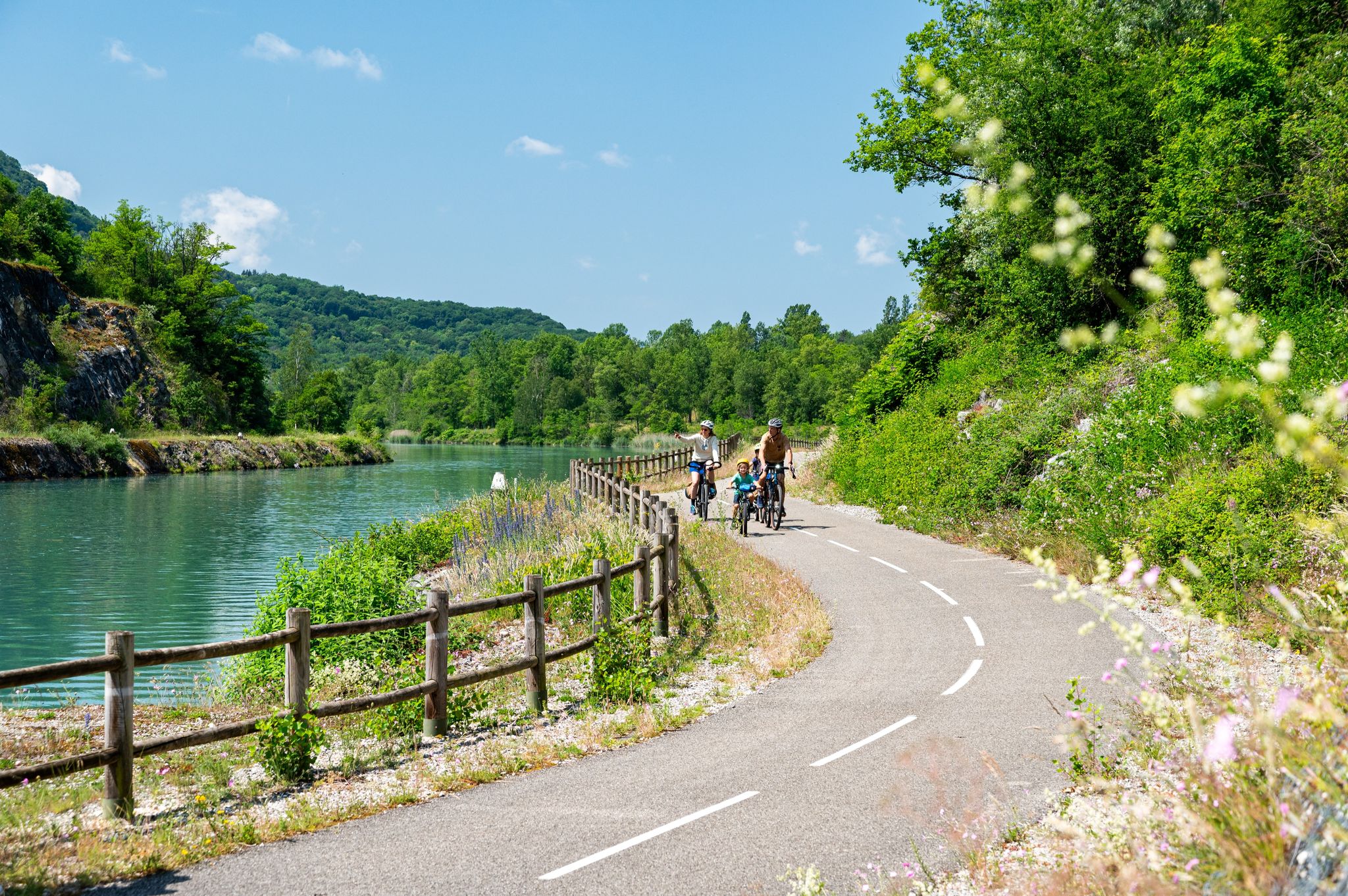
Hiking around Caderousse offers routes along the Rhône River and through scenic countryside. The region is characterized by flat terrain, extensive vineyards, and the presence of the Caderousse Dam. While Caderousse itself provides gentler walks, its location offers access to more varied landscapes, including limestone ridges and ochre hills in the wider Provence-Alpes-Côte d'Azur region. The area is also situated along the ViaRhôna, providing well-maintained paths for exploring the riverine environment.
Best hiking trails around Caderousse
- The most popular hiking…
Last updated: June 25, 2026
5.0
(3)
11
hikers
4.78km
01:17
60m
60m
Easy hike. Great for any fitness level. Easily-accessible paths. Suitable for all skill levels.
15
hikers
Easy hike. Great for any fitness level. Easily-accessible paths. Suitable for all skill levels.

Sign up for free
1.0
(1)
10
hikers
Easy hike. Great for any fitness level. Easily-accessible paths. Suitable for all skill levels.
5.0
(1)
8
hikers
6.30km
01:35
10m
10m
Easy hike. Great for any fitness level. Easily-accessible paths. Suitable for all skill levels.
3.0
(1)
9
hikers
Easy hike. Great for any fitness level. Easily-accessible paths. Suitable for all skill levels.
Get access to more routes and recommendations from other explorers.
Sign up for free
Already have an account?
Our route recommendations are based on thousands of hikes, rides, and runs completed by other people on komoot.
Start today with a free account
Your next adventure awaits.
Login or Signup
Other adventures around Caderousse

Tips from the Community

The Roman Amphitheater of Orange was built in the 1st century AD and can accommodate up to 10,000 spectators. Its original stage and monumental outer walls showcase Roman architecture on an impressive scale. The wall reliefs inside are almost completely preserved and depict scenes from ancient gladiatorial combats. Today, concerts and theater performances are held here, bringing history to life.
0
0
The Temple and Hemicycle in Orange impresses with Roman architecture dating back to the 1st century AD. The preserved hemicycle features elaborately decorated niches and arches. The temple impresses with its almost complete façade, lined with Corinthian columns. Visitors here experience firsthand evidence of ancient Roman architecture.
0
0
The Théâtre Antique d'Orange, built in the 1st century AD, is the best-preserved Roman theater in the Western world and has been a UNESCO World Heritage Site since 1981. Its impressive stage wall measures 103 meters long and 37 meters high and has been called "the most beautiful wall in my kingdom." Visitors can also take nighttime tours that bring the theater's history to life.
0
0
The Église Saint-Florent in Orange dates back to the 12th century and impresses with its Romanesque architecture. The intricately carved wooden gate and the capitals inside are particularly worth seeing. The church houses historic frescoes from the Middle Ages. Located right in the old town, it's a great place to combine with a walk to the Roman theater.
0
0
The Place aux Herbes in Orange impresses with its well-preserved Roman paving and historic fountains dating back to the 17th century. Colorful market stalls selling regional herbs, olives, and local specialties line the square. Cafés and bistros offer the opportunity to soak up the Provençal atmosphere. Weekly markets and local events are held regularly, bringing the square to life.
1
0

The Arch of Orange (also known as the Triumphal Arch or Arch of Augustus of Orange) is a three-gate triumphal arch, probably from the late Augustan or early Tiberian period, which was located in front of the northern city entrance to ancient Arausio, today's Orange in the southern French department of Vaucluse, and was about 110 meters outside the city. Almost all of the arch's surfaces are covered with reliefs, the majority of which are depictions of weapons and tropes. There are also battle reliefs of victorious Romans fighting defeated Gauls, as well as minor reliefs from the area of Roman religion. Fastening holes for attaching metal letters, which roughly determine the reason and time of the building's construction, allow the inscription to be reconstructed, although its interpretation is debated. The arch was converted into a fortress in the 13th century and provided with an eight-meter-high tower. At that time it was owned by Raymond I of Baux, the prince of Orange, and belonged to the Principality of Orange until 1725. A careful restoration carried out in the 19th century was revised in the 1950s in keeping with the spirit of the times, so that it is hardly possible for the layperson to visually distinguish between the ancient findings and the restoration. In 1840 the arch was declared a monument historique and thus placed under monument protection as a remarkable building. Since 1981 the monument has also been a UNESCO World Heritage Site. https://de.wikipedia.org/wiki/Bogen_von_Orange
0
0

The Arc de Triomphe is another example of Roman splendour in Orange and is also on the UNESCO World Heritage List. This urban arch of impressive proportions, more than 19 m long and 20 m high, served as a gate at the entrance to the Roman city of Arausio in the 1st century AD.
0
0

Small, refreshing and soothing river with the sound of water in the heart of the city
2
0
Frequently Asked Questions
How many hiking trails are available around Caderousse?
There are over 230 hiking routes in the Caderousse area, offering a wide range of options for different preferences and skill levels. These include tranquil riverside paths, scenic vineyard strolls, and access to more varied landscapes in the broader Provence region.
Are there easy hiking trails suitable for beginners or families in Caderousse?
Yes, Caderousse is well-suited for easy walks. The flat terrain along the Rhône River and through the scenic countryside and vineyards provides many gentle routes. Nearly 100 of the available routes are classified as easy, perfect for beginners or family outings. For example, the The Arc de Triomphe – Triumphal Arch of Orange loop from Orange is an easy 4.7 km trail exploring historical landmarks.
Can I find circular hiking routes near Caderousse?
Many of the hiking routes around Caderousse are circular, allowing you to start and end at the same point. For instance, the Ancient Theatre – Ancient Theatre of Orange loop from Orange is a popular circular path offering views of the Ancient Theatre of Orange.
What kind of natural features or landscapes can I expect to see while hiking around Caderousse?
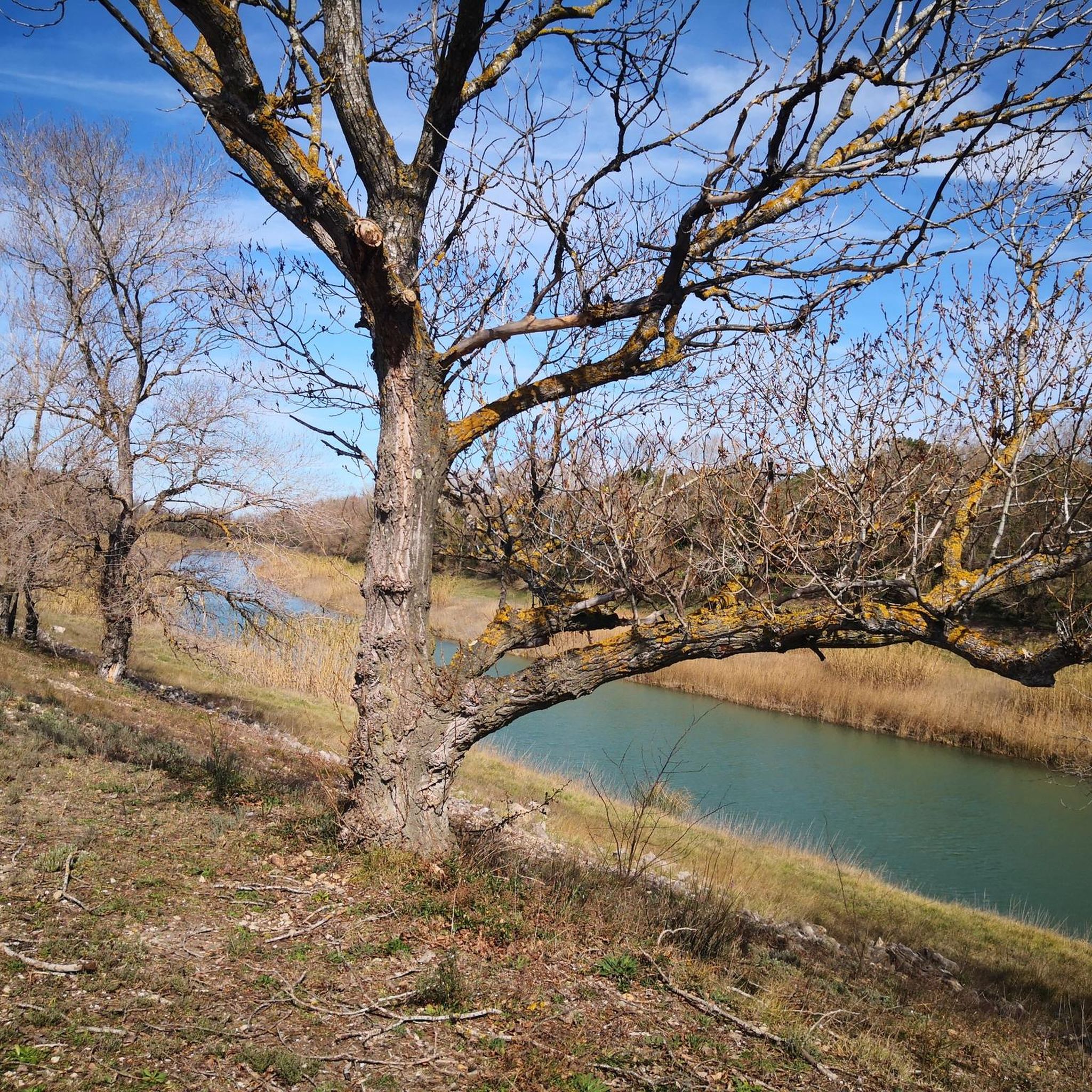
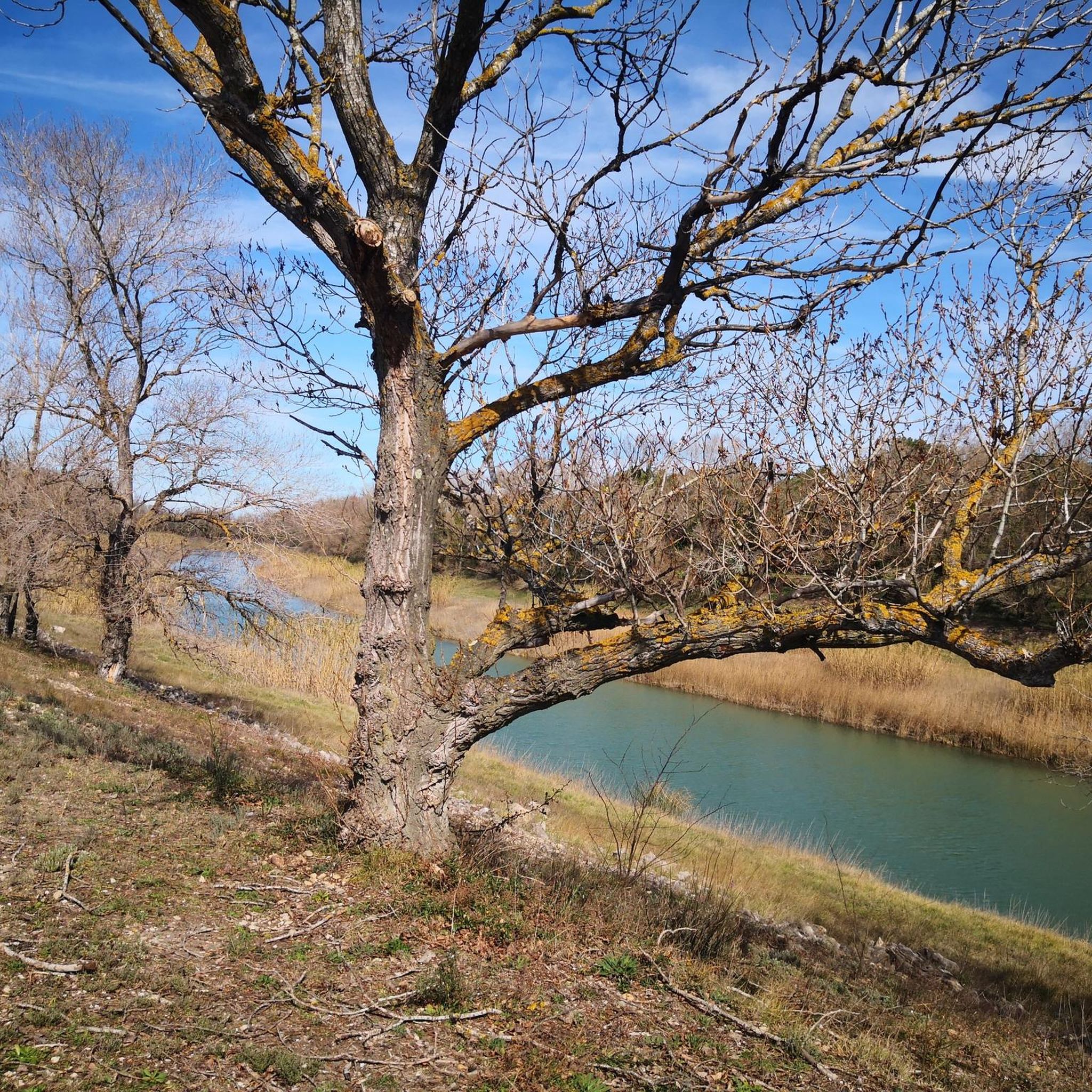
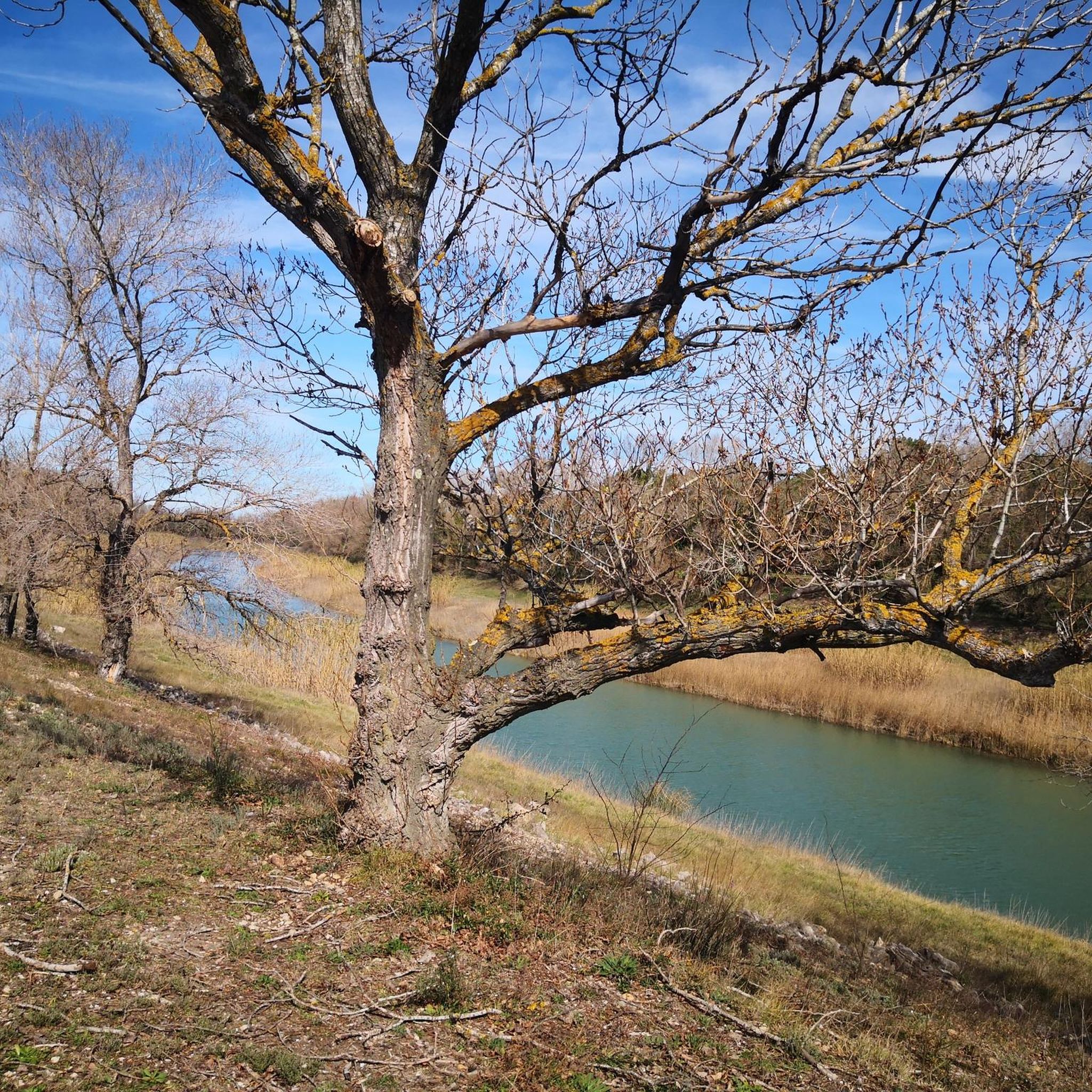
Hiking around Caderousse offers diverse natural features. You can enjoy tranquil strolls along the Rhône River and its banks, observe the impressive Caderousse Dam, and walk through picturesque vineyards. The region is also close to the ViaRhôna, an extensive greenway. While Caderousse itself offers gentler walks, its location provides access to more varied terrains like limestone ridges and ochre hills in the wider Provence-Alpes-Côte d'Azur region.
Are there any historical landmarks or attractions to visit on hikes near Caderousse?
Absolutely. The area around Caderousse is rich in history. You can explore routes that pass by significant sites such as the Arc de Triomphe and the Roman Amphitheatre of Orange. Other nearby attractions include various castles like Châteauneuf-du-Pape Castle and the ViaRhôna Cycle Route.
Are the hiking trails around Caderousse dog-friendly?
Many trails in the Caderousse area are suitable for dogs, especially the leisurely walks along the Rhône River and through the vineyards. It's always recommended to keep dogs on a leash, particularly in agricultural areas or near wildlife, and to check local regulations for specific routes.
What is the best time of year to go hiking in Caderousse?
The Provence-Alpes-Côte d'Azur region generally offers pleasant hiking conditions for much of the year. Spring and autumn are ideal, with milder temperatures perfect for exploring the riverside paths and vineyards. Summer can be warm, making early morning or late afternoon hikes preferable. Winter offers a different charm, with cooler, crisp air for walking.
How can I reach the hiking trails around Caderousse using public transport?
While Caderousse itself is a smaller town, its proximity to larger hubs like Orange means that some trailheads may be accessible via regional public transport. For specific routes, it's best to check local bus schedules or regional train connections to nearby towns, as direct public transport to all trailheads might be limited.
Is parking available at the trailheads for hikes near Caderousse?
Parking is generally available in and around Caderousse and at the starting points of many trails, especially those originating from towns like Orange. For popular routes, designated parking areas are often provided. It's advisable to check specific route details on komoot for information on parking facilities near your chosen trailhead.
What do other hikers say about their experience in Caderousse?
The komoot community highly rates hiking in Caderousse, with an average score of 4.5 stars from over 400 reviews. Hikers often praise the tranquil riverside paths, the scenic vineyard strolls, and the accessibility of routes for various skill levels. Over 2,400 hikers have used komoot to explore the varied terrain, highlighting its appeal.
Are there more challenging hiking options available near Caderousse?
While Caderousse itself offers gentler walks, its strategic location provides easy access to more varied and challenging hiking experiences in the broader Provence region. This includes limestone ridges and ochre hills, such as those found around the Dentelles de Montmirail Massif or routes offering views of Mont Ventoux, like the View of Mont Ventoux – Ancient Theatre loop from Orange, which requires good fitness.
Can I find walks directly from Caderousse village?
Yes, you can find pleasant walks directly from Caderousse village. The village is situated along the Rhône River, offering immediate access to tranquil riverside paths. These local walks provide a great way to explore the immediate surroundings and enjoy the peaceful environment without needing to travel far.
Are there any specific viewpoints to look out for on hikes in the area?
Many routes in the wider Caderousse region offer scenic viewpoints. Hikes around Orange, for example, provide views of historical landmarks. For more expansive vistas, routes that venture towards the limestone ridges and ochre hills of Provence, or those offering glimpses of Mont Ventoux, will provide memorable panoramic views of the diverse landscape.
Most popular routes around Caderousse
Most popular attractions around Caderousse

Get inspired with the komoot mobile app


Explore more
Browse the best Hikes in other regions.
