Attractions and Places To See around La Voivre - Top 20
Best attractions and places to see around La Voivre include a variety of historical sites, viewpoints, and natural features within the Vosges region. The area is characterized by its forested landscapes and historical significance, particularly related to ancient settlements and World War I events. Visitors can explore sites that offer insights into the region's past and provide scenic views. La Voivre offers diverse outdoor activities for those interested in history and nature.
Best attractions and places to see around La…
Last updated: October 10, 2026
Roche Mère Henry
Highlight • Other
The rock head with viewing platform was massively expanded by German troops and was fiercely contested for years. Underground passages …
Translated by Google •
Tip by

Trail of the Hamlets Fallen for France – La Fontenelle
Highlight • Historical Site
Here are buried some French soldiers who lost their lives on the battlefield of Hill 627, as the military name goes, defending France …
Translated by Google •
Tip by

Sign up now to discover places like this
Get recommendations on the best single tracks, peaks, & plenty of other exciting outdoor places.
La Bure Celtic Camp
Highlight • Historical Site
Translated by Google •
Tip by
Saint-Dié Cathedral
Highlight • Religious Site
Translated by Google •
Tip by
Roche d'Anozel
Highlight • Viewpoint
Translated by Google •
Tip by

Sign up for free to discover even more attractions around La Voivre.
Already have an account?
Start today with a free account
Your next adventure awaits.



Tips from the Community

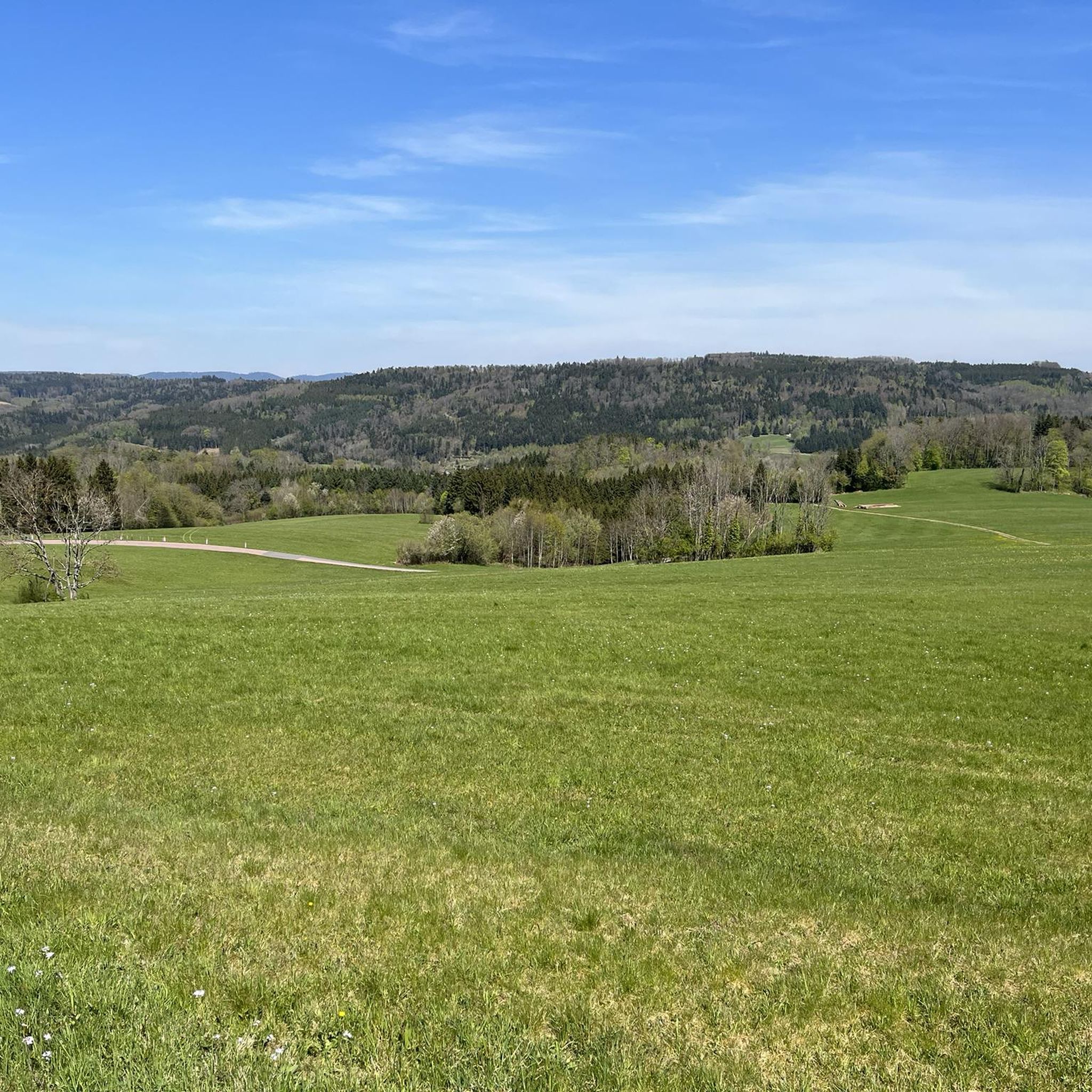
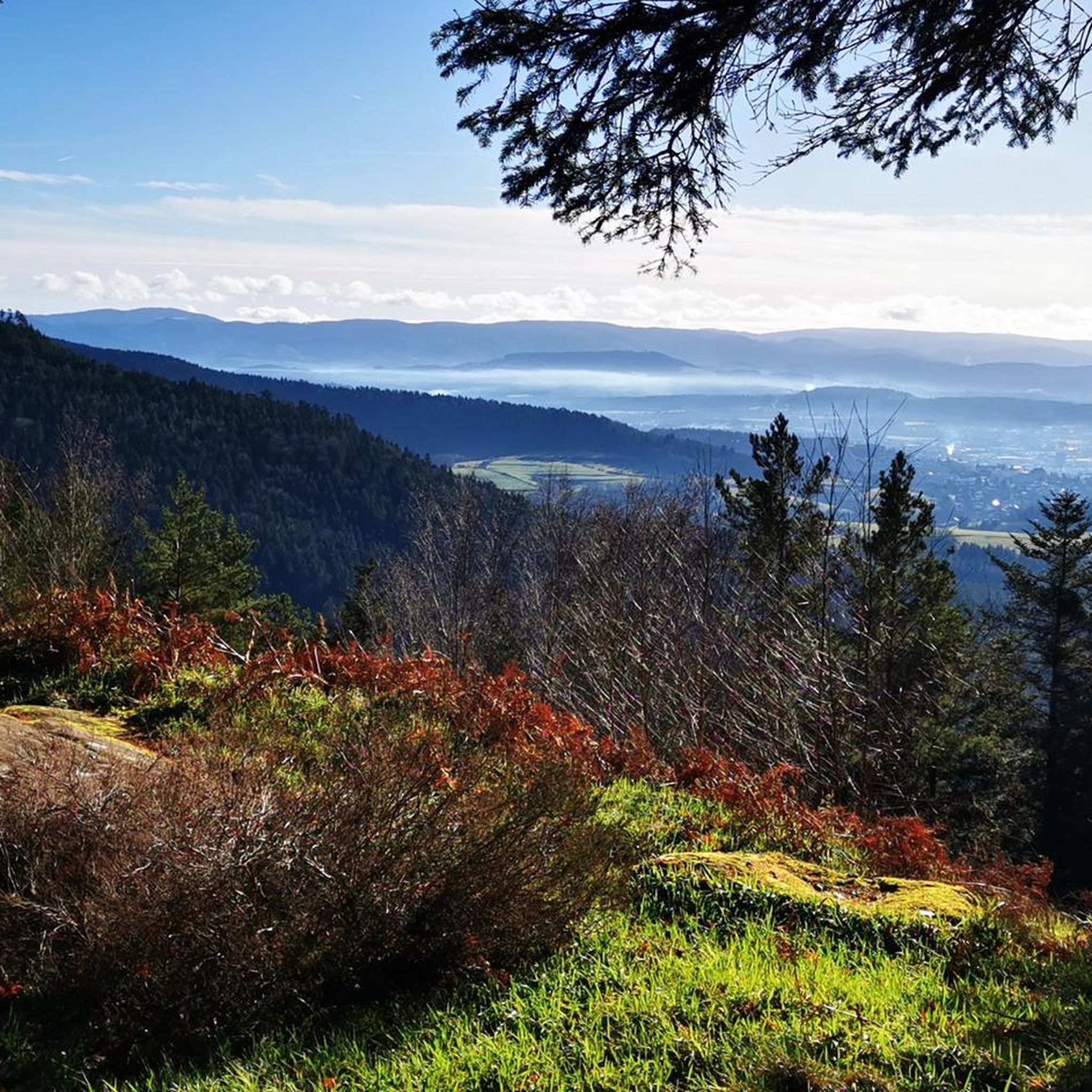
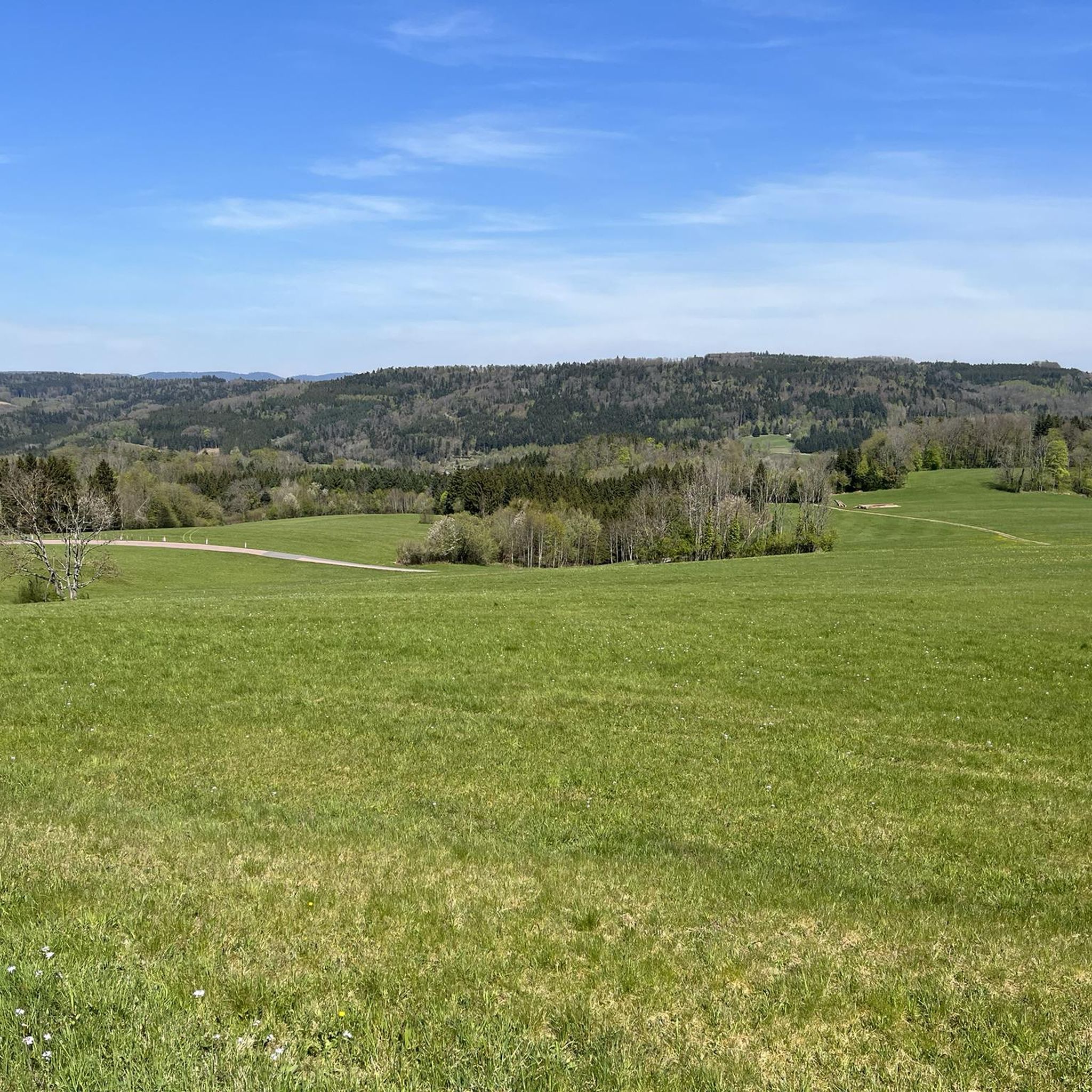
The Roche d’Anozel is located in the Kemberg massif near Saulcy-sur-Meurthe, not far from Saint-Dié-des-Vosges. The striking Vosges sandstone rock is about 740 m high and approximately 15 m high and 20 m wide. An enigmatic inscription on the rock is dated to the year 1402. Particularly interesting is the view over the Meurthe valley and the surrounding Vosges mountains. The Roche is part of a network of well-marked hiking trails.
0
0

Camp accessible to mountain bikes but next to the bike
0
0

Two prominent rocks form a great viewing point here. They are connected by a bridge and can be reached via a staircase. On the first rock you will find a panoramic map on the brick parapet. There is a natural bench under this rock. The German command post for this section of the front during the First World War is also located here. It was fortified with reinforced concrete in 1916.
2
1


Emblematic rock of the Kemberg massif, from which the view of the Vosges is clear.
1
0

Large steep rock with south-facing viewing platform.
2
0

Frequently Asked Questions
What historical sites can I visit around La Voivre?
The region is rich in history. You can explore the ancient La Bure Celtic Camp, a fortified plateau inhabited since the Neolithic period. Another significant site is the Trail of the Hamlets Fallen for France – La Fontenelle, a WWI battlefield and military cemetery. Also, visit Roche Mère Henry, a WWI fortress with underground passages.
Where can I find the best viewpoints in the La Voivre area?
For panoramic views, head to The Calling Stone on the Madeleine massif, offering vistas over the Meurthe valley. Roche Mère Henry also provides an interesting vantage point from its WWI fortress, accessible via a staircase and bridge.
Are there family-friendly attractions near La Voivre?
Yes, the Saint-Dié Cathedral is considered family-friendly, offering a glimpse into the region's religious history and architecture. The short path at the Trail of the Hamlets Fallen for France – La Fontenelle is also suitable for families, with information boards explaining the WWI history.
What outdoor activities can I do near these attractions?
La Voivre offers diverse outdoor activities. You can find numerous hiking trails, including moderate and difficult options, around the area. There are also guides for gravel biking and general cycling. For detailed routes, explore the hiking guide, gravel biking guide, and cycling guide for La Voivre.
Are there hiking trails near the attractions?
Absolutely. Many attractions are integrated into hiking routes. For example, you can find trails that lead to The Calling Stone or incorporate La Bure Celtic Camp. For a comprehensive list of trails, including options like the 'Access to the Ruins' loop or 'High Rock – Roche Mère Henry' loop, check the hiking guide around La Voivre.
What natural features can I see in the La Voivre region?
The region is characterized by its forested landscapes, typical of the Vosges. You'll encounter natural rock formations, such as those at The Calling Stone and Roche Mère Henry. The La Bure Celtic Camp is also situated within a wooded plateau, offering a blend of history and nature.
Are there any wheelchair accessible trails or attractions?
Yes, a portion of the Trail of the Hamlets Fallen for France – La Fontenelle is wheelchair accessible. The shortest path, approximately 600 meters long, allows visitors to explore the military cemetery and battlefield with ease, complemented by information boards.
What is the best time to visit La Voivre for outdoor activities?
The Vosges region, including La Voivre, is generally pleasant for outdoor activities from spring through autumn. These seasons offer mild temperatures and vibrant natural scenery, ideal for hiking, cycling, and exploring historical sites. Winter can be beautiful for those interested in snow activities, but some trails might be less accessible.
What do visitors enjoy most about the attractions around La Voivre?
Visitors particularly appreciate the blend of historical significance and natural beauty. The archaeological depth of sites like La Bure Celtic Camp and the poignant history of WWI battlefields like La Fontenelle are highly valued. The scenic viewpoints, such as The Calling Stone, also receive high praise for their tranquil forest settings and expansive views.
Are there any circular walks available near La Voivre?
Yes, the hiking guide for La Voivre includes several circular routes. For instance, you can find the 'Access to the Ruins – High Rock loop from Moyenmoutier' or 'The Calling Stone – Chaudron des Fées loop from Étival-Clairefontaine'. These routes allow you to experience the area's natural beauty and historical points of interest. Refer to the hiking guide for more options.
Can I find any hidden gems or less-known outdoor spots?
While the main attractions are well-regarded, the broader Vosges forest environment around La Voivre holds many serene spots. Exploring the less-trafficked paths within the forest surrounding The Calling Stone can lead to peaceful clearings and unique rock formations. The extensive network of trails often reveals quiet corners away from the more popular sites.
What should I wear for hiking in La Voivre?
Given the varied terrain and forest environments, it's advisable to wear comfortable, sturdy hiking shoes with good grip. Layered clothing is recommended as weather conditions can change, especially in the Vosges mountains. A waterproof jacket is also a good idea, particularly during spring and autumn, to prepare for unexpected rain.
Most popular routes around La Voivre
Most popular attractions around La Voivre

Get inspired with the komoot mobile app


Explore more
Still not found the Highlight you’re looking for? See guides of the top attractions in other regions:
