Attractions and Places To See around Étival-Clairefontaine - Top 20
Best attractions and places to see around Étival-Clairefontaine, located in the Vosges department, offer a diverse landscape of historical landmarks and natural beauty. The region features ancient religious sites like the Abbey of Étival-Clairefontaine and significant World War I fortresses. Visitors can explore panoramic viewpoints, discover local industrial heritage, and enjoy natural features such as lakes and forests. This area provides a blend of cultural experiences and outdoor exploration opportunities.
Best attractions and places to see around Étival-Clairefontaine
- The most…
Last updated: May 9, 2026
Roche Mère Henry
Highlight • Other
The rock head with viewing platform was massively expanded by German troops and was fiercely contested for years. Underground passages …
Translated by Google •
Tip by

Trail of the Hamlets Fallen for France – La Fontenelle
Highlight • Historical Site
Here are buried some French soldiers who lost their lives on the battlefield of Hill 627, as the military name goes, defending France …
Translated by Google •
Tip by

Sign up now to discover places like this
Get recommendations on the best single tracks, peaks, & plenty of other exciting outdoor places.
Sign up for free
La Bure Celtic Camp
Highlight • Historical Site
Translated by Google •
Tip by
Forest road between Brouvelieures and Autrey
Highlight (Segment) • Other
Translated by Google •
Tip by

Vieux-Pré Dam
Highlight • Other
Translated by Google •
Tip by

Sign up for free to discover even more attractions around Étival-Clairefontaine.
Sign up for free
Already have an account?
Start today with a free account
Your next adventure awaits.
Login or Signup

Tips from the Community

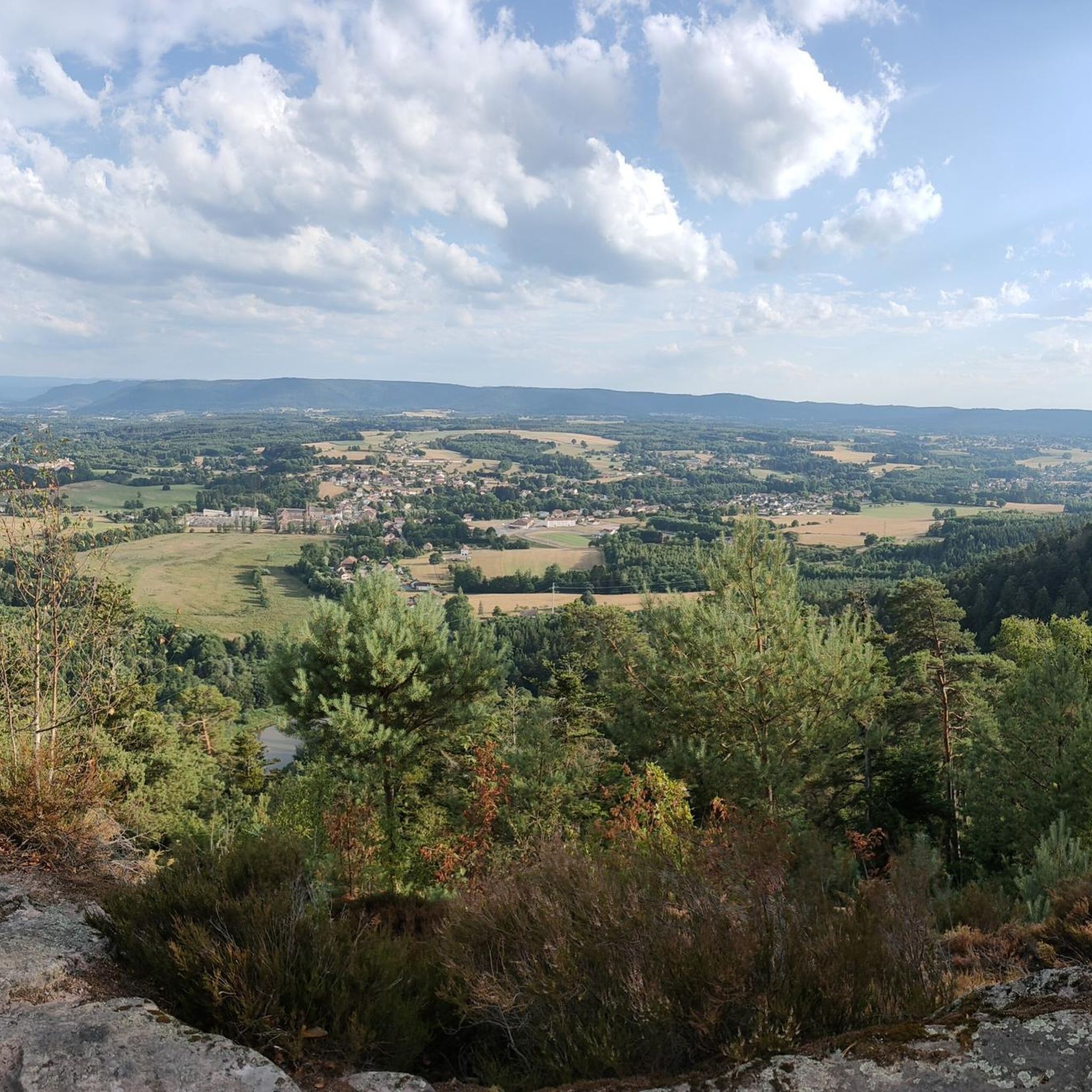
Two prominent rocks form a great viewing point here. They are connected by a bridge and can be reached via a staircase. On the first rock you will find a panoramic map on the brick parapet. There is a natural bench under this rock. The German command post for this section of the front during the First World War is also located here. It was fortified with reinforced concrete in 1916.
2
1

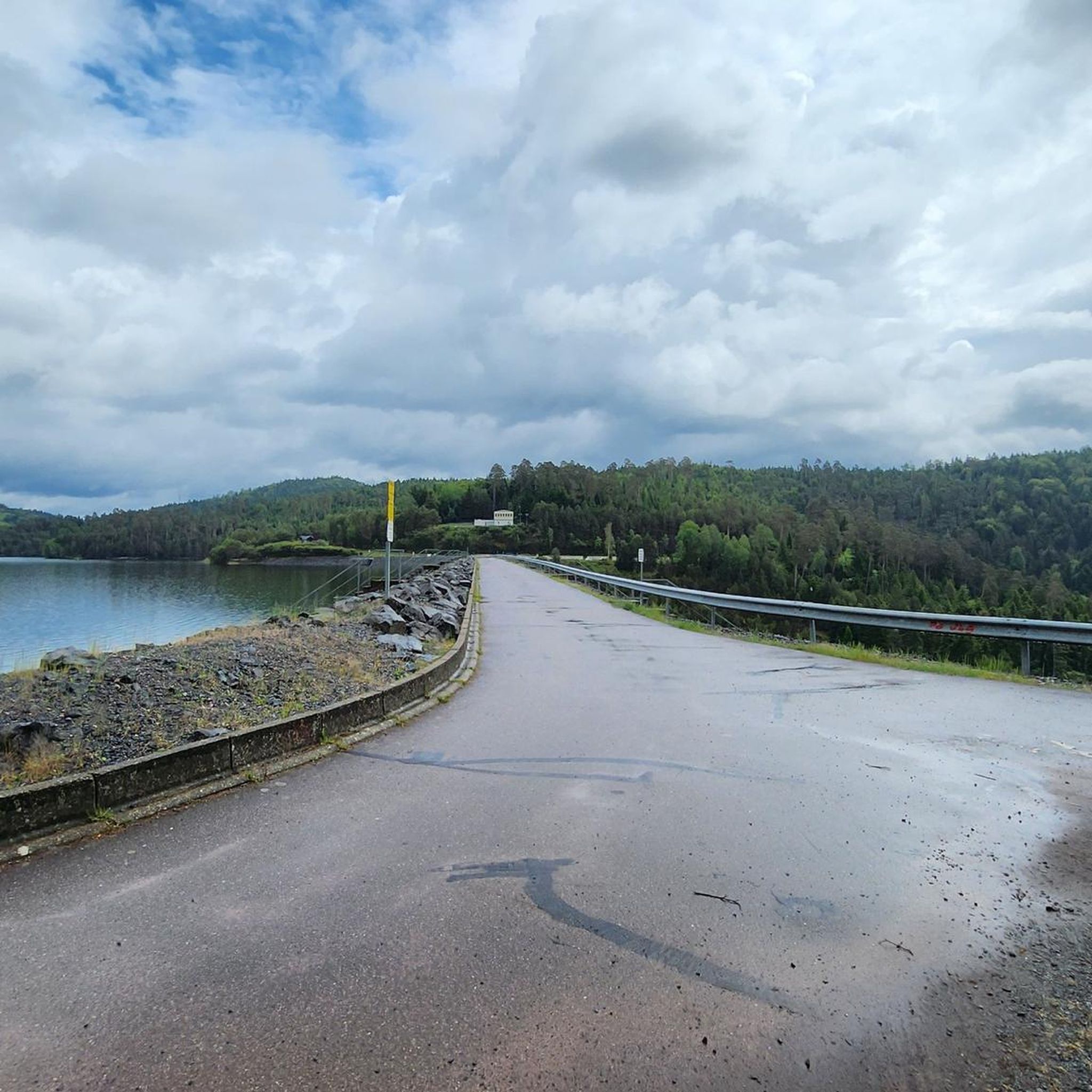
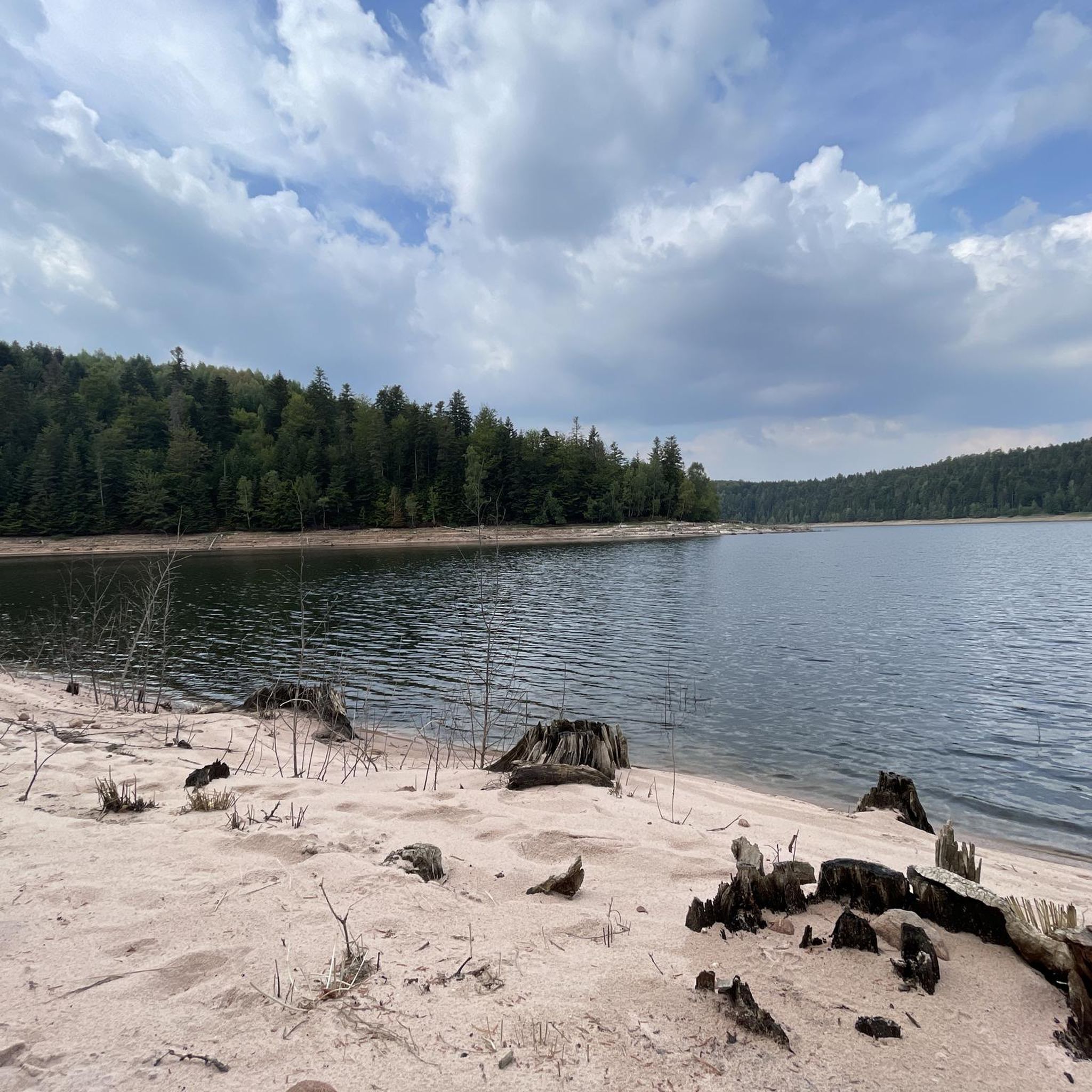
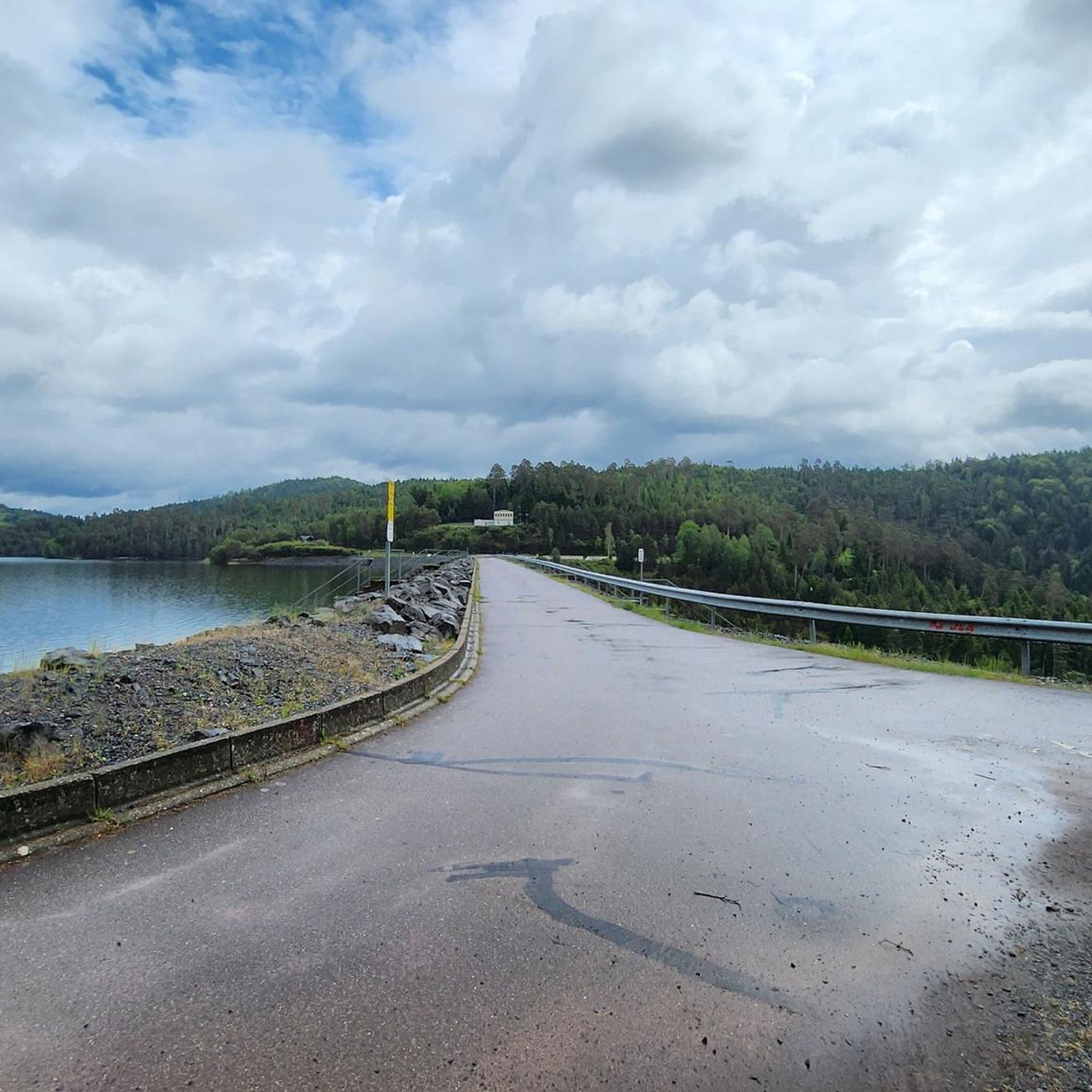
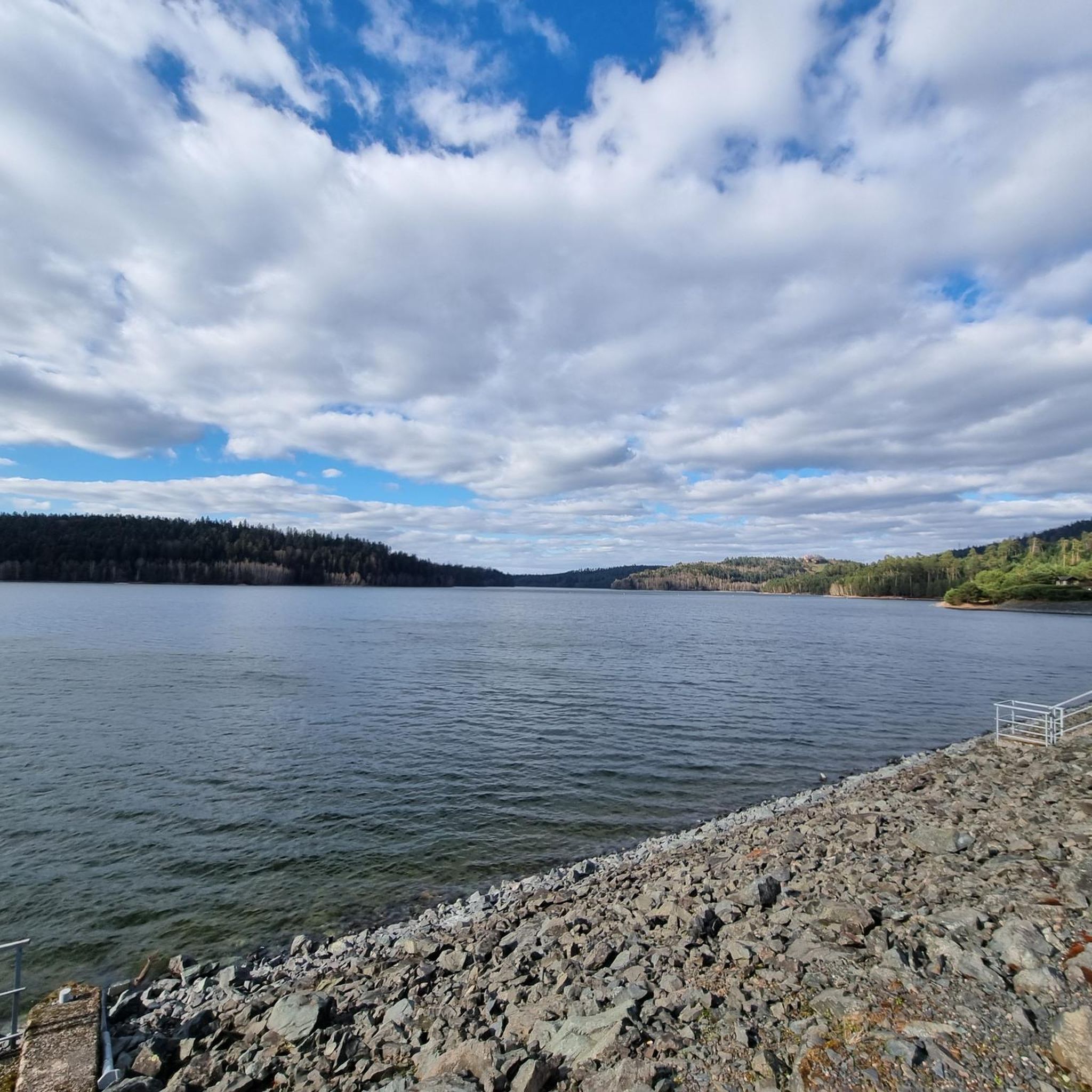
Very beautiful overall views of the lake from the dam, especially in autumn. Beautiful view also of the rear of the dam with the Vosges in the background. The adjoining parking lot allows you to start the hike from this point as well. Under a large shelter next to it, information on large panels tells the history of the dam.
1
0

EDF dam built in the 1980s. The lake supplies the Meurthe then the Moselle in order to compensate for the water needs of the Cattenom power station.
1
0


Quiet road through beautiful forest
1
0
The Celtic camp of the Bure is a fortified plateau bordering the Haute-Meurthe valley in the Grand-East of France. The plateau, now wooded, lies between the communes of Saint-Dié-des-Vosges and that of Hurbache, at the western end of the Ormont massif. This site, known for 23 years of archaeological research from 1964 to 1986, has been classified as a Historical Monument since August 6, 1982. The site has been inhabited since at least the Neolithic period. Then used intensively by the Celts and later by the Romans. There is a lot to see from that time, also because there have not been any settlement activities worth mentioning for a long time. More information e.g. here: https://fr.wikipedia.org/wiki/Camp_celtique_de_la_Bure
6
0
La Fontanelle - military cemetery and battlefield Here are buried some French soldiers who lost their lives on the battlefield of Hill 627, as the military name goes, defending France against the German invaders in the First World War. There are several paths here, including around the old battlefield. The shortest way is about 600 meters long and also suitable for wheelchairs. There are some information boards with photos from the period 1914/15, when a cruel trench warfare took place here, which also killed three hamlets that were never rebuilt. At the car park there are large information boards in three languages (French, English and German). Ancient trenches and fortified positions can still be found throughout the area. Unfortunately, also ammunition that did not detonate and can therefore pose a great danger to the curious person. Take care of your children and leave any finds lying around. Here is some information in German: https://de.wikipedia.org/wiki/La_Fontenelle
2
0

The forest road between Brouvelieures and Autrey is a scenic and quiet road that follows the La mortagne river through the forest. The road winds through a dense and enchanting forest.
1
0
Frequently Asked Questions
What historical sites can I visit around Étival-Clairefontaine?
The region is rich in history. You can explore the significant Romanesque Abbey of Étival-Clairefontaine, which became prominent under the Prémontré Order in 1147. Another key historical site is La Bure Celtic Camp, a fortified plateau inhabited since the Neolithic period and used by Celts and Romans. Additionally, Roche Mère Henry offers a glimpse into World War I history as a fiercely contested fortress on the Vosges front.
Where can I find panoramic views in the Étival-Clairefontaine area?
For breathtaking panoramic views, head to the natural sites of Pierre d'Appel and Tête de Répy, which offer sweeping vistas of Étival-Clairefontaine and Raon l'Étape. The Roche Mère Henry site also provides an interesting vantage point from its two accessible rock formations.
Are there any unique natural features to explore near Étival-Clairefontaine?
Yes, the area boasts several natural highlights. The Vieux-Pré Dam creates a beautiful lake, especially scenic in autumn, and serves as a starting point for hikes. You can also visit L'Étang Delthir, a peaceful pond near the Pierre d'Appel car park, or the scenic Lac de Pierre-Percée, known for sports and nature activities.
What industrial heritage sites are there in Étival-Clairefontaine?
Étival-Clairefontaine has a notable industrial past. The Clairefontaine Stationers site is a significant part of the local industrial heritage, renowned for its luxurious paper production.
What outdoor activities are available near Étival-Clairefontaine's attractions?
The region is excellent for outdoor enthusiasts. You can find numerous routes for cycling, gravel biking, and road cycling. For example, there are routes like the 'War Memorial of Pierre-Percée – Donon Pass loop' for cycling, or 'Rascal's Head – Tête du Coquin Summit loop' for gravel biking. Explore more options on the cycling guide, gravel biking guide, and road cycling guide for Étival-Clairefontaine.
Can I go hiking near the attractions in Étival-Clairefontaine?
Absolutely. Hiking trails lead through the Côte de Répy massif, offering varied scenic views and opportunities for exploration, especially around Pierre d'Appel and Tête de Répy. The area around the Vieux-Pré Dam is also a popular starting point for hikes. For more detailed hiking routes, check the komoot guides for the area.
Are there family-friendly attractions in Étival-Clairefontaine?
Families can enjoy exploring the natural beauty of the Vieux-Pré Dam and its surrounding lake, which offers pleasant views. The Trail of the Hamlets Fallen for France – La Fontenelle has a shorter path suitable for families, with information boards explaining its historical significance. The Ferme-Musée (Farm Museum) also provides an engaging glimpse into rural life for all ages.
Is Étival-Clairefontaine accessible for visitors with limited mobility or wheelchairs?
The Trail of the Hamlets Fallen for France – La Fontenelle offers a shorter path, approximately 600 meters long, that is suitable for wheelchairs, providing access to historical information boards.
What is the best time of year to visit Étival-Clairefontaine for outdoor activities?
The region is beautiful year-round, but autumn is particularly recommended for its stunning views, especially around the Vieux-Pré Dam, when the foliage changes color. Spring and summer are ideal for hiking and cycling, with pleasant weather for exploring the natural and historical sites.
What cultural sites or museums can I visit in the area?
Beyond the Abbey of Étival-Clairefontaine, you can visit the Ferme-Musée (Farm Museum), which offers a recreated Vosges farm from 1900, showcasing tools and insights into rural life. Étival-Clairefontaine is also part of the 'Road of the Three Abbeys,' a historical route connecting it with the abbeys of Moyenmoutier and Senones.
Are there any less-known attractions or 'hidden gems' around Étival-Clairefontaine?
Consider exploring Varrinchâtel, a fortified hilltop site that once hosted a Celtic fortress, offering a sense of ancient history. The peaceful L'Étang Delthir, a tranquil pond near the Pierre d'Appel car park, is also a lovely spot for a quiet stop. The Forest road between Brouvelieures and Autrey is a scenic and quiet route through dense forest, perfect for a peaceful drive or ride.
What do visitors enjoy most about Étival-Clairefontaine?
Visitors frequently appreciate the blend of historical significance and natural beauty. The historical sites like the Roche Mère Henry and La Bure Celtic Camp offer fascinating insights into the past, while the panoramic views from places like Pierre d'Appel and the serene atmosphere around the Vieux-Pré Dam are highly praised. The quiet forest roads are also a favorite for wildlife encounters.
Most popular routes around Étival-Clairefontaine
Most popular attractions around Étival-Clairefontaine

Get inspired with the komoot mobile app


Explore more
Still not found the Highlight you’re looking for? See guides of the top attractions in other regions:
