Attractions and Places To See around Bruch - Top 20
Attractions and places to see around Bruch, a municipality in the Bernkastel-Wittlich district of Rhineland-Palatinate, Germany, offer a mix of historical landmarks and natural beauty. Situated in the Eifel region, it lies on both sides of the Salm river and is part of the Eifelsteig long-distance hiking trail. The area features historical sites such as the Brucher Burg, an old oilmill, and a 17th-century potter's workshop. This region provides opportunities to explore wooded hills and diverse landscapes.
Best attractions and…
Last updated: July 2, 2026
Nérac Old Town and Château d'Henri IV
Highlight • Historical Site
Translated by Google •
Tip by

Saint Christopher's Church, Vianne
Highlight • Religious Site
Translated by Google •
Tip by

Sign up now to discover places like this
Get recommendations on the best single tracks, peaks, & plenty of other exciting outdoor places.
Sign up for free
Prayssas Village Square
Highlight • Settlement
Translated by Google •
Tip by

Saint John the Baptist Church
Highlight • Other
Translated by Google •
Tip by

Henry IV's Mill
Highlight • Castle
Translated by Google •
Tip by

Sign up for free to discover even more attractions around Bruch.
Sign up for free
Already have an account?
Start today with a free account
Your next adventure awaits.
Login or Signup

Tips from the Community

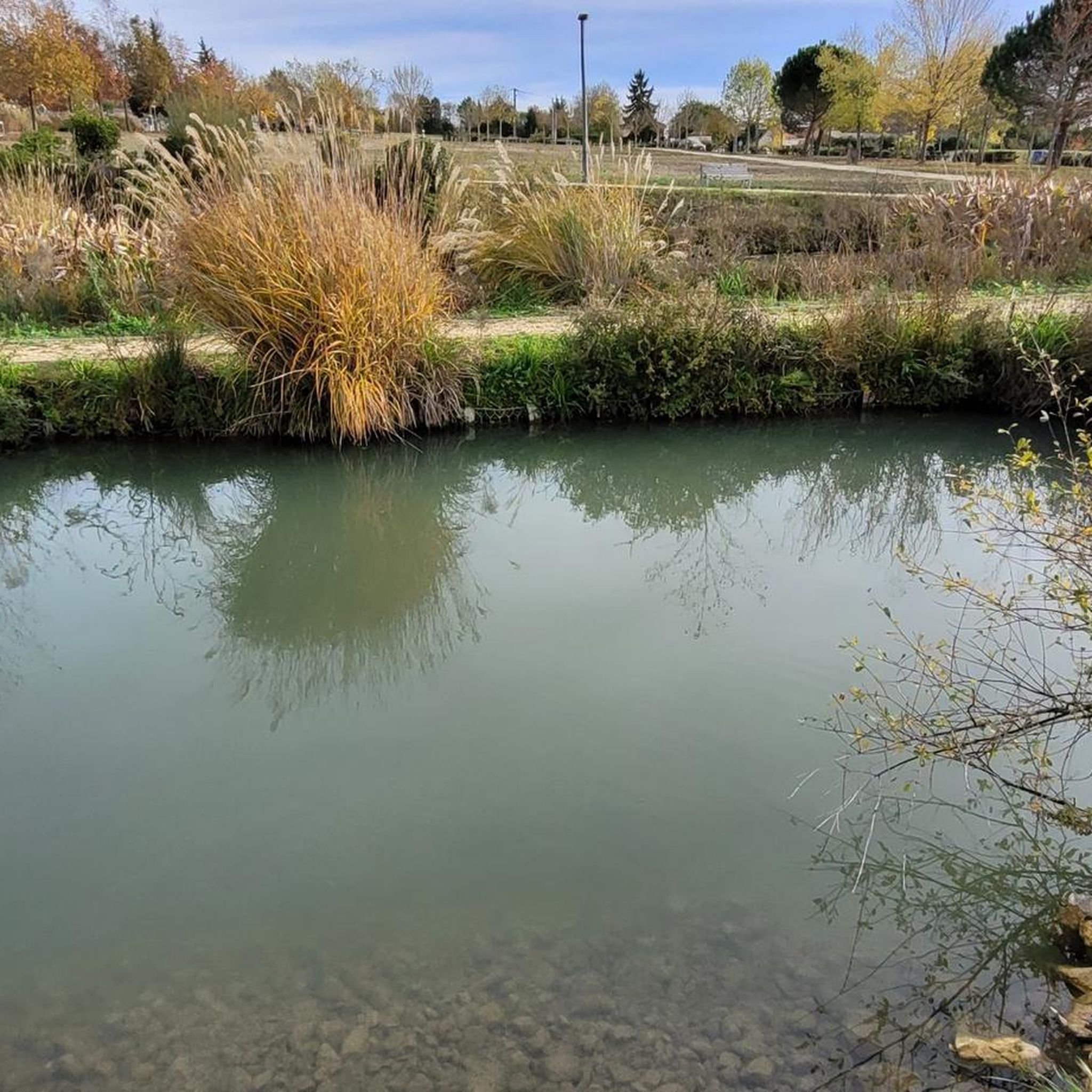
Located in the heart of the Lot-et-Garonne hills, Preyssas is a charming village typical of the Albret region. Surrounded by orchards and rolling countryside, it reveals peaceful lanes, a beautiful stone church, and retains a true rural authenticity. The town hall square is an ideal spot for a relaxing break on a terrace.
0
0

[In Advent] "we hear in the Gospel the beginning of the ministry of John the Baptist. He appears in the desert and calls people to conversion so that they may prepare for the coming of the Lord. His call reminds us that Advent is not only a time of waiting, but also of interior preparation. "Prepare the way of the Lord, make straight his paths" (Luke 3:4). John's message challenges us to examine our lives. What "rough paths" and "crooked roads" are there in our hearts? Where have we perhaps distanced ourselves from God or lost sight of our fellow human beings? John invites us to remove these obstacles and reorient our lives. But his call has not only a personal dimension, but also a social one: the way of the Lord is a way of justice, peace and reconciliation. When we pave the way of the Lord, we bring light into the darkness of the world and hope into the hearts of people." (Text: Michael Inden, Diocesan President of the KAB in the Archdiocese of Cologne)
1
0

The church of Vianne is not in the center but on the edge of the village near the east gate. It is dedicated to both Notre Dame and St. Christopher. There are some very special capitals. It is reasonable to assume that there was also a priory and hospital or pilgrims' hostel here. Perhaps this was intended to keep the sick closer to the edge of the town?
2
0
Saint John the Baptist (Saint Jean Baptiste), to whom this church in Clermont-Dessous is dedicated, is - like Saint Joseph - a man on the threshold of the Old and New Testaments. His parents are Zacharias and Elisabeth, and after the announcement of the Incarnation of God through them, the Mother of God visits her relative Elisabeth, who will give birth to a son in her old age, namely John the Baptist. He is half a year older than Jesus and is considered his forerunner/pioneer. He lives in the desert, preaches repentance from sins to the Jewish population and baptizes them in the Jordan, where Jesus also comes to be baptized, and is filled with the Holy Spirit who descends upon him from heaven. The feast day of Saint-Jean-Baptiste in the calendar of saints is June 24, exactly half a year before 'Christmas Eve'.
3
0
Saint John the Baptist, to whom this church in Clermont-Dessous is dedicated, is—like Saint Joseph—a man at the threshold between the Old and New Testaments. His parents were Zechariah and Elizabeth. After the Annunciation of the Incarnation, the Virgin Mary visited her relative Elizabeth, who, in her old age, would give birth to a son, John the Baptist. He was six months older than Jesus and is considered his forerunner. He lived in the desert, preached repentance to the Jewish population, and baptized them in the Jordan River. Jesus also came to the Jordan to be baptized, and was filled with the Holy Spirit, who descended from heaven. The feast day of Saint John the Baptist in the liturgical calendar is June 24, exactly six months before Christmas Eve.
2
0
The name of Saint Christopher (Saint-CHRISTOPHE), to whom this Romanesque church in Vianne is dedicated, means "Christ-bearer". According to the legend of the saint, he was a gigantic man and carried people across a river. One day a small child called to him and he carried it on his shoulders to the other bank. Amazingly, the child became heavier and he said he felt as if the weight of the whole world was on his shoulders. Then the child revealed himself to him as Jesus Christ, Savior and Redeemer of the world.
5
0

Beautiful church of Romanesque origin dedicated to Saint Christopher
4
0

Nérac is, like Amboise, a royal city insofar as the commune is the fief of the lords of Albret who became king of Navarre in the 15th century. It is also the epicentre of Protestantism. After the massacre of Saint Bartholomew, a treaty between the two religions was born in this city. This is the Edict of Nérac which restored rights for Protestants. It was signed on 28 February 1579 between King Henry III and the religionists. After the death of Henry III in 1589, the city lost its influence, because having no descendants, it was Henri de Navarre-Bourbon-Albret who became king of France under the name of Henri IV. It is then said that when the doors of Paris opened to Henry, those of fame closed for Nérac.
3
0
Frequently Asked Questions
What historical landmarks can I explore in and around Bruch?
Bruch is rich in history. You can visit the impressive Brucher Burg (Bruch Castle), a moated castle dating back to the early 14th century. Other historical sites include the Burghaus (Hepgesburg) from 1413, an Old Oilmill established in the 19th century, and a Potter's Workshop with an Old Kiln from the 17th century. For a glimpse into the region's industrial past, there's also a Disused Copper Mine from 1740.
Are there any significant religious sites in the Bruch area?
Yes, the Saint Roch's Parish Church (Pfarrkirche St. Rochus), built in 1807, is a significant cultural site within Bruch. Additionally, about 8.2 km away, you can visit Himmerod Abbey, known for its beautiful church and imposing organ. In Trier, further afield, you'll find the historic Trier Cathedral.
What natural features and scenic spots are there to see near Bruch?
Bruch is situated on both sides of the scenic River Salm. The region is part of the Eifelsteig long-distance hiking trail, offering opportunities to explore the surrounding wooded hills and the diverse landscapes of the Eifel, known for its volcanoes, moors, and forests. The Grünewald Viaduct and Tunnel, part of the Maare-Mosel cycle path, offer scenic views and a unique passage, as does the 585m Pleiner Tunnel.
What family-friendly attractions are available near Bruch?
For a fun day out with the family, the Eifelpark in Gondorf, about 11.8 km from Bruch, is an excellent choice. It's an amusement and wildlife park featuring over 60 attractions and more than 200 wild animals. While the komoot community highlights for Bruch are more historical, the Eifelpark offers a different kind of family adventure.
What historical sites are recommended by the komoot community?
The komoot community appreciates several historical sites. Among them, Nérac Old Town and Château d'Henri IV is a popular choice, recognized for its historical significance as a royal city and epicentre of Protestantism. Another highly-rated spot is Saint John the Baptist Church, an 11th-century church overlooking the Garonne.
Are there any unique or lesser-known historical sites in the area?
Beyond the main attractions, Bruch offers some unique historical insights. You can explore the site of Galgenberg ('Gallows Mountain'), an old execution place, or seek out the sandstone figures and reliefs at Burgstraße 6. The Old Oilmill and the Potter's Workshop with an Old Kiln also provide a glimpse into past local industries and crafts.
What kind of cycling routes are available around Bruch?
There are various cycling opportunities around Bruch. You can find numerous road cycling routes, mountain biking trails, and general cycling tours. For detailed options, explore the Road Cycling Routes around Bruch, MTB Trails around Bruch, and Cycling around Bruch guides on komoot.
What are the best options for hiking near Bruch?
Bruch is an excellent base for hiking, as it lies directly on the Eifelsteig long-distance hiking trail. This trail offers diverse landscapes, including wooded hills, and connects to the wider Eifel region known for its natural beauty. While specific hiking routes are not detailed here, the Eifelsteig provides ample opportunities for exploration.
What are some notable attractions further afield but still within a reasonable distance from Bruch?
Within about 25 km, you can visit several highly-rated attractions in Trier. These include the UNESCO World Heritage site Porta Nigra, the birthplace of Karl Marx at the Karl Marx House, and the impressive Trier Cathedral. These offer a deeper dive into Roman and German history.
What do visitors enjoy most about the attractions around Bruch?
Visitors particularly enjoy the rich historical context and the scenic beauty of the area. The komoot community has shared 38 photos and given 39 upvotes, highlighting the appeal of both ancient castles and picturesque river landscapes. The blend of historical sites, religious buildings, and natural features provides a varied and engaging experience for explorers.
Is Bruch connected to any significant historical figures?
While Bruch itself is tied to the Lords of Bruch, the wider region has connections to prominent figures. For instance, the Karl Marx House in Trier, about 24.9 km away, is the birthplace of Karl Marx. Additionally, the Nérac Old Town and Château d'Henri IV is significant for its association with King Henri IV and the Edict of Nérac.

Get inspired with the komoot mobile app


Explore more
Still not found the Highlight you’re looking for? See guides of the top attractions in other regions:
