The best road cycling routes around Loudun
4.7
(10)
312
riders
46
rides
Road cycling around Loudun, France, offers a varied terrain suitable for different fitness levels, characterized by paths winding through valleys and forests. The region features cool undergrowth and sunken lanes, providing scenic routes. Loudun itself is situated on a hill, offering panoramic views of the surrounding countryside. Routes often feature mostly paved surfaces with varying elevation gains, from gentle climbs to more challenging ascents.
Best road cycling routes around Loudun
- The most popular road cycling route is Coussay Castle –…
Last updated: May 9, 2026
8
riders
73.1km
03:01
420m
430m
Moderate road ride. Good fitness required. Some segments of this route may be unpaved and difficult to ride.
5.0
(1)
6
riders
42.7km
01:44
210m
210m
Easy road ride. Great for any fitness level. Mostly well-paved surfaces and easy to ride.

Sign up for free
4
riders
94.6km
03:49
420m
420m
Moderate road ride. Good fitness required. Mostly well-paved surfaces and easy to ride.
7
riders
51.0km
02:07
320m
320m
Moderate road ride. Good fitness required. Mostly well-paved surfaces and easy to ride.
5
riders
31.8km
01:20
190m
190m
Easy road ride. Great for any fitness level. Mostly well-paved surfaces and easy to ride.
Get access to more routes and recommendations from other explorers.
Sign up for free
Already have an account?
Our route recommendations are based on thousands of hikes, rides, and runs completed by other people on komoot.
Start today with a free account
Your next adventure awaits.
Login or Signup



Tips from the Community


The contemporary art center of national interest, La Chapelle Jeanne d’Arc de Thouars, is today a leading venue for contemporary art in the western region. Along with the Château d’Oiron and the Syndicat Mixte de la Vallée du Thouet, which runs a program of public commissions for contemporary works, the art center's work is carried out in partnership across the entire territory of the Pays Thouarsais community of communes and, more broadly, in the northern part of the Nouvelle-Aquitaine region. Within the region, the art center is a recognized player in the Astre plastic and visual arts network. Developing an artistic project that takes into account its geographical location and its architectural envelope, a neo-Gothic chapel, the art center maintains a privileged relationship with the heritage of Thouars. Guest artists, hosted for residencies or exhibitions, appropriate the chapel space by creating an original work designed for the venue. They also bring their perspective to the city, urban planning, landscape, and rural areas of the Thouars region and the Thouet Valley. Since 1993, nearly a hundred artists have been invited for residencies or exhibition projects. In recent years, the art center has paid particular attention to emerging artists from art schools, particularly those from the regional Le Grand Huit network. In addition to its programming, the art center also engages in outreach activities in the form of off-site exhibitions, workshops, and events (meetings, lectures, and workshops). A mobile device, La Mar(g)elle, was created in 2015 by the artist Marie-Ange Guilleminot to offer interventions in partner locations, particularly within schools and structures in the social and medical sectors. For its educational action, the art center benefits from the action of the municipal art school of Thouars, to which it is connected within the visual arts department of the City of Thouars.
0
0

I love these roads!
0
0

Classified as a "Grand site du Val de Loire", the Château de Brézé is a unique historical monument built between the 11th and 19th centuries. The castle stands proudly in a magnificent neo-Gothic style, but it is actually beneath the surface that the building's particularity lies, since it houses an entire underground network that constitutes a real fortress hidden under the rock. Initially built to protect against Viking invasions, the fortress has one of the deepest dry moats in Europe. Under the castle, there is a 3 km network of tunnels and rooms. These were in a way the first protective bunkers known in history, and housed bakeries, stables, dormitories, kitchens, a barrel room and even a silkworm farm.
0
0

The Market Square is lined with houses whose construction dates from the 14th to the 19th century: the oldest house in the town (probably 1399) at no. 3, the old town house at no. 15 and the old Barony Registry (16th century) at no. 42.
0
0
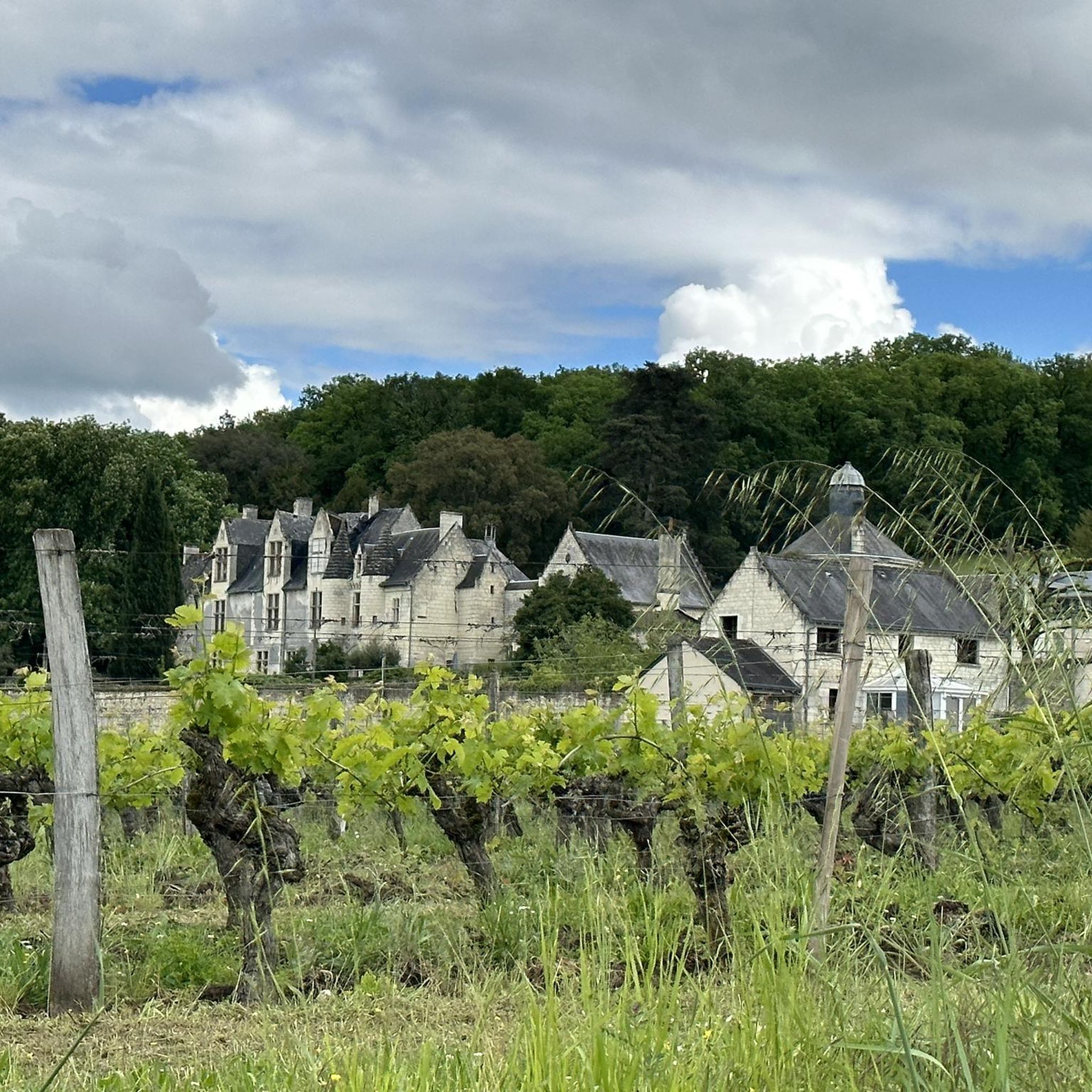
The first mention of the château dates back to 889. In 1881, General Delaveau settled there and made architectural modifications. Today, the property belongs to the Marteling family, who have reconstituted the vineyard. The 15 hectares of vines benefit from clay-limestone soil and several forms of intervention – disbudding, de-suckering, leaf thinning, etc. The harvests are manual and the cellars are dug into a chalky stone called tuffeau. The result: renowned wines, including the red Saumur Cabernet Franc – the main grape variety.
0
0
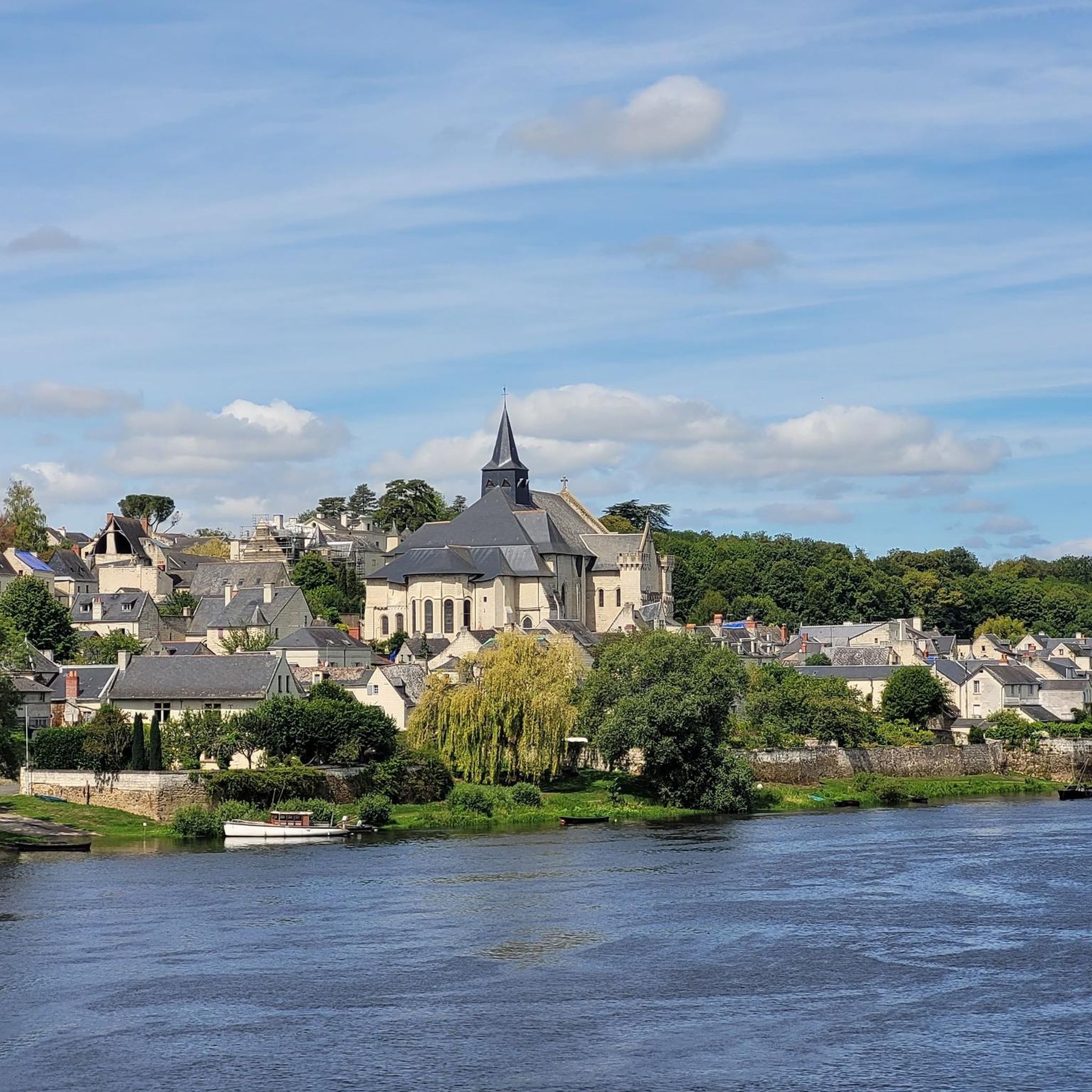
Montreuil, or small monastery, and Bellay, named after Lord Berlay installed in 1025 by Foulque de Nerra, founder of the rich province of Anjou, has been a walled town since the 13th century. Located at the crossroads of Anjou, Touraine and Poitou, the city became a strategic and commercial issue from the Middle Ages. This interest is reflected in the construction of fortified enclosures. A first belt (11th century), direct protection of the castle, is completed by an impressive rampart (13th century) encompassing the upper and lower towns, while a third enclosure ensures control of the ford. Six monumental gates, four of which still exist, were opened by the lords of Harcourt. These great builders endowed Montreuil-Bellay with exceptional architecture, which characterizes the appearance of the town even today: tuffeau lacework on the facades of the houses, the bossage of the towers of the Porte Saint-Jean, the tangle of the roofs of the house of the castle, turreted manors, castle chapel turned collegiate church, castles, Saint-Jean hospital... The 15th century is undoubtedly the golden century of Montreuil-Bellay, which can now be discovered in this preserved setting.
1
0

The Château de Coussay, inspired by the Italian Renaissance, is one of the first examples of the French Renaissance. Armand-Jean Duplessis, then bishop of Luçon, lived there before becoming the famous Cardinal de Richelieu in 1622.
2
0
Frequently Asked Questions
How many road cycling routes are available around Loudun?
There are over 45 road cycling routes around Loudun, offering a diverse range of experiences for different fitness levels. You'll find paths winding through valleys, forests, and past historic sites.
What kind of terrain can I expect on road cycling routes in Loudun?
The Pays Loudunais region offers varied terrain. Routes often feature mostly paved surfaces with varying elevation gains, from gentle climbs to more challenging ascents. You'll encounter paths through cool undergrowth, sunken lanes, and open countryside, including vineyards.
Are there easy road cycling routes suitable for beginners in Loudun?
Yes, Loudun offers several easy road cycling routes. For instance, the Château de Monts-sur-Guesnes – Château de Monts-sur-Guesnes loop from Loudun is an easy 26.5-mile path, and the La Baronnie loop from Loudun is another accessible option.
What are some challenging road cycling routes for experienced cyclists?
For those seeking a challenge, routes like the Brézé Castle – Château d'Oiron loop from Loudun, at nearly 59 miles, offer longer distances and varied elevation. Many moderate routes provide a good workout, often taking up to 5 hours and involving significant elevation gains.
What landmarks or attractions can I see along the road cycling routes?
Many routes pass by historic sites and natural features. You can explore the romantic ruins of La Mothe-Chandeniers Castle, cycle through vineyards, or visit the Curçay-sur-Dive Keep. The region is dotted with unique villages, bell towers, and cobbled lanes, offering cultural immersion during your ride.
Are there any scenic viewpoints on the bike trails around Loudun?
Loudun itself is perched on a hill, and from the top of its historic Tour Carrée, you can enjoy panoramic views of the surrounding countryside. Many routes offer rewarding vistas as they wind through valleys and forests, providing picturesque scenery throughout your ride.
What is the best season for road cycling in Loudun?
The region is suitable for cycling across various seasons, but spring and autumn generally offer pleasant temperatures and beautiful landscapes. The cool undergrowth along some paths can provide relief during warmer months.
Are there family-friendly road cycling options in Loudun?
While specific dedicated family routes aren't highlighted, the region offers easy rides with mostly paved surfaces and moderate elevation gains that can be suitable for families. The Greenway (Loudunais Sector) could also be an option for a more relaxed ride.
Where can I find parking for road cycling in Loudun?
Loudun, as a town, offers various parking options. For specific routes, it's advisable to check the starting points on komoot for details on nearby parking facilities. Generally, you can find parking in or around the town center.
What do other road cyclists enjoy most about cycling in Loudun?
The komoot community highly rates the road cycling experience in Loudun, with an average score of 5.0 stars. Cyclists often praise the varied landscapes, the mix of valleys and forests, and the opportunity to explore historic villages and vineyards.
Are there any loop road bike trails around Loudun?
Yes, many of the road cycling routes around Loudun are designed as loops, allowing you to start and finish in the same location. Examples include the Coussay Castle – Château de Coussay loop from Loudun and the Château de Monts-sur-Guesnes – Château de Monts-sur-Guesnes loop from Loudun.
Can I find cafes or accommodation along the cycling routes?
Loudun and its surrounding villages offer various amenities. You'll find cafes, pubs, and accommodation options in the town center and in some of the charming villages you pass through. It's a good idea to plan your stops in advance, especially on longer routes.
Are there any leisure activities to combine with a cycling trip to Loudun?
Absolutely! After a ride, you can relax at the tranquil Medieval Garden in Loudun or visit the Lake Magne Leisure Center, about 18 km away, which offers play areas, beach volleyball, and water activities. Exploring the historic villages and local vineyards also makes for a great combination.
Most popular attractions around Loudun

Get inspired with the komoot mobile app


Explore more
Browse the best Road cycling routes in other regions.
