Attractions and Places To See around Saint-Lunaire - Top 20
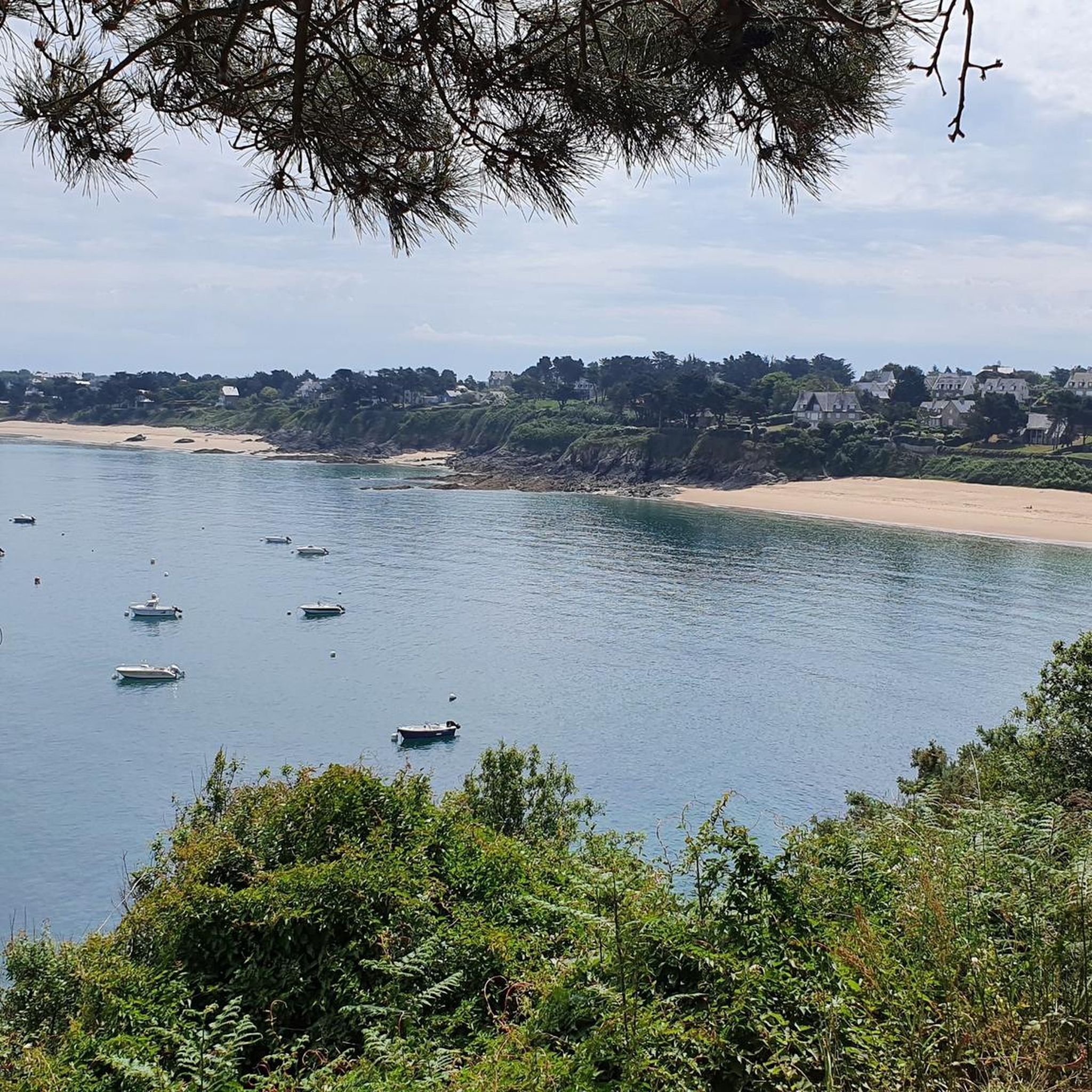
Best attractions and places to see around Saint-Lunaire include a variety of natural features, historical landmarks, and cultural sites. Located on Brittany's Emerald Coast, the area is characterized by its rocky coastline, sandy beaches, and panoramic sea views. Visitors can explore headlands offering expansive vistas and discover historical structures. The region is recognized for its commitment to nature and biodiversity.
Best attractions and places to see around Saint-Lunaire
- The most popular attractions is Môle Beach, a beach that offers views of Dinard and nearby islands. It is located at the foot of the ramparts, providing a place to relax after exploring.
- Another must-see spot is Saint-Malo Castle, a historical castle. Built between the 15th and 18th centuries, it is classified as a historic monument and houses a museum.
- Visitors also love Saint-Vincent Gate, a man-made monument. This double gate provides access to the old town and features historical elements from the 18th and 19th centuries.
- Saint-Lunaire is known for its beaches, historical sites, and viewpoints. The area offers a variety of attractions to see and explore, from coastal paths to ancient fortifications.
- The attractions around Saint-Lunaire are appreciated by the komoot community, with more than 400 upvotes and 190 photos shared by visitors.
Last updated: August 30, 2026
Môle Beach
Highlight • Beach
Showing Translation
Tip by

Saint-Vincent Gate
Highlight • Monument
Translated by Google •
Tip by
Sign up now to discover places like this
Get recommendations on the best single tracks, peaks, & plenty of other exciting outdoor places.
Sign up for free
Saint-Malo Castle
Highlight • Castle
Translated by Google •
Tip by

Esplanade Saint Vincent
Highlight • Other
Translated by Google •
Tip by
Saint-Malo's ramparts
Highlight • Monument
Translated by Google •
Tip by
Sign up for free to discover even more attractions around Saint-Lunaire.
Sign up for free
Already have an account?
Start today with a free account
Your next adventure awaits.
Login or Signup

Tips from the Community

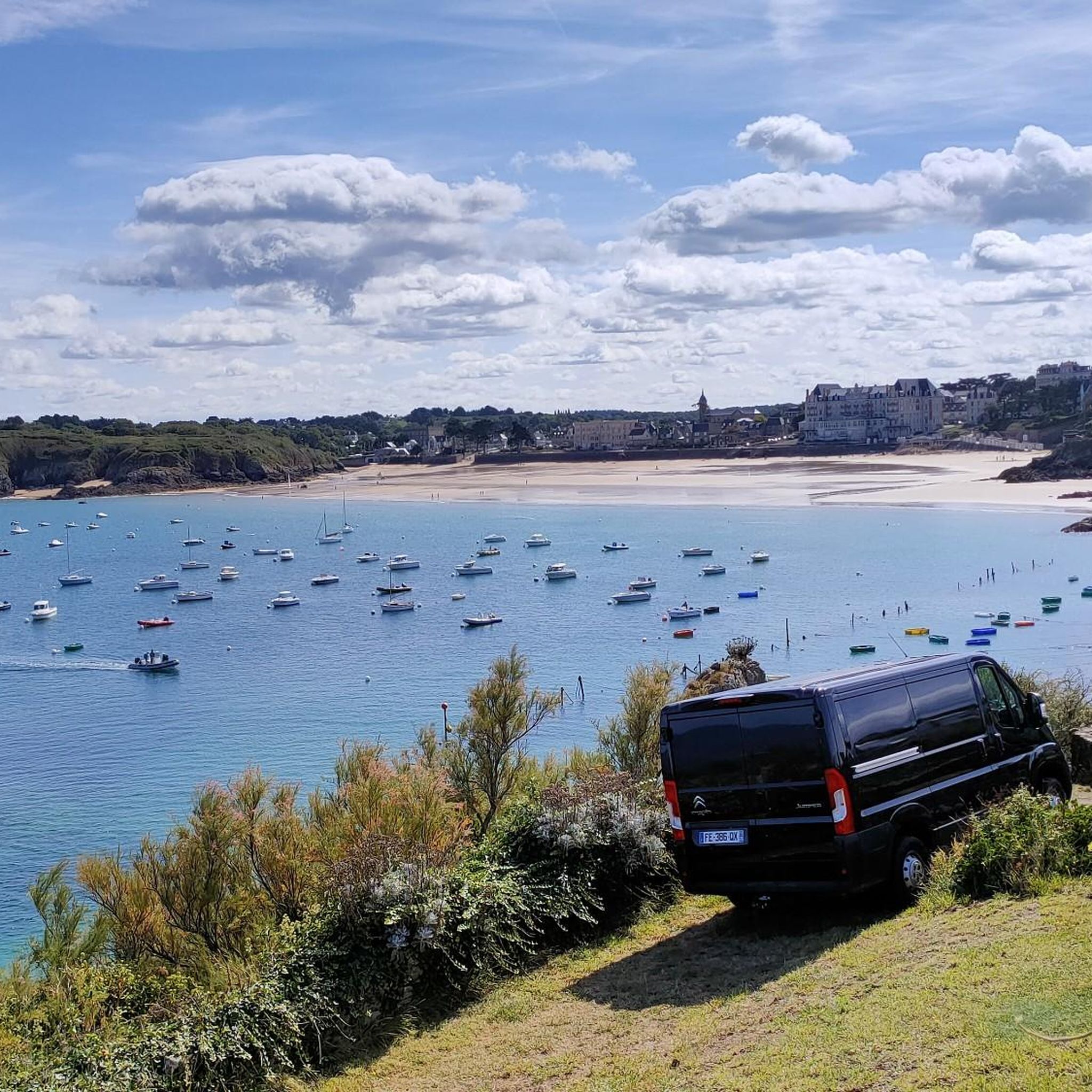
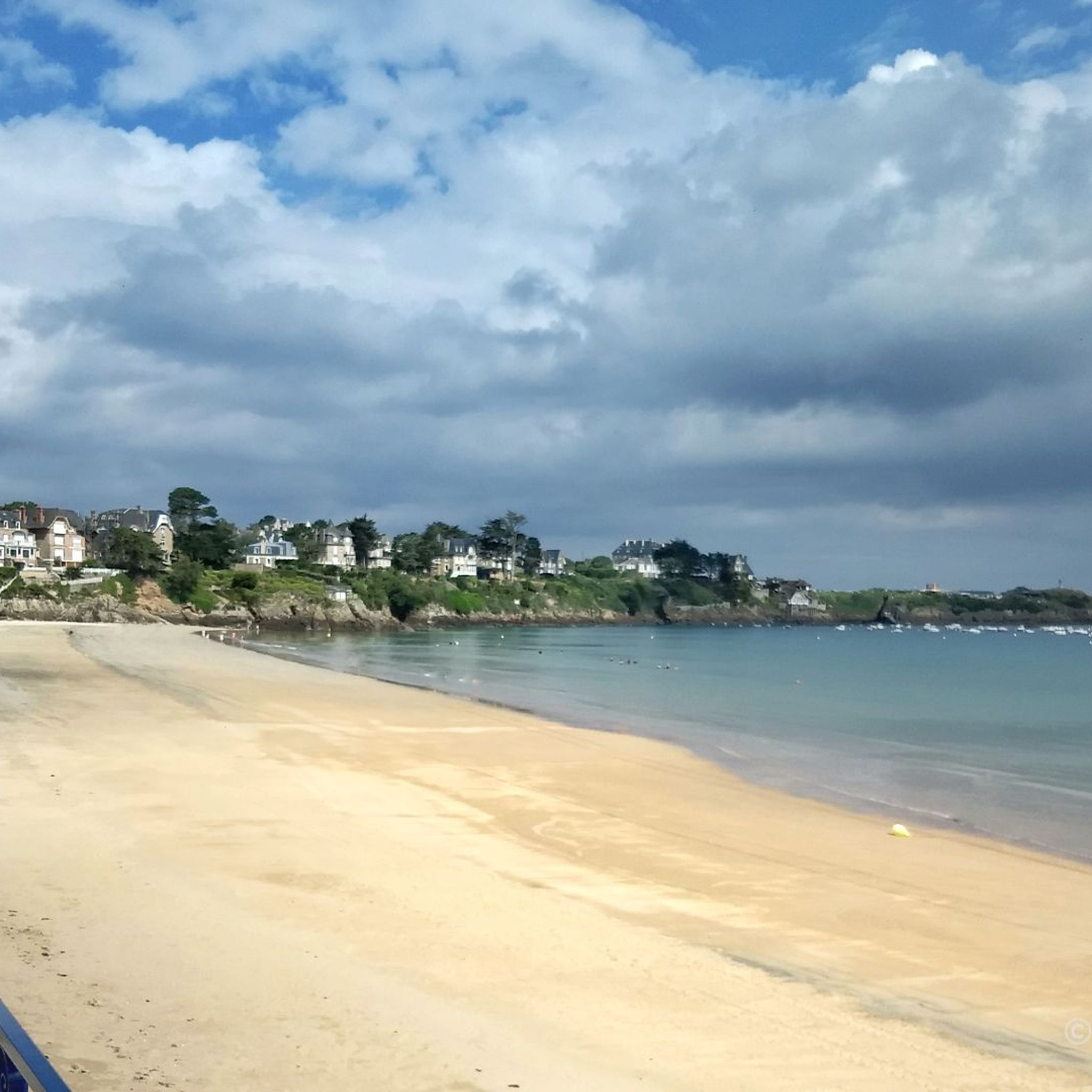
Plage du Môle is a popular sandy beach below the Intra-Muros of Saint-Malo. It is located at the southwestern tip of the fortified city, right at the foot of the mighty city wall and the Saint-Philippe bastion.
1
0

The city walls are among the most important historical structures in the Breton port city. The fortifications that still exist today were built mainly between the 12th and 18th centuries and were expanded and reinforced several times. The approximately two-kilometer-long wall circuit encloses the old town ("Intra-Muros") and offers impressive views of the sea, the offshore islands, and the Breton coast. The defensive walls are reminiscent of the time when Saint-Malo played an important role as a fortified port city and a major center of seafaring.
12
0

Very impressive. Part of the fortification.
1
0
The Porte Saint-Vincent is the main gate to the old town and was built between 1708 and 1710. It is a double-towered Baroque building bearing two coats of arms: one for the Duchy of Brittany and the other for the city of Saint-Malo. The gate connects the city walls to the Esplanade Saint-Vincent and serves as the main entrance to the old town. From here, you can enjoy beautiful views of the harbor, coast, and historic buildings.
14
0
The Esplanade Saint-Vincent is the central square at the main entrance to the Old Town. It is located directly in front of the historic Porte Saint-Vincent and connects the city walls to the Plage du Sillon beach. The square serves as an important meeting point for visitors and locals and is the starting point for many city tours. It houses the Tourist Information Office, a large parking garage (Q-Park Saint-Vincent), public restrooms, charging stations for electric cars, bus stops, and a taxi stand. The esplanade is barrier-free and therefore easily accessible for people with limited mobility. It is also frequently used for markets, concerts, and cultural events.
19
0
The Château de Saint-Malo, also known as the Château de la Duchesse Anne, is located in the heart of the old town (intra-muros). Built between the 15th and 17th centuries, it served both as a military defense and as a representative office for the Dukes of Brittany. It was further fortified under Vauban. The castle suffered damage throughout its history, including during the French Revolution and World War II, but has been restored. Today, it houses the city hall and, until 2019, was home to the Musée d'Histoire de la Ville et du Pays Malouin.
25
0
The Plage du Môle is located at the foot of the mighty fortress walls, in the southwestern part of the historic old town. It is situated in close proximity to the Môle des Noires, a mole approximately 500 meters long that extends far into the sea and protects the harbor. The mole owes its name to the "Roches Noires", the black rocks on which it was built. To the north, the Plage du Môle is bordered by a rock and the walls of the Bastion de la Hollande from the neighboring Plage de Bon Secours.
28
0

The Esplanade Saint-Vincent is a central square in Saint-Malo, stretching between the main entrance to the old town, the Porte Saint-Vincent, and the Plage du Sillon. It serves as a major access point to the historic old town (intra-muros) and houses the Saint-Malo Tourist Office.
9
0
Frequently Asked Questions
What natural features and viewpoints can I explore in Saint-Lunaire?
Saint-Lunaire offers stunning natural beauty along the Emerald Coast. You can visit Pointe du Décollé for panoramic views of the sea, Saint-Malo, and Cap Fréhel, where the rocky coastline is dramatically sculpted. Another excellent spot is Pointe du Nick, a preserved natural area ideal for birdwatching, especially at the mouth of the Crévelin estuary. Don't miss the mysterious Grotte des Sirènes, accessible at low tide between the main beach and Pointe du Décollé.
Are there historical sites or cultural landmarks to visit in Saint-Lunaire?
Yes, Saint-Lunaire has a rich history. The Old Romanesque Church, dating back to the 11th century, houses the sarcophagus of Saint-Lunaire and features one of Brittany's finest collections of effigies. In the town center, you'll find a 19th-century church notable for its Byzantine-style dome. Additionally, the Saint-Malo Castle, built between the 15th and 18th centuries, is a significant historical monument housing a museum, and the Saint-Vincent Gate provides historical access to Saint-Malo's old town.
What are some family-friendly activities in Saint-Lunaire?
Families can enjoy several activities in Saint-Lunaire. The Jardin du Presbytère is a beautifully maintained public garden with medicinal plants, an orchard, and a secure play area for children. Many beaches, such as the Grande Plage and Môle Beach, are suitable for families. The Saint-Malo's ramparts offer an engaging walk with historical context and great views for all ages.
Which beaches are best for visiting in Saint-Lunaire?
Saint-Lunaire boasts several fine sandy beaches. The Grande Plage is central and lively, featuring a broad promenade. La Fourberie is known for its unique setting, a white tower, and is suitable for relaxation and board sports like kitesurfing. Nick Beach and the beaches at Pointe du Décollé offer a wilder, more authentic experience. For quieter options, consider Plage de Longchamps and Plage de la Fosse aux Vaults. Nearby, Sillon Beach in Saint-Malo is a vast sandy stretch with a beautiful promenade.
Are there hiking or walking trails near Saint-Lunaire's attractions?
Yes, the GR34 Coastal Path, also known as the Customs Officers' Trail, offers exceptional long-distance walking through rocky cliffs and sandy bays with stunning views. For shorter walks, you can explore the paths around Pointe du Décollé and Pointe du Nick. You can find various running trails around Saint-Lunaire, including the 'La Garde Guérin Point – View of Île Agot loop' or the 'Napoleon Rock – Cool stair passage loop'. Discover more options on the Running Trails around Saint-Lunaire guide.
What are the options for cycling around Saint-Lunaire?
Saint-Lunaire and its surroundings offer excellent cycling opportunities. You can find routes like the 'View of Saint-Lunaire Bay – Napoleon Rock loop' or the 'Saint-Malo's ramparts – Saint-Malo Castle loop from Saint-Briac-sur-Mer'. For mountain biking, there are trails such as the 'Lakeside Gravel trail – View of the Frémur Reservoir loop'. Explore more cycling and MTB routes on the Cycling around Saint-Lunaire guide and the MTB Trails around Saint-Lunaire guide.
When is the best time of year to visit Saint-Lunaire?
Saint-Lunaire is charming throughout the year, but the period from Easter to All Saints' Day (typically spring to autumn) is ideal for visiting historical sites like the Old Romanesque Church, which is open during these months. The summer months offer the warmest weather for enjoying the beaches and coastal activities, though it can be busier. Spring and early autumn provide pleasant temperatures for hiking the GR34 and exploring the natural headlands with fewer crowds.
Are there any less crowded or 'hidden gem' spots in Saint-Lunaire?
For a quieter experience, explore the beaches of Plage de Longchamps and Plage de la Fosse aux Vaults, which are typically less crowded than the central Grande Plage. The Grotte des Sirènes, accessible at low tide, offers a discreet and mysterious natural wonder. Pointe du Nick is also a preserved natural area that provides beautiful views and birdwatching opportunities away from the main tourist hubs.
What do visitors particularly enjoy about the attractions in Saint-Lunaire?
Visitors appreciate Saint-Lunaire's blend of natural beauty and historical charm. The panoramic views from Pointe du Décollé are highly praised. The town's fine sandy beaches, like Môle Beach, are loved for relaxation and their scenic backdrops. The historical significance of sites like the Old Romanesque Church and the majestic 19th-century villas also captivate visitors, offering a glimpse into the region's past.
Is Saint-Lunaire accessible by public transport from nearby towns like Dinard or Saint-Malo?
Yes, Saint-Lunaire is connected to nearby towns. While specific bus schedules can vary, public transport options are generally available from larger hubs like Dinard and Saint-Malo, allowing visitors to reach Saint-Lunaire's attractions. It's advisable to check local bus timetables for the most current information on routes and schedules.
Are there any specific regulations for dog owners on trails or beaches in Saint-Lunaire?
Saint-Lunaire is generally dog-friendly, especially on many of its trails and natural areas like the GR34 Coastal Path. However, regulations for dogs on beaches can vary by season and specific beach. It's common for some beaches to have restrictions or require dogs to be on a leash, particularly during peak summer months. Always look for local signage at beach entrances for the most up-to-date rules.
Are there any wheelchair-accessible attractions in Saint-Lunaire?
While many natural coastal paths may present challenges, the promenade along the Grande Plage offers a relatively flat and accessible route with sea views. The Jardin du Presbytère, being a public garden, may also offer accessible pathways. For specific accessibility details on other sites, it is recommended to contact the local tourist information office.
Where can I find local produce or specialties in Saint-Lunaire?
The Saint-Lunaire Market is a must-visit for local produce and specialties. Held every Sunday morning, it's a vibrant hub where you can find fresh fish, cheeses, and traditional Breton products. It's an excellent opportunity to experience local culture and taste regional flavors.
What kind of architecture can I see in Saint-Lunaire?
Saint-Lunaire is renowned for its majestic seaside villas, particularly around Pointe du Décollé and behind the Grande Plage. These villas showcase a fascinating blend of eclectic architectural styles, ranging from 19th-century seaside designs to 1920s Neo-Breton influences. The Grand Hotel, now a private residence, is a prime example of this elegant coastal architecture.
Most popular routes around Saint-Lunaire
Most popular attractions around Saint-Lunaire

Get inspired with the komoot mobile app


Explore more
Still not found the Highlight you’re looking for? See guides of the top attractions in other regions:
