The best road cycling routes around Saint-Coulomb
4.3
(269)
8,185
riders
280
rides
Road cycling around Saint-Coulomb offers diverse routes along Brittany's Emerald Coast, characterized by its distinctive green-blue waters and varied coastline. The terrain features rocky capes, expansive sandy beaches, and tranquil tidal inlets, providing a mix of coastal and rural cycling experiences. Cyclists can explore routes connecting to nearby towns like Saint-Malo and Cancale, often encountering historic sites and protected natural zones. The region's landscape includes prominent headlands such as Pointe du Meinga, offering elevated views, and inland areas with ponds…
Last updated: May 12, 2026
4.4
(40)
920
riders
39.8km
01:51
310m
310m
Moderate road ride. Good fitness required. Some segments of this route may be unpaved and difficult to ride.
4.5
(23)
753
riders
Moderate road ride. Good fitness required. Some segments of this route may be unpaved and difficult to ride.

Sign up for free
4.6
(5)
191
riders
60.7km
02:29
270m
270m
Moderate road ride. Good fitness required. Mostly well-paved surfaces and easy to ride.
4.2
(6)
120
riders
25.1km
01:13
190m
190m
Moderate road ride. Great for any fitness level. Some segments of this route may be unpaved and difficult to ride.
4.3
(3)
47
riders
50.6km
02:16
420m
420m
Moderate road ride. Good fitness required. Mostly well-paved surfaces and easy to ride.
Get access to more routes and recommendations from other explorers.
Sign up for free
Already have an account?
Our route recommendations are based on thousands of hikes, rides, and runs completed by other people on komoot.
Start today with a free account
Your next adventure awaits.
Login or Signup

Other adventures around Saint-Coulomb

Tips from the Community

The Fountain of the Oyster Washers is a bronze sculpture located in the square of the Church of Saint-Méen. It was created by the sculptor Jean Fréour and inaugurated in 1999 to commemorate the women of Cancale who washed oysters by hand in the early 20th century.
1
0
The current Église Saint-Méen in Cancale was rebuilt in the Neo-Gothic style between 1885 and 1890 to serve the growing congregation. It is centrally located in the town center on Rue Jean-Marie Savatte, near the port of La Houle. The church features stained-glass windows with maritime motifs, wooden altars, and a bell tower that is still in active use. It continues to serve as a venue for worship and church events. The old Église Saint-Méen, originally built in 1302 and rebuilt in the Neoclassical style between 1715 and 1727, is located on the Impasse Saint-Méen. No longer used as a church, it houses a cinema and a museum dedicated to folk arts and traditions.
1
0
The Grand'Porte de Saint-Malo is the oldest surviving gate in the city, built in 1582. It consists of two massive round towers connected by a wall and served as the main entrance to the fortified old town (Intra-Muros) until 1708. The gate features niches containing statues of the Madonna and Child ("Notre-Dame des Miracles") and "Saint Christopher," the latter of which is associated with the legend of stopping the great fire of 1661. The Grand'Porte played an important role in defense, trade, and customs control.
1
0
The Esplanade Saint-Vincent is the central square at the main entrance to the Old Town. It is located directly in front of the historic Porte Saint-Vincent and connects the city walls to the Plage du Sillon beach. The square serves as an important meeting point for visitors and locals and is the starting point for many city tours. It houses the Tourist Information Office, a large parking garage (Q-Park Saint-Vincent), public restrooms, charging stations for electric cars, bus stops, and a taxi stand. The esplanade is barrier-free and therefore easily accessible for people with limited mobility. It is also frequently used for markets, concerts, and cultural events.
1
0

At 3 km long, this is the largest sandy beach in Saint-Malo. Walking along this beach, you can reach Intra-Muros in Paramé. Sillon Beach includes Grande Plage, Hoguette Beach, and Rochebonne Beach. La Digue was built from 1883 to 1913 on an old sandbar (the Sillon) that once connected Paramé to the walled city and provided the only dry-land access at low tide. Originally, a strip of sand was covered with dunes that grew higher and higher as one moved toward Rochebonne, with only a succession of windmills remaining. The first causeway was built in 1509, rebuilt and widened several times... Le Digue, 1,671 meters long, runs along Grande Plage and offers a pleasant stroll, lined with numerous villas built towards the end of the 19th century. Along the Sillon, a line of breakwaters protects the seawall from the force of the waves. Built in the early 19th century based on an idea by the civil engineer Robinault de St-Servan, the oak breakwaters have a depth at least equal to, or even greater than, their visible height.
2
0
Plage du Saussaye, located in Cancale, Ille-et-Vilaine, Brittany, is a quiet and secluded beach often praised for its natural beauty and tranquility. This sandy cove is nestled between cliffs near the Moulière Point and is considered one of the most picturesque coves in Ille-et-Vilaine. The beach's location northwest of Cancale's town center, along the GR 34 hiking trail, makes it a peaceful retreat away from the bustling crowds of the town. The beach's natural features are one of its main attractions. It boasts a pristine stretch of sand and minimal plastic debris, indicating a well-preserved environment. The coastline is rocky, and at low tide, tide pools can be seen, further enhancing the beach's charm. The surrounding greenery enhances the beach's aesthetic appeal. A unique feature of Plage du Saussaye is the presence of small ocean pools that serve as mini-ecosystems among the rocks along the sides of the beach. These pools add to the beach's appeal, but visitors should exercise caution when exploring during tides. The beach is also known for wildlife viewing, with bottlenose dolphins frequently spotted, which enhances the overall visitor experience. Access to the beach is via a steep path from the parking lot.
1
0

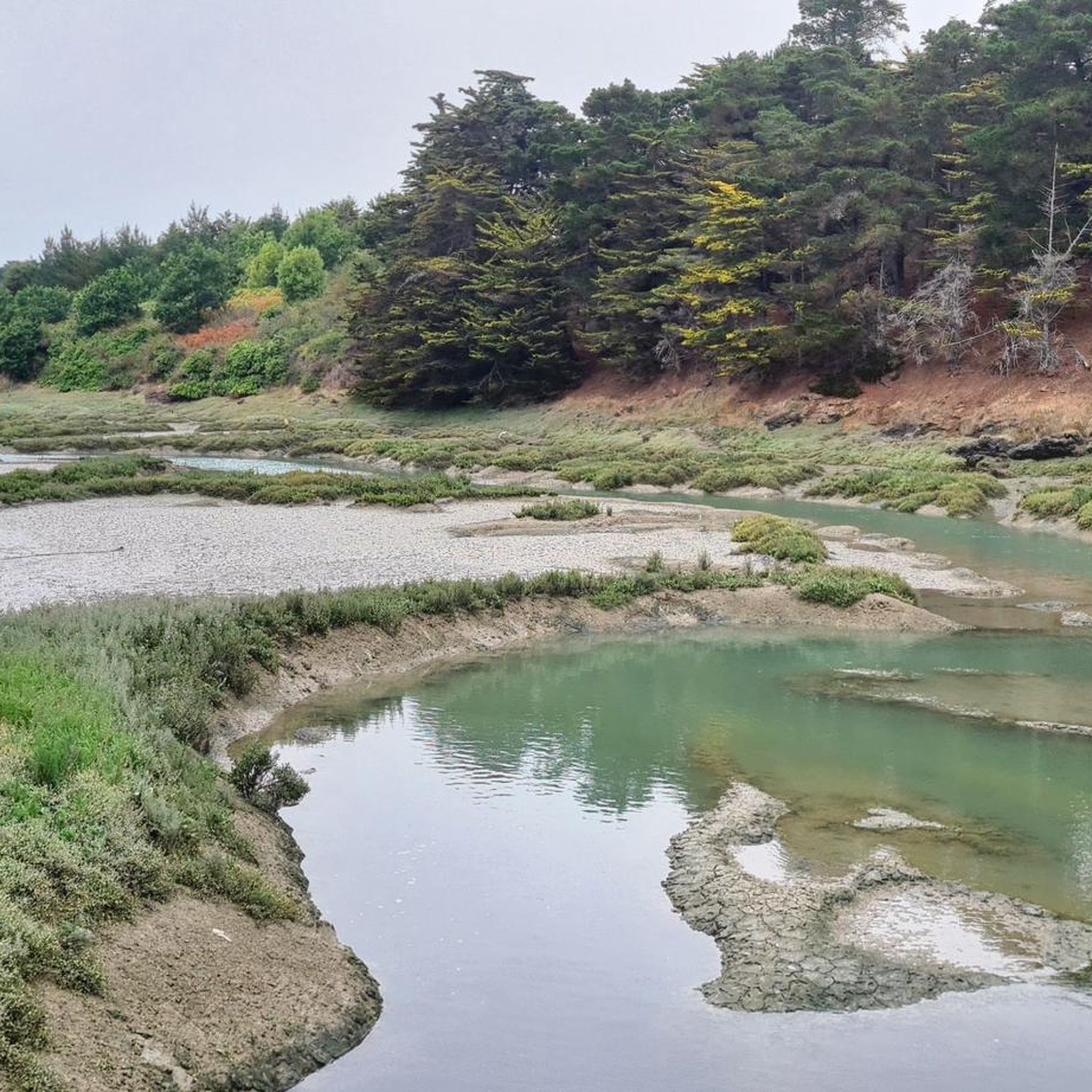
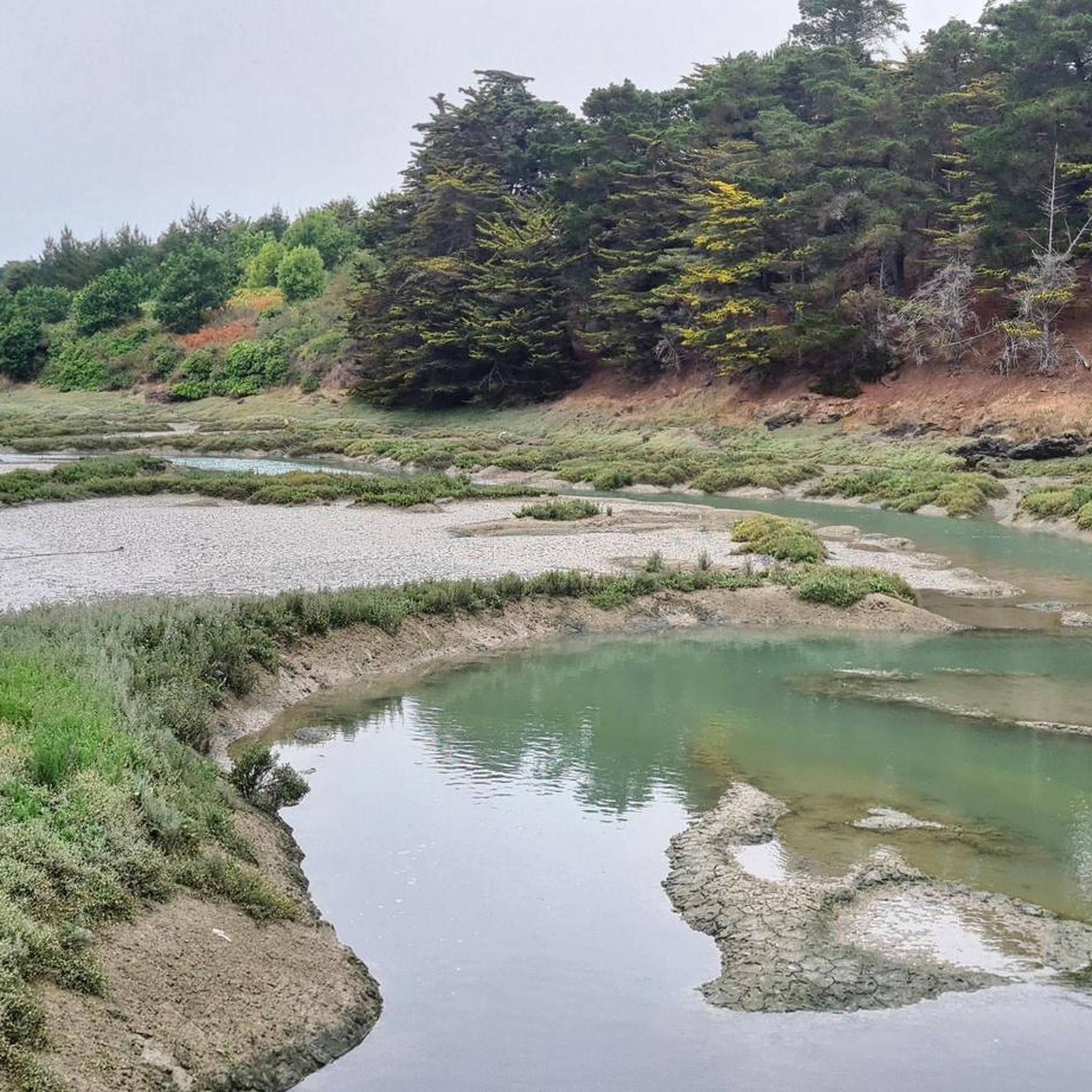
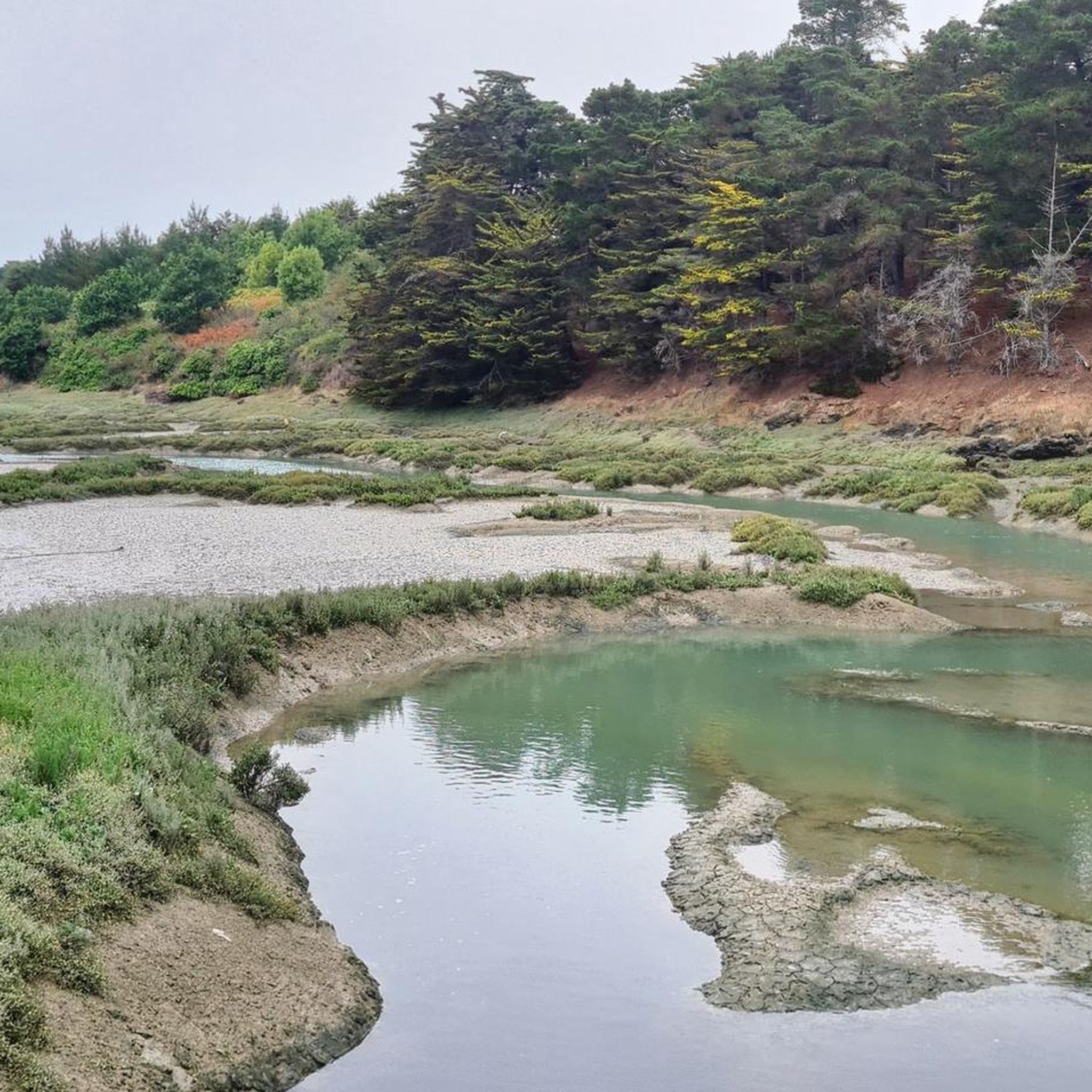
one of the tide mills on the Rance, worth the detour
0
0

Going back up towards St-Malo, a pretty path to the left (Rance valley) allows you to partly avoid the D117.
0
0
Frequently Asked Questions
How many road cycling routes are available around Saint-Coulomb?
There are over 270 road cycling routes around Saint-Coulomb, offering a wide variety of options for different skill levels and preferences. This includes 73 easy routes, 189 moderate routes, and 11 more challenging rides.
What kind of terrain can I expect on road cycling routes in Saint-Coulomb?
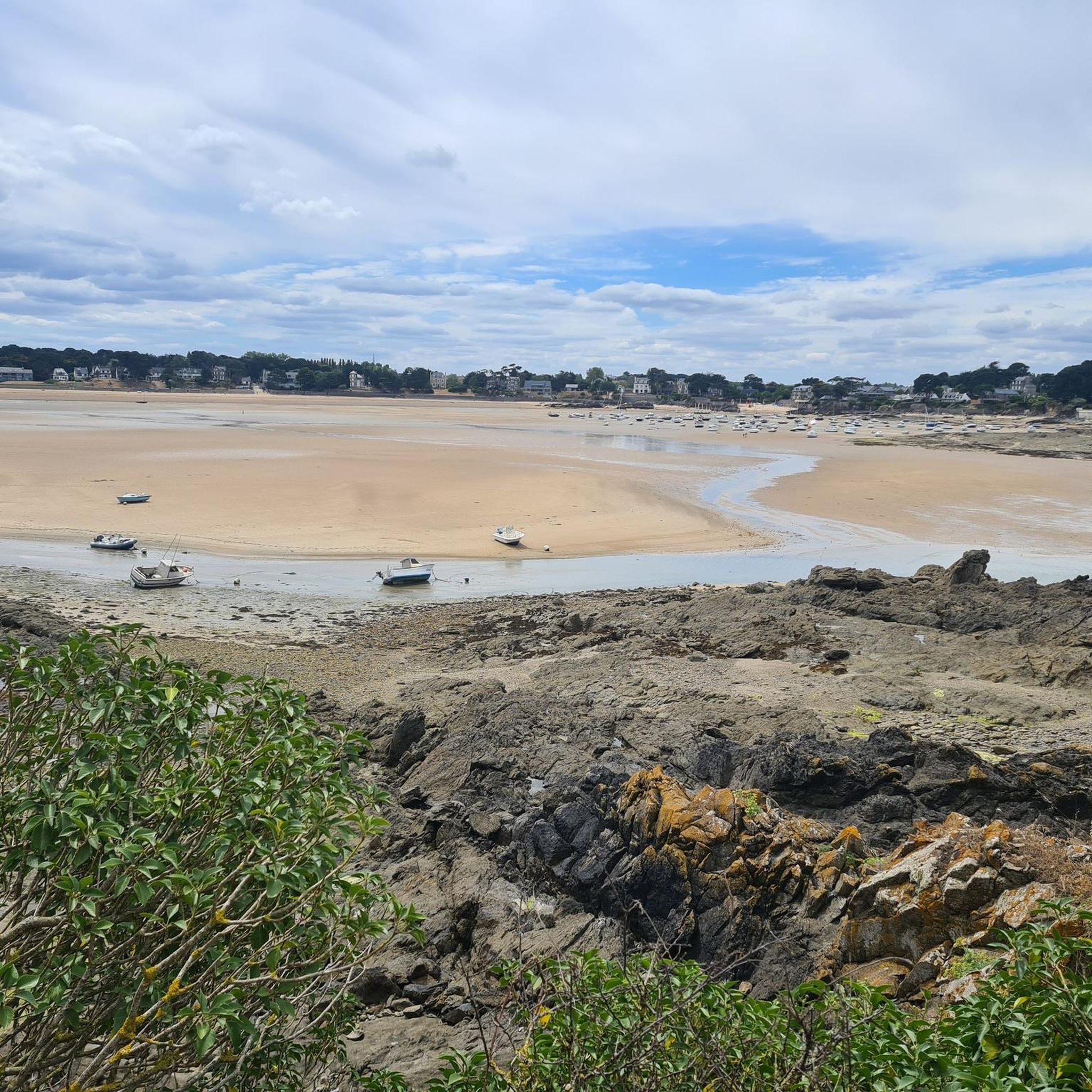
Road cycling in Saint-Coulomb features diverse terrain, from coastal paths along the Emerald Coast with its distinctive green-blue waters to routes through the countryside. You'll encounter rocky capes, expansive sandy beaches, tranquil tidal inlets, and some inland areas with ponds and wooded settings. Routes often connect historic towns and natural features.
Are there any easy or family-friendly road cycling routes in Saint-Coulomb?
Yes, Saint-Coulomb offers 73 easy road cycling routes, making it suitable for beginners or families looking for a relaxed ride. These routes often provide scenic views without significant elevation changes, allowing for enjoyable exploration of the coastal and rural landscapes.
What are some notable landmarks or scenic viewpoints I can see while cycling around Saint-Coulomb?
Many routes offer stunning views and pass by historical sites. You can cycle past the impressive Saint-Malo Castle, the historic Fort du Guesclin, or enjoy panoramic vistas from Grouin Point. The region is also home to several 'Malouinières,' 17th and 18th-century residences of Saint-Malo shipowners, which add historical charm to your ride.
Are there challenging road cycling routes for experienced riders in Saint-Coulomb?
Yes, for experienced riders seeking a challenge, there are 11 difficult routes available. For example, the Beauchet Mill – Saint-Suliac loop from Fort du Guesclin is a moderate route covering over 71 km with more than 700 meters of elevation gain, offering a substantial ride through varied landscapes.
What is the best time of year for road cycling in Saint-Coulomb?
The Emerald Coast, including Saint-Coulomb, is beautiful throughout the warmer months. Spring and autumn generally offer pleasant temperatures and fewer crowds, making them ideal for road cycling. Summer is also popular, though routes might be busier, especially near coastal attractions.
Are there circular road cycling routes available around Saint-Coulomb?
Yes, many road cycling routes in Saint-Coulomb are designed as loops, allowing you to start and finish at the same point. Examples include the Cancale – Saint-Méen Church loop from Paramé or the Cancale – The Bay of Mont-Saint-Michel loop from Saint-Ideuc, which provide comprehensive tours of the area's scenery.
Can I find cafes or restaurants along the road cycling routes in Saint-Coulomb?
Saint-Coulomb is situated between the popular towns of Cancale and Saint-Malo, and many routes connect to or pass through these areas. You'll find numerous cafes, pubs, and restaurants in these towns and smaller villages along the way, perfect for a refreshment stop or a meal.
What are the options for parking when road cycling in Saint-Coulomb?
Parking is generally available in Saint-Coulomb and the nearby towns like Cancale and Saint-Malo. Many routes start from accessible points where parking facilities can be found. For specific routes, it's advisable to check the starting point details for the most convenient parking options.
Is Saint-Coulomb well-equipped for visiting cyclists?
Yes, Saint-Coulomb is committed to welcoming cyclists. The area features 'Accueil Vélo' certified campsites, such as Camping Duguesclin, which provide amenities like secure bike storage, repair kits, and e-bike charging stations. This makes it a convenient base for exploring the region by road bike.
What are some of the natural features I might encounter on a road bike ride?
The region boasts a stunning natural environment. You'll ride along the diverse coastline with its rocky capes and sandy beaches like La Touesse and Les Chevrets. Inland, you might pass by the tranquil Étang Sainte-Suzanne, a 17-hectare pond, or cycle through areas part of the Natura 2000 zone, protecting rich biodiversity.
Are there any routes that offer views of Mont-Saint-Michel?
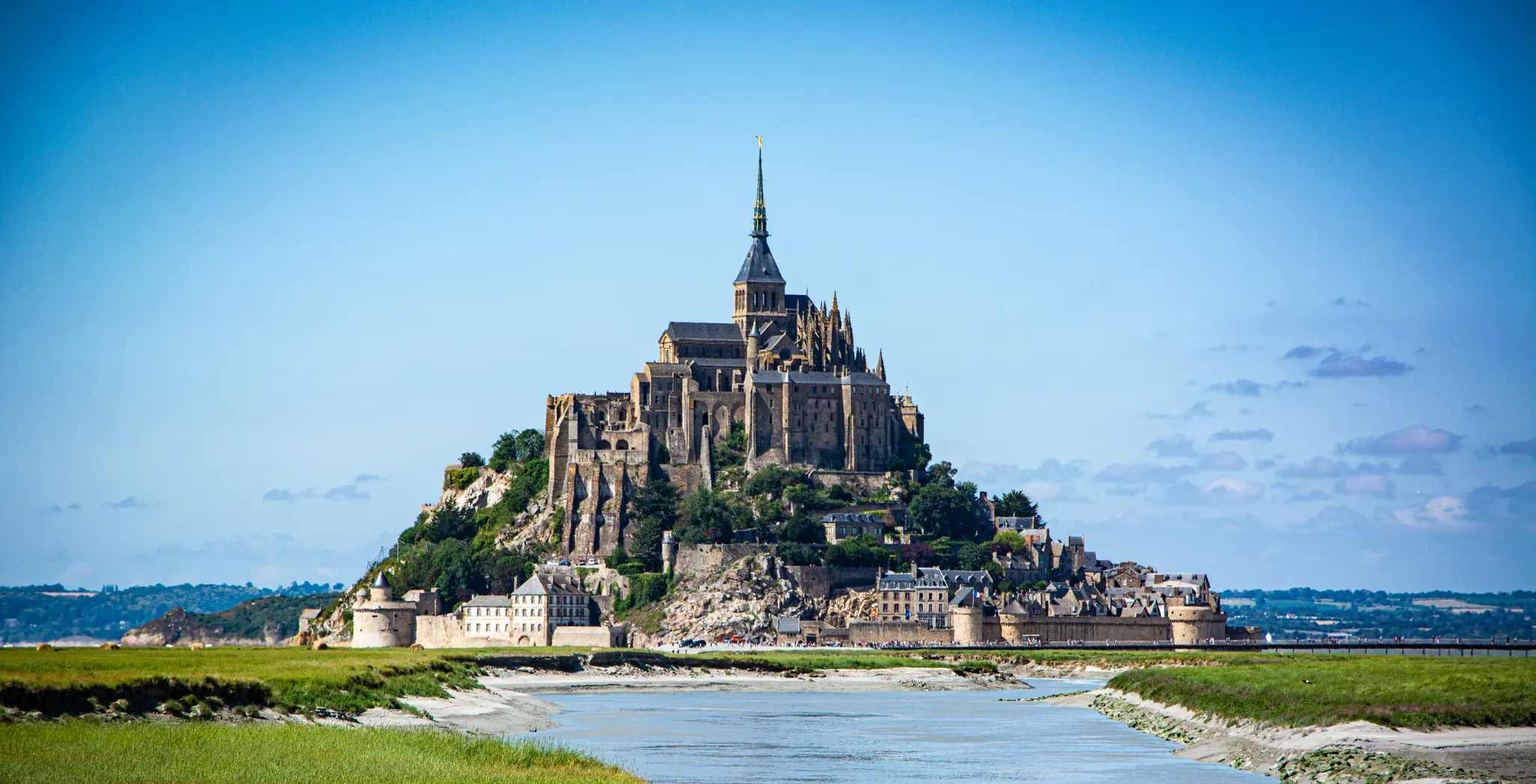
Yes, some routes provide views towards the iconic Mont-Saint-Michel Bay. For instance, the Cancale – The Bay of Mont-Saint-Michel loop from Saint-Ideuc offers extensive coastal scenery with glimpses of the famous landmark in the distance.
Most popular routes around Saint-Coulomb
Most popular attractions around Saint-Coulomb

Get inspired with the komoot mobile app


Explore more
Browse the best Road cycling routes in other regions.
