Attractions and Places To See around Plumelec - Top 20
Attractions and places to see around Plumelec offer a blend of historical sites, cultural experiences, and natural beauty within the Morbihan department of Brittany, France. The region is characterized by tranquil stone-lined streets and verdant landscapes, situated at the western edge of the Landes de Lanvaux. Visitors can explore a variety of landmarks, chapels, and natural features, including ancient dolmens and cycling routes.
Best attractions and places to see around Plumelec
- The most popular attractions is Josselin Castle, a…
Last updated: July 2, 2026
Josselin Castle
Highlight • Religious Site
Translated by Google •
Tip by

Le Roc-Saint-André
Highlight • Settlement
Tip by

Sign up now to discover places like this
Get recommendations on the best single tracks, peaks, & plenty of other exciting outdoor places.
Sign up for free
Moulin de Gourvineg
Highlight • Historical Site
Translated by Google •
Tip by

Château de Trédion
Highlight • Castle
Translated by Google •
Tip by

Sainte-Marie Church
Highlight • Other
Translated by Google •
Tip by

Sign up for free to discover even more attractions around Plumelec.
Sign up for free
Already have an account?
Start today with a free account
Your next adventure awaits.
Login or Signup


Tips from the Community

The Church of St. Mary, in neo-Gothic style, was built in 1882. The quadrangular tower, made entirely of granite, rises in three distinct floors. The porch is open on three sides by large pointed arches. It is decorated with blind arcades. The tower is surely the most beautiful architectural element of this church. The nave is paved with granite and covered with a light vault whose arches fall on columns engaged in the walls and doubled at the corners of the transept. A pretty openwork door adorns the confessional of the southern chapel.
1
0

Beautiful picturesque town with a spectacular castle and old half-timbered houses
1
0

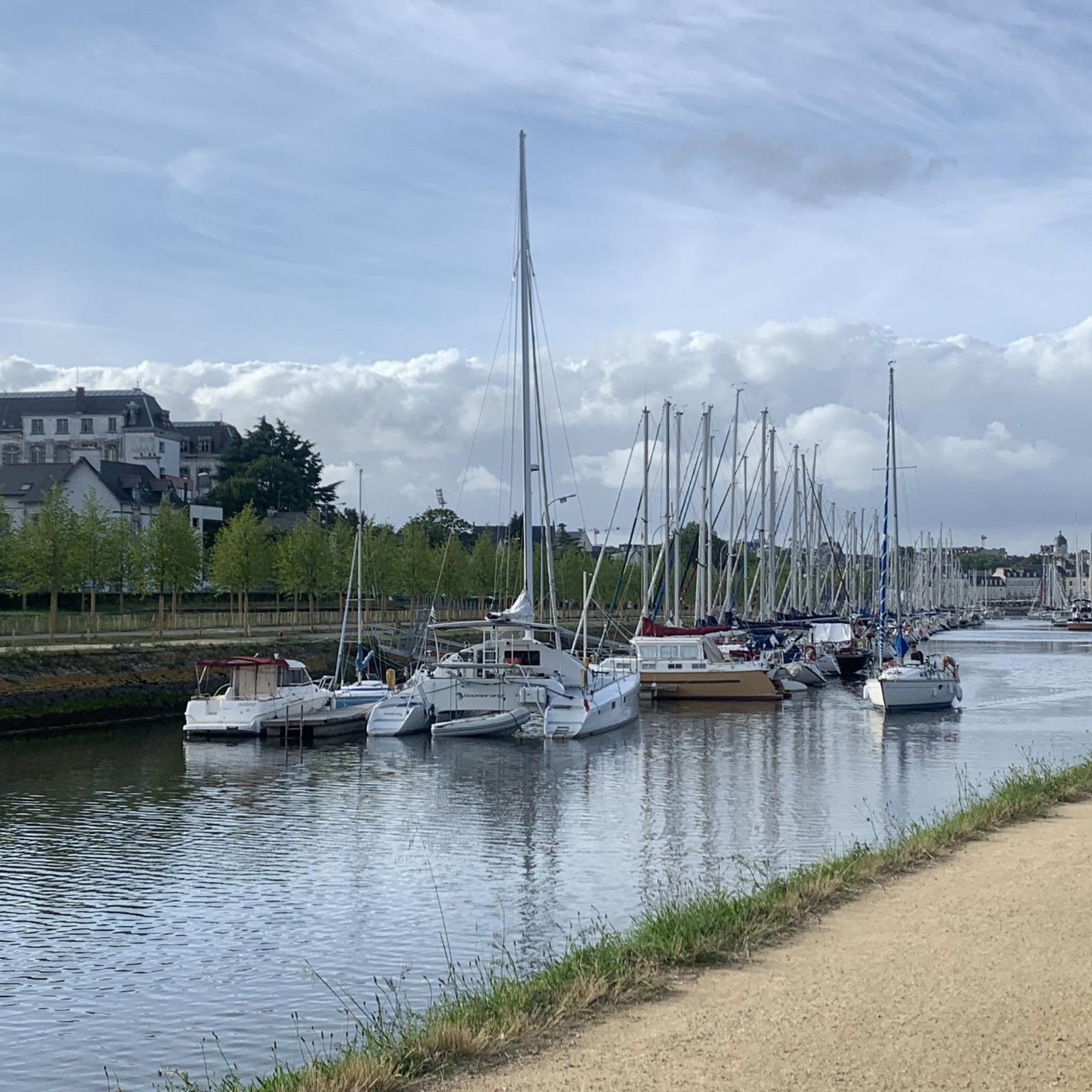
It looks beautiful when you come along the bike path along the canal.
0
0

The Château de Josselin is a two-faced building whose architectural details tell a thousand-year-old story. Standing on a rocky outcrop, it overlooks the Oust valley. On the river side, an austere facade evokes the feudal struggles of the Middle Ages. On the courtyard side, a more refined sculpted granite facade offers a particularly well-preserved example of Breton architecture from the end of the 15th century and the beginning of the 16th century.
1
0

This beautiful mill was used until the 1950s, when it was bought and restored by the municipality to serve as a communal hall.
2
0

The castle's imposing towers are reflected in the River Oust. Owned by the Rohan family, one of the oldest families in Brittany, it is the symbol of this pretty town. Plan half a day to stroll through the charming streets of this "petite cité de caractère" (small, particularly picturesque town) and also visit the basilica.
3
0

A nice stop at the edge of the Nantes-Brest canal
1
0

Roc-Saint-André was known under the name of Le Rotz in the 15th century. The Welsh pronunciation is “Le Rô”. In Breton Roz-Sant-Andrev, it is the name of a chapel, the Roz chapel built on a rock dedicated to Saint Andrew. It is an old truce of Sérent, later established as a commune and parish. With its high Cornish bell tower, the neo-Gothic church of Roc Saint André is part of the great church reconstruction movement which marked the 19th century. Its architect, Arthur Regnault, drew no less than 70 plans for Breton churches! The building, built under the leadership of Father Pirio, rector of the parish, dominates a rocky promontory. It replaces the 16th century church razed in 1901 due to dilapidation. https://ville-roc-saint-andre.fr/tourisme-et-patrimoine
0
1
Frequently Asked Questions
What historical sites can I visit in Plumelec?
Plumelec offers a rich historical tapestry. You can explore the exterior and grounds of the 14th-century Château de Callac, which played roles in the French Revolution and WWII. The Musée du Moulin de la Grée commemorates SAS paratroopers from WWII. Additionally, the ancient Dolmen de la Milgourdy provides a glimpse into the Neolithic period, and the 16th-century Well of La Touche-Berthelot is an architectural element of historical significance.
Are there any notable castles near Plumelec?
Yes, the region boasts several impressive castles. The most popular is Josselin Castle, a magnificent thousand-year-old fortress reflected in the River Oust. Another significant site is Château de Trédion, known for its extensive forest area and picturesque park with an artificial river and waterfall. While private, the exterior of the historic Château de Callac in Plumelec itself is also worth seeing.
What religious heritage sites are there in the Plumelec area?
Plumelec is rich in sacred heritage. The Église Saint-Maurice in Saint-Aubin features beautiful Renaissance-era carved wooden beams. Numerous charming chapels, crosses, and calvaries are scattered throughout the territory, including the 15th-century Saint-Maudé Chapel and the 17th-century Notre-Dame-de-Lorette. The Calvary of Callac is a particularly striking site with 14 stations and 57 life-sized granite figures. You can also visit Saint-Michel Chapel and Sainte-Marie Church.
What natural attractions are there to explore around Plumelec?
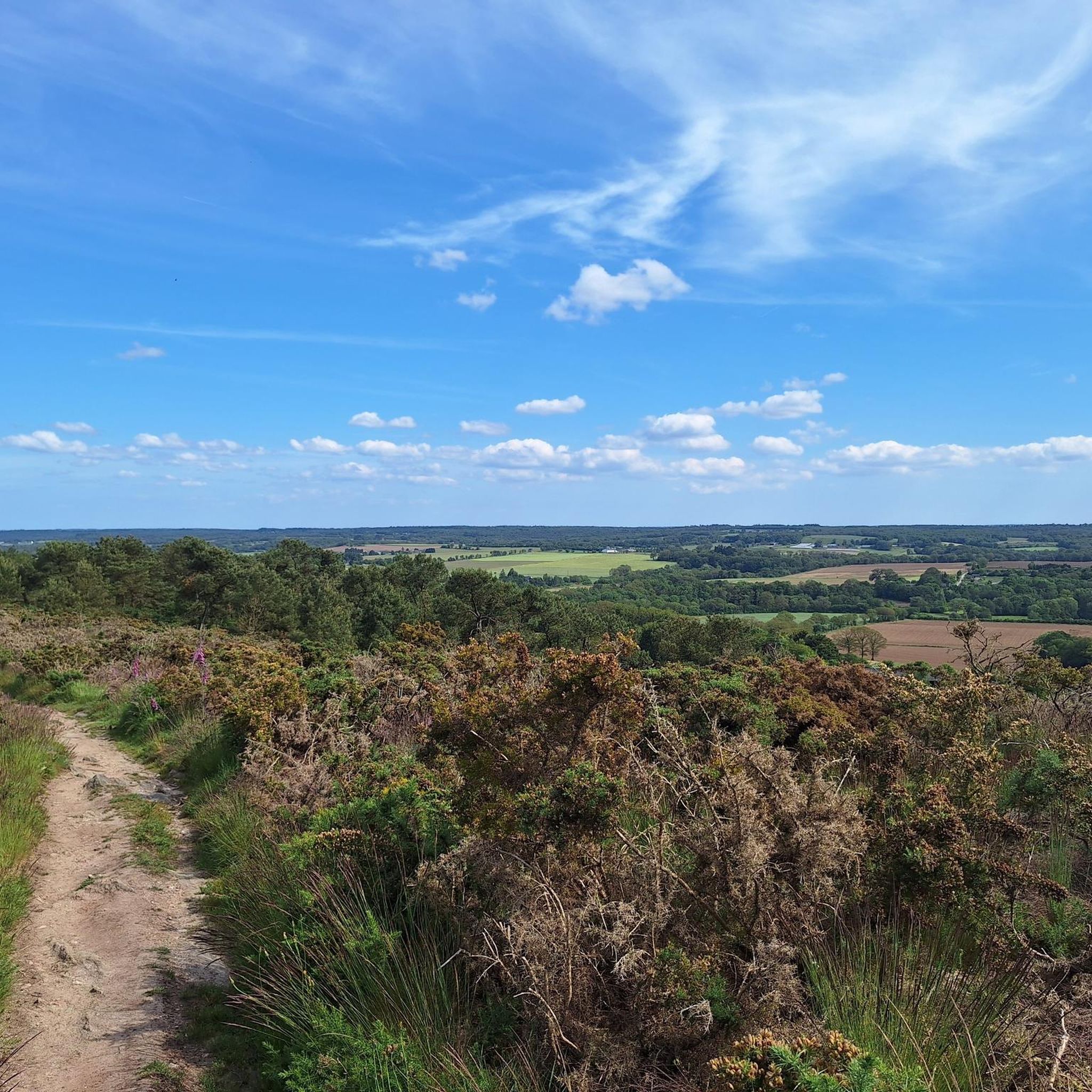
Plumelec is situated at the western edge of the Landes de Lanvaux, a natural region characterized by rolling green, stony hills and wooded areas, making it ideal for hiking. The area is also home to the ancient Dolmen de la Milgourdy. For cyclists, the Côte de Cadoudal is a famous steep ascent, offering unique views even for non-cyclists.
Are there hiking trails near Plumelec?
Yes, Plumelec is a 'little paradise' for hiking, with various trails allowing you to explore the rich heritage and diverse landscapes. You can find routes like the 'Bouétard Cross – Bernard Hinault Statue loop' or the 'Callac Cave – Chapelle Saint-Joseph loop'. For more detailed information and routes, visit the Hiking around Plumelec guide.
What cycling opportunities are available in Plumelec?
Plumelec is well-known in the cycling world, particularly for the Côte de Cadoudal, a challenging climb featured in major cycling events. The area offers various routes for both touring and road cycling. You can explore options like the 'Tour de Plumelec loop' or longer routes such as the 'Notre-Dame du Loc Chapel – Meucon Church loop'. Discover more routes in the Cycling around Plumelec guide and the Road Cycling Routes around Plumelec guide.
Are there family-friendly attractions around Plumelec?
Many attractions around Plumelec are suitable for families. The grounds of Château de Callac and the ancient Dolmen de la Milgourdy offer interesting outdoor exploration. Josselin Castle and its picturesque town are also great for a family day out. The park surrounding Château de Trédion, with its artificial river and pond, provides a lovely setting for a stroll. The Musée du Moulin de la Grée can also be an educational visit for older children.
What do visitors enjoy most about the attractions around Plumelec?
Visitors particularly appreciate the blend of historical depth and natural beauty. The imposing architecture of Josselin Castle and the charm of its surrounding town are frequently highlighted. The tranquil settings of chapels like Saint-Michel Chapel and the scenic landscapes around Château de Trédion are also highly rated. The komoot community has shared over 80 photos and given more than 240 upvotes for attractions in the area, reflecting a strong positive experience.
Are there any unique art or cultural spaces in Plumelec?
Yes, Plumelec is home to La Peupleraie Contemporary Art Museum Space, which is unique in Brittany. This open-air museum features a garden showcasing a dozen sculptures by renowned French and international artists, offering a different kind of cultural experience amidst nature.
What is the Moulin de Gourvineg and its historical significance?
The Moulin de Gourvineg is a beautiful mill that was in use until the 1950s. Historically, mills were crucial for grinding flour and other tasks, with their income often going to local lords. This particular mill depended on the seigneury of Gourvinec, one of the most powerful in St Nolff. It has since been restored by the municipality and now serves as a communal hall, preserving a piece of local industrial heritage.
What is the best time to visit Plumelec for exploring its attractions?
The best time to visit Plumelec for exploring its attractions and enjoying outdoor activities is generally during the spring (April to June) and early autumn (September to October). During these months, the weather is typically mild and pleasant, ideal for hiking, cycling, and visiting historical sites without the peak summer crowds. The verdant landscapes are particularly beautiful in spring.
Can I find information about public transport to Plumelec attractions?
While Plumelec itself is a charming commune, many of its attractions and surrounding natural sites are best accessed by car or bicycle, especially those scattered throughout the countryside. Public transport options directly to individual attractions may be limited. For general information about the area, you might consult local tourism resources like Centre Morbihan Tourisme.
Most popular routes around Plumelec

Get inspired with the komoot mobile app


Explore more
Still not found the Highlight you’re looking for? See guides of the top attractions in other regions:
