The best road cycling routes around Saint-Paul-D'Espis
4.6
(53)
1,649
riders
284
rides
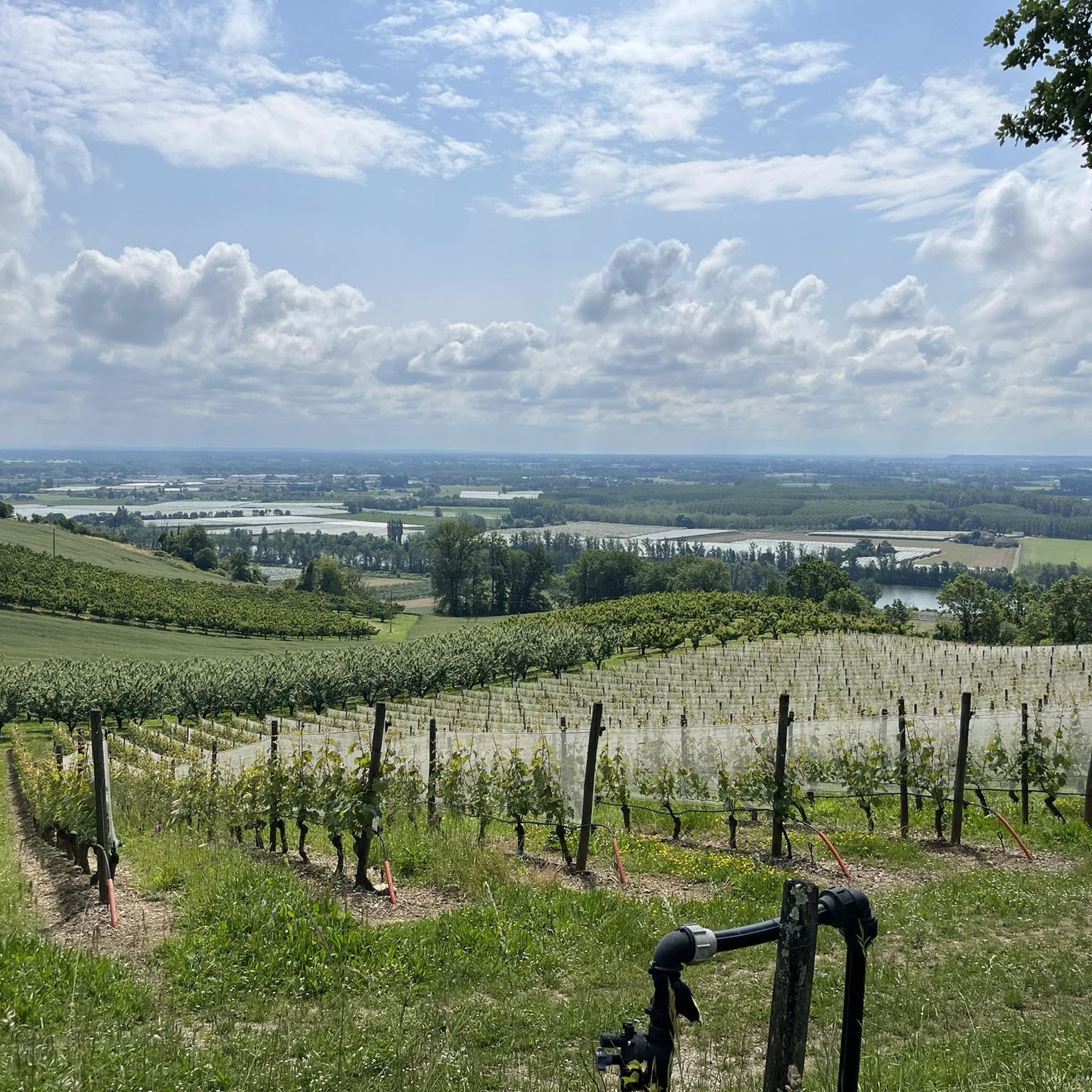
Road cycling around Saint-Paul-D'Espis offers varied terrain characterized by rolling hills, expansive vineyards, and tranquil river valleys. The region provides a scenic backdrop for cycling excursions, with routes traversing lush orchards and following the Garonne and Tarn rivers. Cyclists can expect a mix of gentle gradients and more challenging ascents, catering to different skill levels. This landscape provides a diverse experience for road cyclists exploring the Tarn-et-Garonne department.
Best road cycling routes around Saint-Paul-D'Espis
- The most popular road cycling route…
Last updated: October 30, 2026
5.0
(2)
38
riders
48.0km
02:24
200m
200m
Moderate road ride. Good fitness required. Mostly well-paved surfaces and easy to ride.
12
riders
27.4km
01:15
230m
230m
Easy road ride. Mostly well-paved surfaces and easy to ride.

6
riders
34.5km
01:23
110m
110m
Easy road ride. Mostly well-paved surfaces and easy to ride.
3
riders
33.3km
01:37
310m
310m
Moderate road ride. Good fitness required. Mostly well-paved surfaces and easy to ride.
9
riders
99.8km
04:23
880m
880m
Moderate road ride. Good fitness required. Mostly well-paved surfaces and easy to ride.
Get access to more routes and recommendations from other explorers.
Already have an account?
Our route recommendations are based on thousands of hikes, rides, and runs completed by other people on komoot.
Start today with a free account
Your next adventure awaits.

Tips from the Community

Lauzerte is a magnificent medieval bastide from the 12th century perched on a rocky spur. Lauzerte is an essential and mythical stop for pilgrims on the Via Podensis (the route from Puy-en-Velay). Founded by the count of Toulouse, this ancient strategic city features a checkerboard architecture typical of the bastides of the Southwest.
0
0
The abbey and its cloister, the historic center, the Art Deco buildings, the Napoleon bridge, the towpath, and the Cacor canal bridge are must-sees. Everything can be easily discovered on foot. Moissac is a major stop on the Camino de Santiago thanks to its exceptional heritage, particularly its abbey, a UNESCO World Heritage site. Its Romanesque cloister and sculpted tympanum make it an emblematic place for pilgrims from all over the world.
0
0
Abbey founded in the mid-7th century. After its affiliation with Cluny in 1047, the abbey was consecrated in 1063. Cloister built at the end of the 11th century (high altar consecrated by Urban II), portal completed between 1115 and 1135, fortifications and cloister arcades in the 13th century. After the troubles of the Hundred Years' War and the looting due to the Wars of Religion, the abbey came under commendatory abbots in the 17th century. After the Revolution, the abbey was bought back as national property and saved by the town hall secretary. The church was returned to worship in 1801 and was restored at the initiative of Viollet-le-Duc in 1847. In 1856, the conventual buildings located on the site of the seminary were destroyed and divided for sale. The repurchase of the plots allowed for the construction of the minor seminary and a chapel between 1860 and 1865. The seminary is built on medieval remains of the abbey, particularly the cistern and the Hall of the Dead, which retains painted decoration from the 14th century.
1
0
The abbey and its cloister, the historic center, the Art Deco buildings, the Napoleon bridge, the towpath, and the Cacor canal bridge are must-sees. Moissac is a major stop on the Camino de Santiago thanks to its exceptional heritage, notably its abbey, a UNESCO World Heritage site. Its Romanesque cloister and sculpted tympanum make it an emblematic place for pilgrims from all over the world.
0
0
The abbey and its cloister, the historic center, the Art Deco buildings, the Napoleon bridge, the towpath and the Cacor canal bridge are must-sees. Moissac is a major stop on the routes to Santiago de Compostela thanks to its exceptional heritage, notably its abbey, a UNESCO World Heritage site. Its Romanesque cloister and sculpted tympanum make it an emblematic place for pilgrims from all over the world.
0
0
On July 29, 1808, Napoleon I arrived in Moissac, crossing the Tarn on a pontoon bridge. Since the Wars of Religion and floods, previous structures had been destroyed, and the perilous crossing was done by ferry. Work began quickly but ceased with the fall of the First Empire (1814). It resumed in 1820, leading to the inauguration of the Marie-Thérèse bridge on December 19, 1824. It was named in honor of the Dauphine, daughter of Louis XVI and Marie Antoinette, who is said to have laid the keystone of the bridge. It finally became the "Pont Napoléon" in 1859, after Napoleon III's visit to Moissac.
0
0

Are you a fan of bridges? No? It doesn't matter, go see it anyway, it's very beautiful.
0
0

Great medieval frescoes and a unique cloister
0
0
Frequently Asked Questions
What kind of terrain can I expect when road cycling around Saint-Paul-D'Espis?
Road cycling around Saint-Paul-D'Espis features varied terrain, characterized by rolling hills, expansive vineyards, and tranquil river valleys. You'll find routes traversing lush orchards and following the Garonne and Tarn rivers, offering a mix of gentle gradients and more challenging ascents.
How many road cycling routes are available in Saint-Paul-D'Espis?
There are over 280 road cycling routes around Saint-Paul-D'Espis, catering to various skill levels from easy to difficult.
Are there road cycling routes suitable for beginners in Saint-Paul-D'Espis?
Yes, Saint-Paul-D'Espis offers approximately 60 easy road cycling routes. These often follow the canal and river, providing mostly flat to gently rolling rides, perfect for those new to road cycling.
Are there challenging road cycling routes for experienced cyclists?
Absolutely. For experienced cyclists seeking a challenge, there are about 24 difficult road cycling routes available. These routes often include more significant ascents and cover longer distances, such as the Lac de Bajamont – Scenic Countryside Climb loop from Saint-Clair, which features over 640 meters of elevation gain.
What interesting sights can I see along road cycling routes in Saint-Paul-D'Espis?
Many routes offer scenic views and pass by notable attractions. You might cycle past the impressive Cacor Canal Bridge, or enjoy views from the Suspension bridge over the Garonne. The region is rich in picturesque landscapes, including vineyards and orchards.
Are there any historical landmarks accessible by road bike?
Yes, the region is home to significant historical sites. You can cycle towards Moissac, known for its medieval Saint-Pierre Abbey, including the renowned Saint Peter's Abbey Church and Cloister. Another charming village to explore is Auvillar, which features an unusual Auvillar Circular Market Hall.
Are there circular road cycling routes available in Saint-Paul-D'Espis?
Yes, many road cycling routes in the area are designed as loops, allowing you to start and finish in the same location. Examples include the Moissac Canal – Boudou Bridge loop from Mathaly and the Valence d'Agen – Valence d'Agen loop from Saint-Clair.
What is the best time of year for road cycling in Saint-Paul-D'Espis?
The region is a '100% nature destination,' making spring and autumn particularly pleasant for road cycling with milder temperatures and beautiful scenery. Summer can also be enjoyable, especially for early morning or late afternoon rides to avoid the midday heat.
What do other road cyclists enjoy the most about road cycling in Saint-Paul-D'Espis?
The area is highly rated by the komoot community, with an average score of 4.5 stars from over 40 reviews. Cyclists often praise the diverse terrain, the scenic backdrop of vineyards and river valleys, and the well-marked paths that make exploring the countryside enjoyable.
Are there family-friendly road cycling options in Saint-Paul-D'Espis?
While specific 'family-friendly' routes are not explicitly categorized, the numerous easy and moderate routes, particularly those along the Canal des Deux Mers, offer relatively flat and safe paths suitable for families with children. These routes often pass through tranquil areas away from heavy traffic.
Where can I find parking for road cycling routes near Saint-Paul-D'Espis?
Many routes start from villages or towns like Valence d'Agen or Moissac, where public parking is generally available. Look for designated parking areas in the town centers or near popular starting points for trails.
Is public transport an option for reaching road cycling routes in Saint-Paul-D'Espis?
While Saint-Paul-D'Espis itself is a smaller village, nearby towns like Moissac and Valence d'Agen may have regional bus or train connections. It's advisable to check local public transport schedules and bike carriage policies if you plan to use public transport to access the starting points of routes.
Most popular attractions around Saint-Paul-D'Espis

Get inspired with the komoot mobile app


Explore more
Browse the best Road cycling routes in other regions.
