Attractions and Places To See around Isdes - Top 7
Best attractions and places to see around Isdes include a variety of natural and historical sites within the Loiret department of north-central France. This commune is recognized for its preserved architectural quality and abundant flora, earning it the "Village de Caractère du Loiret" label. Nestled within the Sologne forest, the area features a mosaic of woodlands, ponds, and several small rivers like the Beuvron and Cosson. Visitors can explore traditional Solognot architecture and significant landmarks that reflect the region's heritage.
…Last updated: June 29, 2026
Étang du Puits
Highlight • Lake
Originally created in 1864 to supply the Sauldre canal with water.
Now partly developed as a recreational area: …
Translated by Google •
Tip by

Ford Crossing in Natura 2000 de Sologne
Highlight • River
Translated by Google •
Tip by

Sign up now to discover places like this
Get recommendations on the best single tracks, peaks, & plenty of other exciting outdoor places.
Sign up for free
Saint Martin's Church
Highlight • Other
Translated by Google •
Tip by

Old Sauldre Canal
Highlight • Other
Translated by Google •
Tip by
Saint Jean Baptiste Church
Highlight • Other
Translated by Google •
Tip by
Sign up for free to discover even more attractions around Isdes.
Sign up for free
Already have an account?
Start today with a free account
Your next adventure awaits.
Login or Signup

Tips from the Community

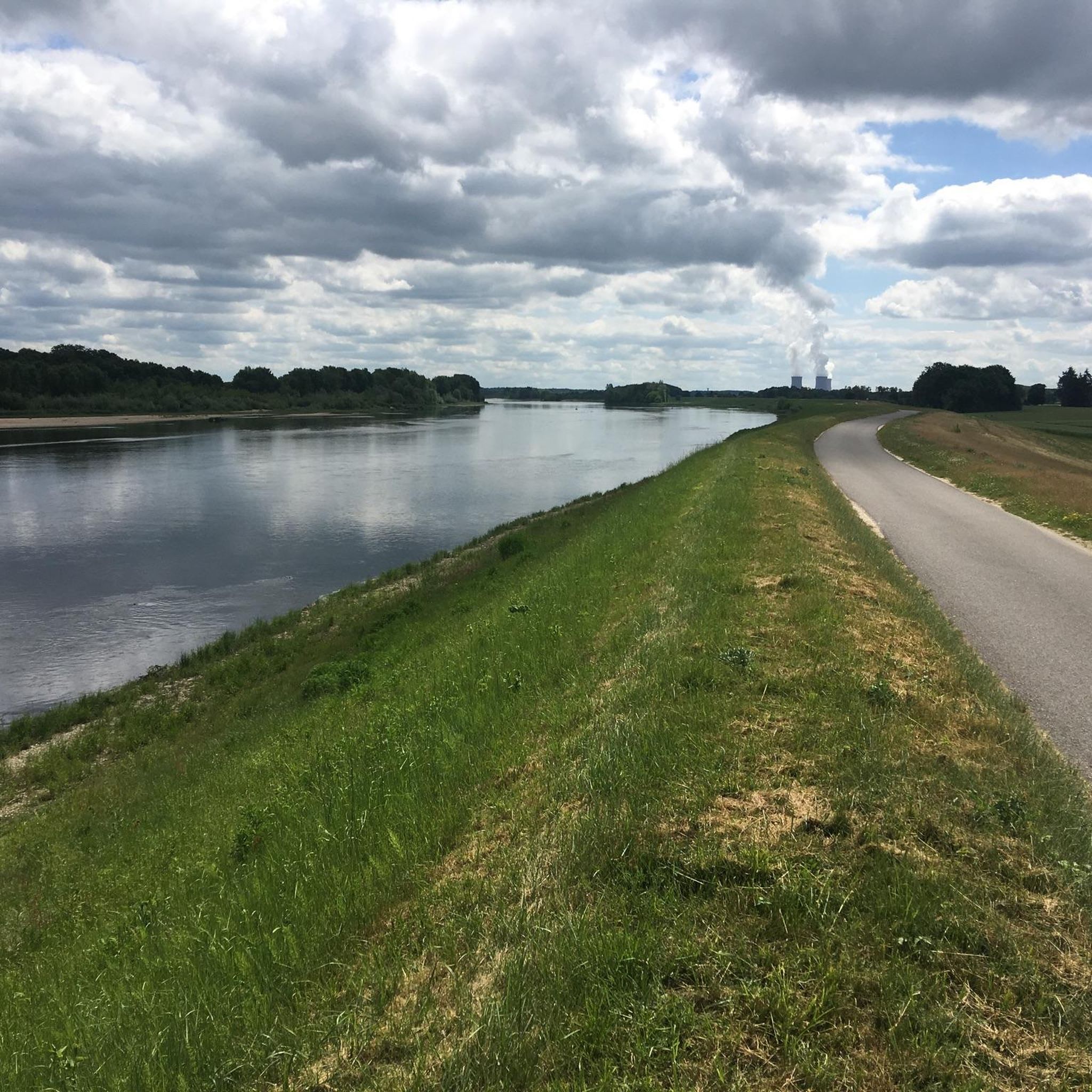
The old Canal de la Sauldre, once built to transport wood, lime, and peat, meanders through the forests of the Sologne. Today, the water is calm and wooded, but the old locks, bridges, and towpaths still reveal exactly how it once worked. It's an ideal walking route.
4
0
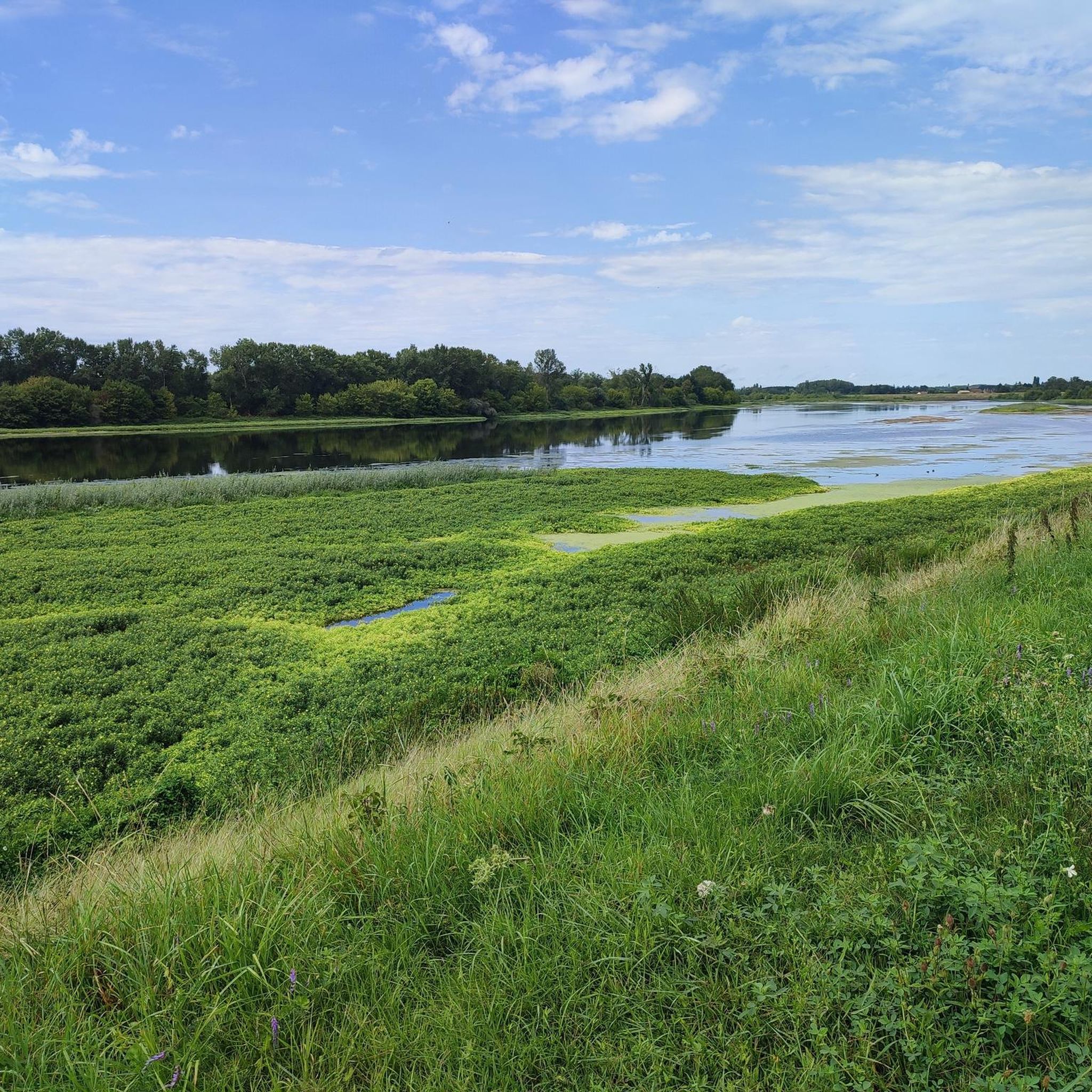
The lake covers 180 hectares, making it the largest in the Sologne. Originally created in 1864 to supply the Sauldre canal with water. Now partly developed as a recreational area: beach area, hiking trails, water sports (sailing, ski-nautique, pedalo), and an ornithological reserve. For nature lovers: you'll find a rich bird life (cendré heron, grèbe huppé, etc.) and diverse flora along the banks. For families: picnic areas, a beach area in the summer, and playgrounds.
4
0

Nestled in the heart of the peaceful Sologne countryside, the church of Souvigny-en-Sologne, a testament to the region's millennia-old history, is an architectural gem dating back to the 12th century. Built under the aegis of Guillaume de Bussy, Bishop of Orléans, it has survived the ages, preserving its charm and mystery over the centuries. Shrouded in legend and imbued with spirituality, this church contains artistic and religious treasures that captivate the imagination of visitors. Perched in the heart of Souvigny, an architectural treasure awaits visitors eager for historical and artistic discoveries: the church of Souvigny. Its aura of beauty has earned it official recognition as a Historic Monument since 1979, adding a touch of prestige to its timeless charm. This medieval gem gradually reveals itself to those who venture outside. Upon entering its gate, visitors are greeted by the majesty of its 12th-century nave, adorned with a semicircular arch that seems to invite further exploration. Its red and black brick walls form diamond patterns, adding a touch of elegance to its architecture. But it is the 16th-century choir that truly captures the attention, with its three-sided apse, testifying to the artistic refinement of the period. The molded pointed windows let light filter through, creating an atmosphere of mystery and serenity inside. Outside, the 16th-century timber-framed porch stands elegantly, enveloping the west and south facades of the nave in a remarkable architectural embrace. Also known as the promenade or the caquetoire, this porch offers a welcome pause to contemplate the surrounding beauty. The joists that compose it bear witness to the expertise of the craftsmen of yesteryear, captivating the admiration of visitors. The roof, crowning this architectural marvel, is a spectacle in itself, covered with tiles and supported by low posts and a balustrade with crossed timbers in an X shape, adding a touch of character to the ensemble. Finally, the gaze rises to the slate spire overlooking the church, a work of art in its own right. While access to this marvel was once reserved for the bravest, today its charm remains accessible to all those who wish to delve into the fascinating history of Souvigny.
0
0
"A very old church; two buttresses would allow us to date it to the 11th century," we learn. "Rebuilt in the 13th century, damaged during the Hundred Years' War, it was rebuilt again in the 16th century before being burned down during the Wars of Religion and then looted during the Revolution. Its last restoration dates back to 2014."
0
0

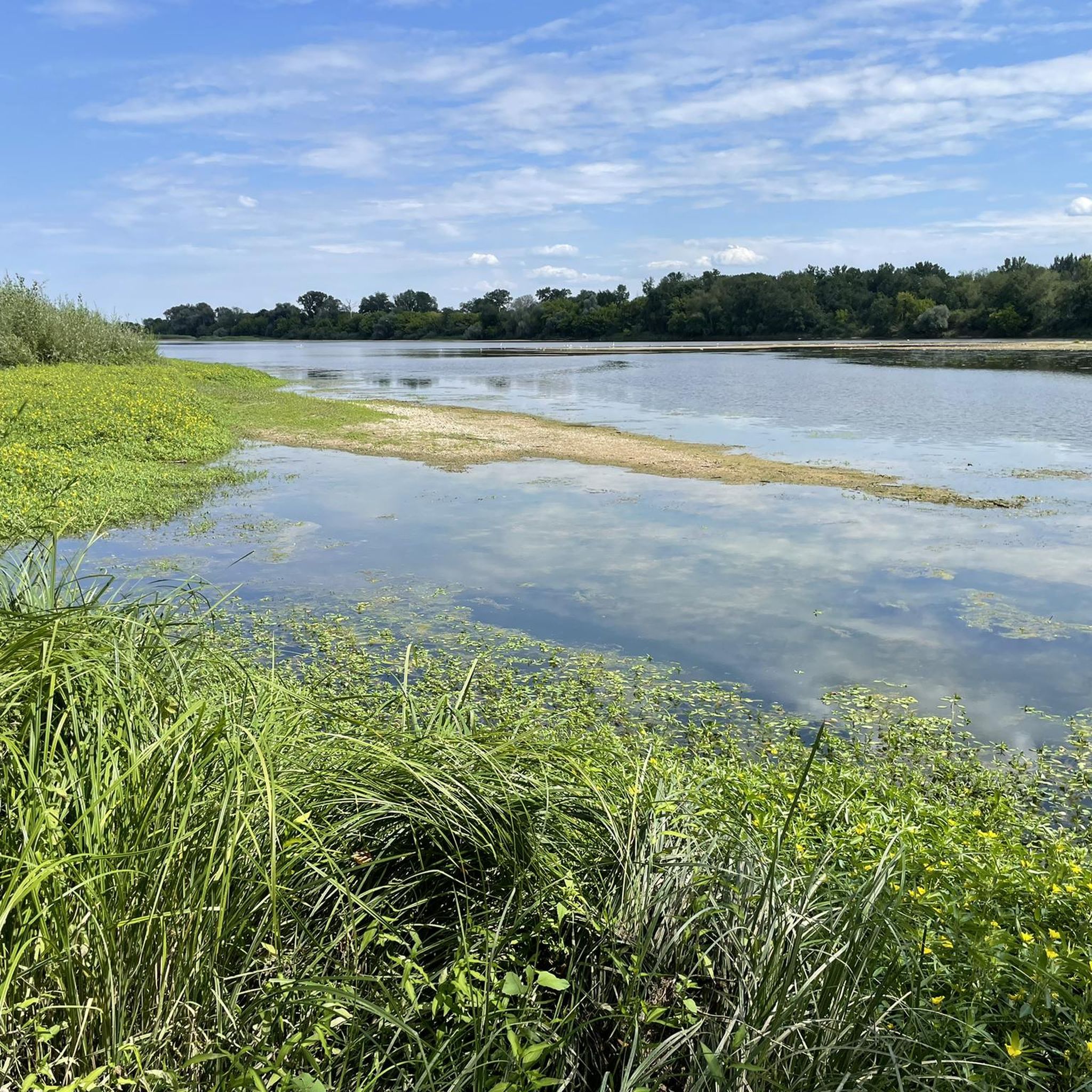
Couldn’t ride across in May 2025 but fun wading through!
1
0

Nice photo, it looks really nice
1
0

Canal which connects Blancafort (Cher) and Lamotte-Beuvron (Loir-et-Cher) and is 46,810 km long. It is the only canal in France not attached to any waterway, designed to improve agriculture in Sologne with drainage, irrigation and earth transport functions. Its construction began urgently in June 1848, after a vote by the National Assembly which wanted to occupy the Parisian workers left behind by the closure of the National Workshops.
1
0
The largest pond in Sologne which combines rich natural environments, with fauna and flora that can be admired for hours, and facilities conducive to relaxation and swimming, with its beaches and activities on offer.
1
0
Frequently Asked Questions
What historical landmarks can I visit in Isdes?
Isdes is rich in historical heritage. You can explore the Church of Notre Dame d'Isdes (also known as Notre-Dame de l'Assomption), built between the 11th and 13th centuries, featuring distinctive Solognot architecture with brick and a 'caquetoire' porch. Another notable site is the Monument aux Morts from 1919, a striking war memorial shaped like a lantern of the dead. While not directly in Isdes, nearby you can also visit Saint Martin's Church in Souvigny-en-Sologne, an architectural gem dating back to the 12th century, or the Saint Jean Baptiste Church, which has a history stretching back to the 11th century.
What natural attractions are there to explore around Isdes?
The area around Isdes offers several beautiful natural spots. The Étang du Puits is the largest lake in the Sologne, covering 180 hectares, and features a recreational area with a beach, hiking trails, and an ornithological reserve. You can also experience the Ford Crossing in Natura 2000 de Sologne, which offers a unique outdoor experience within a protected natural area. The village itself is nestled within the Sologne forest, known for its woodlands and ponds, and features the Communal Pond (Étang Communal), a popular spot for walks and fishing.
Are there opportunities for hiking near Isdes?
Yes, Isdes is an excellent base for hiking. The village lies on the GR3c long-distance hiking trail, which connects Gien to Chambord. You can find various routes, including moderate options like the 'Loop 5: Sologne Detour' (13.6 km) or the 'Étang des Gâts – Étang des Bâtes loop from Souvigny-en-Sologne' (12.8 km). For more hiking options, explore the Hiking around Isdes guide.
Can I go cycling around Isdes?
Absolutely. The flat terrain and scenic routes around Isdes are ideal for cycling. You can find easy cycling loops such as the 'Picnic Area with Water Point loop from Souvigny-en-Sologne' (25.7 km) or the 'Saint Martin's Church – Chemin des sables loop from Vannes-sur-Cosson' (24.6 km). For more cycling routes, check out the Cycling around Isdes guide.
What is the Old Sauldre Canal and what can I do there?
The Old Sauldre Canal is a historic waterway that winds through the Sologne forests. Originally built to transport goods, it now offers a tranquil setting for walks. You can explore its old locks, bridges, and towpaths, which reveal its past as a vital transport route. It's an ideal place for a peaceful stroll amidst nature.
What makes Isdes a 'Village de Caractère du Loiret'?
Isdes was awarded the 'Village de Caractère du Loiret' label in 2020, recognizing its high-quality, preserved, and uniform architectural heritage. This means visitors can expect to see charming buildings constructed with local bricks and half-timbering, characteristic of the Sologne region, offering a distinctive and authentic experience.
Are there family-friendly activities or attractions in Isdes?
Yes, the area offers family-friendly options. The Étang du Puits is partly developed as a recreational area with a beach, picnic spots, and playgrounds, making it suitable for families. The Communal Pond in the village also has a picnic area and is a pleasant spot for a family walk.
When is the best time to visit Isdes for outdoor activities?
The Sologne region, where Isdes is located, is beautiful throughout the warmer months. Spring and autumn offer pleasant temperatures for hiking and cycling, with vibrant foliage or blooming flowers. Summer is ideal for enjoying water activities at Étang du Puits, which has a beach area.
Where can I see traditional Solognot architecture?
Throughout the village of Isdes, you can admire traditional Solognot architecture. Many buildings are constructed with local bricks and feature half-timbering, which are characteristic of the Sologne region. The Church of Notre Dame d'Isdes is a prime example of this style, particularly with its brick construction and 'caquetoire' porch.
What kind of wildlife can I expect to see around Isdes?
The natural areas around Isdes, especially the Étang du Puits and the Sologne forest, are rich in wildlife. The Étang du Puits is an ornithological reserve where you might spot various bird species like the cendré heron and grèbe huppé. The surrounding woodlands and rivers also support diverse flora and fauna typical of the Sologne region.
Are there any running trails near Isdes?
Yes, there are several running trails available. You can find routes ranging from moderate to difficult, such as the 'Étang des Gâts loop from Sennely' (6.7 km, moderate) or the more challenging 'Étang des Bâtes – Étang des Gâts loop from Sennely' (24 km, difficult). For a comprehensive list of options, refer to the Running Trails around Isdes guide.

Get inspired with the komoot mobile app


Explore more
Still not found the Highlight you’re looking for? See guides of the top attractions in other regions:
