Attractions and Places To See around Les Gras - Top 20
Best attractions and places to see around Les Gras, a village in the Doubs department of France, include a mix of historical landmarks and natural sites. The area is characterized by its position between Mont Châteleu and the Rochers du Cerf, with the Theverot stream flowing through. Visitors can explore traditional farms, a 19th-century fountain, and various natural features like gorges and waterfalls. The region offers opportunities for hiking on marked trails, including sections of the GR5 and GTJ routes.
…Last updated: July 6, 2026
Môtiers village center
Highlight • Settlement
Môtiers: from the Latin monasteries, meaning church or monastery. The foundation of Môtiers merges with the foundation of the priory …
Translated by Google •
Tip by

La Brévine Weather Station
Highlight • Monument
Showing Translation
Tip by

Sign up now to discover places like this
Get recommendations on the best single tracks, peaks, & plenty of other exciting outdoor places.
Sign up for free
Asphalt Mines of La Presta
Highlight • Historical Site
In 1711, the first modern scientist specializing in the field of asphalt, the Greek doctor Eirini d'Eyrinys, identified the first deposits on the northern anticline …
Translated by Google •
Tip by
Travers Village and Stone Bridge
Highlight • Settlement
Translated by Google •
Tip by

Maison de l'Absinthe
Highlight • Historical Site
Translated by Google •
Tip by

Sign up for free to discover even more attractions around Les Gras.
Sign up for free
Already have an account?
Start today with a free account
Your next adventure awaits.
Login or Signup
Popular around Les Gras
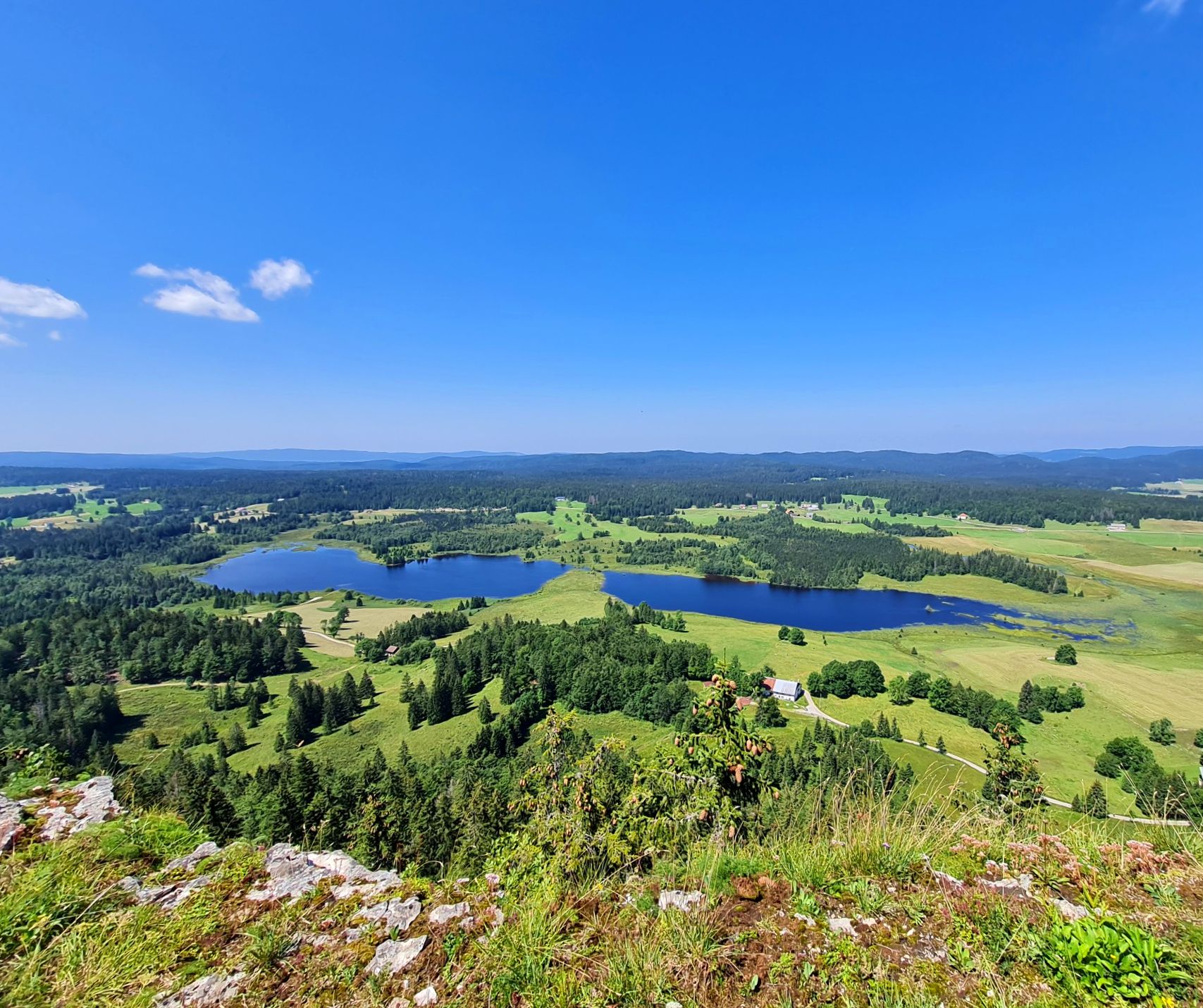
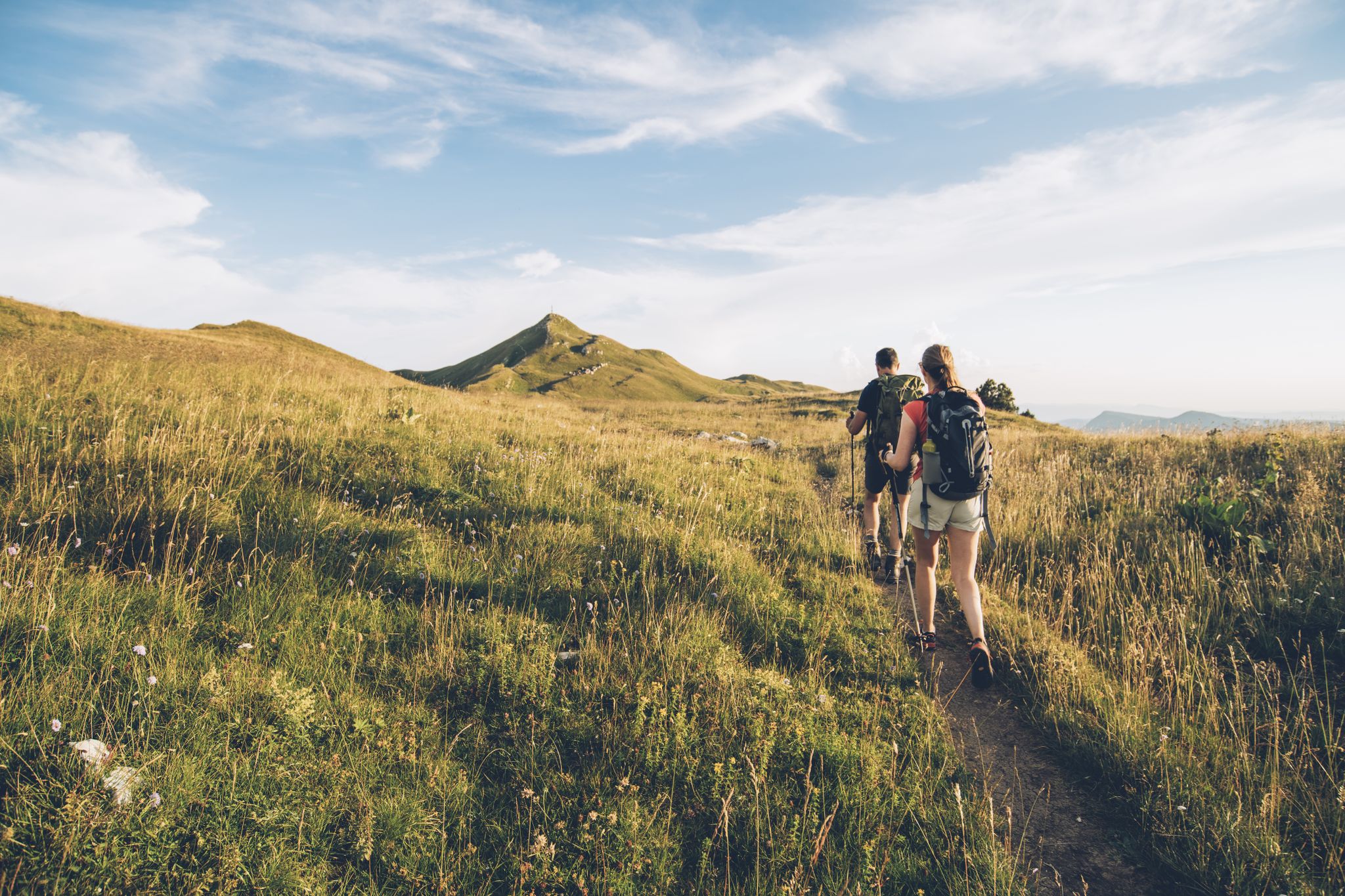
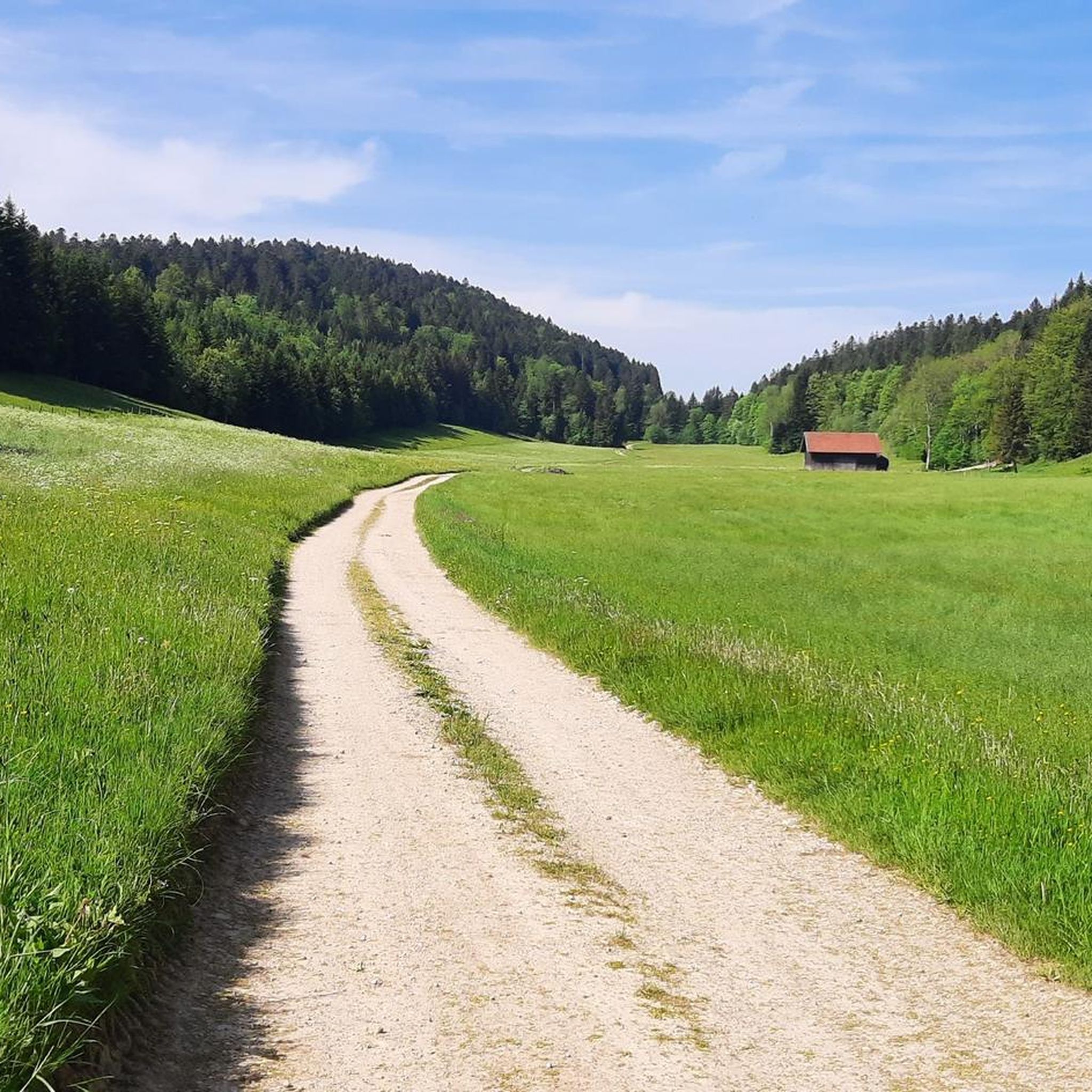


Tips from the Community

At the Maison de l'Absinthe, you can immerse yourself in the history of absinthe. In addition to a permanent exhibition on the history of absinthe, there is a themed exhibition space, a garden, a laboratory that explains the absinthe-making process, a bar where you can sample around 30 different varieties, and finally, a shop where you can purchase various regional products. The Maison de l'Absinthe is open daily from 10:00 AM to 6:00 PM (5:00 PM on Sundays), except Mondays. Admission is 15 Swiss francs for adults; children up to 16 years old are free.
2
0


Absinthe! Try this high-quality drink with its great history!
2
0

History of the village of Mostier - Moustier - Môtiers Môtiers: from the Latin monasteries, meaning church or monastery. The foundation of Môtiers merges with the foundation of the priory of St-Pierre, probably in the 10th century in a still sparsely populated Val-de-Travers. The village developed around the monastery, then rich and powerful. At the beginning of the 14th century, the Counts of Neuchâtel were the rulers of Val-de-Travers and were represented by lords. The castle, first mentioned in 1344, became their residence. At the beginning of the 16th century, the construction of an inn and the famous "town house" began: it is the Hotel des Six-Communes. The building, as it can still be admired, dates from around 1590. Jean-Jacques Rousseau stayed there from 1762 to 1765, but his disputes with the pastor of Montmollin forced the philosopher to leave Môtiers for the Ile Saint-Pierre. The 19th century left the capital a little distant from the industrial development of the rest of the district. There are a few small watch factories, a few absinthe distilleries and a company still present in the priory buildings that produces sparkling wines using the champagne method. In 1987, the municipality developed a policy to protect its architectural heritage. The character of the village and the quality of its cultural and artistic life make Môtiers a place appreciated by visitors. Text / Source: Val de Travers, Rue du Temple 8, 2114 Fleurier https://www.val-de-travers.ch/page/motiers#:~:text=Histoire%20du%20village%20de%20Mostier%20-%20Moustier%20-,d%C3%A9veloppe%20autour%20du %20monast%C3%A8re%2C%20alors%20riche%20et%20puissant.
12
1
Absinthe (also called absinthe) Absinthe, also called absinthe, belongs to the wormwood spirits and is an alcoholic beverage traditionally made from wormwood, anise, fennel, a variety of other herbs (depending on the recipe), and alcohol. Most absinthe brands are green, hence absinthe is also called "The Green Fairy" (French: La fée verte). The alcohol content is typically between 45 and 89 percent by volume, placing it among the stronger spirits. Due to the use of bitter-tasting herbs, especially wormwood, absinthe is considered a bitter spirit, although it doesn't necessarily taste bitter. Absinthe was originally produced as a medicinal remedy in the 18th century in the Val de Travers in what is now the Swiss canton of Neuchâtel (République et Canton de Neuchâtel). This spirit, traditionally mixed with water, enjoyed great popularity in France during the second half of the 19th and the early 20th centuries. Famous absinthe drinkers include Charles Baudelaire, Paul Gauguin, Vincent van Gogh, Ernest Hemingway, Edgar Allan Poe, Arthur Rimbaud, Aleister Crowley, Henri de Toulouse-Lautrec, and Oscar Wilde. At the height of its popularity, the drink had a reputation for being addictive and causing serious health problems due to its thujone content. From 1915 onward, it was banned in several European countries and the USA. Modern studies have not been able to demonstrate any harm from absinthe consumption beyond the effects of alcohol; the health problems observed at the time are now attributed to the poor quality of the alcohol and the large quantities consumed. Since 1998, absinthe has been available again in most European countries. The production and sale of absinthe have been legal again in Switzerland since 2005. Text / Source: Wikipedia https://de.wikipedia.org/wiki/Absinth
12
0
Maison de l'Absinthe, Môtiers: Since its founding, the Maison de l'Absinthe has housed a permanent exhibition dedicated to absinthe, its history, its legend, and the plant it produces. A bar on the ground floor offers tastings of nearly 30 different types of absinthe, produced by members of the Absinthe Interprofession. Text/Source: Maison de l'Absinthe, Môtiers www.maison-absinthe.ch
12
0
Bitumen Bitumen (Latin pix tumens, "sweating pitch", "earth pitch", "grave pitch") is (according to DIN EN 12597) the name for the dark-colored, semi-solid to hard, sticky hydrocarbon mixtures obtained during the gentle processing of petroleum. It is also present in natural asphalt. Due to its low content of polycyclic aromatic hydrocarbons (PAH), bitumen has replaced the previously used coal tar and is now used for the same purpose, primarily in road construction and for sealing work. Bitumen is a colloidal system made up of a dispersant, the maltenes, and the asphaltenes and petroleum resins dispersed in it. Text / Source: Wikipedia https://de.wikipedia.org/wiki/Bitumen
8
0
Les Mines d'asphalte du Val-de-Travers In 1711, the first modern scientist specializing in the field of asphalt, the Greek doctor Eirini d'Eyrinys, identified the first deposits on the northern anticline of Val-de-Travers. Initially interested in the therapeutic effects of this material, he laid the foundations for its modern use in his "Dissertation sur l'asphalt ou ciment naturel". The first mine was open-pit and it seems well established that exploitation only concerned the Combe-Vaubayon deposit until 1812. The documents available do not agree on the exact date (around 1830) when the La Presta deposit on the southern slope of the valley would have started to be exploited. After passing through various hands, the mine became the property of an English company, the "Neuchâtel Asphalte Company Ltd.", in 1873. It should be noted that asphalt, like salt, is subject to royal law and that in 1873 the latter charged a sum of around CHF 5 per tonne (around CHF 15 per tonne in 1986). Around 1960, NACO Ltd. was taken over by one of the most powerful road companies in Europe, the British company Tarmac. The asphalt mines of Presta were thus used artisanally and then industrially from 1712 to 1986 before being opened to the public. Text / Source: Les Mines d'asphalte du Val-de-Travers https://www.mines-asphalte.ch/a-propos/
8
0
Frequently Asked Questions
What natural attractions can I explore near Les Gras?
Les Gras is surrounded by impressive natural sites. You can visit the Starting point of the Poëta-Raisse gorge, known for its scenic beauty and a picnic area. Mont Châteleu, dominating the village at 1,302 meters, offers magnificent views and is accessible via marked hiking trails. The Chaudières Waterfall, with its unique "giant cauldrons," is also a notable natural feature.
Are there good hiking opportunities around Les Gras?
Yes, Les Gras is a hub for hikers. Numerous marked trails are available, including sections of the famous GR5 and GTJ routes. For more specific routes, you can explore the Running Trails around Les Gras guide, which includes routes like the 'Chaudières Falls – Vieux-Châteleu loop from Les Gras'.
What historical sites are there in Les Gras?
The village of Les Gras boasts several historical landmarks. You can explore the Saint-Renobert Church, featuring architectural elements from the 16th to 19th centuries, and traditional old farms that showcase the region's agricultural heritage. A beautifully renovated 19th-century fountain and a monumental cross from the same century also add to the village's historical charm.
Are there any unique or unusual places to visit near Les Gras?
Absolutely. Consider visiting the La Brévine Weather Station, known for recording some of Switzerland's lowest winter temperatures, earning the area the nickname "Siberia of Switzerland." Another unique site is the Asphalt Mines of La Presta, where asphalt was mined for three centuries, now open to the public for tours.
Are there family-friendly activities or attractions around Les Gras?
Many attractions around Les Gras are suitable for families. The Starting point of the Poëta-Raisse gorge offers a picnic area and easy access to a beautiful natural site. The Môtiers village center is also considered family-friendly, with its historical charm. The La Brévine Weather Station and the Asphalt Mines of La Presta also fall into this category.
Where can I find scenic viewpoints near Les Gras?
For breathtaking views, head to Mont Châteleu, which offers magnificent panoramas of the Swiss Alps and the Val de Morteau. The Col sur le Mont also provides a great viewpoint, especially for cyclists, with alternating meadows and forest sections.
What cycling routes are available around Les Gras?
The area around Les Gras offers diverse cycling routes. You can find options for road cycling in the Road Cycling Routes around Les Gras guide, including challenging loops like 'Pontarlier – Chemin du Train near Doubs'. For more general cycling, the Cycling around Les Gras guide features routes like 'Little Siberia' and 'Arc jurassien: La Brévine Loop'.
Is there parking available at the Poëta-Raisse gorge?
Yes, the Starting point of the Poëta-Raisse gorge has a few parking spaces available, making it convenient for visitors to access the gorge and its picnic area.
What is the best time to visit Les Gras for outdoor activities?
The region around Les Gras is ideal for outdoor activities during the warmer months, typically from spring through autumn, when hiking and cycling trails are most accessible and the weather is pleasant. However, the area, particularly near La Brévine, is known for its harsh winters, offering a unique experience for those interested in cold-weather phenomena.
What cultural events or festivities take place in Les Gras?
Les Gras hosts various festivities throughout the year, contributing to its vibrant village charm. These include a garage sale in June, the Pea Evening in February, an Easter egg hunt in spring, the Women's Festival and Men's Festival in June, music concerts, and the Gras Festival in September.
Are there any climbing spots near Les Gras?
Yes, for climbing enthusiasts, La Dalle des Gras is a known spot in the area for climbing activities.
Most popular routes around Les Gras
Most popular attractions around Les Gras

Get inspired with the komoot mobile app


Explore more
Still not found the Highlight you’re looking for? See guides of the top attractions in other regions:
