Attractions and Places To See around Saint-Barthélemy - Top 20
Best attractions and places to see around Saint-Barthélemy include a variety of natural features, historical sites, and cultural landmarks. The island is characterized by its white sand beaches, marine reserves, and historical architecture. Visitors can explore remnants of its colonial past and vibrant natural landscapes.
Best attractions and places to see around Saint-Barthélemy
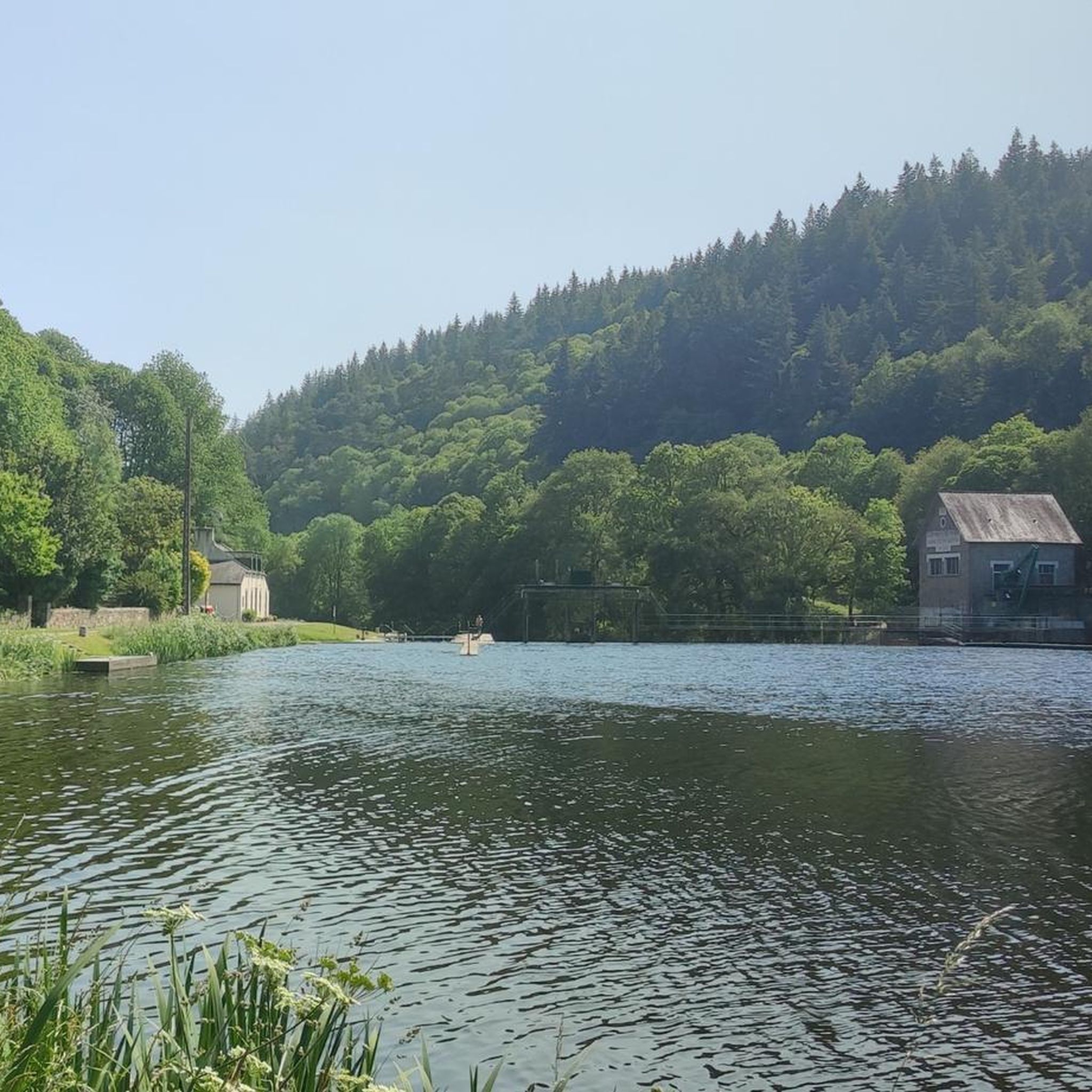
- The most popular attractions is View of the Saint-Gildas Chapel in Bieuzy, a religious_building that is nestled close to the rocks on the other side of the river. It can be reached via hiking trails on the other side.
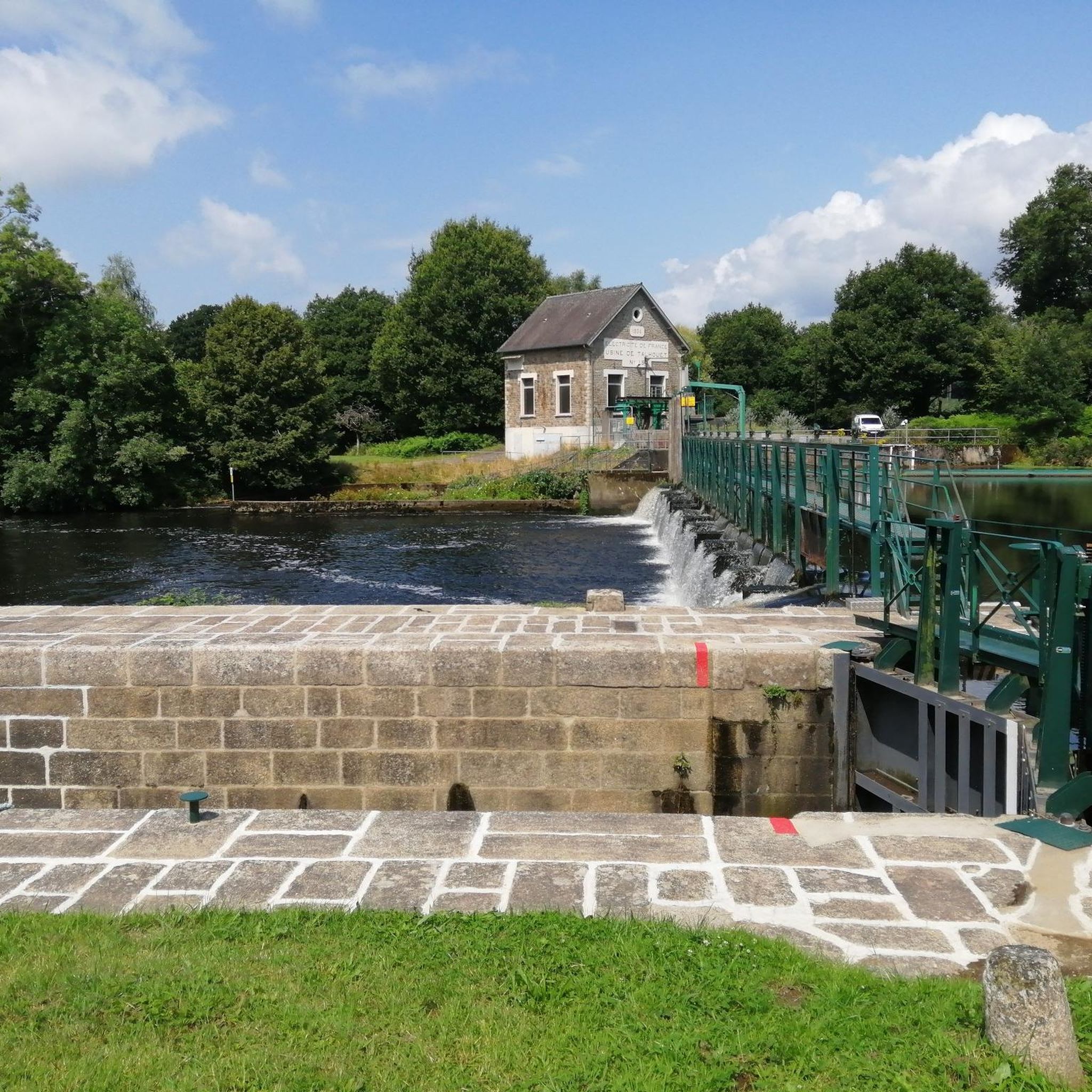
- Another must-see spot is Le Divit Lock, an other_man_made structure. This is one of 28 locks allowing navigation between Pontivy and Hennebont. These 19th-century structures are important for pleasure boats in the Blavet valley.
- Visitors also love Saint-Nicodème Chapel, a religious_building dedicated to Saint-Nicodème. It is decorated with stone lace and surrounded by fountains.
- Saint-Barthélemy is known for its historical sites, religious buildings, and natural features. The region offers a variety of attractions to see and explore.
- The attractions around Saint-Barthélemy are appreciated by the komoot community, with 10 upvotes and 6 photos shared by visitors.
Last updated: May 4, 2026
Saint-Nicodème Chapel
Highlight • Religious Site
In his version of the "Good News" (this is the meaning of the word "gospel"), John describes the encounter of a Nicodemus, a scribe and member of the Jewish High Council, who visits Jesus at night and has a discussion with him about faith (John 3:1-21). Later, at the meeting of the High Council, he speaks in Jesus' favor: "But Nicodemus, one of their own, who had previously visited Jesus, said to them, 'Does our law condemn a man before it has examined him and found out what he does?'" (John 7:50-51). After the crucifixion, it is Joseph of Arimathea and Nicodemus who bury the body with dignity (John 19:38-42).
Translated by Google •
Tip by

Notre-Dame-de-Quelven chapel
Highlight • Other
Translated by Google •
Tip by

Sign up now to discover places like this
Get recommendations on the best single tracks, peaks, & plenty of other exciting outdoor places.
Sign up for free
Railway bridge and tunnel
Highlight • Other
This line is currently only used for freight (cereals) but was used for travelers until 1960 (occasionally between 1951 and 1960).
Translated by Google •
Tip by

View of the Saint-Gildas Chapel in Bieuzy
Highlight • Other
Translated by Google •
Tip by

Le Divit Lock
Highlight • Structure
Translated by Google •
Tip by

Sign up for free to discover even more attractions around Saint-Barthélemy.
Sign up for free
Already have an account?
Start today with a free account
Your next adventure awaits.
Login or Signup


Tips from the Community

The term "basilica," used above by Vincent Reboul, can have two different meanings for places of worship: + First, as an architectural style: In the Roman Empire, basilicas were secular buildings (market halls or courtrooms); the early Christian era partially adopted this architectural style and, for this purpose, also the term "basilica." + Second, "basilica minor" is an honorary title for special places of worship throughout the world (regardless of the aforementioned architectural style), which has been personally awarded by the Pope since the 18th century.
0
0
Although I often stop in churches or chapels on my walks (if the door is not locked), I have never come across a place of worship that is dedicated to the patronage of Saint-NICODEME. The person of Nicodemus takes us far back to the Holy Land in Jesus' time; he is mentioned several times by at least one of the four evangelists. I did some more research this morning: In his version of the "Good News" (this is the meaning of the word "gospel"), John describes the encounter of a Nicodemus, a scribe and member of the Jewish High Council, who visits Jesus at night and has a discussion with him about faith (John 3:1-21). Later, at the meeting of the High Council, he speaks in Jesus' favor: "But Nicodemus, one of their own, who had previously visited Jesus, said to them, 'Does our law condemn a man before it has examined him and found out what he does?'" (John 7:50-51). After the crucifixion, it is Joseph of Arimathea and Nicodemus who bury the body with dignity (John 19:38-42).
1
0

A railway bridge over the Blavet that leads directly into a tunnel. There is only freight traffic here. At around 35km, this was half the distance from Pontivy to Lorient for us.
0
0
The chapel is nestled close to the rocks on the other side of the river. It can be reached via hiking trails on the other side.
0
0

This chapel is so imposing in its dimensions and importance that it is known here as the Basilica. It is a marvel of 15th century architecture which features numerous gargoyles and a 70 meter high bell tower. All in pure Breton granite.
3
0

There are 28 locks which allow navigation between Pontivy and Hennebont. These structures, built in the 19th century, are still very important to the many pleasure boats that sail here. The lock keeper moves from one lock to another to allow boats to continue their journey in the Blavet valley.
1
0

The 470,000 line passes over the Blavet and up the hill through a tunnel and a beautiful bridge, wide enough to be taken on foot without risk. This line is currently only used for freight (cereals) but was used for travelers until 1960 (occasionally between 1951 and 1960).
0
0

Superb route to go from central Brittany (Caurel or Guerledan) to Quiberon without going through the main roads
2
0
Frequently Asked Questions
What historical sites can I explore around Saint-Barthélemy?
Saint-Barthélemy offers several historical sites reflecting its past. You can visit the remnants of Swedish colonial forts like Fort Gustave and Fort Karl, which provide panoramic views of Gustavia. The Wall House Museum (Musée Territorial) in Gustavia is dedicated to the island's history and culture, housing artifacts and exhibits. Additionally, the Swedish Clock Tower in Gustavia stands as a historical symbol.
Are there any notable religious sites to visit in Saint-Barthélemy?
Yes, the region features several significant religious buildings. You can visit Saint-Nicodème Chapel, known for its stone lace decoration and surrounding fountains. Another impressive site is Notre-Dame-de-Quelven chapel, often referred to as a basilica due to its grand 15th-century architecture and 70-meter high bell tower. Also, the View of the Saint-Gildas Chapel in Bieuzy is nestled close to the rocks on the other side of the river and can be reached via hiking trails.
What natural features are prominent in Saint-Barthélemy?
Saint-Barthélemy is renowned for its natural beauty. The island boasts numerous white sand beaches like Saline, Gouverneur, and Colombier. You can also find natural swimming spots, such as the natural pool of Grand Fond, formed by ocean waves. The St. Barth National Nature Reserve protects a rich marine ecosystem, including coral reefs and seagrass beds, and is home to sea turtles and various fish species. The island also features salt ponds in Grand and Petit Cul-de-Sac, which are excellent for birdwatching.
Where can I find unique beaches in Saint-Barthélemy?
The island is famous for its diverse beaches. Shell Beach, near Gustavia, is unique for being covered in millions of shells. Saline Beach and Gouverneur Beach are known for their pristine, uncrowded atmospheres, ideal for swimming and relaxation. Colombier Beach is a secluded bay accessible by boat or hike, perfect for snorkeling with abundant marine life, including green turtles. For water sports, Grand Cul-de-Sac offers calm, shallow waters for paddleboarding, kayaking, and windsurfing.
Are there opportunities for hiking near Saint-Barthélemy's attractions?
Yes, there are several hiking opportunities. The Gouverneur to Saline hiking trail offers scenic coastal views. Colombier Beach is accessible via a scenic hike, and the Colombier Waterfall is located in a nature reserve, providing a refreshing swim after a hike. For more structured routes, you can explore trails like the 'Circuit of the Chapels, South Loop' or the 'Lock – Saint-Nicodème Chapel loop from St-Nicolas des Eaux'. You can find more hiking routes in the Hiking around Saint-Barthélemy guide.
What cycling routes are available around Saint-Barthélemy?
Cyclists can enjoy various routes around Saint-Barthélemy. Options include the 'Lock – Beautiful bridge loop from Saint-Barthélemy' and the 'Lock – Pontivy Castle loop from St-Rivalain', both offering moderate difficulty. For an easier ride, consider the 'Trémorin Lock – Beautiful bridge loop from Kervrégan'. Road cycling enthusiasts can find routes like the 'Bridge over the Blavet at Clécran – Quistinic loop from Guénin'. Discover more cycling options in the Cycling around Saint-Barthélemy guide and the Road Cycling Routes around Saint-Barthélemy guide.
Are there family-friendly attractions in Saint-Barthélemy?
Many attractions in Saint-Barthélemy are suitable for families. Beaches like Lorient Beach offer calm swimming areas protected by a coral reef, making them ideal for children. The St. Barth National Nature Reserve provides opportunities for snorkeling and observing marine life. Historical sites like Saint-Nicodème Chapel and Le Divit Lock are also categorized as family-friendly, offering educational and engaging experiences.
What are some unique viewpoints in Saint-Barthélemy?
For stunning vistas, you can hike up to Fort Gustave or Fort Karl, which offer panoramic views of Gustavia and neighboring islands. The Gustavia Lighthouse, though no longer operational, is a popular spot for photography and provides beautiful sea views. The Colombier Waterfall also offers impressive views of the Caribbean Sea after a hike through lush vegetation.
What do visitors particularly enjoy about the attractions in Saint-Barthélemy?
Visitors frequently praise the unique blend of natural beauty and historical charm. For instance, the Saint-Nicodème Chapel is admired for its 'magnificent decoration with stone lace' and its 'green setting'. The Le Divit Lock is appreciated for its historical significance in the Blavet valley, especially by those enjoying pleasure boats. The View of the Saint-Gildas Chapel in Bieuzy is noted for its superb route and picturesque location 'nestled close to the rocks'.
What is the best time of year to visit Saint-Barthélemy for outdoor activities?
Saint-Barthélemy generally enjoys pleasant weather year-round. However, the dry season from December to May is often considered ideal for outdoor activities, offering cooler temperatures and less humidity. This period is perfect for hiking, cycling, and enjoying the beaches and marine reserves without the higher chance of rain or tropical storms that can occur during the wet season (June to November).
Can I find any unique man-made structures or engineering marvels?
Yes, Saint-Barthélemy has some interesting man-made structures. Le Divit Lock is one of 28 19th-century locks crucial for navigation between Pontivy and Hennebont in the Blavet valley. Another notable structure is the Railway bridge and tunnel, which crosses the Blavet and leads into a tunnel, wide enough to be explored on foot, and historically used for freight and occasional passenger traffic.
Are there any marine conservation areas or places for snorkeling/diving?
Absolutely. The St. Barth National Nature Reserve, established in 1996, is dedicated to conserving the island's marine ecosystem. It spans over 1,200 hectares and includes five distinct zones, making it a haven for biodiversity. It's an excellent spot for snorkeling and diving, where you can encounter sea turtles, parrotfish, and reef sharks among coral reefs and seagrass beds. Colombier Beach is also a popular spot for snorkeling due to its clear waters and abundant marine life.
Where can I experience traditional island life or culture?
To experience traditional island life, visit Corossol Village, a traditional fishing village that offers a glimpse into the island's past. The Wall House Museum (Musée Territorial) in Gustavia also provides insights into Saint-Barthélemy's history and culture through its artifacts and exhibits. Additionally, the churches like St. Bartholomew's Anglican Church and Notre-Dame de l'Assomption Church reflect the island's diverse religious heritage.
Most popular routes around Saint-Barthélemy

Get inspired with the komoot mobile app


Explore more
Still not found the Highlight you’re looking for? See guides of the top attractions in other regions:
